


 03 9070 5784
 Help & Support
 Track My Order



Recently Viewed
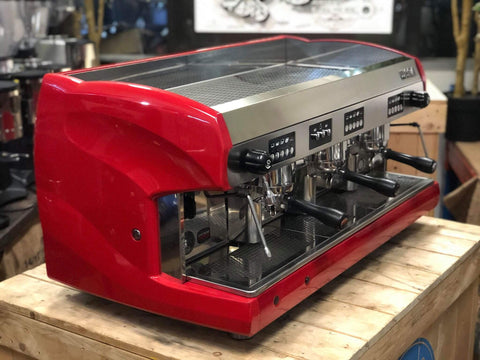

 Wega Polaris - 3 Group Commercial Espresso Machine - Low Cup Red - Refurbished
970(W) x 570(D) x 500(H)mm
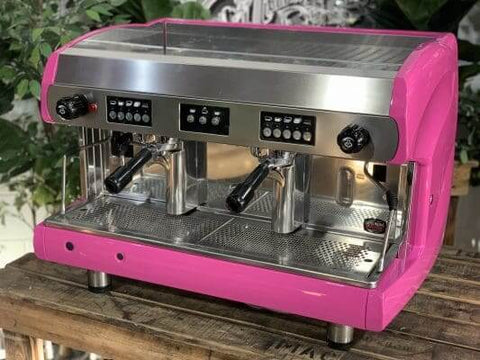
 Wega Polaris - 2 Group Hot Pink - Refurbished
740(W) x 570(D) x 500(H)mm
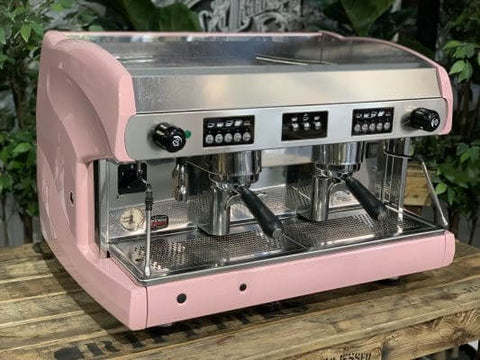
 Wega Polaris - 2 Group Baby Pink - Refurbished
740(W) x 570(D) x 500(H)mm
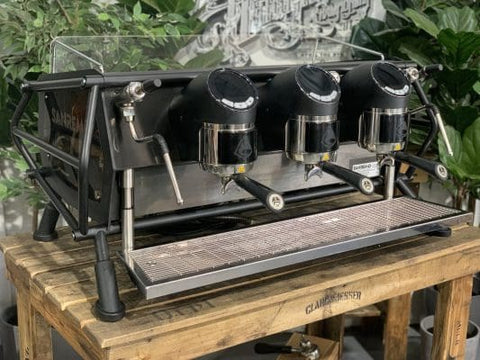

 San Remo Cafe Racer - 3 Group Naked Black - Refurbished
1057(W) x 680(D) x 534(H)mm
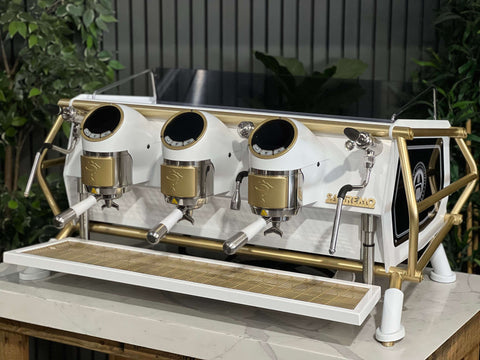
 San Remo Cafe Racer - 3 Group Commercial Espresso Machine White & Gold - Refurbished
1057(W) x 680(D) x 534(H)mm
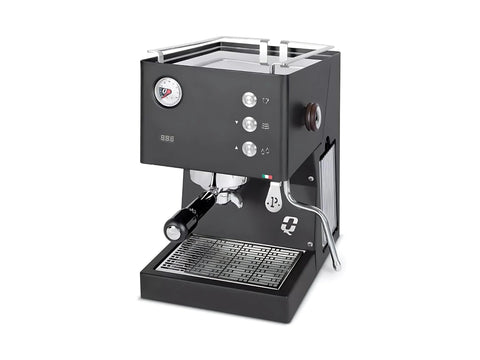

 Quick Mill Pop Up - 1 Group Commercial Espresso Machine - Brand New
255(W) x 382(D) x 333(H)mm
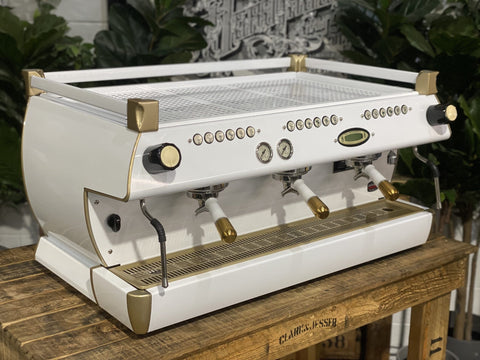

 La Marzocco GB5 - 3 Group White & Gold W. Pesado Group Handles - Refurbished
950(W) x 630(D) x 490(H)mm
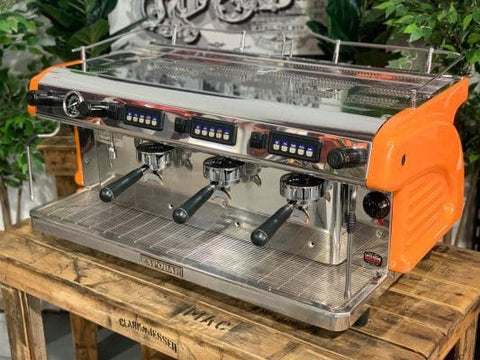

 Expobar Ruggero - 3 Group Orange - Refurbished
1000(W) x 575(D) x 500(H)mm
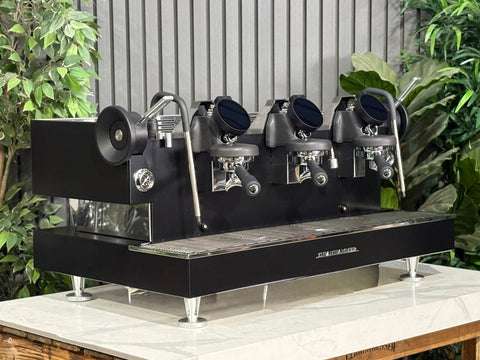

 XLVI Steamhammer X - - 3 Group Commercial Espresso Machine - Commercial - Black
930(W) x 570(D) x 570(H)mm


 WMF Espresso Next - - 2 Group Commercial Espresso Machine - Commercial
790(W) x 558(D) x 625(H)mm

 Wega Polaris Tron - - 2 Group Commercial Espresso Machine - Commercial - Sage Green
750(W) x 500(D) x 520(H)mm

 Wega Polaris Tron - - 2 Group Commercial Espresso Machine - Commercial
750(W) x 500(D) x 520(H)mm

 Wega Polaris - - 2 Group Commercial Espresso Machine - Commercial
740(W) x 570(D) x 500(H)mm

 Wega Atlas EVD - - 1 Group Commercial Espresso Machine - Commercial - Black
530(W) x 520(D) x 540(H)mm


 Victoria Arduino Eagle One Prima - - 1 Group Commercial Espresso Machine - Commercial - White
410(W) x 500(D) x 380(H)mm

 Victoria Arduino Eagle One Prima - - 1 Group Commercial Espresso Machine - Commercial - Black
410(W) x 500(D) x 380(H)mm

 Victoria Arduino Eagle One - - 3 Group Commercial Espresso Machine - Commercial - White
975(W) x 585(D) x 420(H)mm
 Victoria Arduino Eagle One - - 3 Group Commercial Espresso Machine - Commercial - Black
975(W) x 585(D) x 420(H)mm


 Synesso MVP - - 3 Group Commercial Espresso Machine - Commercial
940(W) x 590(D) x 530(H)mm

 San Remo Cafe Racer - - 2 Group Commercial Espresso Machine - Commercial
880(W) x 700(D) x 535(H)mm

 San Remo Cafe Racer - - 3 Group Commercial Espresso Machine - Commercial
1057(W) x 680(D) x 534(H)mm


 Slayer Steam Single - - 1 Group Commercial Espresso Machine - Commercial - Black & Aluminium
450(W) x 640(D) x 430(H)mm


 San Marino Lisa - - 3 Group Commercial Espresso Machine - Commercial - Pink, Gold & Timber
940(W) x 535(D) x 495(H)mm

 San Marino Lisa R - - 3 Group Commercial Espresso Machine - Commercial - Bronze & Gold
940(W) x 535(D) x 495(H)mm


 Rocket REA A2 - - 2 Group Commercial Espresso Machine - Commercial - Stainless Steel
630(W) x 490(D) x 471(H)mm

 Rancilio Classe 7 USB Tall iSteam - - 3 Group Commercial Espresso Machine - Commercial - Stone Grey
1011(W) x 539(D) x 520(H)mm
 Rancilio Classe 7 USB Tall iSteam - - 3 Group Commercial Espresso Machine - Commercial - Ice White
1011(W) x 539(D) x 520(H)mm
 Rancilio Classe 7 USB Tall iSteam - - 3 Group Commercial Espresso Machine - Commercial - Anthracite Black
1011(W) x 539(D) x 520(H)mm
 Rancilio Classe 7 USB Tall iSteam - - 2 Group Commercial Espresso Machine - Commercial - Stone Grey
771(W) x 539(D) x 520(H)mm
 Rancilio Classe 7 USB Tall - - 3 Group Commercial Espresso Machine - Commercial - Stainless
1090(W) x 600(D) x 460(H)mm
 Rancilio Classe 7 USB Tall iSteam - - 2 Group Commercial Espresso Machine - Commercial - Ice White
771(W) x 539(D) x 520(H)mm
 Rancilio Classe 7 USB Tall iSteam - - 2 Group Commercial Espresso Machine - Commercial - Anthracite Black
771(W) x 539(D) x 520(H)mm
 Rancilio Classe 7 USB Tall - - 3 Group Commercial Espresso Machine - Commercial - Stone Grey
1011(W) x 539(D) x 520(H)mm
 Rancilio Classe 7 USB Tall - - 3 Group Commercial Espresso Machine - Commercial - Ice White
1011(W) x 539(D) x 520(H)mm
 Rancilio Classe 7 USB Tall - - 3 Group Commercial Espresso Machine - Commercial - Anthracite Black
1011(W) x 539(D) x 520(H)mm
 Rancilio Classe 7 USB Tall - - 2 Group Commercial Espresso Machine - Commercial - Ice White
771(W) x 539(D) x 520(H)mm
 Rancilio Classe 7 USB Tall - - 2 Group Commercial Espresso Machine - Commercial - Stone Grey
771(W) x 539(D) x 520(H)mm
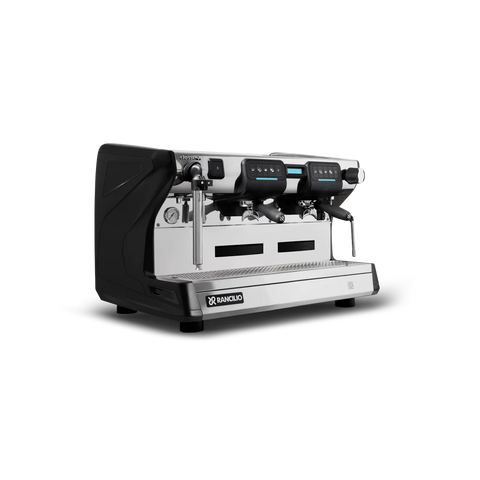
 Rancilio Classe 7 USB Tall - - 2 Group Commercial Espresso Machine - Commercial - Anthracite Black
771(W) x 539(D) x 520(H)mm
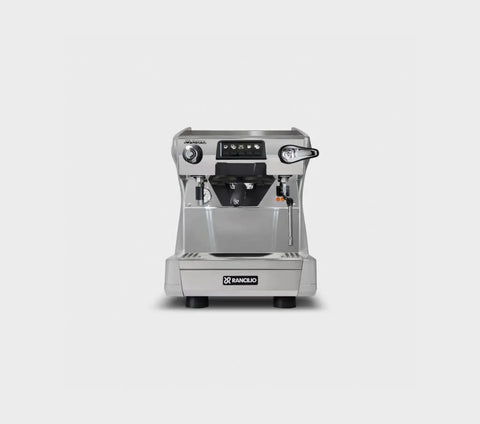
 Rancilio Classe 5 USB Tall - - 1 Group Commercial Espresso Machine - Commercial - Stone Grey
410(W) x 539(D) x 519(H)mm
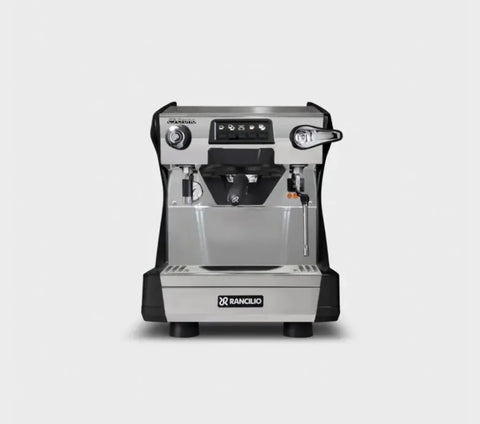
 Rancilio Classe 5 USB Tall - - 1 Group Commercial Espresso Machine - Commercial - Anthracite Black
410(W) x 539(D) x 519(H)mm
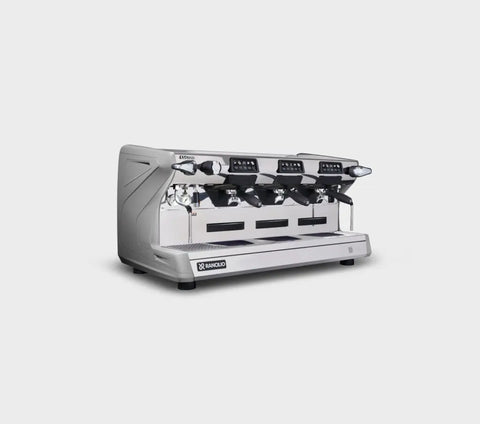
 Rancilio Classe 5 USB Crono Tall - - 3 Group Commercial Espresso Machine - Commercial - Stone Grey
1010(W) x 539(D) x 519(H)mm
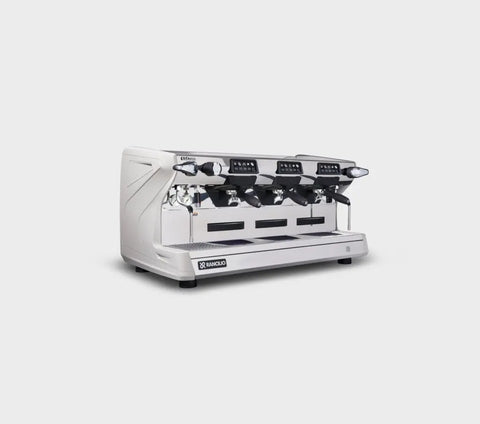
 Rancilio Classe 5 USB Crono Tall - - 3 Group Commercial Espresso Machine - Commercial - Ice White
1010(W) x 539(D) x 519(H)mm
 Rancilio Classe 5 USB Crono Tall Compact - - 2 Group Commercial Espresso Machine - Commercial - Stone Grey
610(W) x 539(D) x 520(H)mm
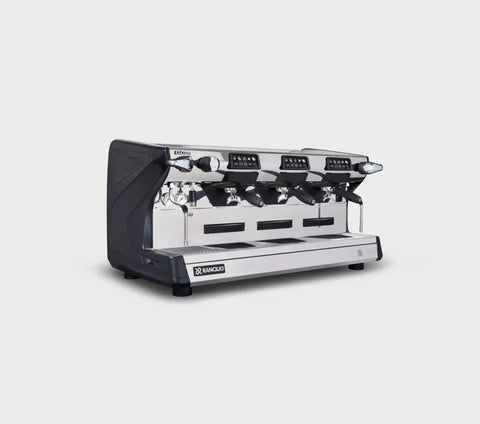
 Rancilio Classe 5 USB Crono Tall - - 3 Group Commercial Espresso Machine - Commercial - Anthracite Black
1010(W) x 539(D) x 519(H)mm
 Rancilio Classe 5 USB Crono Tall Compact - - 2 Group Commercial Espresso Machine - Commercial - Ice White
610(W) x 539(D) x 520(H)mm
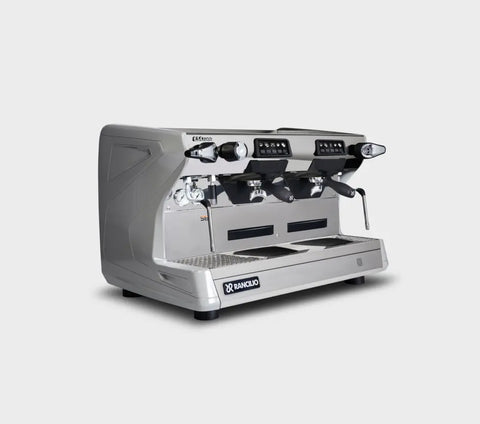
 Rancilio Classe 5 USB Crono Tall - - 2 Group Commercial Espresso Machine - Commercial - Stone Grey
771(W) x 539(D) x 520(H)mm
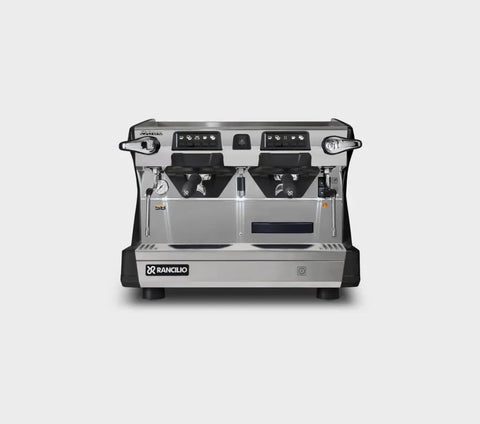
 Rancilio Classe 5 USB Crono Tall Compact - - 2 Group Commercial Espresso Machine - Commercial - Anthracite Black
610(W) x 539(D) x 520(H)mm
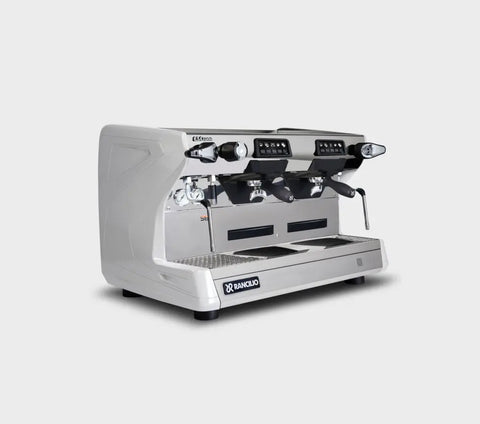
 Rancilio Classe 5 USB Crono Tall - - 2 Group Commercial Espresso Machine - Commercial - Ice White
771(W) x 539(D) x 520(H)mm
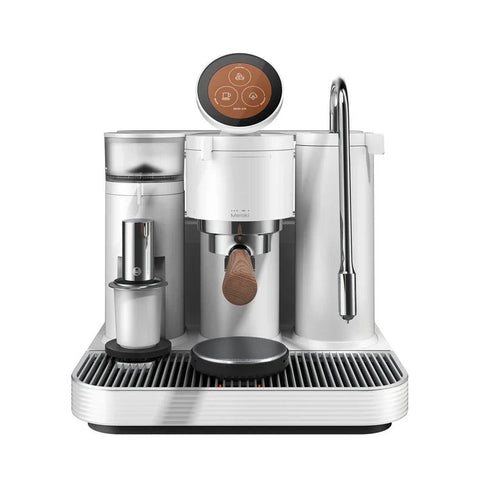

 Meraki Gen 2 with Integrated Grinder - - 1 Group Commercial Espresso Machine - Commercial - White
370(W) x 370(D) x 415(H)mm
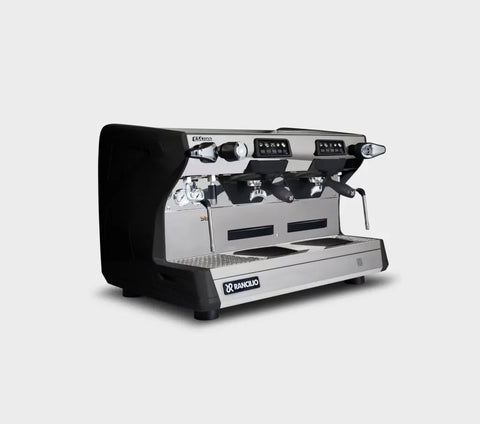
 Rancilio Classe 5 USB Crono Tall - - 2 Group Commercial Espresso Machine - Commercial - Anthracite Black
771(W) x 539(D) x 520(H)mm
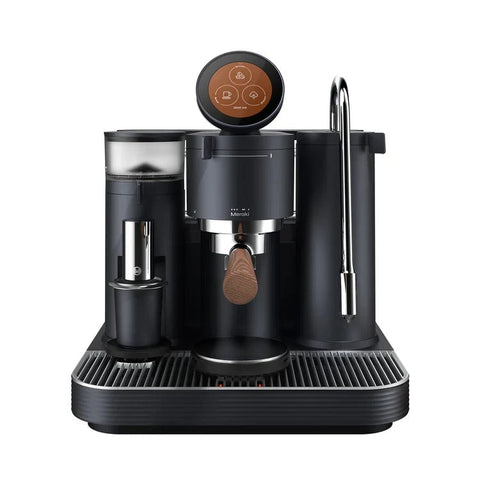
 Meraki Gen 2 with Integrated Grinder - - 1 Group Commercial Espresso Machine - Commercial - Black
370(W) x 370(D) x 415(H)mm
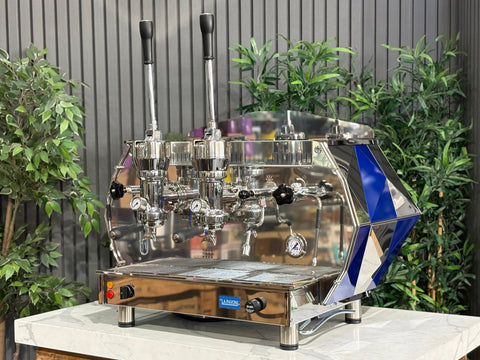

 La Pavoni Diamante Lever - - 2 Group Commercial Espresso Machine - Commercial - Blue & Chrome
770(W) x 540(D) x 550(H)mm
A commercial espresso machine holds the brew water at a steady temperature, pushes that water through a packed basket under pressure, and keeps enough steam ready that nobody waits to texture milk. In a cafe it has to do that three hundred times before eleven and make the same cup every time.
Coffee machines come in three types. A traditional espresso machine needs a barista standing at it, and it makes the cup a cafe trades on. Bean to cup and automatic machines grind, extract and texture milk at one button press, which is what offices, hotel floors and self-serve counters want. Pour over kettles, filter brewers and percolators make coffee in volume for functions, conferences and buffets.
On espresso the next question is how many groups. A 3 group is what most cafes buy by a wide margin, and hotels and function venues ask for it almost every time. A 2 group is small for a cafe but efficient in capable hands, a 1 group suits small venues, home baristas and coffee enthusiasts, and four groups is for volume that never lets up.
We have machines at every one of those sizes, new and fully refurbished, from Wega, La Marzocco, Astoria, Synesso, San Remo, Rancilio, Faema, La Cimbali, Expobar, Iberital and Fiamma.
Three groups, by a wide margin. Hotels and function venues ask for it almost every time as well. You don't need three baristas to make use of it, because the third group is there for staging: one group stays set up for decaf, one stays clear for tall takeaway cups, and there's capacity in hand when a coach party walks in.
Two groups is small for a cafe, but in capable hands it's very efficient and plenty of good bars run one. One group suits a small venue, a dessert bar, an office, or somebody making coffee at home. Four groups is for volume that never stops, and it needs the bench, the power and the staff to go with it. Size the machine on your busiest sixty minutes rather than on cups per day.
Yes. Our prices are sharp on both new and refurbished machines, and finance makes it easier again. Silverchef Rent-Try-Buy lets you rent the machine instead of buying it outright, so your cash stays in the rest of the fit-out, which is where a new venue usually needs it.
The rental payments are treated as an operating expense, and you can buy the machine out later or move up to a bigger model as the business grows. That's useful on coffee equipment, because a three group is a serious buy for a cafe that hasn't opened yet and it's usually the most expensive item on the front bench. Renting means you can put the machine you actually want on the bench now instead of the cheap one you'll be replacing in two years.
Yes, on a refurbished machine. The panels come off during refurbishment, so that's the point where the colour becomes a real choice rather than whatever the factory offered, and refurbished machines have gone out in bronze, moss green, matcha, rose gold, lilac and several pinks. New machines come in the finishes the manufacturer builds.
Contact our team before you settle on a model, because the model and the finish need to be decided together.
Commercial espresso machines are built to be stripped, resealed and rebuilt, which is why there's a refurbished trade in them at all. A well refurbished machine from a serious brand will often outlast a new machine from a lesser one at the same money, and it's how a La Marzocco, a Synesso or a Wega ends up on a bench at an entry level budget.
A refurbished machine can have scratches or dents picked up in transit, in the kitchen it worked in, or in handling. Every unit is inspected, tested and verified in working condition before it is relisted for sale, and the warranty terms are shown on each product page. Either way, budget for fresh group gaskets and shower screens at installation, and get a technician to plumb the machine in so the brew and pump pressure are set at the same time.
It's the gap between the group head and the drip tray, and it decides which cups will fit underneath. A high cup machine takes a tall takeaway cup straight under the group, so the shot goes into the cup the customer walks out with. A low cup machine has less room under the group, which suits ceramic on a saucer in a sit-down room.
Pick it against the cups you actually use, because it's hard to change later. Pouring shots out of a glass into a takeaway cup costs you seconds on every drink and the espresso cools on the way across, so a takeaway heavy bar wants high cup. Table service usually gets a tidier bar and a better working height out of low cup. Both are available at every group size, new and refurbished.
A heat exchanger machine has one boiler full of steam water, and the brew water is drawn through a tube inside it on the way to the group. These machines are compact, they've been around a long time, they're usually cheaper and they recover steam well. The catch is idle time, because brew water standing in the exchanger gets too hot, so the barista flushes the group before the first shot after a quiet spell.
A twin or multi boiler keeps the brew water and the steam water apart, so the brew temperature is set and held on its own, and texturing milk takes nothing away from the shot running beside it. That's what specialty bars pay for. On many multi boiler machines a single group can be isolated for a service call while the bar keeps trading. There's more to warm up and more to maintain, but on a milk heavy bar most people find it worth the money.
On a semi-automatic the barista starts the pump and stops it, so the shot runs for exactly as long as the person on the bar wants it to. It suits a bar where one or two experienced people are pulling every shot and tasting as they go.
A volumetric machine counts the water through a flow meter and cuts each button off at a set volume. The barista still grinds, doses, tamps and locks in, so you haven't lost the craft, but the pour repeats no matter who's on shift. That's worth a lot if you're running casuals, or if you've got several sites working to the same recipe. We have both types. Paddle group machines give pre-infusion and pressure control back to the barista, and they're the specialist choice.
Power, mains water, a waste point and bench, and that's the same whether it's one group or four. Espresso machines are plumbed to mains through a filter and drained to a waste point, so both services need to be near where the machine will stand. Power varies with the model. A small machine might run off a standard socket, while larger ones often want their own circuit and some are three phase. Ask us for the rating plate before you order and hand it to your electrician.
Measure the whole station, not just the machine. You need the grinder alongside it, a knock box the barista can reach without turning around, flat space to tamp, and somewhere to land the finished drinks. Leave clearance behind as well, both for the water and waste lines to turn without kinking and so a technician can pull the machine forward when it needs work.
Every espresso machine needs filtered water, and Australian mains water changes a lot from one region to the next. Hard water lays scale through the boiler, the element, the solenoids and the flow meters. Scale insulates the element, so the machine works harder for less heat, then it starts restricting the flow, and eventually it blocks it altogether. By the time you can taste it in the cup there's already damage inside.
Get the water tested before the machine goes in so the cartridge is matched to it, and size the filter to the volume you're doing. Change it on a set date, and put the first change in the diary the day it's installed. Scale is a maintenance failure rather than a manufacturing fault, so it isn't a warranty claim.
Start with the grinder, and don't save money on it. Grind consistency does more for the shot than anything happening inside the boiler, and a cheap grinder in front of an excellent machine will hold your coffee back every day it's on the bench. Most bars run one grinder per blend, so a house blend plus decaf means two of them. Our commercial coffee grinders are priced to be bought as a pair with the machine.
After that you want a tamper sized to your basket, a knock box, milk jugs in at least two sizes, and a jug rinser if the plumbing allows it. Then cups to match your cup clearance, blind baskets and a group brush for backflushing, and a proper espresso machine detergent. Put the water filter and a spare cartridge on the same order.
Most faults come out of cleaning and water rather than manufacturing. Backflush every group with a blind basket and detergent at close, soak the baskets and portafilters, and wipe and purge the steam wand every single time it touches milk. Milk that dries inside a wand starts as poor texturing and finishes as no steam at all, and it's the most common call-out we hear about on a machine that's otherwise healthy.
Group gaskets harden and shrink with heat. You'll feel it as a portafilter you have to push further round to seal, or you'll see coffee weeping out of the edge of the group, and that's a cheap consumable rather than a breakdown. Shower screens block up with fines and get changed at the same visit. Put the machine on a service schedule from day one, whatever volume you're doing.

We have a special page just for stock that's warehoused in Perth.
Click Here to see all WA stockWhat our customers say about us on Google, and how Google scores our store for things like shipping and returns.
Store scores from Google