


 03 9070 5784
 Help & Support
 Track My Order



Recently Viewed
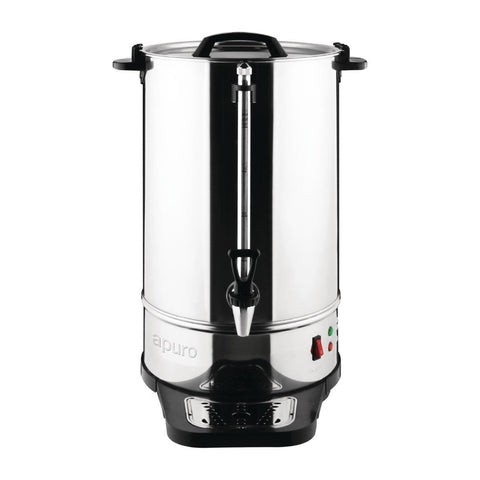

 Apuro Coffee Percolator 15Ltr - CN295-A
362(W) x 510(H) x 287(D)mm
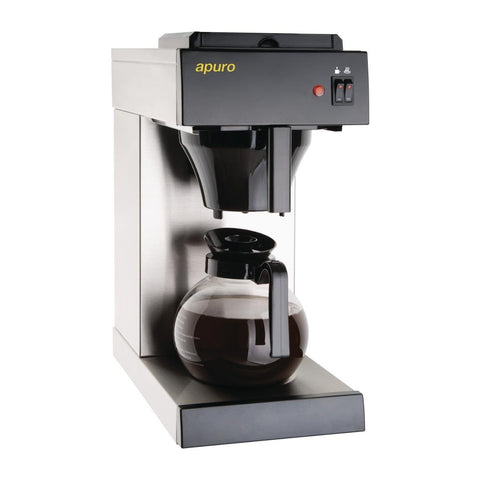
 Apuro Manual Fill Filter Coffee Machine - CT815-A
215(W) x 460(H) x 400(D)mm
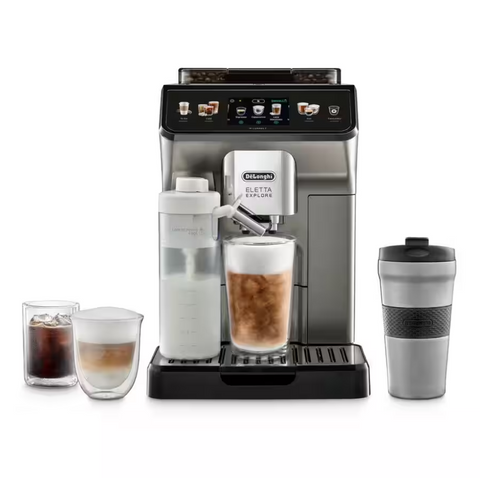

 DeLonghi Eletta Explore Titanium ECAM450.86.T
260(W) x 450(D) x 385(H)mm
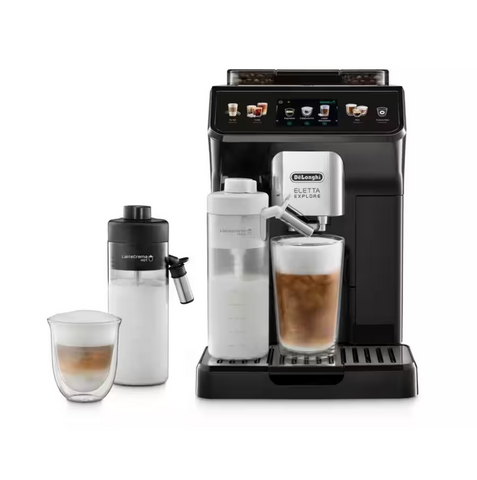
 DeLonghi Eletta Explore Grey ECAM450.55.G
260(W) x 450(D) x 385(H)mm
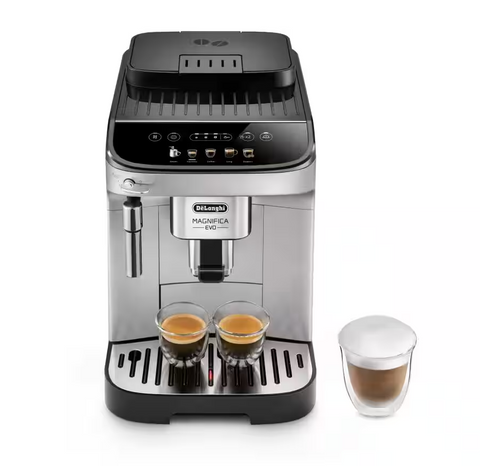
 DeLonghi Magnifica Evo Silver Black ECAM290.31.SB
240(W) x 440(D) x 360(H)mm
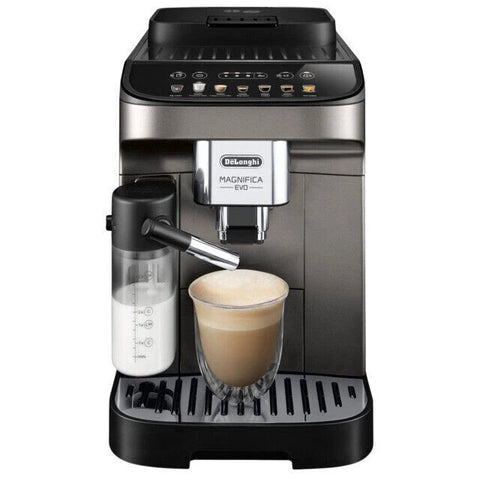
 Delonghi Magnifica Evo Coffee Machine ECAM290.83.TB
240(W) x 440(D) x 360(H)mm
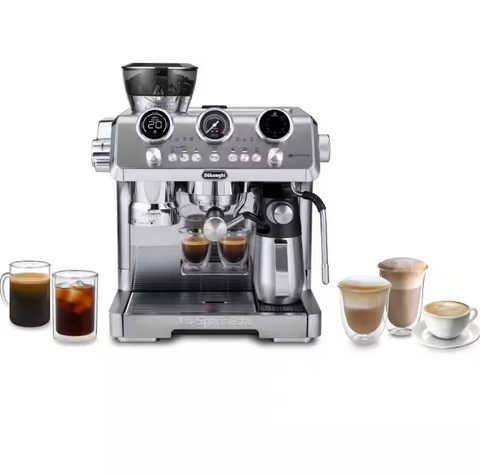
 DeLonghi La Specialista Maestro Cold Brew EC9885.M
419(W) x 368(D) x 465(H)mm

 Saeco Aulika Evo Focus Bean to Cup Coffee Machine Aulika-Evo-Focus
334(W) x 452(D) x 574(H)mm
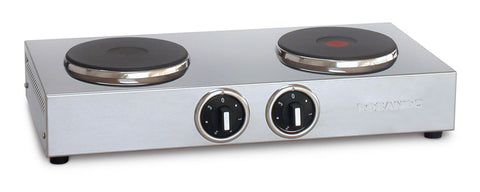

 Roband Boiling Hot Plates 2 x 150mm - 12
510(W) X 265(D) X 105(H)mm
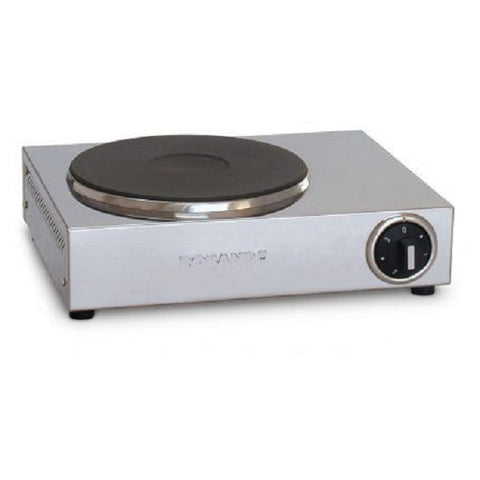
 Roband Boiling Hot Plates 230mm - 13
360(W) X 282(D) X 105(H)mm
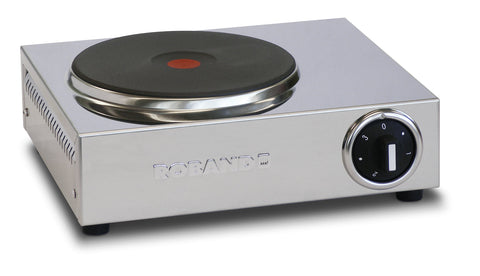
 Roband Boiling Hot Plates 190mm - 11
435(W) X 400(D) X 160(H)mm

 Bezzera Bezzera Professional Espresso Machine BZB2016S3DE
960(W) x 550(D) x 515(H)mm
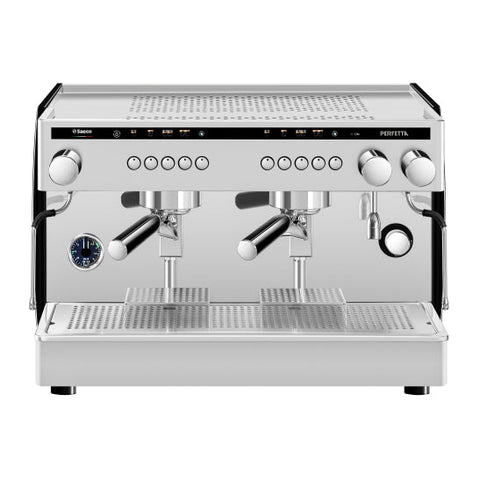
 Saeco Perfetta Saeco-Perfetta
730(W) x 520(D) x 470(H)mm

 F.E.D Commercial Grade Coffee Tampers ST-012
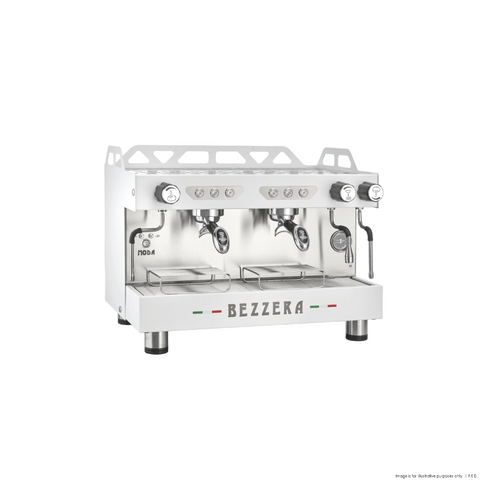
 Bezzera Moda De 2 Group Espresso Machine White MODADE2W
667(W) x 550(D) x 520(H)mm
 F.E.D Commercial Grade Coffee Tampers ST-008
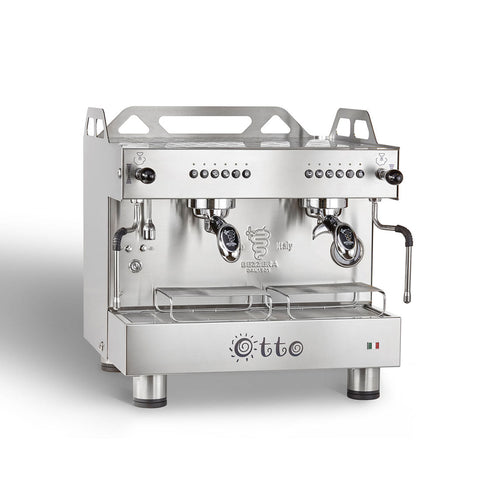
 Bezzera Otto Silver Compact 2 Group Espresso Machine BZOTTOCDE2IS1
500(W) x 495(D) x 535(H)mm
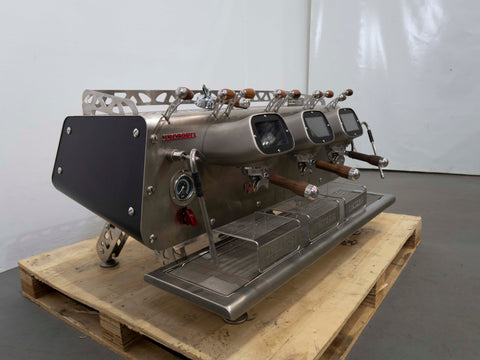
 Bezzera Victoria De Brewing Profile 3 Group Coffee Machine - 811542
1020W x 660D x 550Hmm
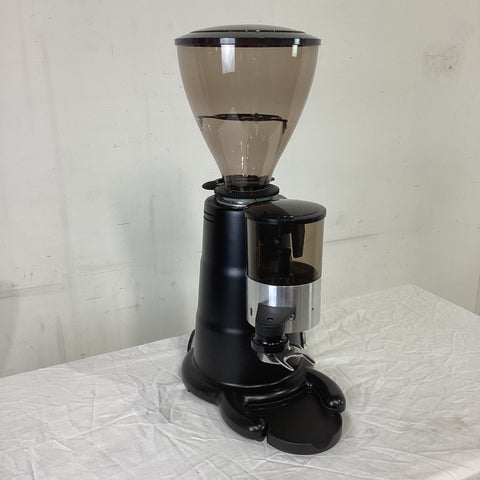

 Macap M7A Coffee Grinder - 822209
250W x 410D x 630Hmm
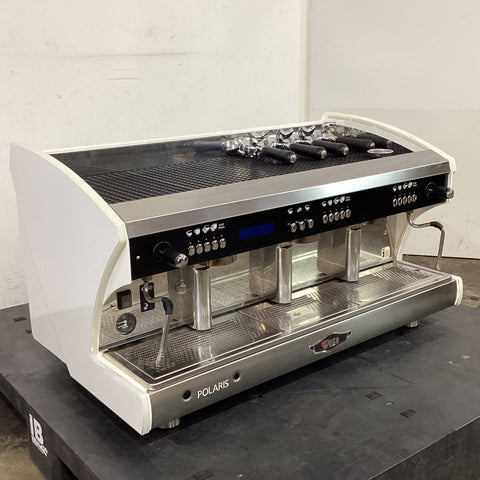

 Wega Polaris EVD./3-PR 3 Group Coffee Machine - 876420
985W x 560D x 530Hmm


 Mazzer Robur S Electronic Black - Brand New
240(W) x 263(D) x 650(H)mm

 Mazzer Mini Manual Black - Brand New
150(W) x 250(D) x 270(H)mm

 Dr Coffee "Break Big" With Milk Fridge Fully Automatic
410(W) x 500(D) x 580(H)mm
 Saeco Royal Plus Bean to Cup Coffee Machine Royal-Plus
280(W) x 460(D) x 398(H)mm
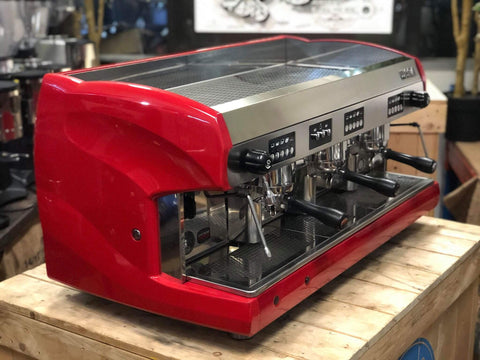
 Wega Polaris - 3 Group Commercial Espresso Machine - Low Cup Red - Refurbished
970(W) x 570(D) x 500(H)mm
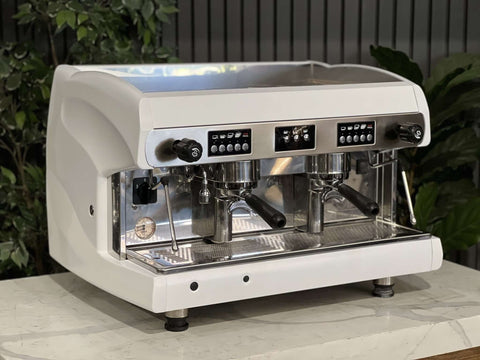
 Wega Polaris - 2 Group Commercial Espresso Machine - Low Cup White
740(W) x 570(D) x 500(H)mm
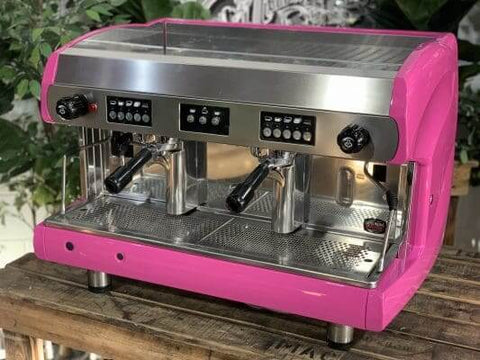
 Wega Polaris - 2 Group Hot Pink - Refurbished
740(W) x 570(D) x 500(H)mm
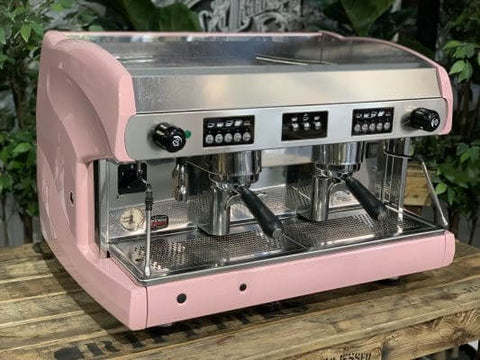
 Wega Polaris - 2 Group Baby Pink - Refurbished
740(W) x 570(D) x 500(H)mm
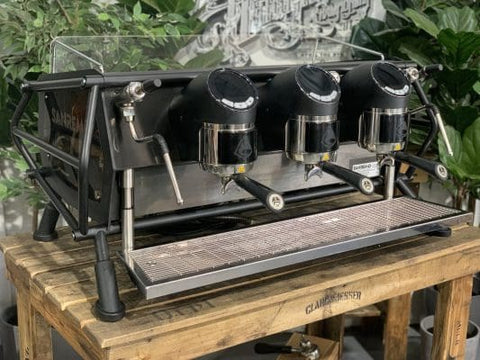

 San Remo Cafe Racer - 3 Group Naked Black - Refurbished
1057(W) x 680(D) x 534(H)mm
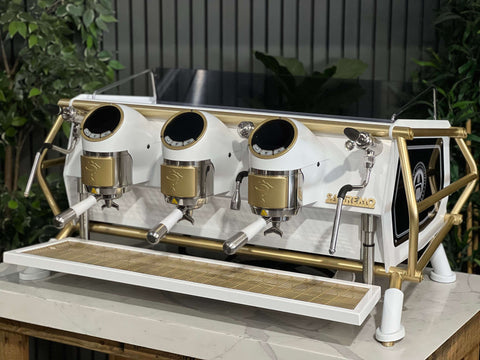
 San Remo Cafe Racer - 3 Group Commercial Espresso Machine White & Gold - Refurbished
1057(W) x 680(D) x 534(H)mm
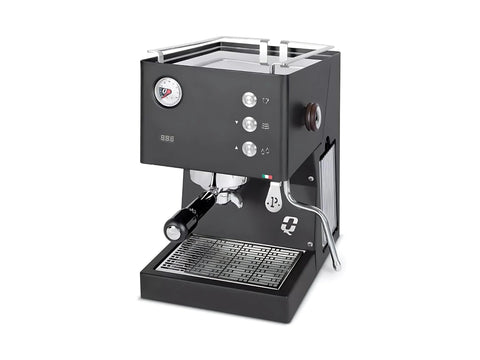

 Quick Mill Pop Up - 1 Group Commercial Espresso Machine - Brand New
255(W) x 382(D) x 333(H)mm
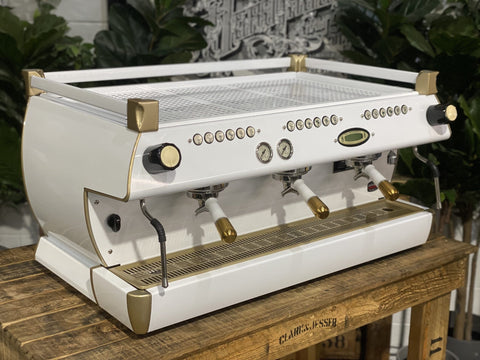

 La Marzocco GB5 - 3 Group White & Gold W. Pesado Group Handles - Refurbished
950(W) x 630(D) x 490(H)mm
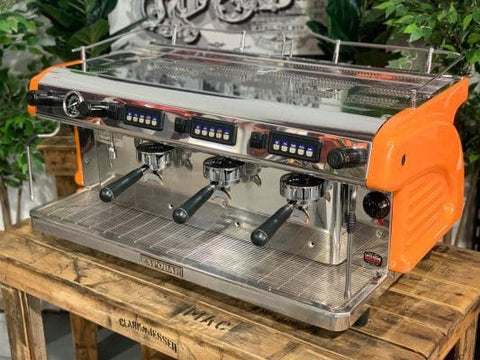

 Expobar Ruggero - 3 Group Orange - Refurbished
1000(W) x 575(D) x 500(H)mm
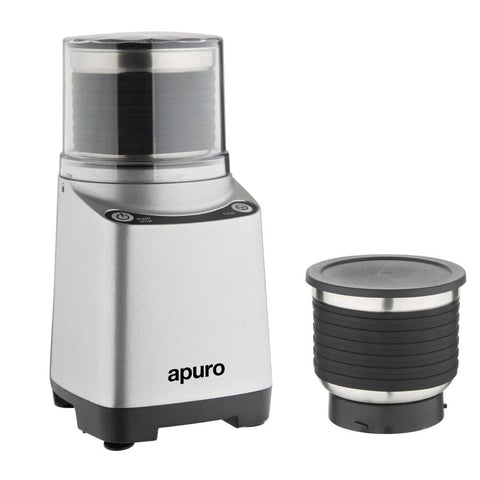
 Buffalo Spice and Coffee Grinder - FU476-A
166(W) x 317(H) x 183(D)mm
 Apuro Stainless Steel Kettle 1700ml - CK829-A
312(W) x 244(H) x 220(D)mm

 Apuro Filter Coffee Maker - CW305-A
205(W) x 435(H) x 205(D)mm
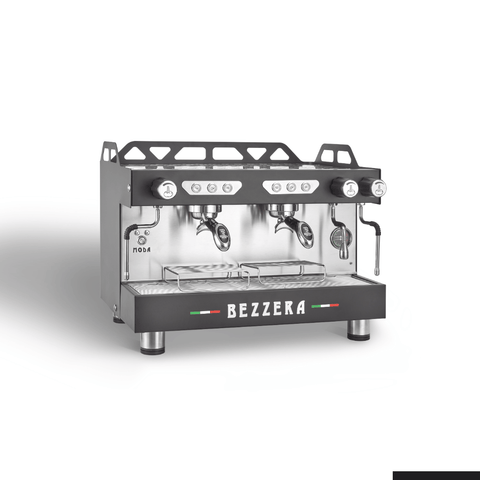 Bezzera Moda De 2 Group Espresso Machine Black MODADE2B
667(W) x 550(D) x 520(H)mm
 F.E.D Commercial Grade Coffee Tampers ST-030
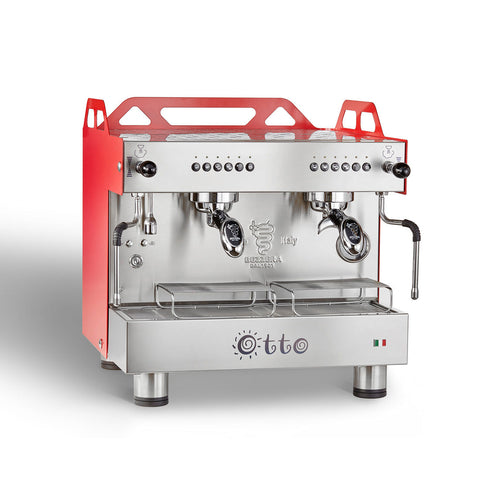
 Bezzera Otto Red Compact 2 Group Espresso Machine BZOTTOCDE2IR1
500(W) x 495(D) x 535(H)mm
 Bezzera 3L Red 2-Group Professional Espresso Machine BZB2016R2DE
750(W) x 550(D) x 515(H)mm
 Bezzera 3L Black 3-Group Professional Espresso Machine BZB2016B3DE
960(W) x 550(D) x 515(H)mm


 Rancilio KRYO65OD Coffee Grinder - 905347
220W x 360D x 590Hmm


 Crem ECEF-FA1B-22AR 3 Group Coffee Machine - 787828
1000W x 600D x 480Hmm

 Mazzer MAJOR AUT Coffee Grinder - 879374
210W x 450D x 630Hmm
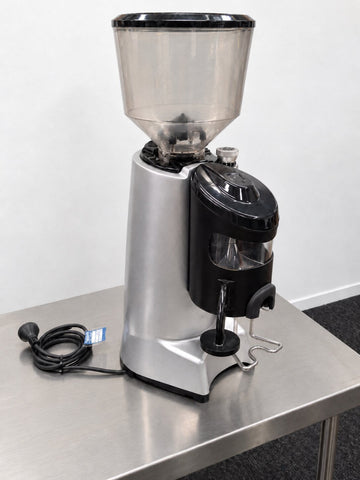

 Eureka ZT60A Coffee Grinder - 782584
215W x 430D x 550Hmm
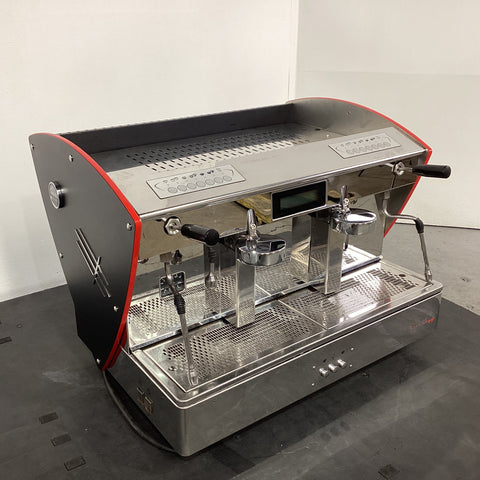

 Orchestrale Etnica AUT./2-ET 2 Group Coffee Machine - 731027
725W x 600D x 530Hmm
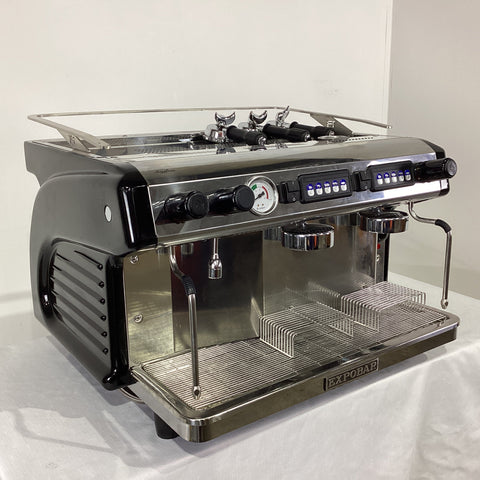
 Expobar MA-C-2GR 2 Group Coffee Machine 2 group - 855725
720W x 610D x 500Hmm
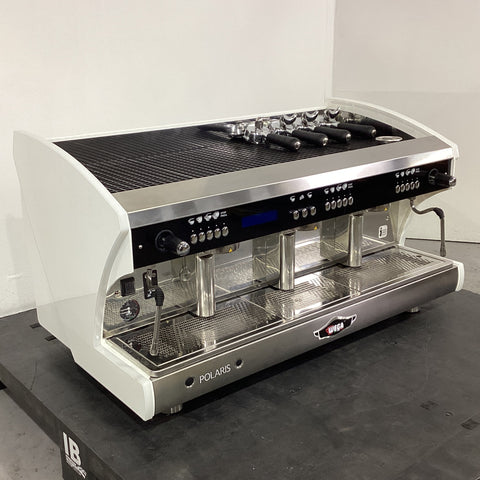
 Wega EVD./3-PR 3gr Coffee Machine - 929144
985W x 560D x 530Hmm
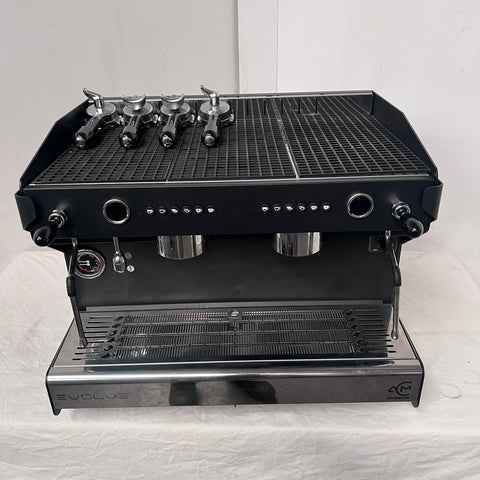

 ACM Evolve 2 Group Compact Coffee Machine - 864079
700W x 510D x 540Hmm

 San Remo F18 SB Tall 2 Group Coffee Machine - 779587
850W x 670D x 530Hmm
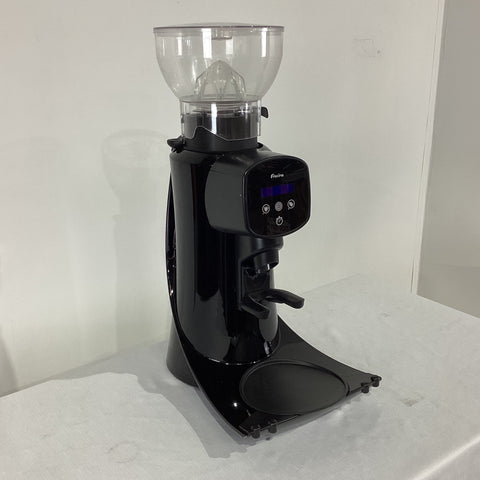

 Fracino Cunill Luxomatic Silencer Coffee Grinder - 917614
285W x 405D x 630Hmm

 San Remo Zoe 2 Grp Coffee Machine - 881781
720W x 540D x 600Hmm
Commercial coffee equipment comes in three kinds of machine, and which one suits you depends mostly on who is going to make the coffee. Traditional espresso machines from Wega, Bezzera, La Marzocco, Iberital, Astoria and Synesso need a barista who can dial in a grinder, pull shots and texture milk, and they make the cup quality a cafe charges for.
Bean to cup and automatic machines from Saeco and DeLonghi grind, brew and steam at the press of a button, which suits offices, hotel breakfast rooms and anywhere the coffee is made by whoever is on shift. Filter brewers and percolators from Apuro make a lot of black coffee at once, for functions, conferences and staff rooms.
Commercial coffee machines is the largest of the three groups. Espresso machines use a portafilter and group heads, and they come in one group, two group, three group and four group models. Bean to cup machines and the automatic units make the whole drink unattended, and pour over and filter brewers batch black coffee into a jug.
Alongside the machines are commercial coffee grinders from Mazzer and other brands, percolators that brew and hold in an urn with a tap, and coffee kettles for pour over and tea.
Work it out on staffing and volume before you look at price. If coffee is what customers are coming in for, you want a traditional espresso machine, because it's the only one of the three that will make a cup worth cafe money, and it needs a barista who can dial in a grinder and texture milk. If coffee is something you provide instead of something you sell, a bean to cup machine takes the skill out of it and every drink comes out the same, which is what offices, receptions, hotel breakfasts and waiting rooms want.
Filter brewers and percolators do a different job again. They put a lot of black coffee on a table at once, for a conference, a function room or a staff room. They're cheap to run and simple to use, and plenty of venues end up with two of the three.
Count your peak, not your average. One group will cover a small bar, a bakery counter or a venue where coffee is a sideline. Two groups is the cafe standard, giving one barista two shots at a time and a bit of room to work. Three groups is for a real rush, whether that's two baristas on the machine or a takeaway queue that doesn't stop, and four group machines are for high-volume sites, so there aren't many of them about.
High cup and low cup describe the clearance under the group head. A high cup model takes tall takeaway cups straight under the group, so nobody is decanting shots into them, and that matters if most of your trade walks out the door. A low cup model suits a sit-down venue pouring into ceramic. It isn't easy to change afterwards, so decide before you order.
For a traditional espresso machine, almost always both. They're plumbed to mains water and to a waste, and they need their own electrical supply. Plenty of two and three group machines draw more than a standard 10 amp outlet will carry, and the larger ones run three phase, so check the power details on the product page before you promise it a spot on the bench. A 15 amp or three phase machine means an electrician and a new circuit.
Benchtop bean to cup machines are usually much simpler, with a fill tank and a normal plug, though there are plumbed versions of those as well. Either way, put a water filter on the supply when it goes in. Scale is what kills boilers, elements and solenoids, and a filter costs a lot less than the service call.
Match it to your throughput first, then to how the bar works. An on-demand grinder doses on a timer straight into the portafilter and grinds fresh for every shot, which is why it's the standard on a busy espresso bar. A doser grinder holds ground coffee in a chamber, so it's quicker in a burst but goes stale fast, which suits lower volume. Burr size matters more than motor size, because bigger burrs run cooler and hold their setting through a rush.
Treat the burrs as a consumable. They dull over tonnes of coffee, and a dull burr shows up as shots that run fast and taste thin no matter how you adjust it. If you find you're grinding finer and finer over a few months just to hold the same shot time, the burrs are worn and it's time to budget for a new set.
A tamper that fits your basket, a knock box, and cleaning chemicals for the groups. Then at least two stainless milk jugs, so you're never texturing into a warm one. A jug rinser clears the milk out of a jug in a second between drinks, which stops one milk carrying into the next and saves a trip to the sink mid-rush.
Add a scale for dosing and a shot timer if the machine hasn't got one built in. Consistency comes from the dose going in, the weight coming out and the time it takes, and you can't judge any of the three by eye. F.E.D offers commercial grade tampers and Olympia offers stainless milk jugs. None of it costs much next to the machine, and all of it affects how the machine performs.
The daily routine is short. Flush the group heads between shots to clear the grounds off the screen, and at close, backflush every group with a blind basket and detergent. Pull the baskets and portafilters out to soak. Wipe and purge the steam wands after every milk, because milk left to dry in a wand is the quickest way to block the tip.
The longer jobs are water and gaskets. Change the filter cartridge on schedule, because by the time the coffee tastes off, the scale is already in the boiler. Group gaskets harden and shrink over time, and the sign of it is a portafilter you have to push further round to seal, or coffee weeping out of the edge of the group. Both are cheap parts on a service plan.
All three work, and plenty of venues mix them. Traditional espresso machines are built to be stripped, re-sealed and rebuilt, so a refurbished Wega, Bezzera or La Marzocco can have a long life left in it. A refurbished machine may have scratches and dents. Every product is inspected, tested and verified in working condition before it is relisted for sale, and the warranty terms are shown on its own product page. The saving will often pay for the grinder.
Renting is the other way in. With Silverchef Rent-Try-Buy you rent the machine instead of buying it, so your cash stays in the fit-out and the payments are an operating expense. Later on you can buy the machine out, or move up to a bigger one as the trade grows.
The skill moves from the barista to the cleaning routine. Nobody needs training to press a button, so you get the same coffee from any staff member at any hour, which is what an office, a hotel floor or a self-serve counter is after. What you give up is speed at the top end, and the control a barista has over the cup.
Machines that handle milk run automated cleaning cycles, but somebody still has to actually run them, and the milk circuit and brew unit need cleaning with the maker's own tablets or detergent. Skip it and the machine will taste of old milk long before anything breaks. Size the bean hopper to the site as well, because refilling a small hopper five times a day means the machine is too small for you.
A filter machine or a percolator, and which one comes down to how the coffee gets served. A filter machine brews into a jug on a hotplate, so the coffee is made in batches and poured by staff, which suits table service and keeps a fresh batch coming. A percolator brews and holds in one urn with a tap, so guests serve themselves, and that's what a buffet, a conference break or a staff room wants.
Size it on cups per sitting instead of per hour, because a conference break will empty an urn in ten minutes. Brew close to service as well. Coffee held on a hotplate or in an urn keeps its heat, but it gets more bitter as it sits, so two smaller brews will beat one that's stood for an hour.

We have a special page just for stock that's warehoused in Perth.
Click Here to see all WA stockWhat our customers say about us on Google, and how Google scores our store for things like shipping and returns.
Store scores from Google