


 03 9070 5784
 Help & Support
 Track My Order



Recently Viewed

 La Marzocco GB5 X ABR - 3 Group Commercial Espresso Machine Stainless - Brand New
970(W) x 640(D) x 473(H)mm
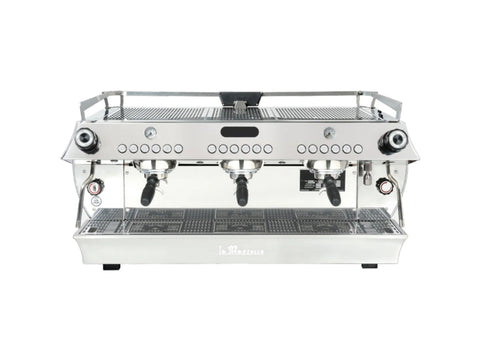
 La Marzocco GB5 X ABR Commercial Espresso Machine Stainless - Brand New (2-3 Group)
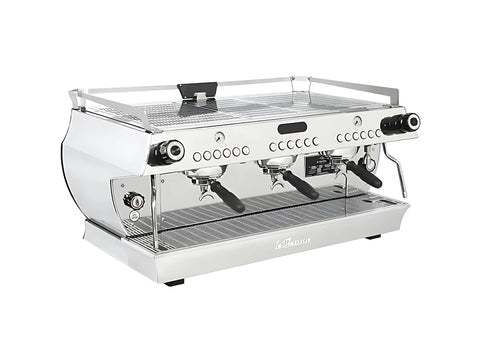
 La Marzocco GB5 X - 3 Group - Brand New
970(W) x 640(D) x 473(H)mm
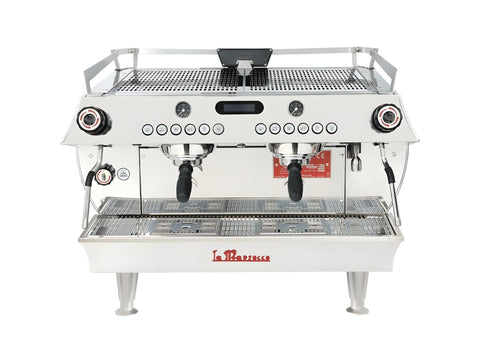
 La Marzocco GB5 S ABR Commercial Espresso Machine Stainless - Brand New (2 OR - 3 Group)
770(W) x 640(D) x 470(H)mm
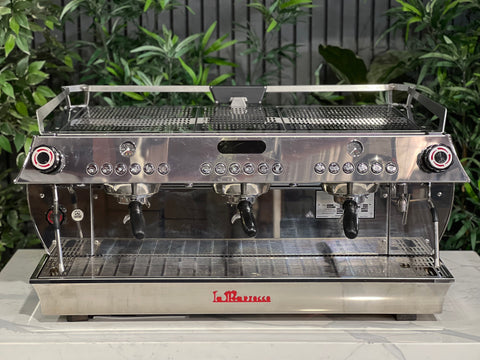
 La Marzocco GB5 S - 3 Group Commercial Espresso Machine Stainless- - Refurbished
950(W) x 622(D) x 475(H)mm
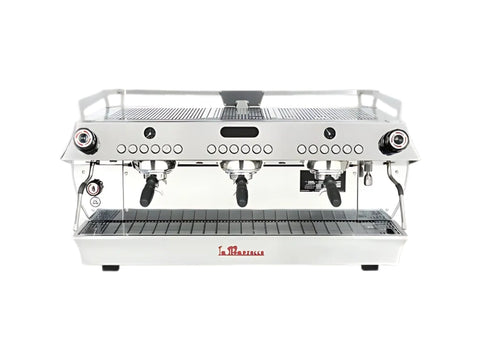
 La Marzocco GB5 S - 3 Group Commercial Espresso Machine Stainless - Brand New
970(W) x 640(D) x 470(H)mm
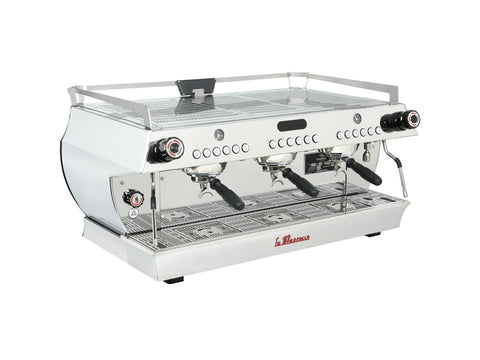
 La Marzocco GB5 S ABR - 3 Group Commercial Espresso Machine Stainless - Brand New
970(W) x 640(D) x 470(H)mm
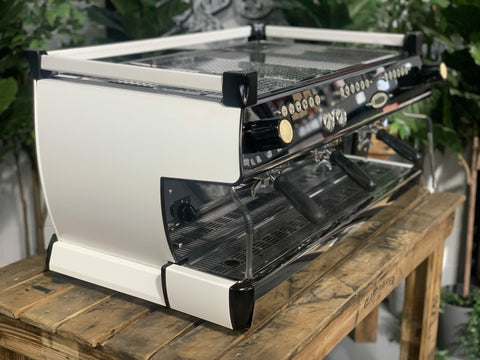
 La Marzocco GB5 - 3 Group White Black - Refurbished
622(W) x 950(D) x 475(H)mm
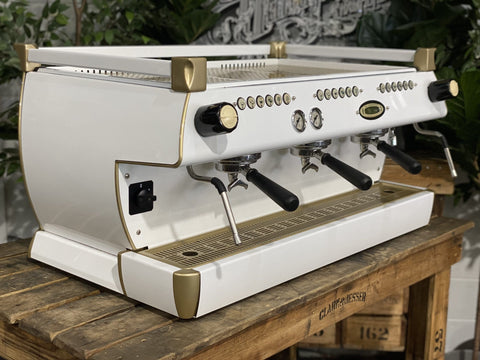
 La Marzocco GB5 - 3 Group White & Gold Commercial Espresso Machine - Refurbished
950(W) x 630(D) x 490(H)mm
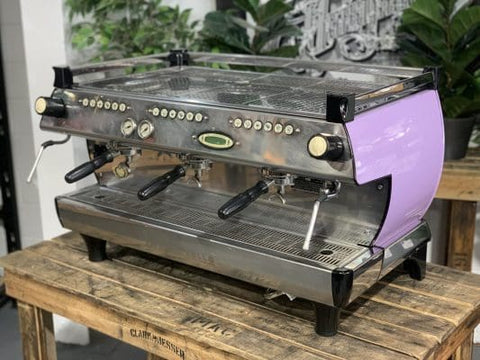
 La Marzocco GB5 - 3 Group Violet - Refurbished
622(W) x 950(D) x 475(H)mm
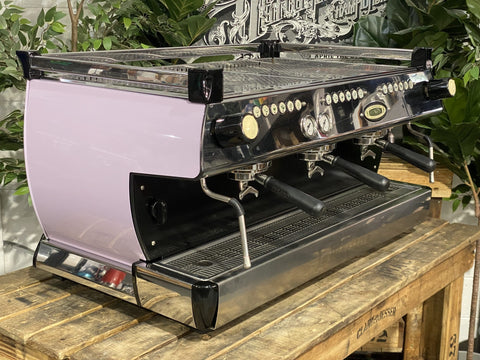
 La Marzocco GB5 - 3 Group Violet & Black Splashback - Refurbished
622(W) x 950(D) x 475(H)mm
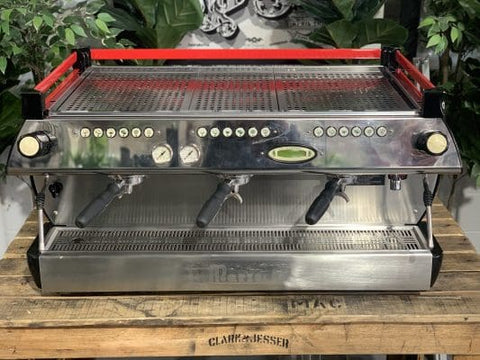
 La Marzocco GB5 - 3 Group Red - Refurbished
622(W) x 950(D) x 475(H)mm
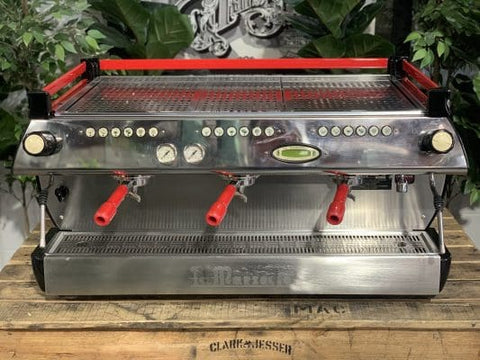
 La Marzocco GB5 - 3 Group Red & Red Handles - Refurbished
622(W) x 950(D) x 475(H)mm
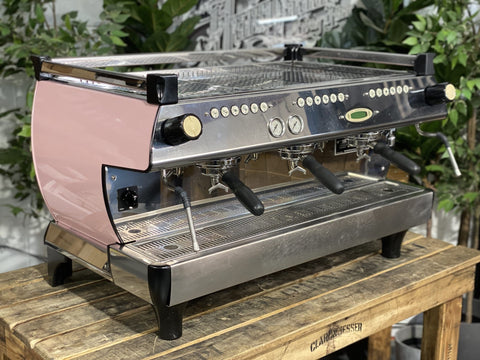
 La Marzocco GB5 - 3 Group Commercial Espresso Machine - Pink - Refurbished
622(W) x 950(D) x 475(H)mm
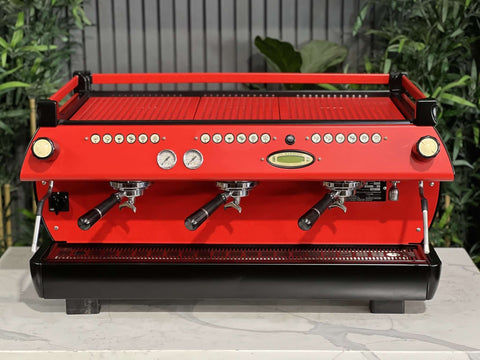
 La Marzocco GB5 - 3 Group Red & Black Commercial Espresso Machine - Refurbished
622(W) x 950(D) x 475(H)mm
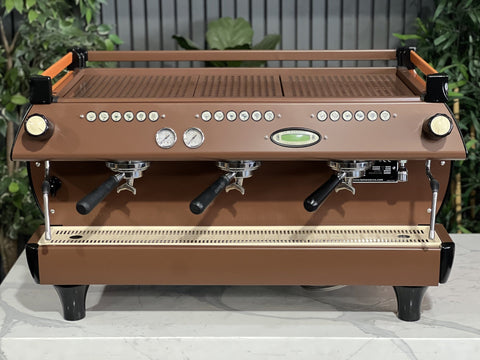
 La Marzocco GB5 - 3 Group Orange & Brown Commercial Espresso Machine - Refurbished
622(W) x 950(D) x 475(H)mm
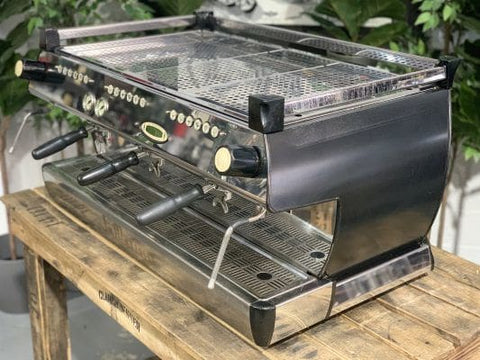
 La Marzocco GB5 - 3 Group Matte Black - Refurbished
622(W) x 950(D) x 475(H)mm
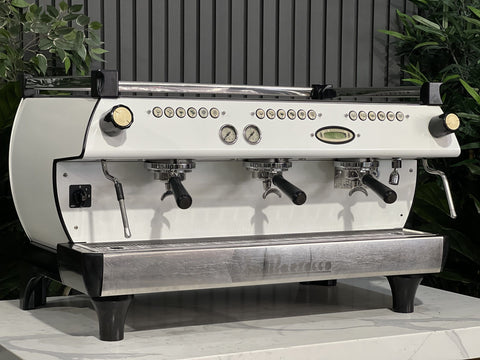
 La Marzocco GB5 - 3 Group High Feet Full White - Refurbished
950(W) x 630(D) x 490(H)mm
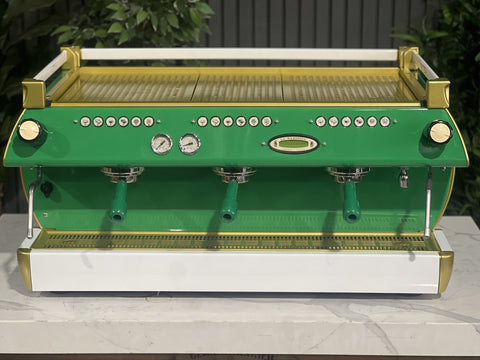
 La Marzocco GB5 - 3 Group Green, White & Gold
950(W) x 630(D) x 490(H)mm
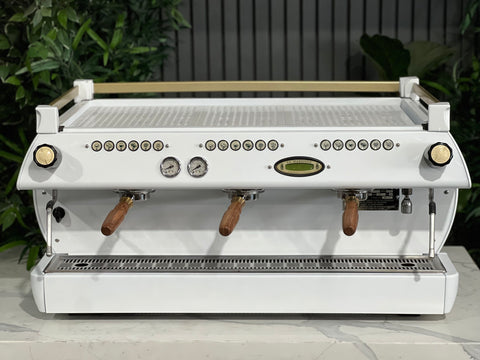
 La Marzocco Gb5 - 3 Group Commercial Espresso Machine - Espresso White & Gold - Refurbished
950(W) x 630(D) x 490(H)mm
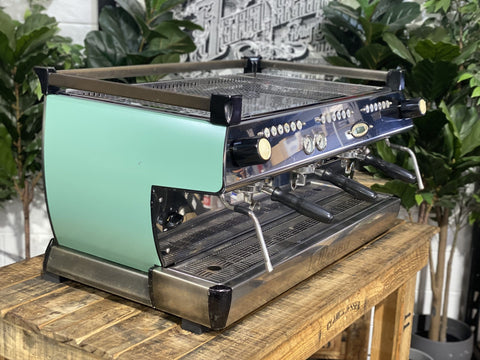
 La Marzocco GB5 - 3 Group Commercial Espresso Machine - Duck Egg Blue - Refurbished
950(W) x 630(D) x 490(H)mm
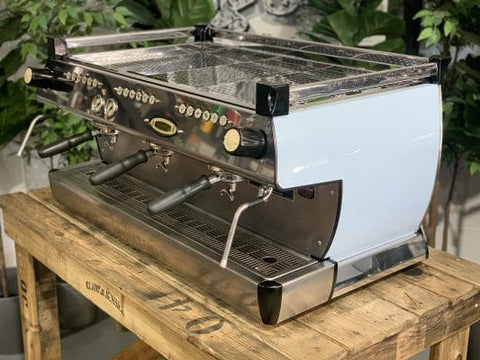
 La Marzocco GB5 - 3 Group Dusty Blue - Refurbished
622(W) x 950(D) x 475(H)mm
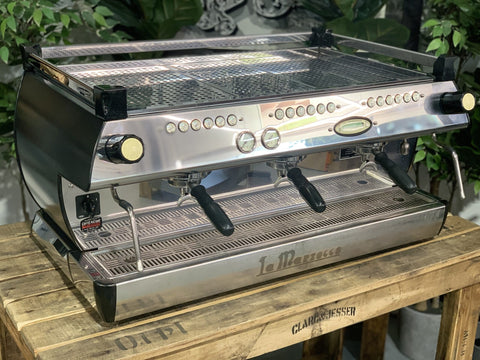
 La Marzocco GB5 - 3 Group Commercial Espresso Machine Black & Gold
950(W) x 622(D) x 475(H)mm
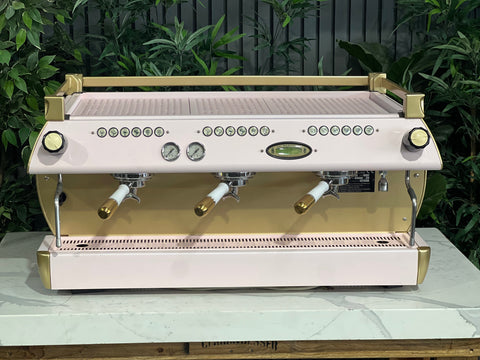
 La Marzocco GB5 - 3 Group Commercial Espresso Machine Pink & Gold
950(W) x 622(D) x 475(H)mm
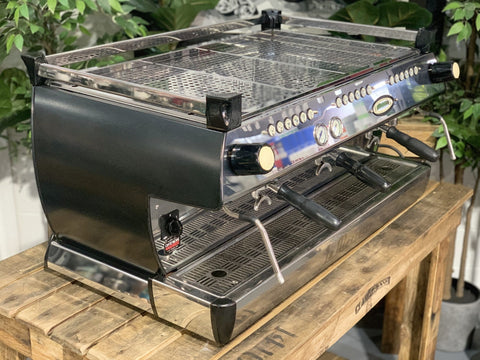
 La Marzocco GB5 - 3 Group Black with Gold Badge & Lions - Refurbished
622(W) x 950(D) x 475(H)mm
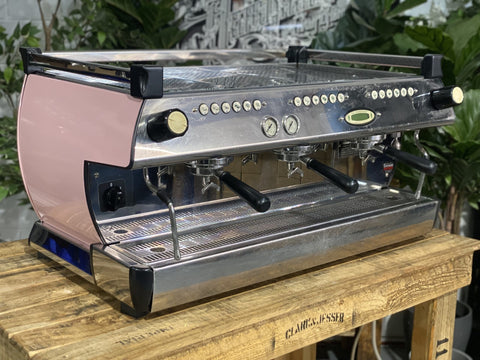
 La Marzocco GB5 - 3 Group Baby Pink - Refurbished
622(W) x 950(D) x 475(H)mm
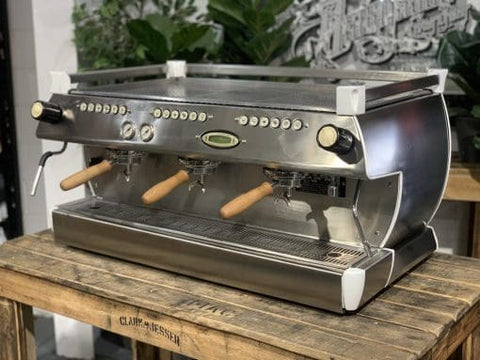
 La Marzocco GB5 - 3 Group Brushed Silver & Timber - Refurbished
622(W) x 950(D) x 475(H)mm
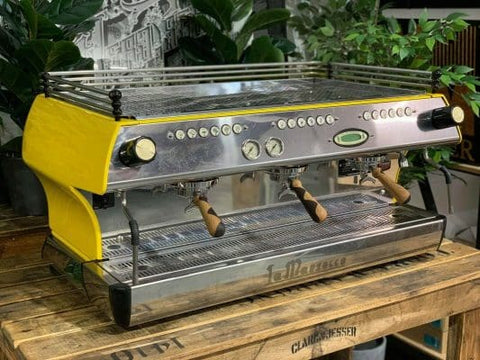
 La Marzocco FB80 - 3 Group Yellow w. Timber Handles - Refurbished
950(W) x 630(D) x 490(H)mm
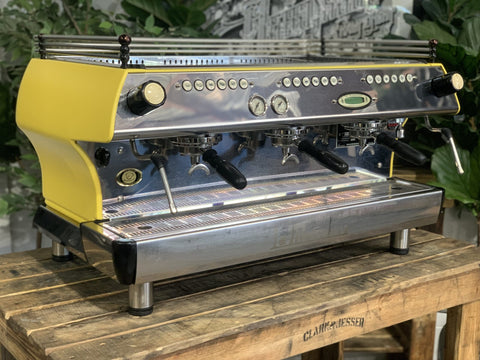
 La Marzocco FB80 - 3 Group Yellow - Refurbished
950(W) x 630(D) x 490(H)mm
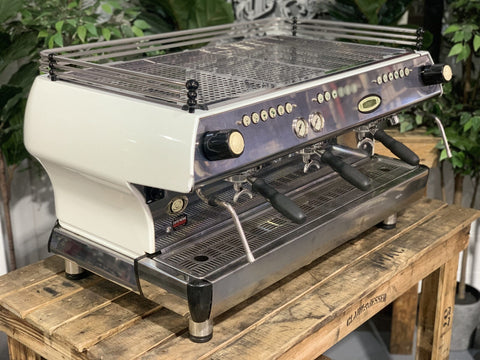
 La Marzocco FB80 - 3 Group White - Refurbished
950(W) x 630(D) x 490(H)mm
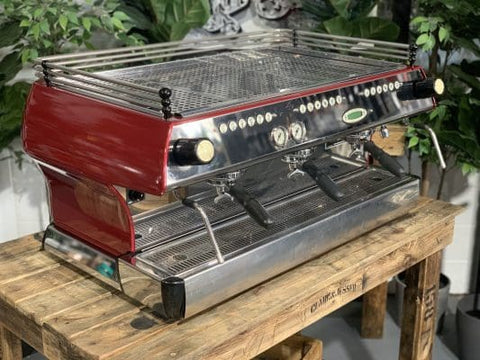
 La Marzocco FB80 - 3 Group Red - Refurbished
950(W) x 630(D) x 490(H)mm
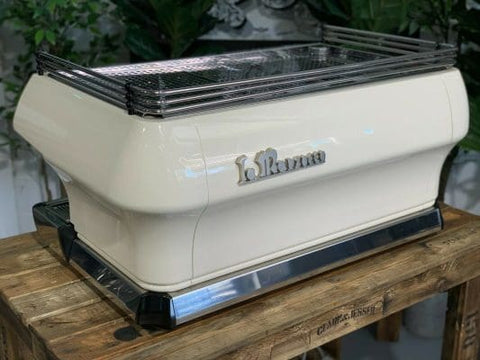
 La Marzocco FB80 - 3 Group Cream - Refurbished
950(W) x 630(D) x 490(H)mm
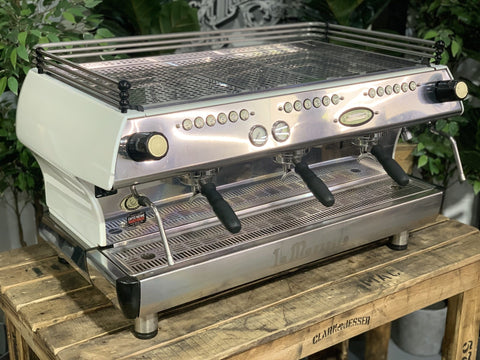
 La Marzocco FB80 - 3 Group Pearl White - Refurbished
950(W) x 630(D) x 490(H)mm
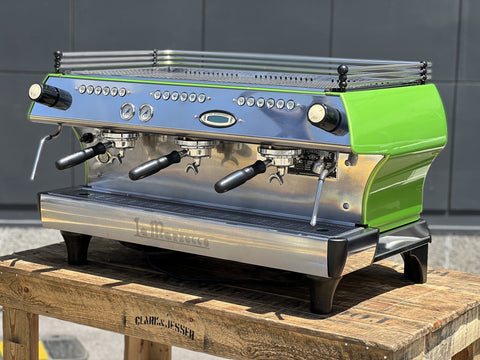
 La Marzocco FB80 - 3 Group Commercial Espresso Machine Green - Refurbished
950(W) x 630(D) x 490(H)mm
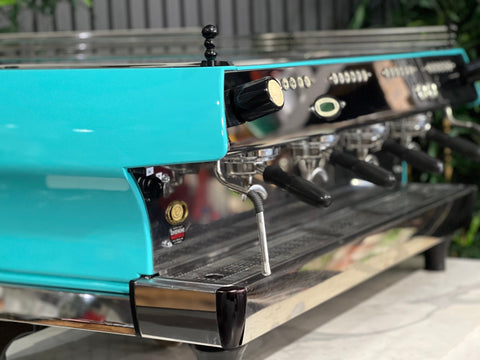
 La Marzocco FB80 - 3 Group Commercial Espresso Machine Aqua
1200(W) x 630(D) x 485(H)mm
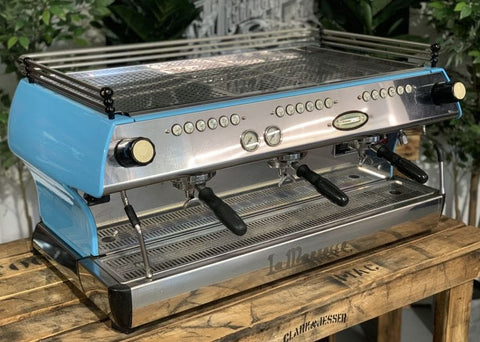
 La Marzocco FB80 - 3 Group Blue - Refurbished
950(W) x 630(D) x 490(H)mm
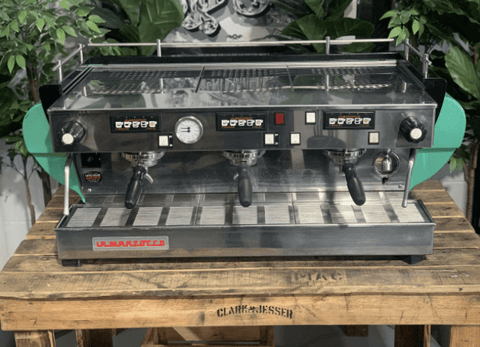
 La Marzocco FB70 - 3 Group Green - Refurbished
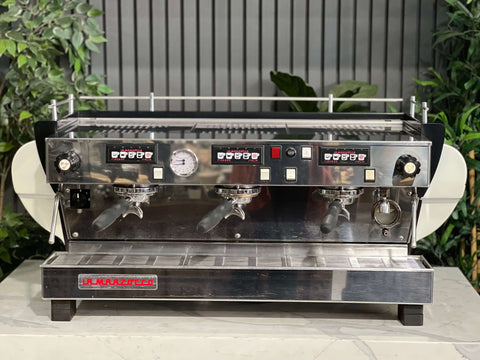
 La Marzocco Fb70 - 3 Group Commercial Espresso Machine - Espresso White - Refurbished
940(W) x 560(D) x 460(H)mm
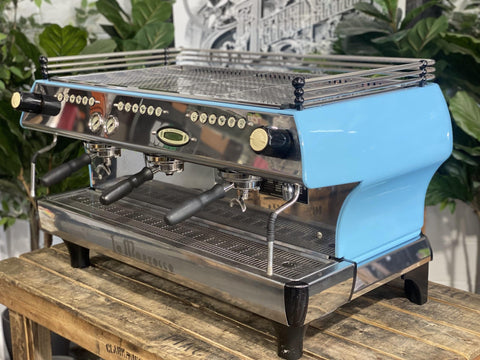
 La Marzocco FB80 - 3 Group Commercial Espresso Machine - Baby Blue - Refurbished
950(W) x 630(D) x 490(H)mm
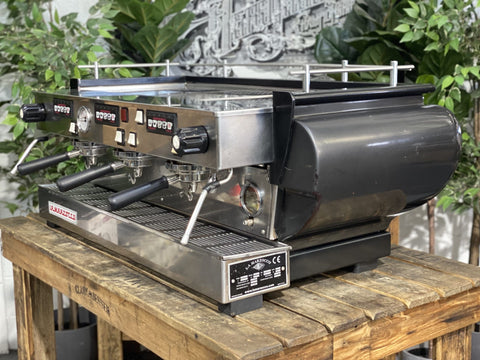
 La Marzocco FB70 - 3 Group Black - Refurbished
940(W) x 560(D) x 460(H)mm
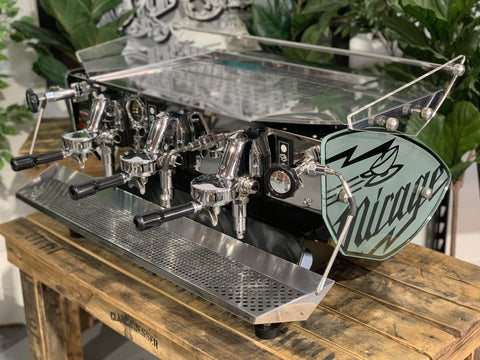

 Kees Van Der Western Mirage Triplette Mirage Sides - 3 Group - Refurbished
1100(W) x 670(D) x 520(H)mm
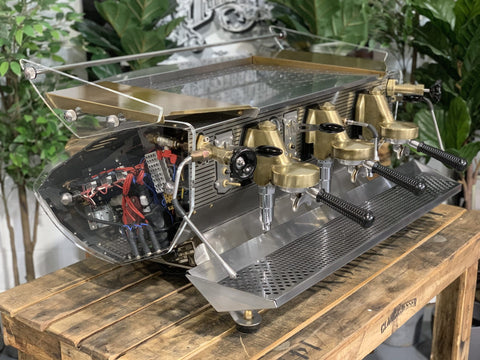
 Kees Van Der Western Mirage Triplett Steampunk Bastone - 3 Group - Refurbished
1100(W) x 670(D) x 520(H)mm
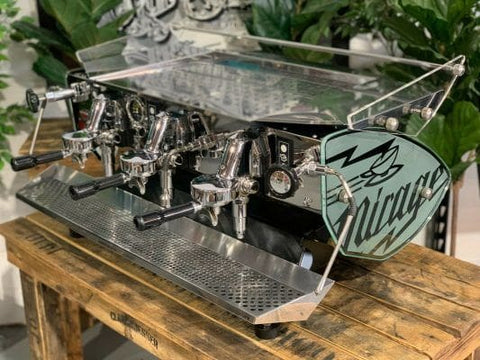
 Kees Van Der Westen Mirage Triplette - 3 Group Mirage Sides - Refurbished
1100(W) x 670(D) x 520(H)mm
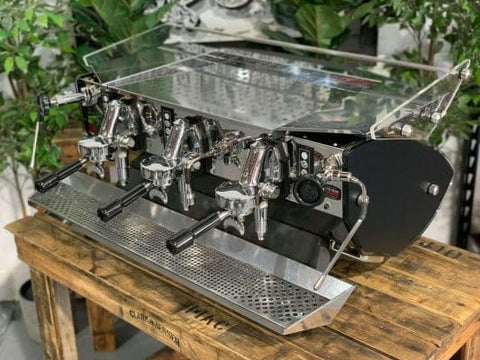
 Kees Van Der Westen Mirage Triplette - 3 Group Black Sides - Refurbished
1100(W) x 670(D) x 520(H)mm
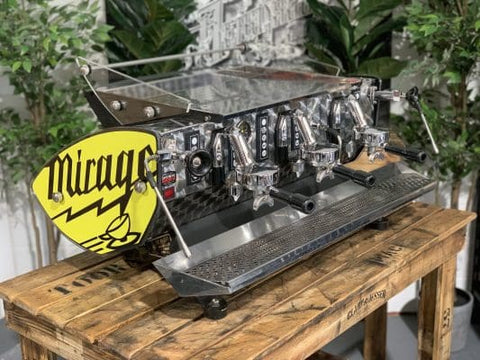
 Kees Van Der Westen Mirage Arte Veloce Triplette - 3 Group Yellow Sides - Refurbished
1100(W) x 670(D) x 520(H)mm
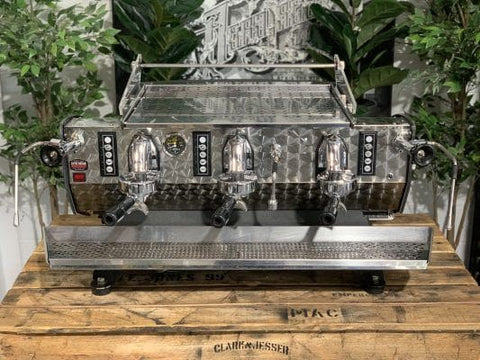
 Kees Van Der Westen Mirage Arte Veloce Triplette - 3 Group White Sides - Refurbished
1100(W) x 670(D) x 520(H)mm
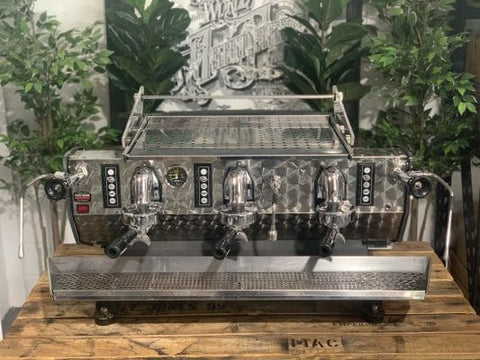
 Kees Van Der Westen Mirage Arte Veloce Triplette - 3 Group Red Sides - Refurbished
1100(W) x 670(D) x 520(H)mm

 Iberital IB7 - 3 Group Black - Brand New
460(W) x 508(D) x 870(H)mm
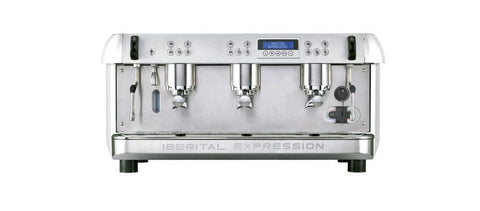
 Iberital - 3 Group White - Brand New
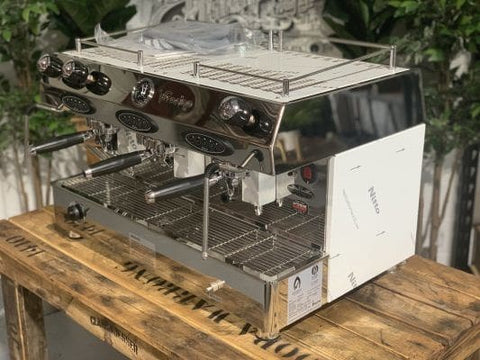

 Fracino Contempo Fuel - 3 Group - Brand New
785(W) x 500(D) x 575(H)mm

 Fiamma Quadrant - 3 Group Commercial Espresso Machine - Black - Brand New
960(W) x 600(D) x 595(H)mm
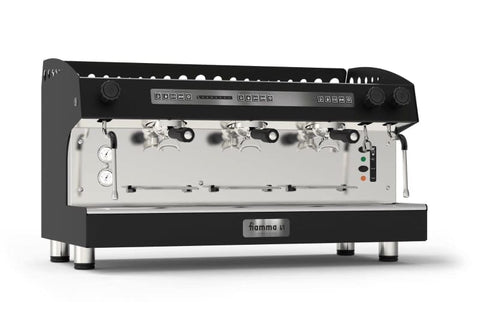
 Fiamma Caravel - 3 Group Commercial Espresso Machine - Black - Brand New
875(W) x 563(D) x 530(H)mm
Three groups is the size most cafes buy, by a wide margin, and hotels and function venues ask for it almost every time, because a breakfast service or a conference break doesn't arrive in an orderly line.
You don't need three baristas standing at the machine. The third group means the machine isn't what slows the bar down, so one group stays set up for decaf, one stays clear for tall takeaway cups, and you've still got capacity in hand when a bus pulls in or a function room empties all at once.
The extra group is only half of what you're paying for. A three group carries a bigger boiler and more steam capacity than a two group does, and that's what holds the brew temperature steady when both wands are going and three baskets are coming in and out. It's also a longer machine and a heavier supply, so check the bench and the power early.
We have Wega, La Marzocco, Bezzera, Synesso, San Remo and Expobar among other brands, new and fully refurbished. Below three groups, a 2 group is small for a cafe but efficient in capable hands, and above it a 4 group is for volume that genuinely never stops.
On two groups both groups are committed the moment the bar gets busy, so there's nowhere to put a decaf, nowhere to leave a group free for a tall cup, and nothing left over when four orders land together. A third group gives you somewhere to put all of that, and the machine stops being what limits the bar.
That headroom is why three groups is the standard for cafes and the default for hotels, pubs, clubs and function venues. A hotel breakfast has a shape no cafe ever sees, with a room full of guests arriving inside forty minutes and nearly all of it milk coffee, and function venues get the same pattern at every break. In those rooms three groups is the working minimum. For a cafe it means the bar handles the worst morning of the week rather than an average one.
No. One good barista runs a three group very well and gains from it every service, because the third group is staging rather than a third pair of hands. A group left with a decaf basket locked in, a group kept clear for tall takeaway cups, and a spare when one needs a flush or a gasket starts weeping in the middle of a rush.
It also changes what happens when you do put a second person on. Two people on a two group are competing for the same two groups and the same wands, while two on a three group have somewhere to work independently, and that's where the real throughput comes from. If a group ever has to be isolated for a service call, the bar keeps trading on the other two instead of the coffee shutting down for the day.
Running double baskets, three groups can have six shots extracting at once, and no bar turns that into finished drinks, so your practical ceiling is milk and hands, meaning how many jugs you texture and pour in the hour and how many people are pouring them.
The number that matters is the shape of your peak rather than the total. Two hundred coffees spread from seven until four is a very different machine to two hundred that land between eight and half past nine. Count the busiest sixty minutes you actually expect, count the milk drinks inside it, and count the staff you can roster into it. Three groups gives you room for two people on the bar plus headroom, and that's what most cafes are really buying.
Buy on your peak, and on how much room you want in reserve. A 2 group is small for a cafe but efficient in capable hands, so if your bench is tight, your trade is steady rather than spiky, or a good share of your menu is black coffee, two groups will do the job.
Three groups is the answer in four cases: a queue that's continuous through a defined peak, a milk heavy menu, more than one person on the bar, or decaf and tall cups you want handled without reshuffling the section every time. It's also the safer buy for a new venue where you're estimating rather than counting, because changing the machine after the bar is built means moving the plumbing, the power and the bench with it. Most cafes that start on two groups and grow end up here.
Price first, and ours are sharp on three group machines, new and refurbished. A well refurbished machine from a serious brand puts a better bench in front of you for the same money. A refurbished machine can have scratches or dents picked up in transit, in the kitchen it worked in, or in handling, and every unit is inspected, tested and verified in working condition before it is relisted for sale, with the warranty terms shown on each product page.
The second is finance. Silverchef Rent-Try-Buy lets you rent the machine instead of paying for it up front, so the cash stays in the rest of the fit-out. The rental payments are treated as an operating expense, and you can buy the machine out later or move up to a bigger model as the business grows. That matters on coffee, because owners often buy two groups to protect the opening budget and find the bar is short a year later.
When the peak is sustained rather than sharp, and when you've got three or more people permanently on the bar. That's a large hotel breakfast service, a stadium or event kiosk, a busy transport hub, or a venue feeding several function rooms off one bar, and in those places the fourth group is being used rather than held in reserve.
Anywhere else a 4 group is more bench, more supply and more machine to warm up and maintain than the trade justifies. Ask whether you could roster four people onto coffee during your peak, because if you can't, the fourth group won't be used. A lot of high volume venues get a better result out of two machines in two positions than out of one very long machine everyone has to crowd around.
Power, mains water, a waste point and bench. Confirm the power before you order rather than on delivery day, and ask us for the rating plate. Machines at this size commonly need more than a standard power point will carry, a lot of them want a dedicated circuit and some are three phase, so send the specification to your electrician and let them tell you what the site can supply.
Water comes in through a filter and out to a waste point, both within reach of where the machine will stand. Measure the whole station, because three groups usually means two or three grinders alongside it, tamping space, a knock box within a hand's reach of the group, and a landing area for the finished drinks. Leave clearance behind for the lines to turn without kinking and so a technician can pull the machine forward.
Steam capacity and recovery, ahead of everything else. Hotel breakfast and conference breaks are almost all milk coffee delivered in a tight window, so the boiler is under continuous demand rather than intermittent load. Ask about boiler size, and about how the machine holds pressure with all three wands working, because that's where a machine sized for a quiet cafe will let you down in a function room.
Then have a look at automation. Volumetric dosing counts the water through a flow meter and cuts each button off at a set volume, which matters when the person on the bar changes shift to shift and the venue is working to one recipe. Think about where the machine stands, too. A venue serving both a restaurant and a function floor often does better with a three group on the main bar and a bean to cup machine upstairs.
Grinders, and more than one. Most three group bars run a house blend and a decaf at minimum, and busy venues add a third for a single origin, so plan the bench for two or three grinders from the start. Burr size and motor matter at this volume, because a small grinder in front of a three group will run hot and hold the whole bar up. Our commercial coffee grinders go up to full cafe machines.
Then a tamper sized to your baskets, milk jugs in at least two sizes and enough of them to keep a rotation going, a knock box, a jug rinser if the plumbing allows it, blind baskets and a group brush for backflushing, and a proper espresso machine detergent. Order the water filter and a spare cartridge at the same time as the machine.
Yes, on a refurbished machine. The panels come off during refurbishment, so that's the point where the colour becomes a real choice rather than whatever the factory offers, and on a three group that's a fair-sized piece of the room, especially if it's sitting under lights in the middle of the floor. New machines come in the manufacturer's finishes.
Contact our team early, because the model and the finish need to be decided together.
Wear items go first, and they wear faster here because the groups are working harder. Group gaskets harden with heat and start to weep around the portafilter, shower screens block with fines, and steam wand tips block up if a wand isn't purged and wiped every time it touches milk. Those are all cheap consumables on a service schedule rather than breakdowns, and a venue at this volume should be servicing on a calendar rather than waiting for symptoms.
Scale from unfiltered water kills boilers, elements and solenoids, and it's a maintenance failure rather than a manufacturing fault, so filter the supply from installation and change the cartridge on schedule. Grinder burrs dull over tonnes of coffee, and shots that run fast and taste thin however you adjust the grind mean worn burrs rather than bad beans. Budget for replacement burrs as a running cost.

We have a special page just for stock that's warehoused in Perth.
Click Here to see all WA stock