


 03 9070 5784
 Help & Support
 Track My Order



Recently Viewed
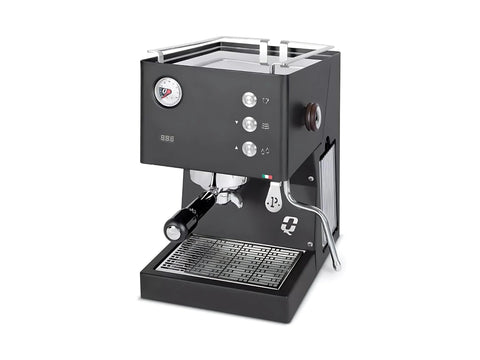

 Quick Mill Pop Up - 1 Group Commercial Espresso Machine - Brand New
255(W) x 382(D) x 333(H)mm


 Wega Atlas EVD - - 1 Group Commercial Espresso Machine - Commercial - Black
530(W) x 520(D) x 540(H)mm


 Victoria Arduino Eagle One Prima - - 1 Group Commercial Espresso Machine - Commercial - White
410(W) x 500(D) x 380(H)mm

 Victoria Arduino Eagle One Prima - - 1 Group Commercial Espresso Machine - Commercial - Black
410(W) x 500(D) x 380(H)mm


 Slayer Steam Single - - 1 Group Commercial Espresso Machine - Commercial - Black & Aluminium
450(W) x 640(D) x 430(H)mm
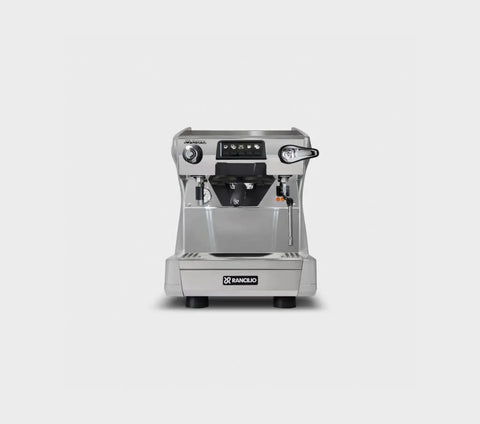

 Rancilio Classe 5 USB Tall - - 1 Group Commercial Espresso Machine - Commercial - Stone Grey
410(W) x 539(D) x 519(H)mm
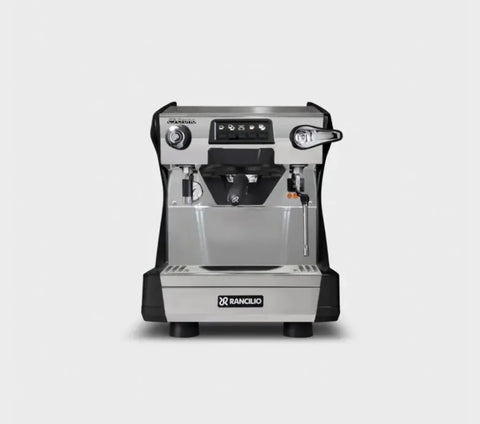
 Rancilio Classe 5 USB Tall - - 1 Group Commercial Espresso Machine - Commercial - Anthracite Black
410(W) x 539(D) x 519(H)mm
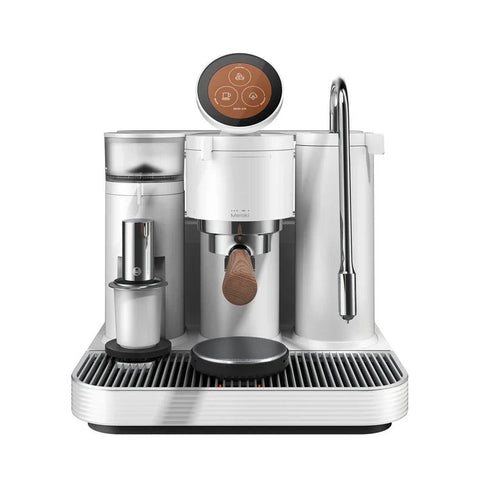

 Meraki Gen 2 with Integrated Grinder - - 1 Group Commercial Espresso Machine - Commercial - White
370(W) x 370(D) x 415(H)mm
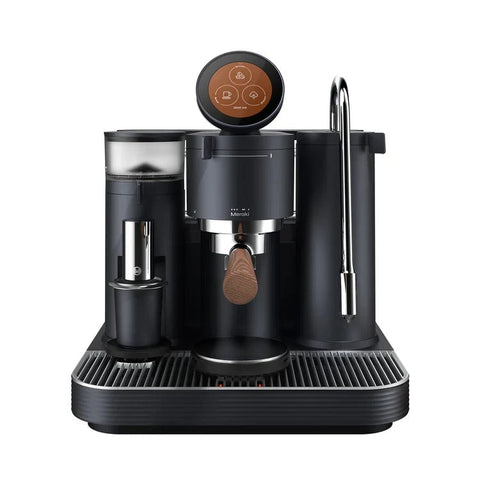
 Meraki Gen 2 with Integrated Grinder - - 1 Group Commercial Espresso Machine - Commercial - Black
370(W) x 370(D) x 415(H)mm

 La Pavoni Cellini EVO V2 - - 1 Group Commercial Espresso Machine - Commercial - Black
295(W) x 430(D) x 380(H)mm
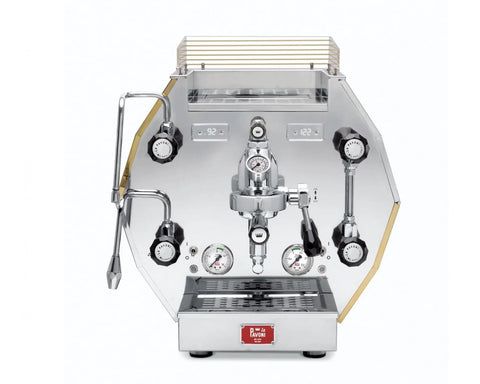
 La Pavoni Diamantina - - 1 Group Commercial Espresso Machine - Commercial - Stainless & Gold
510(W) x 500(D) x 540(H)mm
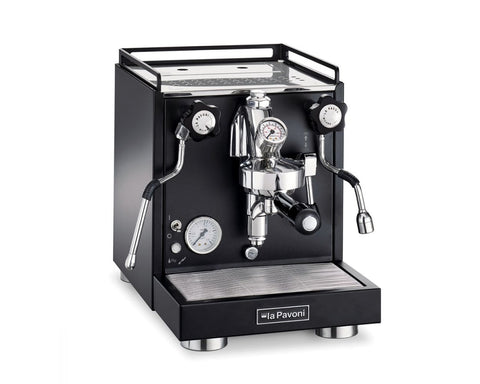
 La Pavoni Cellini Classic - - 1 Group Commercial Espresso Machine - Commercial - Black
300(W) x 430(D) x 395(H)mm

 Izzo VIVI PID - - 1 Group Commercial Espresso Machine - Commercial - Stainless Steel
290(W) x 410(D) x 350(H)mm
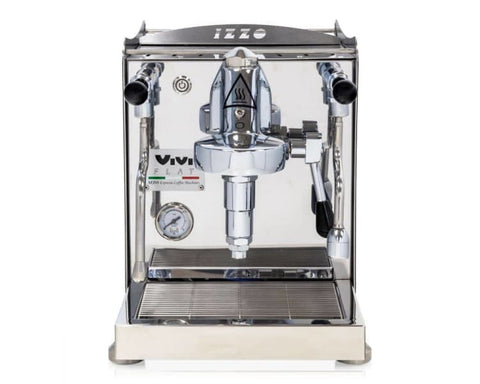
 Izzo Vivi Flat - - 1 Group Commercial Espresso Machine - Commercial - Stainless
310(W) x 430(D) x 390(H)mm
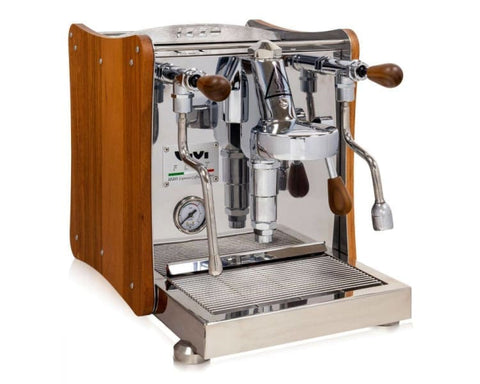
 Izzo Vivi Flat - - 1 Group Commercial Espresso Machine - Commercial - Timber Trim
310(W) x 430(D) x 390(H)mm
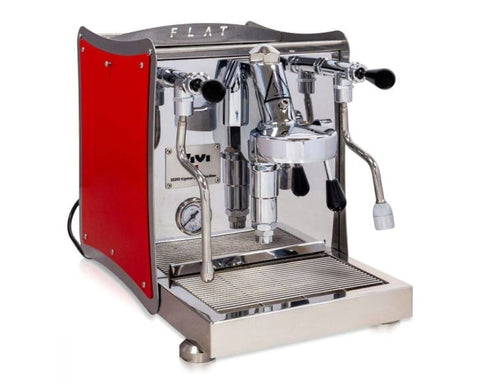
 Izzo Vivi Flat - - 1 Group Commercial Espresso Machine - Commercial - Red
310(W) x 430(D) x 390(H)mm

 Expobar Office Ruggero Classic Leva Plumbed In - - 1 Group Commercial Espresso Machine - Commercial
260(W) x 450(D) x 380(H)mm
 Expobar Office Ruggero Classic Barista Minore Tank - - 1 Group Commercial Espresso Machine - Commercial
260(W) x 460(D) x 400(H)mm

 Essenza Raphael - - 1 Group Commercial Espresso Machine - Commercial - Stainless
297(W) x 487(D) x 397(H)mm
 Expobar Office Ruggero Classic Barista Minore Plumbed In - - 1 Group Commercial Espresso Machine - Commercial
260(W) x 460(D) x 400(H)mm
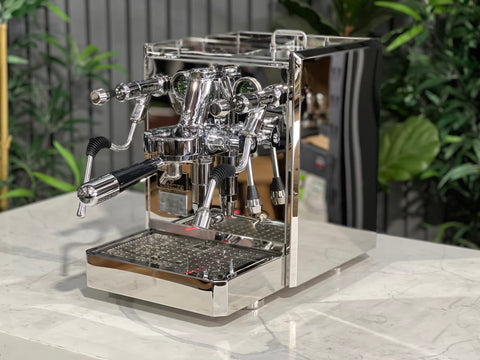
 Essenza Modena - - 1 Group Commercial Espresso Machine - Commercial - Stainless
286(W) x 465(D) x 376(H)mm

 El Rocio Manus S by Pesado - - 1 Group Commercial Espresso Machine - Commercial - White
270(W) x 486(D) x 412(H)mm
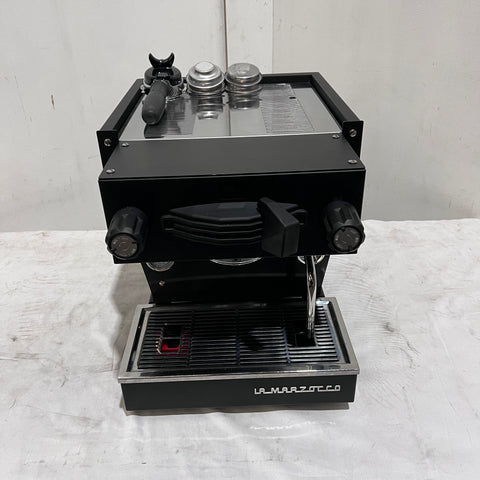

 La Marzocco Linea Mini Coffee Machine - 910786
360W x 540D x 381Hmm
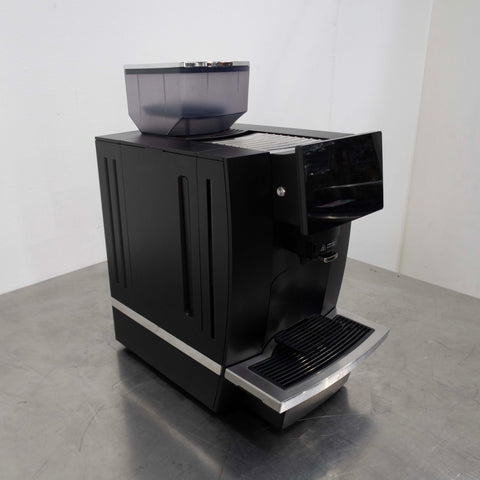

 Kalerm K95 Coffee Machine - 831356
305W x 540D x 580Hmm
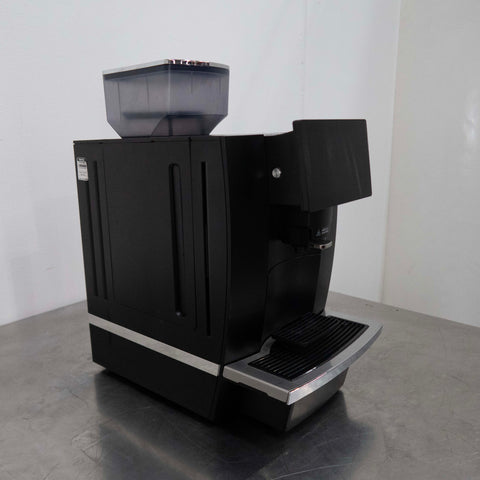
 Kalerm K95 Coffee Machine - 832768
350W x 490D x 580Hmm
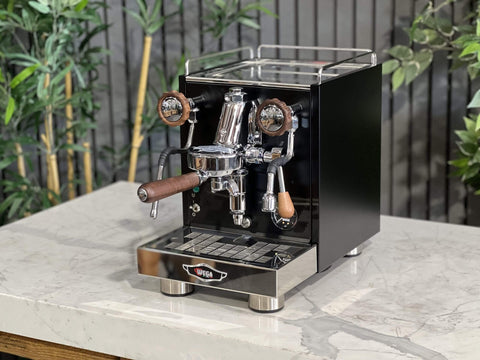
 Wega W Mini - 1 Group Black & Timber - Brand New
274(W) x 425(D) x 360(H)mm
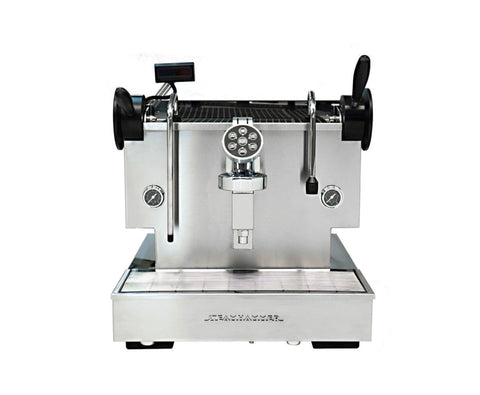

 Xlvi Steamhammer Electronica - 1 Group Stainless Steel - Brand New
570(W) x 490(D) x 600(H)mm
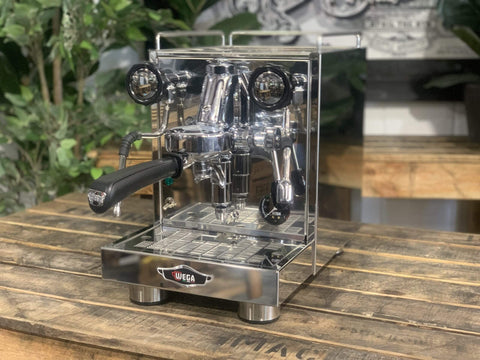
 Wega W Mini - 1 Group Stainless - Brand New
274(W) x 425(D) x 360(H)mm
 Wega Pegaso EVD - 1 Group Commercial Espresso Machine White - Brand New
530(W) x 555(D) x 515(H)mm
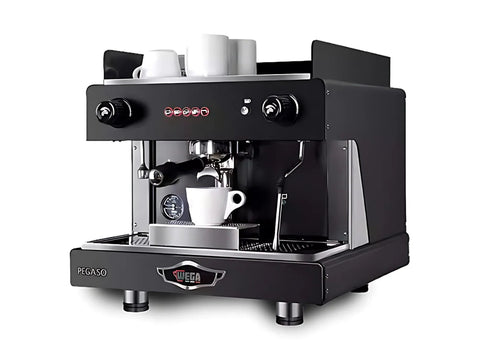
 Wega Pegaso EVD - 1 Group Commercial Espresso Machine - Brand New
530(W) x 555(D) x 515(H)mm
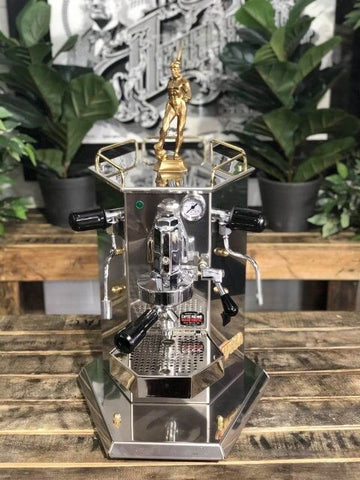
 Wega Novecento - 1 Group - Brand New
440(W) x 380(D) x 650(H)mm
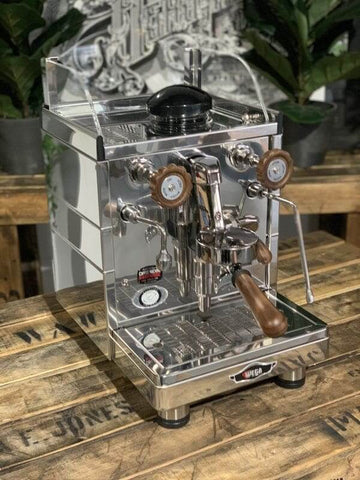
 Wega Mini Nova Classic - 1 Group - Brand New
330(W) x 450(D) x 420(H)mm
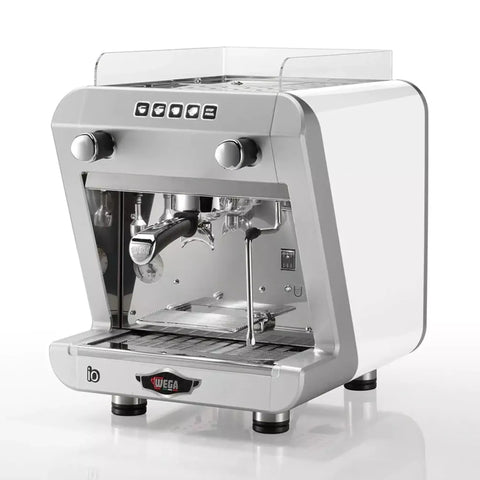
 Wega IO EVD Rotary Pump - 1 Group White - Brand New
525(W) x 390(D) x 511(H)mm
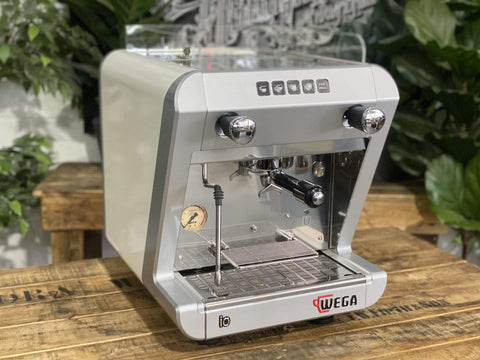
 Wega IO - 1 Group Grey - Brand New
395(W) x 525(D) x 511(H)mm
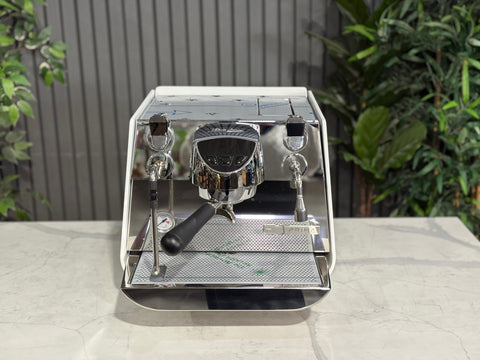
 Victoria Arduino Eagle One Prima - 1 Group Commercial Espresso Machine White - Brand New
410(W) x 500(D) x 380(H)mm
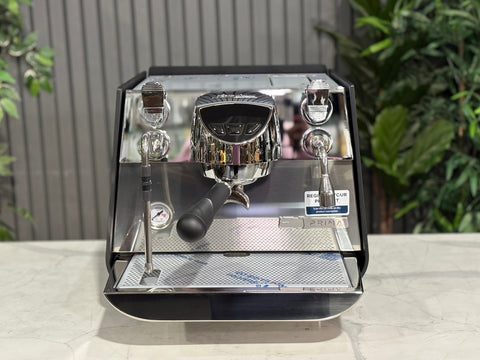
 Victoria Arduino Eagle One Prima - 1 Group Commercial Espresso Machine Black - Brand New
410(W) x 500(D) x 380(H)mm
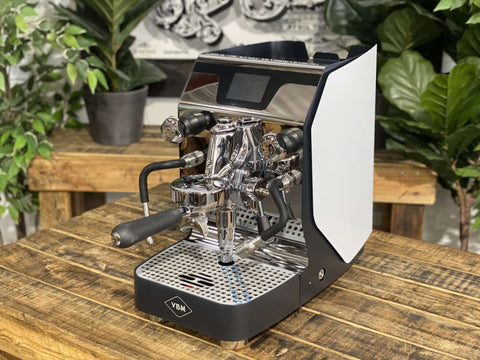

 Vibiemme Domobar Super Digital - 1 Group - Brand New
250(W) x 420(D) x 470(H)mm
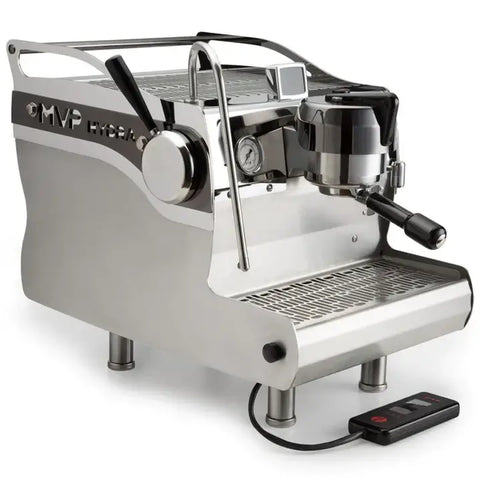

 Synesso MVP Hydra - 1 Group Stainless - Brand New
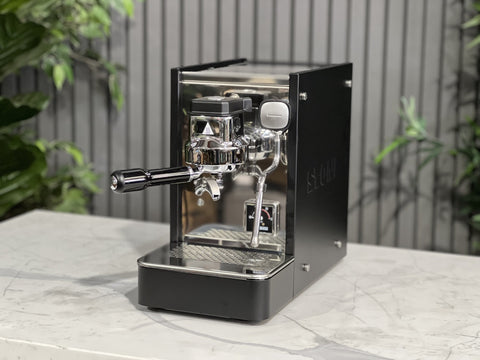

 Stone Lite - 1 Group Black - Brand New
290(W) x 440(D) x 400(H)mm
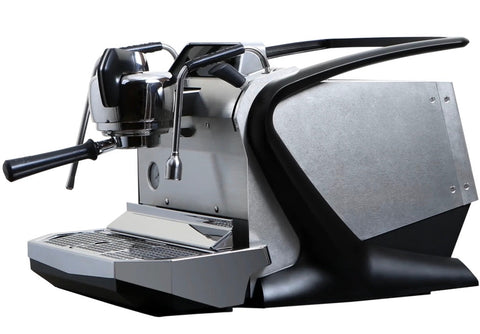
 Slayer Steam Single - 1 Group Commercial Espresso Machine Black And Aluminium - Brand New
450(W) x 640(D) x 430(H)mm
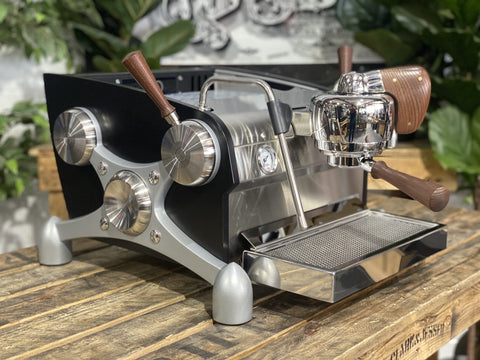
 Slayer Espresso V3 - 1 Group Brand Black - Brand New
617(W) x 460(D) x 340(H)mm
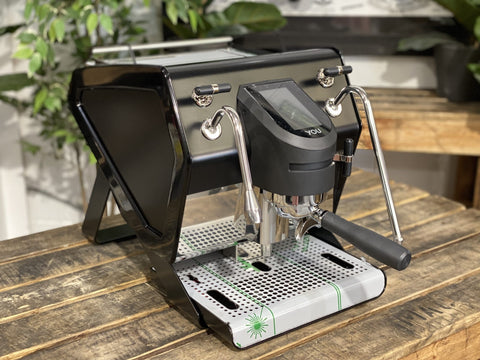

 San Remo You - 1 Group Black - Brand New
890(W) x 590(D) x 510(H)mm
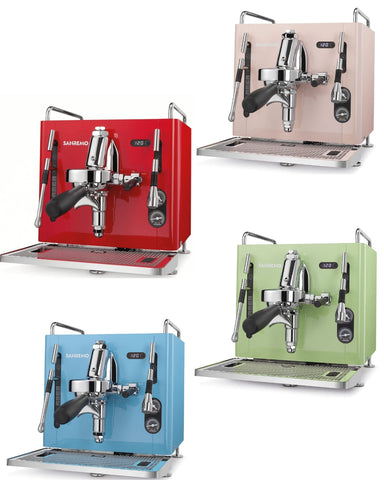
 San Remo Cube - 1 Group - Brand New
323(W) x 465(D) x 369(H)mm
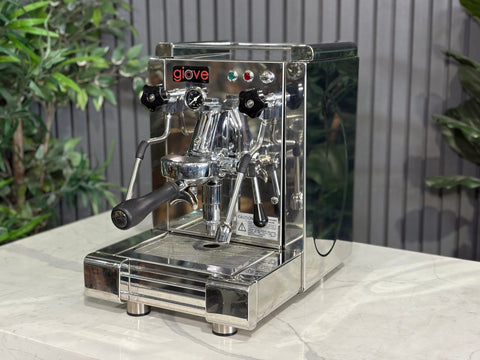

 Royal First Giove - 1 Group Commercial Espresso Machine Stainless - Refurbished
306(W) x 421(D) x 440(H)mm
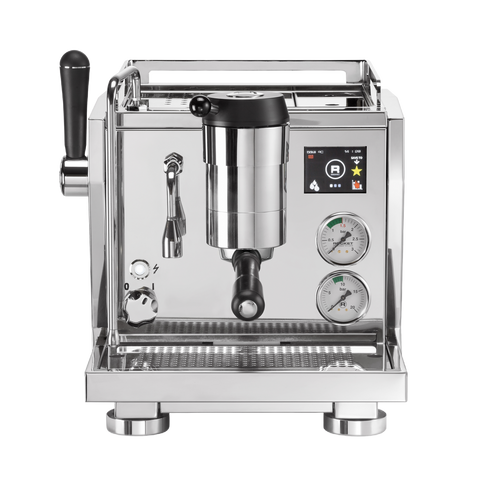

 Rocket R Nine One - 1 Group Commercial Espresso Machine Stainless Steel - Brand New
420(W) x 500(D) x 430(H)mm
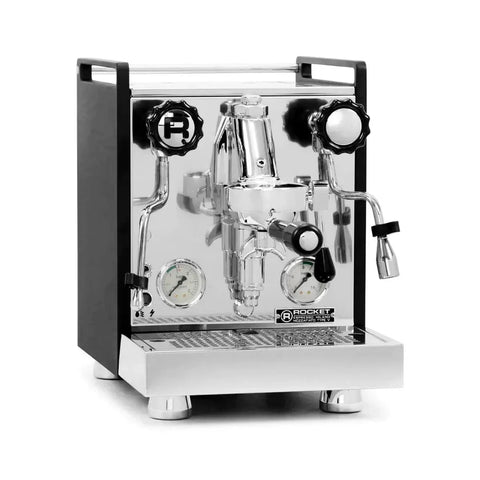
 Rocket Mozzafiato Cronometro V - 1 Group Commercial Espresso Machine Black - Brand New
280(W) x 425(D) x 400(H)mm
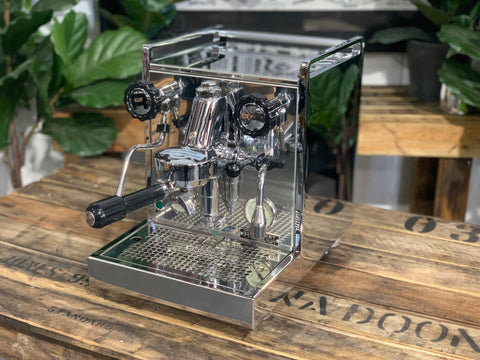
 Rocket Mozzafiato Cronometro V - 1 Group Commercial Espresso Machine - Brand New
280(W) x 425(D) x 400(H)mm
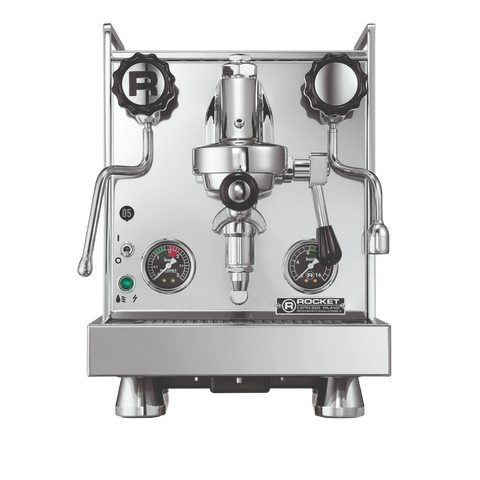
 Rocket Mozzafiato Cronometro R - 1 Group Commercial Espresso Machine Stainless Steel - Brand New
280(W) x 425(D) x 400(H)mm
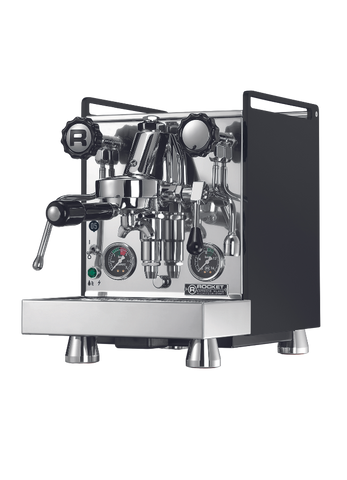
 Rocket Mozzafiato Cronometro R - 1 Group Commercial Espresso Machine Black
280(W) x 425(D) x 400(H)mm
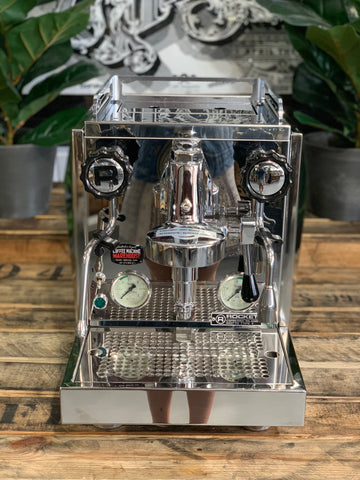
 Rocket Giotto Cronometro V - 1 Group Commercial Espresso Machine Stainless - Brand New
335(W) x 420(D) x 400(H)mm
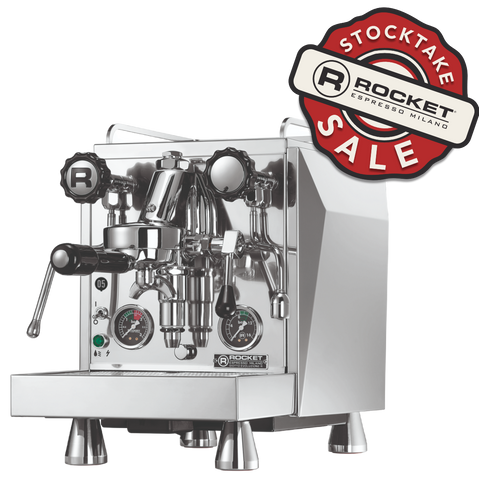
 Rocket Giotto Cronometro R - 1 Group Commercial Espresso Machine Stainless - Brand New
335(W) x 420(D) x 400(H)mm
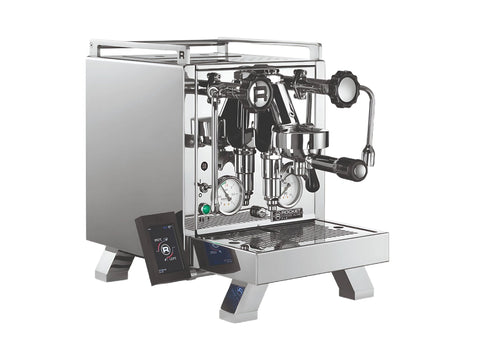
 Rocket Cinquantotto R58 - 1 Group Commercial Espresso Machine Stainless - Brand New
310(W) x 440(D) x 385(H)mm
One group machines go into two very different rooms. On the trade side that's dessert bars, wine bars, restaurants pouring espresso after service, small suburban cafes with one person on bar, offices, showrooms, coffee carts and catering vans.
The rest go home, to coffee enthusiasts and home baristas who've decided a domestic machine isn't enough any more and who want a full size group head, a real portafilter and proper steam pressure. Both buyers are looking at the same machines, from Rocket, Wega, Victoria Arduino, Slayer, Synesso, San Remo, Rancilio, Iberital, Astoria, Vibiemme and Fiamma.
At this size we recommend a twin boiler model. On a single boiler machine the same water does the brewing and the steaming, so the boiler has to climb to steam temperature after you've pulled the shot and then settle back down before the next one is any good, and you wait at both ends of every milk drink.
A twin boiler holds the brew water and the steam water separately, so you can texture milk while the shot runs and there's no wait for steam after pulling a shot. On one group every drink is made start to finish before the next one begins, so that wait is most of the difference. We have single boiler, heat exchanger and twin boiler models, tank fed and plumbed, new and refurbished.
Small venues and home baristas, in roughly equal numbers. The trade buyers are places where coffee matters but isn't the whole business, so that's a dessert bar, a restaurant pouring after mains, a wine bar, a showroom, a small cafe with one person on bar, or a coffee cart or catering van that needs proper espresso out of a small footprint.
The other half are buying for a home kitchen. Coffee enthusiasts and home baristas go commercial because a domestic machine won't give them a full size group head, a 58mm portafilter or real steam pressure, and it won't hold temperature well enough to pull the same shot twice. Commercial machines are also built out of parts a technician can get hold of and replace, which a sealed domestic machine isn't. If that's you, you're looking at the same machines a small cafe is and the same advice applies.
A twin boiler if you can stretch to it, and that's the advice we give most often at this size. A single boiler machine uses one body of water for brewing and steaming, so after you pull a shot the boiler climbs to steam temperature and then has to come back down before the next shot is any good. On a machine that's making one drink at a time, that wait lands on every milk coffee you make.
A heat exchanger is in between, with one boiler of steam water and the brew water drawn through it, so steam is always ready. The trade-off is that brew water standing still while the machine idles gets too hot, and the group needs a flush after a lull. A twin boiler removes both problems, because you texture while the shot runs, the brew temperature stays where you put it, and nothing waits on the boiler.
Think in orders across your busiest hour rather than cups across the day. With one group and one person, each drink runs start to finish before the next one begins, and on milk coffee the steam wand is the bottleneck long before the group is. A capable barista on a twin boiler one group will handle a steady stream comfortably, and texturing one bigger jug and splitting it across the cups in the same order lifts that further.
What one group can't absorb is a crowd arriving together. Twenty people through the door at once turns into a visible queue, and no amount of technique fixes it, so if your trade comes in bursts you need a second group. A 2 group machine lets you lock in on one group while the other one pours, and that overlap is where the extra capacity comes from.
Plenty of people do, and it works well as long as you check the power and the water. Ask us for the rating plate, because some machines run off a standard socket and some want their own circuit, and a kitchen already running an oven and a kettle isn't a blank canvas. A lot of one group machines are tank fed from a reservoir, which is what makes them work where there's no plumbing under the bench, while others plumb into mains through a filter.
A commercial boiler takes a while to reach temperature and hold it, so a home machine goes on well before you want coffee, or sits on a timer. These machines are built to stay switched on all day. Use filtered water at home as well, because scale builds up the same on a machine doing a few coffees a day.
A one group is the cheapest way onto a proper commercial group head, and our prices are sharp on both new and refurbished machines. A refurbished machine can have scratches or dents picked up in transit, in the kitchen it worked in, or in handling. Every unit is inspected, tested and verified in working condition before it is relisted for sale, and the warranty terms are shown on each product page.
If you're buying for a venue, Silverchef Rent-Try-Buy lets you rent the machine instead of buying it outright, so your cash stays in the rest of the fit-out. The rental payments are treated as an operating expense, and you can buy the machine out later or move up to a bigger model as the business grows. That matters at this size, because a one group is often somebody's first machine and plenty of venues that start here are ready for two groups inside a year or two.
Measure the whole station, not just the machine. You've got the machine, the grinder beside it, and a knock box the barista can reach without turning around, then flat space to tamp and a landing area so finished drinks aren't being handed over the top of the group. A good on-demand grinder is often as wide as a compact one group machine and taller once the hopper is on, so plan the two of them together.
Check the depth as well as the width. You need clearance behind for the water and waste lines to turn without kinking, and room to pull the machine forward for service without taking the bar apart. Check the height too if it's sitting under a shelf, because the cup rail on top is only useful if there's room for cups to stand on it.
We have both, and they suit different sites. A plumbed machine connects to mains through a filter and drains to a waste point, which is what you want on a permanent bench, since there's no refilling, no emptying, and the same water quality every day. It does mean a water point and a waste point have to be in place before delivery.
A tank fed machine carries its own reservoir and gets filled by hand, and that's what makes one group machines usable in coffee carts, at market stalls, in event catering, in offices and in home kitchens with no plumbing near the counter. Somebody has to fill it and empty the drip tray, though, and the water quality is whatever you pour in, so use filtered water. Check which way a model works before you buy, because the pump type varies with it.
Buy a good on-demand grinder. At one group volumes the grinder is doing more for the coffee than the machine is, and an on-demand grinder dosing to time or weight straight into the basket will give you far more consistency than a doser grinder with ground coffee going stale in the chamber. Grind fresh, per basket, every time.
Match the hopper to your turnover rather than buying the biggest one available, because beans sitting in a hopper for a fortnight go flat. If you serve decaf in any quantity, a second grinder beats swapping beans and purging, which wastes coffee and time on every changeover. Our commercial coffee grinders run from compact on-demand models right up to full cafe grinders.
When the queue stops clearing. Before that point there's room to buy yourself some time. Take the whole order before you start, texture one jug for the table, keep the grinder dosing while a shot runs, and get the cups ready during extraction. Batching the milk that way is the biggest single gain there is on a one group bar.
If you're already doing all of that and people are still waiting, the machine is the limit. Two groups gives one barista overlapping work and somewhere for a second person to stand. If the queue is continuous through a defined peak, or you're feeding a hotel breakfast or a function room, most venues go straight to a 3 group, which is the size the majority of cafes end up buying anyway.
The cleaning routine slipping, which happens more on a quiet machine than a busy one. The routine is the same whatever the volume. Backflush the group with detergent at close, wipe and purge the steam wand every time it touches milk, soak the baskets and the portafilter, and empty the drip tray.
Two faults usually follow when that slips. One is a wand blocked solid with dried milk, which begins as poor texturing and ends as no steam. The other is scale in the boiler wherever the water isn't filtered. Group seals harden and weep around the portafilter over time as well, which is normal wear and a cheap part. On a machine that sits idle most of the day, flush the group before the first shot after a lull, or that shot will taste harsh and thin.

We have a special page just for stock that's warehoused in Perth.
Click Here to see all WA stockWhat our customers say about us on Google, and how Google scores our store for things like shipping and returns.
Store scores from Google