


 03 9070 5784
 Help & Support
 Track My Order



Recently Viewed
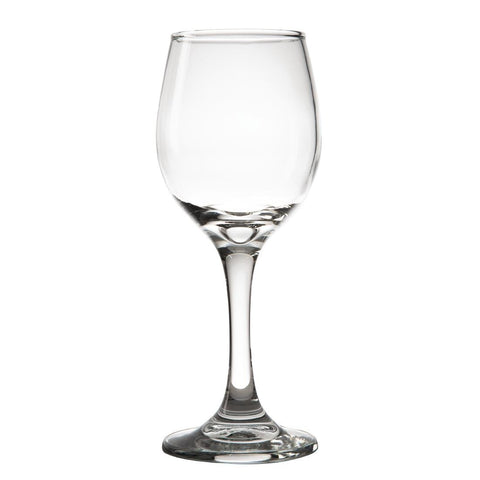

 Olympia Solar Wine Glasses 245ml (24 Pack) - CU001
74(W) x 183(H) x 74(D)mm

 Olympia Cordoba Flute 210ml 7 1/4oz (6 Pack) - FB554
60(W) x 229(H) x 60(D)mm
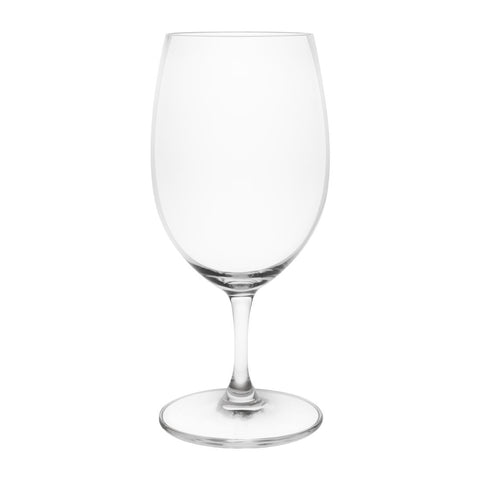
 Olympia Novello Crystal Stemmed Water Glasses 365ml (6 pack) - HW654
77(W) x 171(H) x 77(D)mm
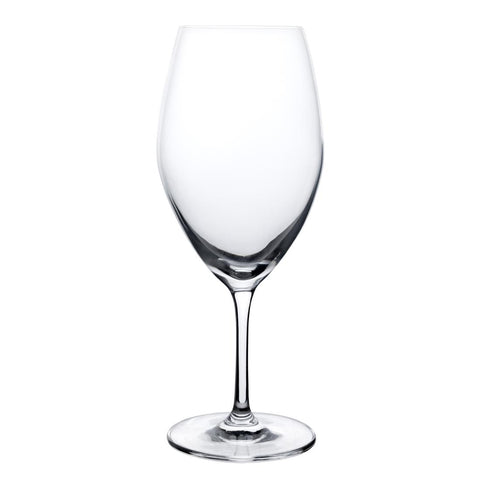
 Olympia Cantina Red Wine Glasses Crystal 475ml (6 Pack) - HW655
86(W) x 216(H) x 86(D)mm

 Olympia Cantina White Wine Glasses Crystal 375ml (6 Pack) - HW656
78(W) x 200(H) x 78(D)mm
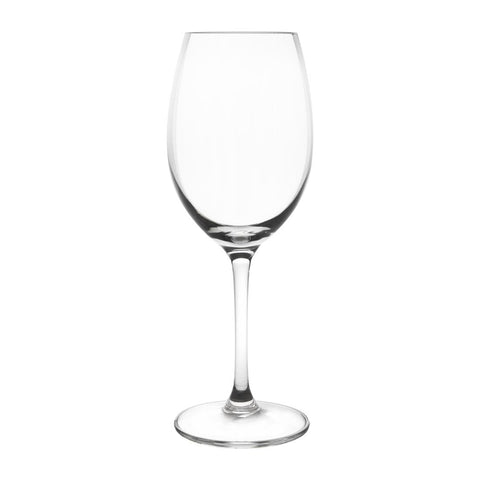
 Olympia Novello Crystal White Wine Glasses 255ml (6 pack) - HW652
70(W) x 192(H) x 70(D)mm
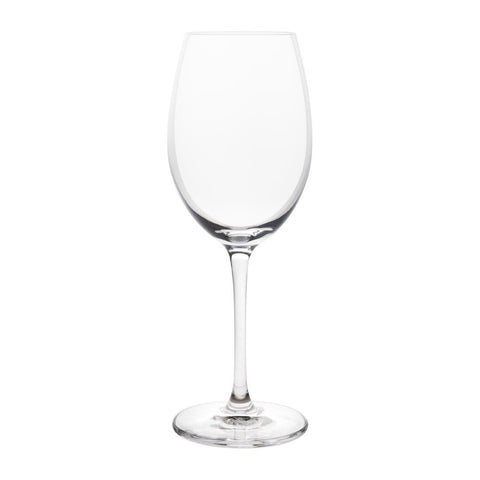
 Olympia Novello Crystal White Wine Glasses 355ml (6 pack) - HW651
78(W) x 212(H) x 78(D)mm
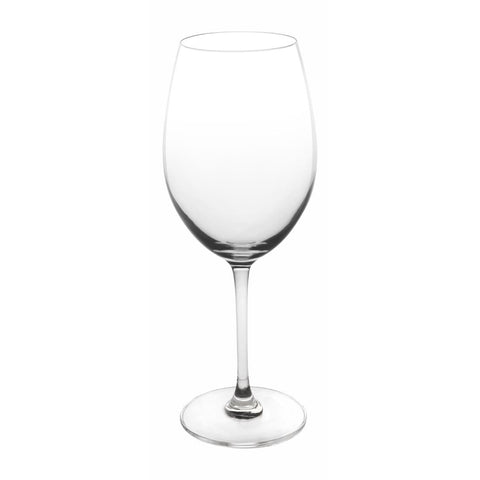
 Olympia Novello Crystal Red Wine Glasses 470ml (6 pack) - HW650
84(W) x 223(H) x 84(D)mm
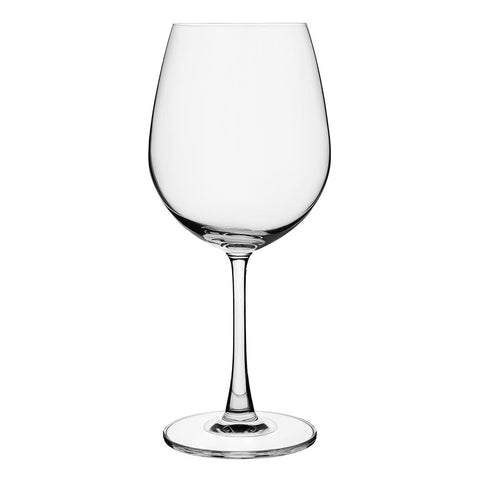
 Olympia Serena Wine Glasses 600ml (6 Pack) - CZ001
98(W) x 224(H) x 98(D)mm
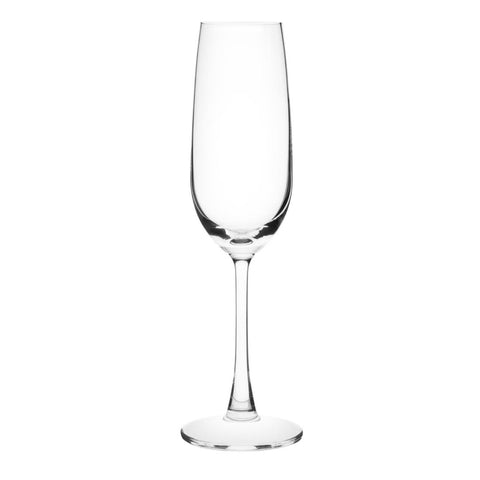
 Olympia Serena Glass Flutes - 210ml (Pack 6) - CZ003
56(W) x 230(H) x 56(D)mm
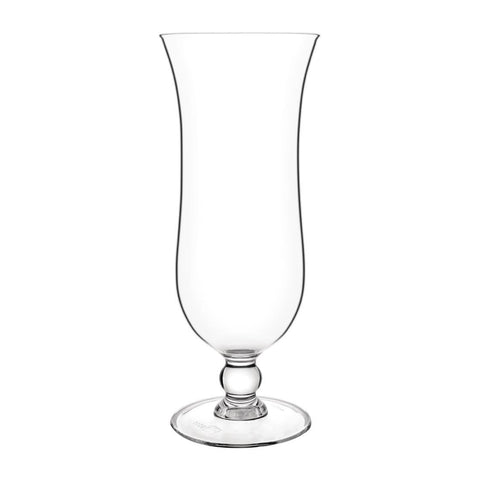
 Olympia Kristallon Polycarbonate Hurricane Glasses 390ml (24 Pack) - CY233
81(W) x 203(H) x 81(D)mm
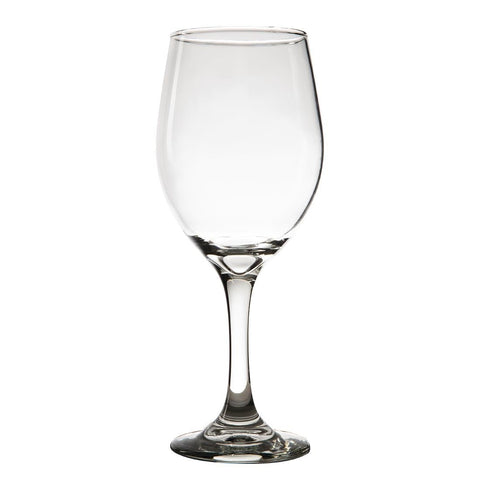
 Olympia Solar Wine Glasses 410ml (24 Pack) - CU003
85(W) x 208(H) x 85(D)mm

 Olympia Solar Wine Glasses 310ml (24 Pack) - CU002
79(W) x 197(H) x 79(D)mm
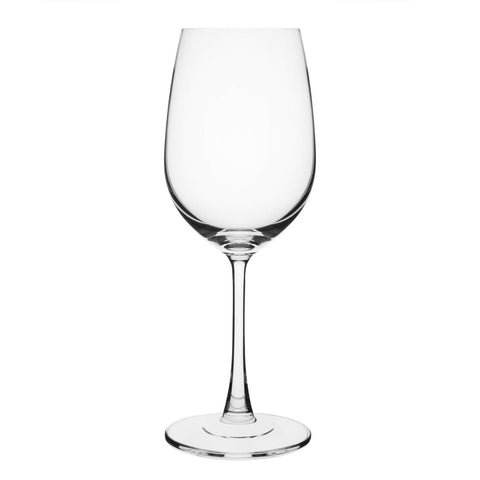
 Olympia Serena Wine Glasses 425ml (6 Pack) - CZ004
82(W) x 224(H) x 82(D)mm

 Olympia Bar Collection Crystal Wine Tasting Glasses 220ml (6 Pack) - GF738
65(W) x 160(H) x 65(D)mm

 Olympia Chime Wine Glasses 365ml (6 Pack) - GF733
85(W) x 215(H) x 85(D)mm

 Olympia Modale Crystal Wine Glasses 395ml (6 Pack) - GF727
80(W) x 220(H) x 80(D)mm
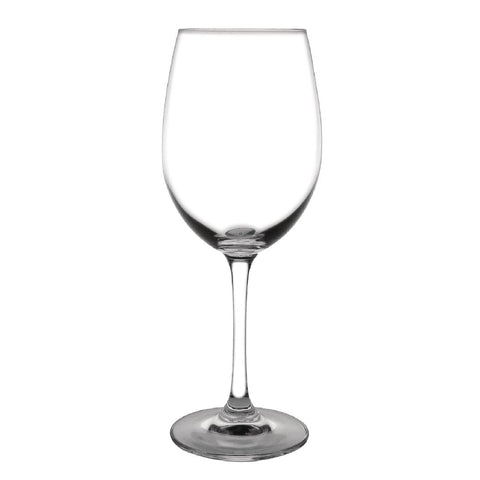
 Olympia Modale Crystal Wine Glasses 520ml (6 Pack) - GF725
90(W) x 235(H) x 90(D)mm
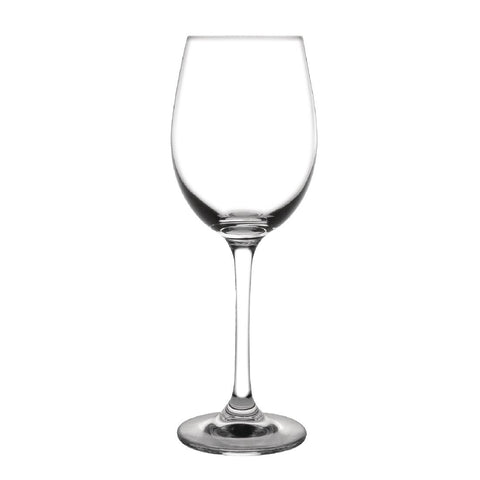
 Olympia Modale Crystal Wine Glasses 320ml (6 Pack) - GF726
75(W) x 210(H) x 75(D)mm
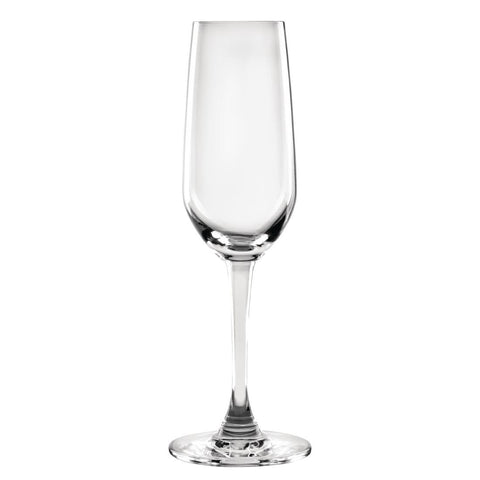
 Olympia Mendoza Glass Flute - 185ml (6 Pack) - FB484
57(W) x 210(H) x 57(D)mm
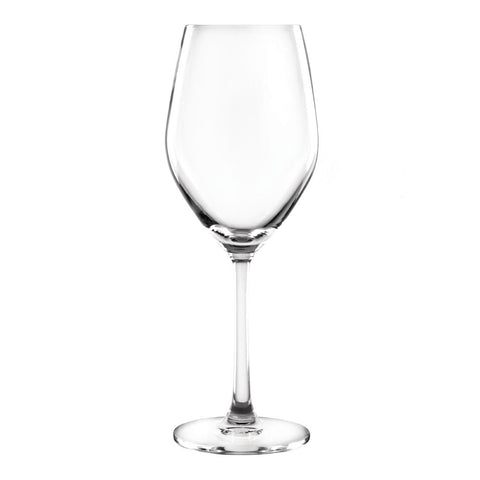
 Olympia Cordoba Wine Glasses 340ml 12oz (6 Pack) - FB553
79(W) x 213(H) x 79(D)mm

 Olympia Cordoba Wine Glasses 420ml 14 3/4oz (6 Pack) - FB552
85(W) x 225(H) x 85(D)mm

 Olympia Mendoza Wine Glasses 370ml (6 Pack) - FB485
83(W) x 203(H) x 83(D)mm
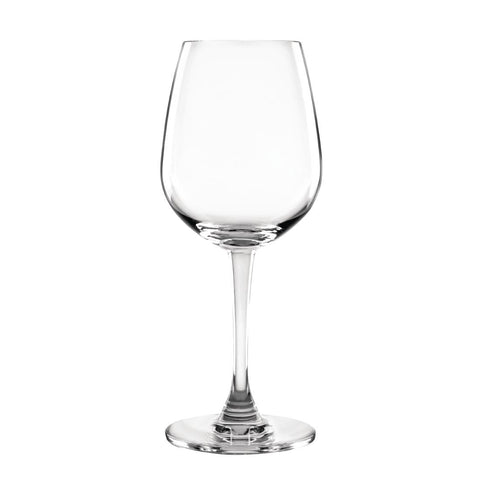
 Olympia Mendoza Wine Glasses 315ml (6 Pack) - FB486
80(W) x 195(H) x 80(D)mm

 Olympia Campana One Piece Crystal Wine Glasses 380ml (6 Pack) - CS494
65(W) x 245(H) x 65(D)mm
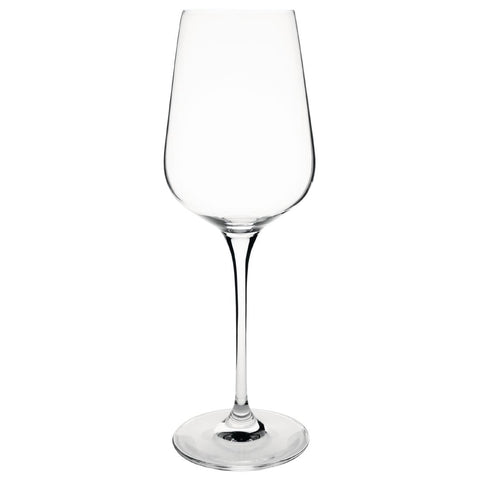
 Olympia Claro One Piece Crystal Wine Glasses 540ml (6 Pack) - CS466
65(W) x 260(H) x 65(D)mm
Wine glasses are chosen by the size and shape of the bowl, and Olympia is one of many brands that offer them in a long list of patterns. A red wine glass has a wider, deeper bowl so the wine can open up, which is why the Novello crystal red is 470ml, the Cantina red is 475ml and the Serena is 600ml. White is poured colder and drunk faster, so the white shapes are narrower and smaller, from 255ml up to 375ml.
The Modale, Mendoza, Cordoba and Chime patterns sit in the middle at 315ml to 520ml, which is where a venue that wants one shape for everything usually lands. Solar comes in 245ml, 310ml and 410ml in packs of 24, the pack size a club or a function room buys. Glasses for wine and water sit together in the Novello line, which also includes a 365ml stemmed water glass, and the flutes for sparkling run from 185ml to 210ml.
Campana and Claro are one piece crystal, so the bowl and the stem are drawn from a single piece of glass with no joint where the two meet, and that joint is where a stem usually snaps. The Bar Collection crystal tasting glass holds 220ml and suits a tasting flight or a half pour. Champagne glasses covers the flutes and coupes if sparkling is a bigger part of the drinks list.
The wine glasses for sale at REO are all stemmed, in packs of 6 and 24. If you want something stemless, a rocks or a hi ball tumbler does the same job on outdoor tables and in a public bar, and hi ball glasses covers those in glass, crystal and polycarbonate. Kristallon polycarbonate hurricane glasses hold 390ml and don't smash, which is what a pool bar, a deck or a function room needs.
A red needs room in the bowl, so a red glass runs from about 470ml up to 600ml even though the pour is nowhere near that. The Novello red at 470ml, the Cantina red at 475ml and the Serena at 600ml are all built that way. A white glass is smaller and narrower, between 255ml and 375ml, so the last mouthful is still cold.
If you only want one shape, buy something in the middle, around 340ml to 420ml, such as the Cordoba or the Mendoza. It pours a red honestly and a white without looking odd, and it halves the racks, the shelf space and the reordering you deal with.
A stemless glass survives handling better, because the stem is where a glass snaps: at the wash-up, in a rack, or when a full glass is carried by the bowl. Stemless also sits flat in an ordinary rack and takes less shelf. What you give up is the look on a set table, and a hand wrapped around the bowl warms a white up.
REO offers stemmed shapes only. For outdoor tables and by-the-glass service in a public bar, use a heavy based rocks or hi ball tumbler instead. They cost less to replace and they take the knocks a courtyard gives them.
Yes. Commercial stemware is made for a machine and will go through one day after day for years. What breaks a glass is thermal shock and knocking, so don't put a cold glass out of the fridge straight into a hot cycle, and don't fill a hot glass with ice.
Wash the stemware in its own rack with a compartment per glass, so the bowls can't touch. Stems go when glasses are packed in loose and slide against each other on every cycle. A light film or water spots on a clean glass are usually rinse aid or hard water, so polish with a lint free cloth and check the dosing if it keeps coming back.
At the rim and at the stem. A chipped rim takes the glass out of service straight away, because a chipped glass can't go back on a table. Stems go when a glass is carried by the bowl, tipped into a bus tub, or forced into a rack that's too tight for it.
Campana and Claro are drawn from one piece of glass, so there's no joint between the bowl and the stem to fail. A heavier glass with a rolled rim lasts longer on a public bar as well. Most of the saving still comes from how the glasses are carried and racked, not from what you spend per glass.
Two to three times what you can seat at once, for every shape you pour. That covers what's on the tables, what's in the machine and what's on the shelf, and it assumes a glasswasher that keeps up. Go deeper on whatever the venue actually sells, which in most restaurants is the white shape and the all-rounder, with the red shape turning over more slowly.
Order the lot in one go if you can. The price per glass is better, and glasses break steadily through the year instead of all at once, so a spare carton in the storeroom costs less than an urgent order on a Friday afternoon.
Ask before the first order, because you'll be replacing breakages for as long as the venue is open, and a table set with two different shapes looks like a mistake. A pattern that's still made means you can top up six at a time and they'll match what's already on the shelf.
Buy one pattern deep from one supplier. Olympia lines such as Novello, Cantina, Modale and Mendoza have been made in the same shapes and sizes for a long time, they come in packs of 6 and 24, and REO prices on them are sharp when the whole order is placed at once. Contact REO to check availability before you build a set around one shape.
Crystal is clearer and harder, so it can be drawn thinner. The rim is finer, the bowl is more transparent and the glass feels lighter than its size suggests. Novello, Cantina, Modale, Campana, Claro and the Bar Collection tasting glasses are the crystal lines.
A thin rim chips more easily than a thick one. Buy crystal for the dining room and a heavier glass for the public bar, the courtyard and functions, then keep the two apart in separate racks so they don't end up in the same wash.
Kristallon polycarbonate hurricane glasses at 390ml are the ones that don't smash. They suit pools, decks, beer gardens, festivals, aged care and anywhere glass isn't allowed, and they look close enough to glass on a table.
Polycarbonate scratches. Years of ice and machine washing dull the surface, and a scratched glass looks cloudy however clean it is, so treat it as something you replace every couple of years. Wash it on a cooler cycle and keep it out of a hot drying cupboard, because heat is what warps it.
No. Wine glasses in Australia are measured to the brim, not to the pour line, so a 470ml red glass holds a standard 150ml serve with most of the bowl empty. That's how it's meant to look, and a glass filled to the top stops the wine opening up as well as costing you money.
If the pours have to be consistent, mark one glass at the correct level and keep it behind the bar as the reference, or use a measured pourer. Staff pour by eye otherwise, and across a busy night the difference adds up to several bottles.
Stem racks first, sized to the height of the glass, with glass racks and baskets for carrying glasses out to a function room. Lint free polishing cloths after that, because a glass can come out of a machine perfectly clean and still show water marks under a light.
A glasswasher is the other half of it, since a plate machine runs hotter and harsher than stemware wants. Water jugs and carafes go on the same tables, and a glass chiller is worth having if the white and the sparkling need to go out cold in summer.

We have a special page just for stock that's warehoused in Perth.
Click Here to see all WA stockWhat our customers say about us on Google, and how Google scores our store for things like shipping and returns.
Store scores from Google