


 03 9070 5784
 Help & Support
 Track My Order



Recently Viewed
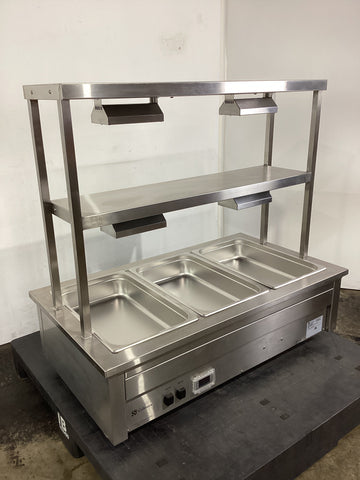

 Culinaire CH.BM.D.GDD.3 Drop In Bain Marie - 853566
1135W x 645D x 1094Hmm
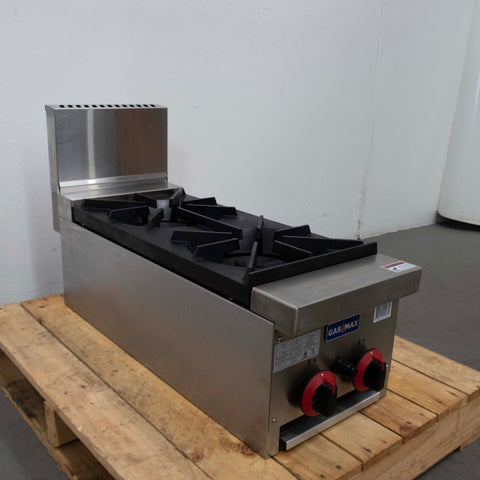

 Gasmax RB-2E Countertop Cooktop - 855028
300W x 820D x 480Hmm


 Federal GH-760E Griddle - 817772
760W x 550D x 270Hmm
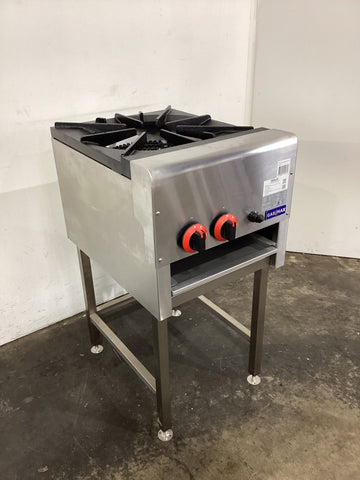
 FED Gasmax RB-1E Dual Ring Single Burner Single Hob - 881078
456W x 620D x 900Hmm
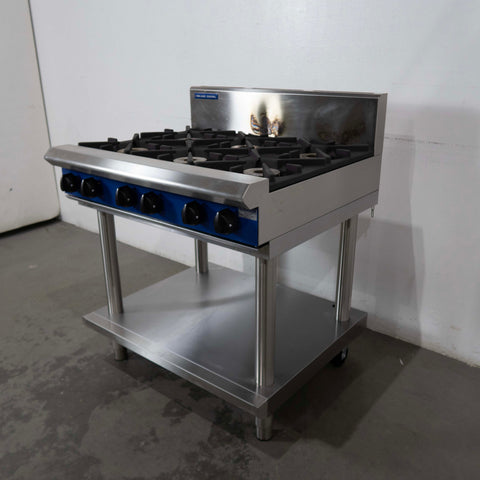

 Blue Seal G516DF-LS Cooktop - 915604
900W x 810D x 1090Hmm


 CLEARANCE - Fagor Advanced Plus Gas 20 Trays Touch Screen Control Combi Oven with Cleaning System - APG-201-VIC985
525(W) x (D) x (H)mm
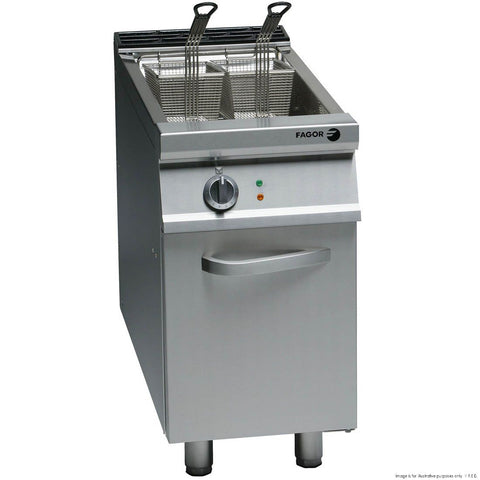
 Ex-showroom: Fagor 900 series NG deep fat fryer - FG9-05-VIC981
140(W) x 425(D) x 900(H)mm
 CLEARANCE - Gasmax Natural Gas 2 Burner Char Grill Top - QR-14E-SA2-4
67(W) x 354(D) x 773(H)mm


 Unox XESW-03HS-MDDN Speed Oven - 799416
600W x 810D x 1380Hmm


 Luus CS-9P Griddle - 761986
900W x 800D x 560Hmm


 Flamemaster HES-E2 3 Burner Kebab Rotisserie - 776211
590W x 790D x 980Hmm

 Unox XESW-03HS-MDDN Speed Oven - 844609
600W x 800D x 530Hmm

 Unox XESW-03HS-EDDN Speed Oven - 814610
600W x 800D x 525Hmm


 Lincoln 2504-1 Conveyor Oven - 895955
1265W x 790D x 440Hmm


 Hoeller GN3 Hot Plate - 802394
990W x 530D x 75Hmm


 Giorik GL720GCT 1 Burner Char Grill - 799078
400W x 730D x 995Hmm


 Roband BM2C Bain Marie - 891288
560W x 400D x 330Hmm

 Roband BM22 Bain Marie - 858399
700W x 670D x 255Hmm

 Roband BM2 Bain Marie - 900486
560W x 450D x 330Hmm

 Roband BM14 Bain Marie - 929845
1135W x 410D x 255Hmm

 Roband BM1 Bain Marie - 876189
295W x 395D x 400Hmm

 Federal BM14SC Wet + Dry Bain Marie - 870599
1390W x 635D x 720Hmm


 Panasonic HUS NE-1037 Microwave - 844854
510W x 395D x 310Hmm
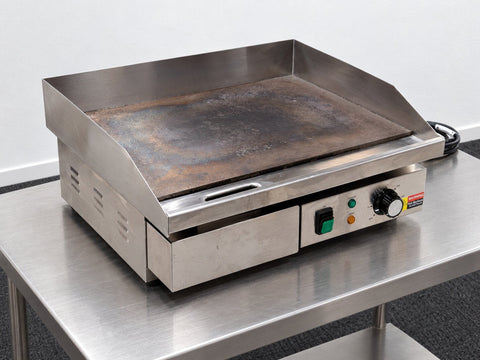

 Nisbets DA397-A Countertop Griddle - 893667
550W x 430D x 240Hmm


 Anvil COA1001 Convection Oven - 884896
480W x 530D x 420Hmm
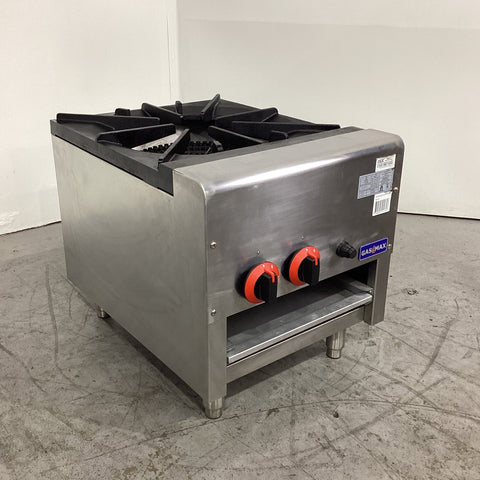
 GasMAX RB-1E Dual Ring Burner - 873273
465W x 620D x 500Hmm
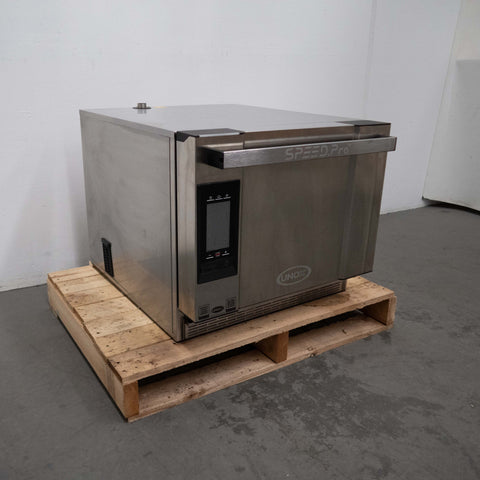
 Unox XESW-03HS-EDDN Speed Oven - 801394
605W x 800D x 525Hmm
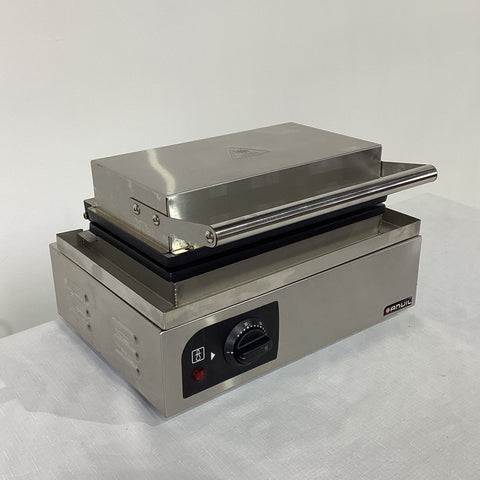
 Anvil JMA0001 Jaffle Iron - 915528
385W x 270D x 240Hmm
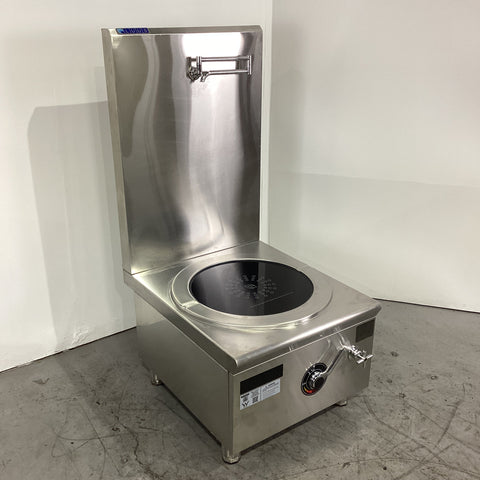
 Luus ESP-1C Stockpot Boiler - 900388
600W x 800D x 1240Hmm
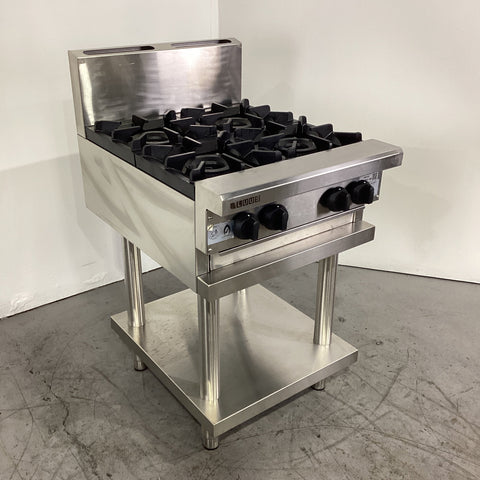
 Luus CS-4B 4 Burner Cooktop - 876892
600W x 810D x 1090Hmm
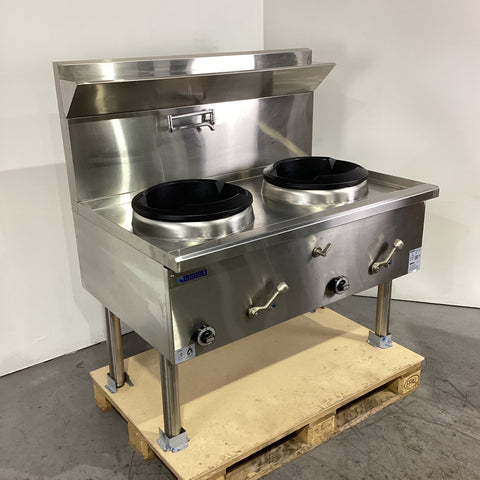
 Luus WZ-2C Wok Burners 2 Hole - 852132
1200W x 800D x 1300Hmm

 Unox XF023AS Convection Oven - 942834
600W x 588D x 472Hmm
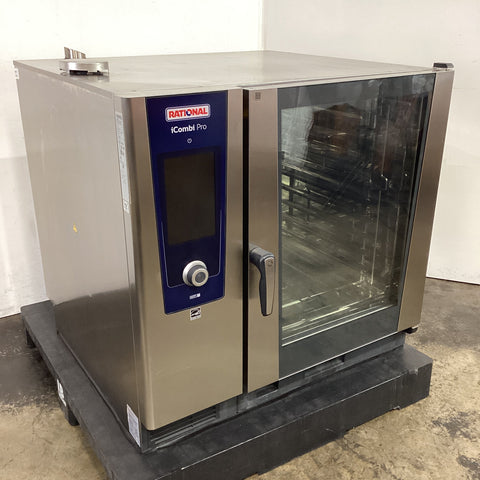

 Rational iCombi Pro 10 Tray Combi Oven - 818031
1075W x 1010D x 1050Hmm
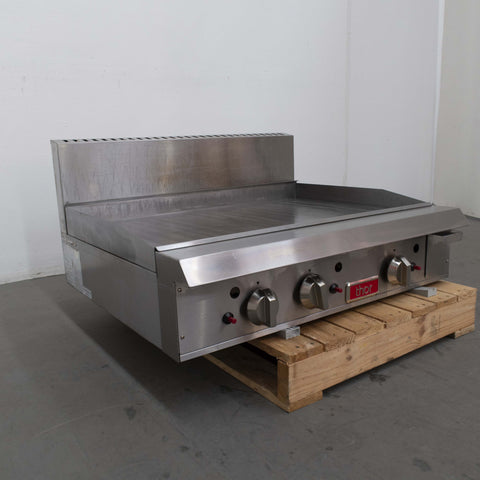

 Thor GH106-N Griddle - 770637
920W x 820D x 775Hmm

 Anvil VCT1001 Vertical Bun Toaster - 880369
700W x 350D x 565Hmm
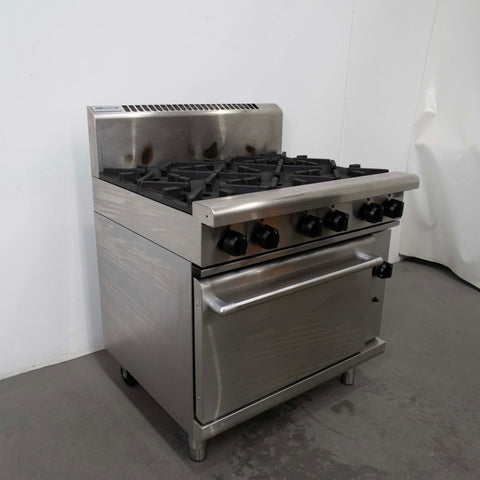

 Waldorf RN8610GF Range Oven - 846741
900W x 800D x 1170Hmm
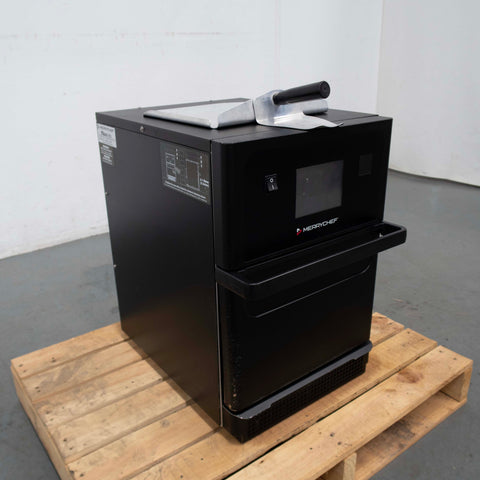

 MerryChef Eikon E1S Speed Oven - 805504
410W x 615D x 590Hmm
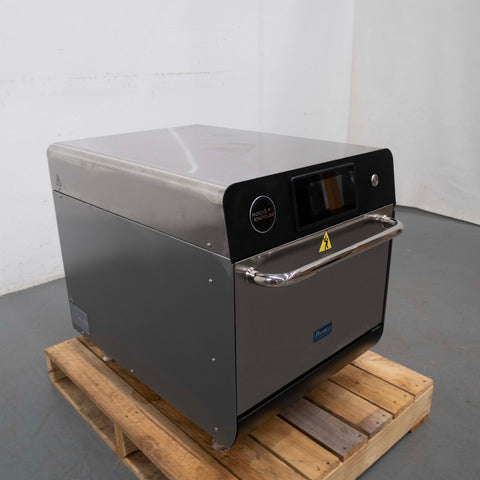

 Pratica Rocket Speed Oven - 925564
540W x 810D x 640Hmm


 EKA 1111 UD Combi Oven - 880677
935W x 978D x 1388Hmm
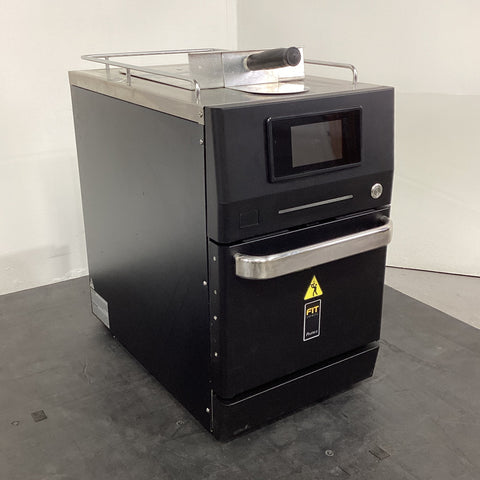
 Pratica FIT Express Single Mag Black Speed Oven - 897988
390W x 670D x 660Hmm
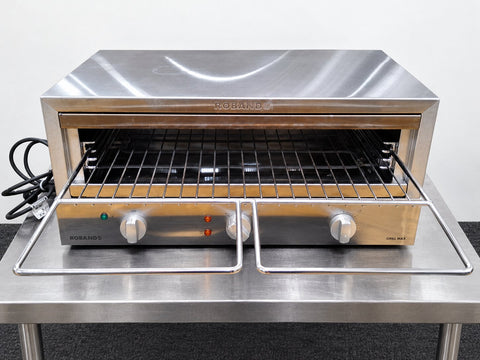
 Roband GMX1515 Toaster - 926393
680W x 500D x 315Hmm


 BakerMAX EP-1-SDE Pizza Deck Oven - 919091
1220W x 820D x 750Hmm


 Cookrite AT80G4B-F Cooktop - 870472
600W x 800D x 1120Hmm
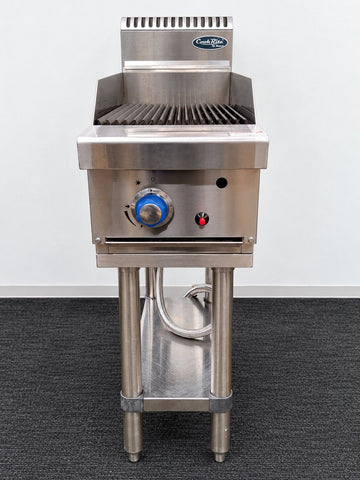
 Cookrite AT80G3C-C Char Grill - 926389
300W x 800D x 1110Hmm
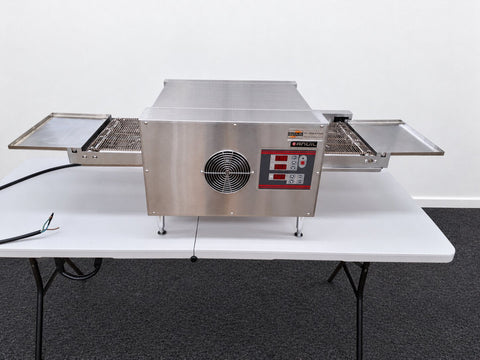
 Anvil POK0003 Conveyor Oven - 924583
1530W x 575D x 430Hmm


 Turbofan EC40T7 Combi Oven - 929958
780W x 790D x 890Hmm
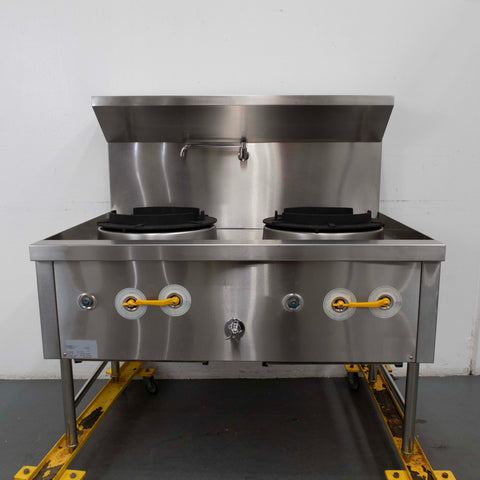

 PSS FC-HB02 Waterless Wok - 890473
1200W x 860D x 1260Hmm
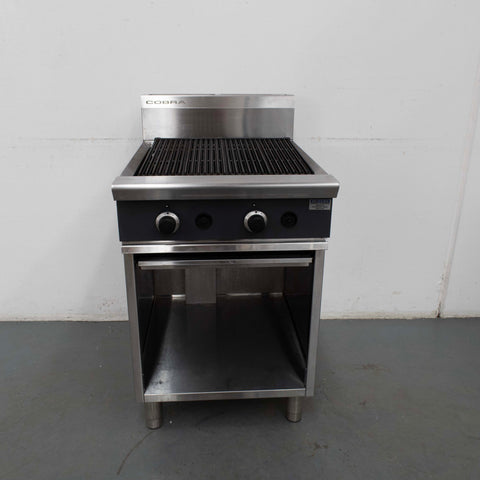

 Cobra CB6 Char Grill - 799452
600W x 800D x 1090Hmm
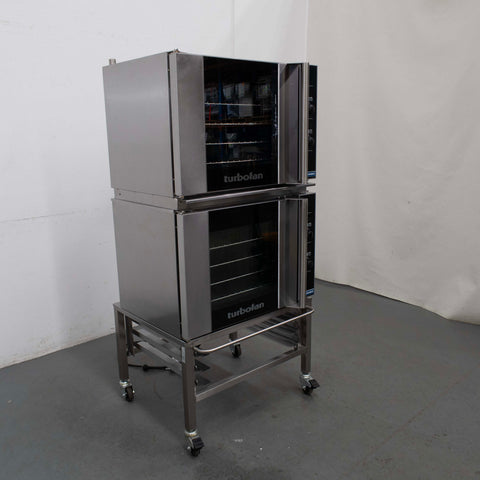
 Turbofan E31D4/2C Double Stacked Convection Ovens on Stand - 903991
810W x 695D x 1740Hmm

 Roband E23 Bain Marie - 881951
1025W x 650D x 675Hmm

 Unox XEVC-0711-EPRM Combi Oven - 871476
755W x 850D x 840Hmm

 Roband GMX1515 Toaster - 885367
680W x 500D x 315Hmm
Refurbished cooking equipment at REO comes off showroom floors, out of demonstration kitchens and off supplier clearance lines. A machine may have scratches and dents, picked up in transit, in the kitchen it worked in, or in handling.
Every product is inspected, tested and verified in working condition before it is relisted for sale. Warranty terms are shown on each product page and depend on that unit's condition, history and age. The price is cheaper than brand new, which is how a lot of kitchens end up with a combi oven, a second chargrill or a replacement fryer they couldn't have justified buying new.
Refurbished ovens is the largest part of it, with combi, convection, deck, pizza and speed ovens from Unox, Convotherm, Fagor, Rational and Tecnodom. Refurbished cooktops and hobs has open burner ranges, wok burners and induction tops from Luus, B+S, GasMAX and Jasper. Refurbished chargrills and griddles covers the flat plate and grate models, griddle toasters included, from Cookrite, Angelo Po, Anvil and Cobra.
Refurbished bain maries hold food at temperature instead of cooking it, and refurbished standing deep fryers is a smaller section that moves quickly. Nearly every machine is a one-off, so if you need two the same, call us first.
You'll get a machine that works and shows its age. There may be scratches and dents, from transit, from the kitchen or showroom it came out of, or from being moved around a warehouse. Light marks on stainless are normal and they aren't a fault, and that's part of why the price is cheaper than brand new.
Every unit is checked for corrosion, dents, warping and failed welds, then for the moving parts — castors, hinges, doors and handles. Damage is repaired where the repair leaves the unit safe and lasting, wear and tear components are replaced, and the machine is cleaned, tested and verified in working condition before it is relisted for sale. The condition of a particular machine is described on its own product page, along with the warranty terms for it.
Three different histories, and the product title usually says which one you're looking at. Refurbished units have worked in a kitchen and been through inspection, repair and testing before they are relisted for sale. Ex-showroom and ex-display units were built and put on show but never ran a service, so their wear is normally cosmetic. Clearance stock is surplus or run-out product being cleared out, and it hasn't done any work.
All three are sold at REO and all three can have scratches and dents. If two similar machines are priced oddly far apart, history is usually the reason.
There's no fixed percentage. It depends on the original specification, the age and hours on it, how much work the unit needed and how sought after that model still is. A high-end combi oven can save you a great deal against list price, while a simple benchtop griddle saves less, because it was never expensive to start with. REO prices on refurbished cooking equipment are sharp.
Renting is the other route. With Silverchef Rent-Try-Buy you rent the machine instead of paying for it upfront, so the cash stays in the rest of the fit-out and the payments are an operating expense. When the business is ready you can buy the unit out or move up to a bigger model.
Warranty terms are shown on each machine's own product page, because they depend on how old it is, where it came from and what condition it's in. It isn't the same warranty that new stock carries, and that's part of what you're trading for the price.
A warranty period isn't a guess at how long the machine will last. A well built commercial machine that's been properly refurbished and looked after will run for years past any warranty term. What tells you more is whether parts are still made for that model, whether the wear and tear components were replaced or only checked, and whether the brand has service agents in Australia. Ask us if the product page doesn't say.
Yes. Every product is inspected, tested and verified in working condition before it is relisted for sale, and what the test involves depends on the machine. An oven is run up and its controls worked through their range. A griddle or chargrill is fired to check the plate heats right across. A bain marie is filled and brought up to holding temperature.
Gas appliances have a second stage and it happens at your site. A licensed gasfitter connects the unit, leak tests the connection and checks the burners once it's in position, so build that visit into your timeline, because the machine isn't ready to cook the day it lands.
Look at the parts that wear and the parts that cost. Door seals and hinges first, because a seal is cheap but a warped door or a dropped hinge isn't. Then the fan and its motor, the temperature probe, and the controls through their full range. If it's a boiler model, scale is what eventually kills it, so ask about the water where it last worked and plan on a filter wherever you put it.
Then check the model is still supported. Unox, Convotherm, Fagor and Rational all have service agents in Australia, which makes them a safer buy than an unfamiliar import at the same money. A fault is only an inconvenience if you can get the part for it.
Confirm the gas type first, because none of this is easy to change on a second-hand machine. The appliance is built and jetted for either natural gas or LPG, and swapping it over is a licensed gasfitter's job, if the conversion kit even exists for an older model. Then power: check whether it's single or three phase, and on plug-in units check the plug itself, because a 15 amp plug won't go into a 10 amp socket.
Then measure the gap and the path to it. Used machines often arrive on a stand or castors, but the unit still has to come through the door, around the corner and under the canopy. Leave yourself room for airflow and for cleaning behind it.
Yes. The ventilation rules follow the appliance, not its price or its history. Commercial cooking appliances need mechanical exhaust above them once the total input gets to 8 kW or more, and that total takes in equipment you might not expect, a commercial dishwasher among them. A second-hand six burner range puts out as much heat and moisture as a new one.
If you're adding a used machine to an existing line, check the canopy actually covers it, then check the total under that hood hasn't grown past what the system was built to shift. The filters need pulling and washing on a schedule too, because a clogged filter is the most common reason a canopy stops working properly.
Wear and tear components, mostly, and they're at the cheap end — thermostats and thermocouples, door seals, elements, knobs, castors and pilot assemblies. On anything that makes steam, scale does the damage, and that comes from your water more than from the machine. On griddles and chargrills it's the plate and the radiants that take the punishment.
A discontinued model with no parts behind it is what costs real money, which is why brand and model matter more on a used machine than on a new one. Ask what was replaced during the refurbishment, not just what was checked. Scratches and dents are disclosed and priced in, but a burner that won't stay alight isn't, so raise anything like that with us before delivery.
Installation first. Gas needs a licensed gasfitter, plus a bayonet and a commercial hose if the unit rolls out for cleaning, and three phase electric needs a licensed electrician. Neither is in the price of the machine and neither can be skipped.
Then the parts and consumables that don't come with it — gastronorm pans and trays, a water filter for anything that steams, oven and grill cleaner, a griddle scraper and stones, and a spare set of canopy filters to rotate. Buy the gastronorm pans from the same supplier as the oven or bain marie they go into, because slight differences between brands mean the fit isn't guaranteed. If you're building a whole section, match the bench heights and widths across the cooktops, chargrills and griddles first, because refurbished units only come in the sizes they were built in.

We have a special page just for stock that's warehoused in Perth.
Click Here to see all WA stockWhat our customers say about us on Google, and how Google scores our store for things like shipping and returns.
Store scores from Google