


 03 9070 5784
 Help & Support
 Track My Order




Recently Viewed
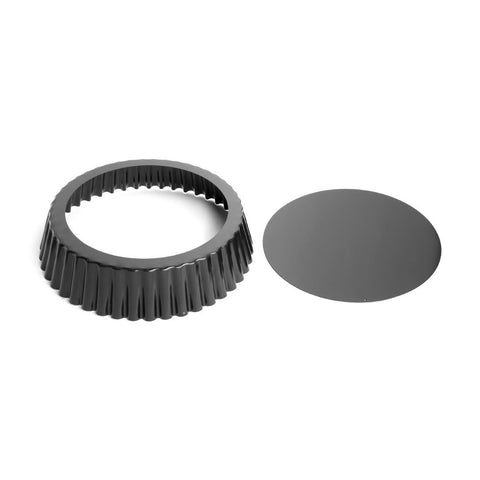

 Vogue Non-Stick Deep Fluted Quiche Tin 55 x 250mm - GC989
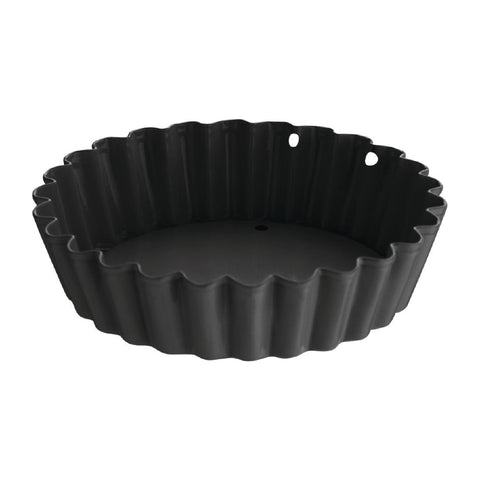
 Vogue Non-Stick Mini Quiche Tin With Removable Base 80mm (Pack of 3) - CW990
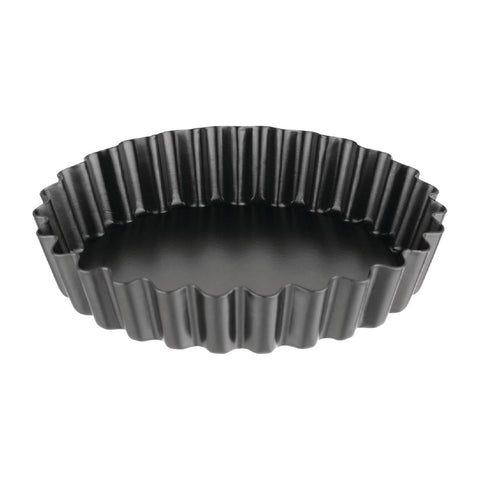
 Vogue Non-Stick Mini Quiche Tin With Removable Base 100mm (Pack of 3) - CW991
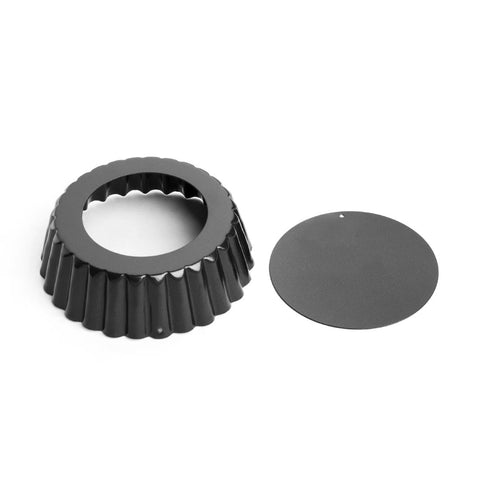
 Vogue Non-Stick Deep Fluted Quiche Tin 31 x 100mm - GC988
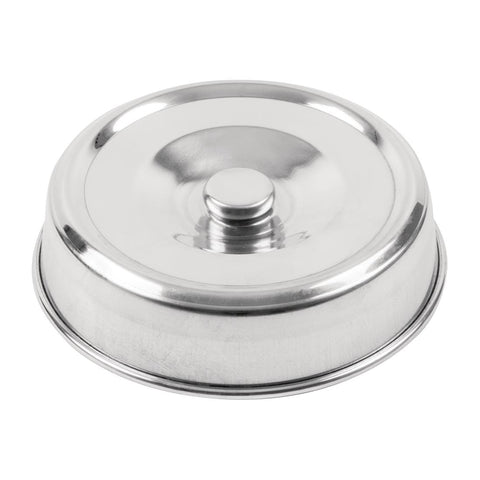

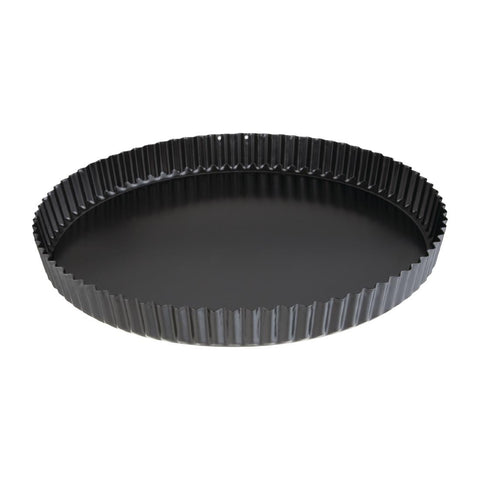
 Vogue Non-Stick Quiche Tin With Removable Base 300mm - DB568
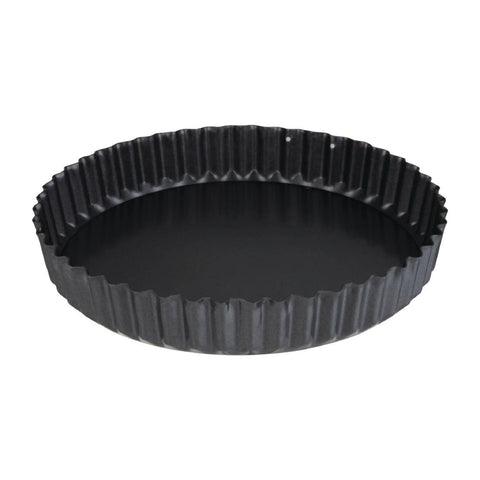
 Vogue Non-Stick Quiche Tin With Removable Base 250mm - DB567
A quiche tin has to do something a cake pan does not: release a cooked pastry shell without breaking the wall. That is why a quiche pan almost always has a loose base — you push the base up and the tart comes out standing, with the fluted or straight edge intact.
The decisions are depth, edge and coating. A deeper tin holds more custard and takes longer to set through; a shallow one bakes faster and gives a higher pastry-to-filling ratio. A fluted edge looks like a tart and strengthens the pastry wall; a straight edge is easier to line and easier to clean.
The coating is what stops the base sticking. Quiche tins with a good non-stick release cleanly for a long time, and the coating is also what suffers most from a machine wash. Plain tinned steel browns the pastry best and needs greasing or lining.
Tins sit with cake tins, commercial loaf pans and the rest of the commercial bakery accessories range, with the pastry side under pastry cutters and rollers.
Weighing up a couple of diameters and depths before you commit? The price guide sets the tins out together, so you can compare the fluted and straight edges on one page.
Loose base, for anything you intend to serve whole or to slice on a board. A fixed base means cutting and lifting slices out of the tin, which breaks the pastry edge and looks it.
A fixed base is fine for a quiche sold by the slice from the tin itself. For a display counter, the loose base is worth the extra.
For a wet custard filling, almost always. Pastry that goes in raw under liquid never crisps, and that soggy base is the most common complaint about a cafe quiche.
Weights or a tray of rice hold the shape while it blinds. Baking papers under the weights make it a one-step job rather than a cleanup.
A crack in the blind-baked shell, or a loose base that has not been lined. The gap at the base joint is the usual route, and it only takes a hairline crack for the custard to find it.
Seal the baked shell with a brush of egg wash before filling, and sit the tin on a tray. A tray under it also makes a large tin safe to move.
Match it to how the quiche is sold. A large tin cut into display slices is the most efficient, individual tins give the most consistent product and the most washing.
Diameters and depths are listed per product. Check the depth against your oven shelf spacing if you are baking several at once.
Mechanically yes, and non-stick coatings wear much faster if they do. Loose-base tins also come apart in the machine and the bases get lost, which is a running annoyance.
Wipe and hand wash the coated ones. Check each product page before putting any in the commercial dishwasher, and keep the bases with their rings.
Sweet tarts, frangipane, treacle tart, chocolate tart, galettes — any filled pastry with a defined edge. That versatility is normally what justifies more than one size.
For a free-form tart you do not need a tin at all, just a baking tray and a baking mat.
Nested with the bases kept in the rings, somewhere the fluted edges will not be bent. A dented flute shows in every tart made in it afterwards.
They are light and awkward, so a shelf of their own works better than a stack in a cupboard. Modular shelving above the pastry bench is the usual home.

We have a special page just for stock that's warehoused in Perth.
Click Here to see all WA stockWhat our customers say about us on Google, and how Google scores our store for things like shipping and returns.
Store scores from Google