


 03 9070 5784
 Help & Support
 Track My Order




Recently Viewed

 Jantex Soft Washable Broomhead Blue 457mm - DN832
 Jantex Soft Hygiene Broom Green 304mm - GK873
 Jantex Soft Washable Broomhead Yellow 300mm - DN831

 Jantex Bio Fresh Socket Mop Head Blue - DN823
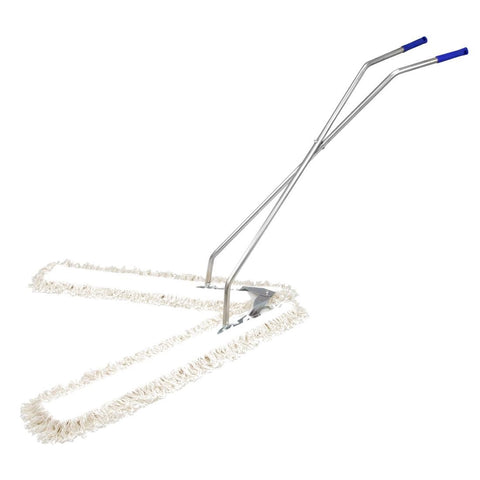

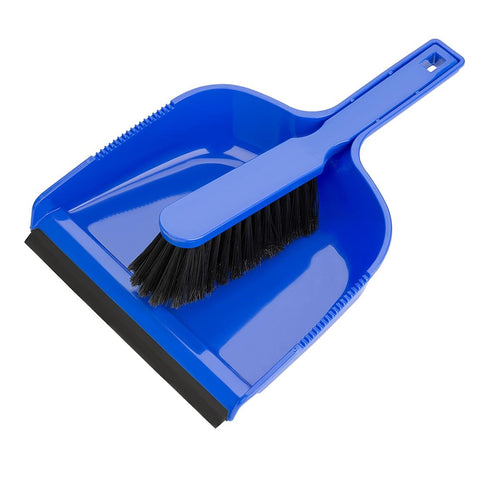
 Jantex Dustpan & Brush Set Blue - HZ843
226(W) x 82(H) x 321(D)mm

 Jantex Dustpan & Brush Set Yellow - HZ842
226(W) x 82(H) x 321(D)mm
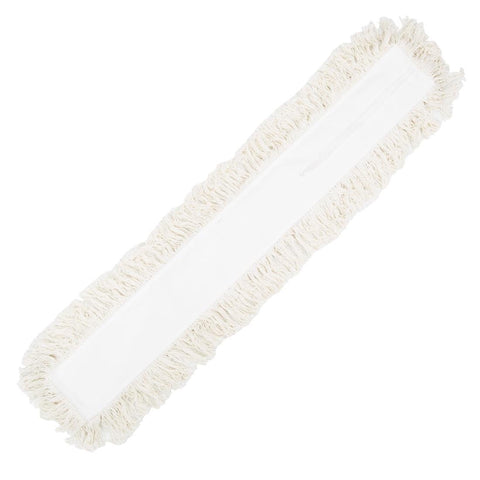
 Jantex Microfibre Head for V-Sweeper (1 Pair) - HZ845
225(W) x 80(H) x 540(D)mm
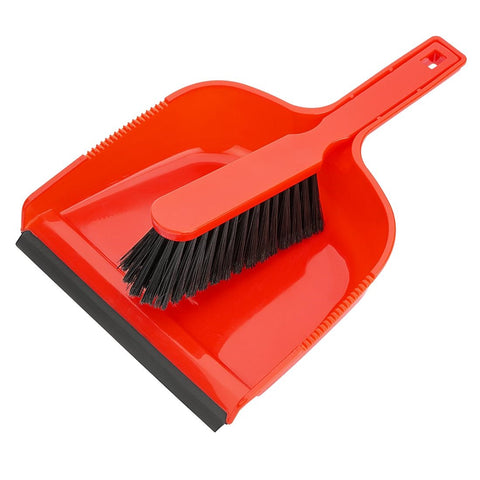
 Jantex Dustpan & Brush Set Red - HZ840
226(W) x 82(H) x 321(D)mm
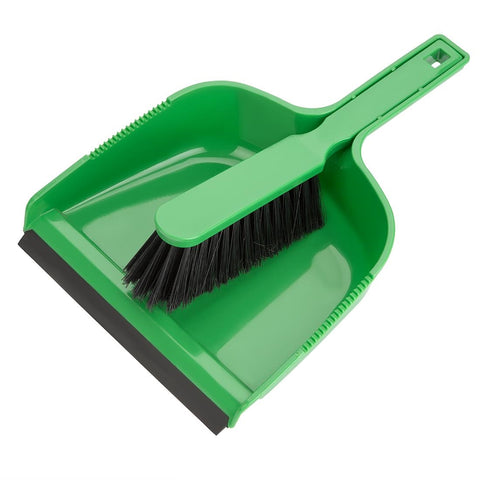
 Jantex Dustpan & Brush Set Green - HZ841
226(W) x 82(H) x 321(D)mm

 Jantex Heavy Duty Dustpan & Brush set - HX384
425(W) x 111(H) x 312(D)mm

 Jantex Heavy Duty Broom & Handle Set with Squeegee 24" - HX383
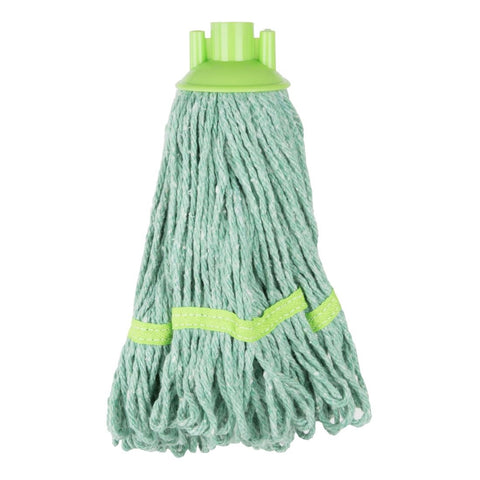
 Jantex Deck Mop Head Green Stripe 200g - HX246
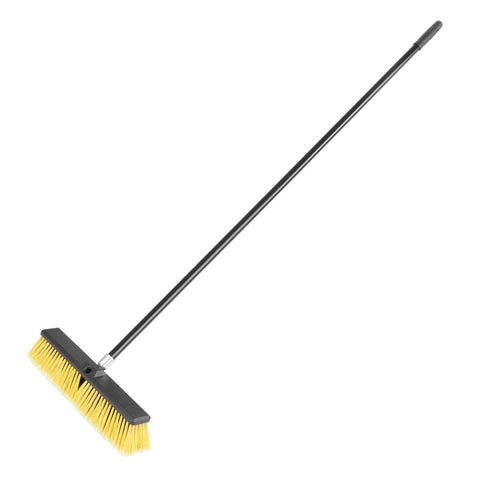
 Jantex Heavy Duty Broom & Handle Set 18" - HX382
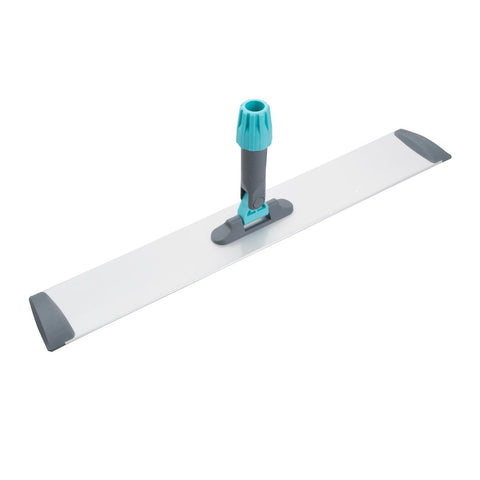
 Jantex 600mm Flat Mop Head - HX237
600(W) x 5(H) x 90(D)mm
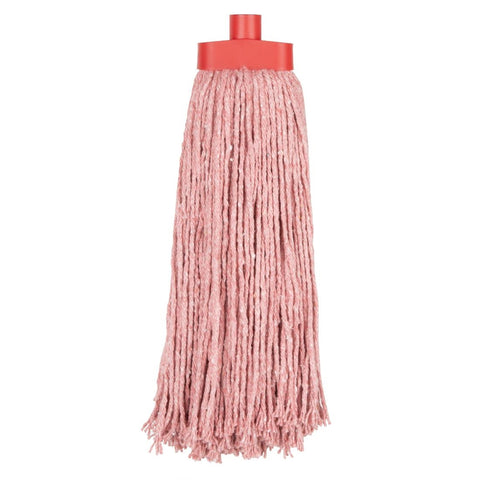
 Jantex Kentucky Mop Head Red 450g - HX241

 Jantex Kentucky Mop Head Blue 450g - HX244
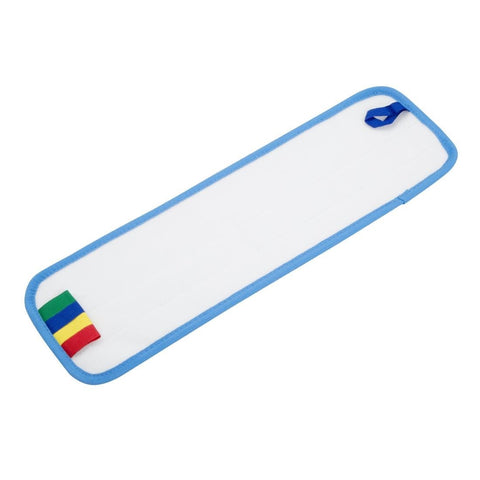
 Jantex 400mm Flat Mop Head Micro Fibre Pad - HX236
465(W) x 5(H) x 135(D)mm

 Jantex Microfibre Mop Head Blue Stripe 150g - HX250
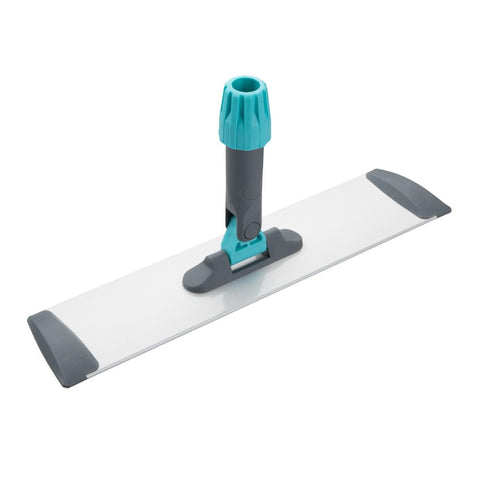
 Jantex 400mm Flat Mop Head - HX235
400(W) x 5(H) x 90(D)mm
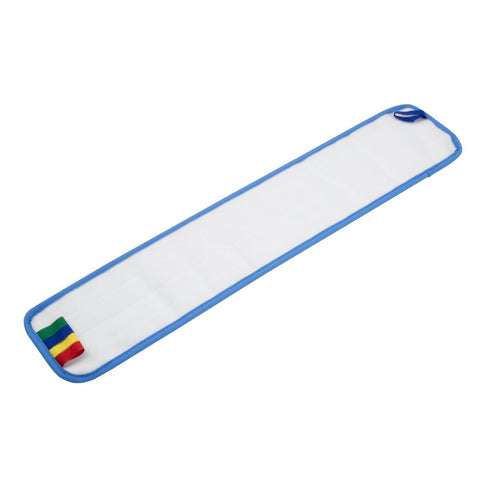
 Jantex 600mm Flat Mop Head Micro Fibre Pad - HX238
660(W) x 5(H) x 135(D)mm
 Jantex Standard Big White Socket Mop Head Yellow - DN822
 Jantex Standard Big White Socket Mop Head Red - DN821
 Jantex Standard Big White Socket Mop Head Green - GK871
 Jantex Hygiene Broom Soft Bristle Green 457mm - GK874
 Jantex Soft Washable Broomhead Yellow 457mm - DN834
 Jantex Soft Washable Broomhead Red 457mm - DN833
 Jantex Soft Washable Broomhead Red 300mm - DN830
 Jantex Soft Washable Broomhead Blue 300mm - DN829

 Jantex Lobby Dustpan & Brush Set - CK851

 Jantex Wooden Broom Head Stiff Bassine 305mm - CD798


 Jantex Wooden Broom Head Soft Coco 305mm - CD796
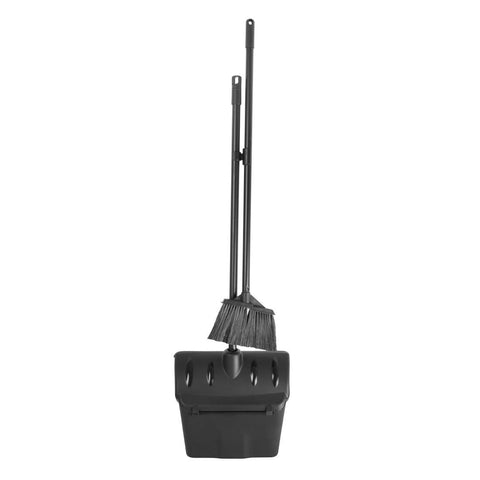
 Jantex Lobby Dustpan & Broom - CD059
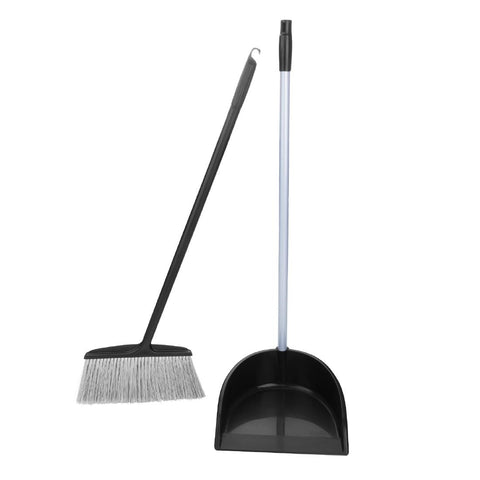
 Jantex Light Duty Lobby Pan and Brush Set - HT482
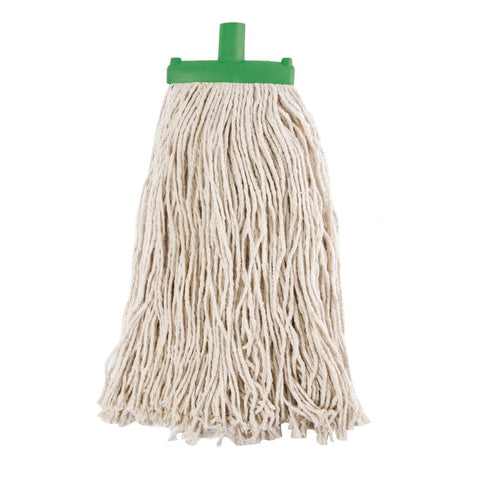
 Jantex Prairie Kentucky Yarn Socket Mop Head Green - GK872
155(W) x 40(H) x 155(D)mm
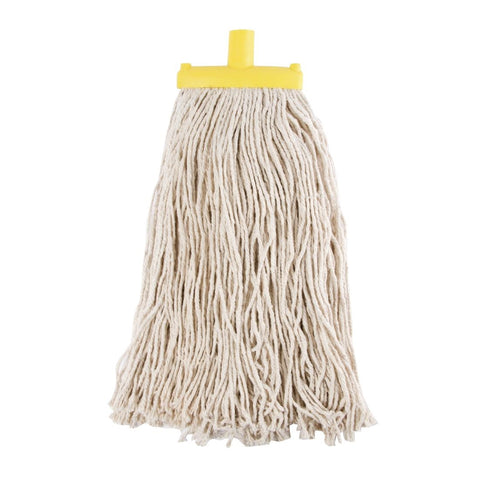
 Jantex Prairie Kentucky Yarn Socket Mop Head Yellow - DN828

 Jantex Bio Fresh Socket Mop Head Yellow - DN825

 Jantex Bio Fresh Socket Mop Head Red - DN824

 Carlisle Duo-Pan™ Black Upright Plastic Lobby Pan with Metal Handle Overall Length 914mm - 36141003
 Carlisle Black Duo-Pan™ Lobby Pan with Broom 292mm x 300mm x 914mm - 36141503
 Carlisle SPARTA White Hi-Lo Floor Scrub Brush 254mm x 114mm x 89mm - 4042302
 Carlisle Duo-Sweep Lobby Angle Broom with Flare Polypropylene Bristles Overall Length: 914mm Bristle Length 102mm to 114mm - 3686100

 Prince Castle Mop & Broom Stations 450mm long - 918-B
Mops and brushes do the floors in a commercial kitchen, and the order they are used in is what gets a floor clean: a deck scrub or scrubbing brush does the real cleaning, a commercial mop lifts the water afterwards, and a squeegee pushes it to the drain. Add a floor brush for dry sweeping before any of that starts.
On a tiled floor with grease in the grout, a mop only moves the problem around and a stiff brush fixes it, which is the opposite of what most kitchens reach for.
Mop head material decides how much water goes back down. Microfibre releases less and dries faster; cotton holds more and suits picking up spills. Either needs a mop bucket and wringer that genuinely wrings.
Restocking heads and brushes for the year? The price guide lists the mop heads, deck scrubs and hand brushes with the handle fittings they take.
Because grease in grout needs agitation, and a mop glides over it. What a mop does well is move detergent around and pick water up, which is the stage after the brush.
Scrub with a deck brush and a floor cleaner suited to fat, then mop or squeegee the slurry away. Mopping alone just redistributes it.
Microfibre picks up fine soil, releases less water and dries faster, so it suits front of house and smooth floors. Cotton holds far more liquid, which is what you want for a spill or a wash-down.
Microfibre heads need washing without fabric softener, which clogs the fibres. If nobody will manage that, cotton is the more honest choice.
When the head stops releasing clean water no matter how it is washed, when strands shed, or when it holds a smell. All three mean it is now moving dirt rather than removing it.
Treat heads as consumables and hold spares. A kitchen with one mop head washes the floor with whatever that head last touched.
Yes, and it is the cheapest control available. One colour for kitchen floors, another for washrooms, another for front of house, and the washroom cleaner kept with the washroom mop.
Match it to the colour coding you already use for chopping boards so the system is one idea rather than two.
A narrow stiff-bristle hand brush for drains and channels, and a long-handled deck scrub for open floor. Drains want something that will fit and that lives nowhere near food.
Keep drain brushes labelled and stored apart from everything in the cleaning supplies cupboard that touches benches.
Hung, head down, off the floor, somewhere ventilated. A mop stood on its head in a corner stays wet, and a wet head is where the smell comes from.
A wall rack or a cleaning trolley with hooks does the job and keeps the handles out of the walkway.
More than expected, because that is where they break. An aluminium or fibreglass handle with a replaceable head fitting outlasts a timber one in a wet kitchen, and timber eventually goes rough and splinters.
Check the head attachment is a standard fitting before committing, so refills are easy to buy later.

We have a special page just for stock that's warehoused in Perth.
Click Here to see all WA stockWhat our customers say about us on Google, and how Google scores our store for things like shipping and returns.
Store scores from Google