


 03 9070 5784
 Help & Support
 Track My Order




Recently Viewed


 Vogue Dual Grit Whetstone 400 1000 - GD036
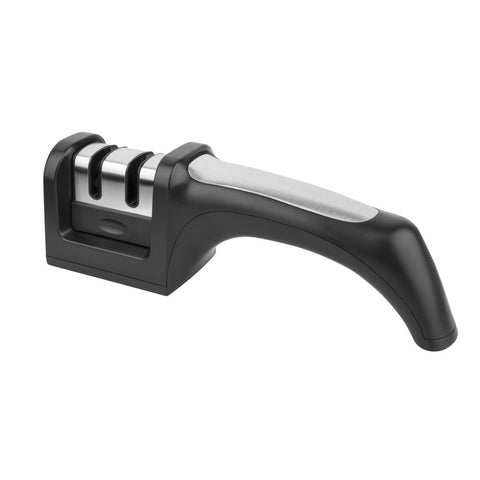
 Vogue Two Stage Manual Knife Sharpener - GD035


 Vogue Knife Sharpening Stone - D139
203.2(W) x 51(H) x 25(D)mm
 Vogue Knife Sharpening Steel 300mm - D121


 Tormek T-2 Pro Kitchen Knife Sharpener - T-2PRO
240(W) X 210(D) X 285(H)mm
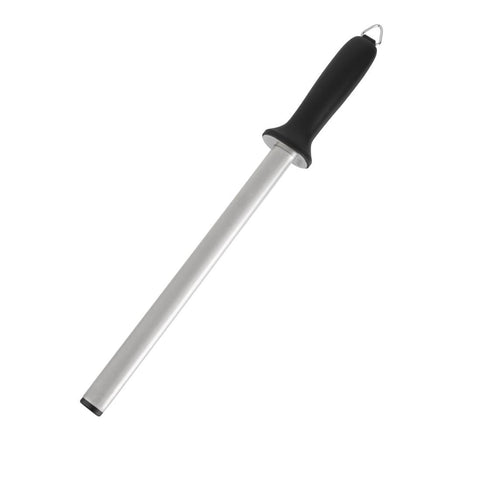
 Vogue Diamond Sharpening Steel 250mm - CC199
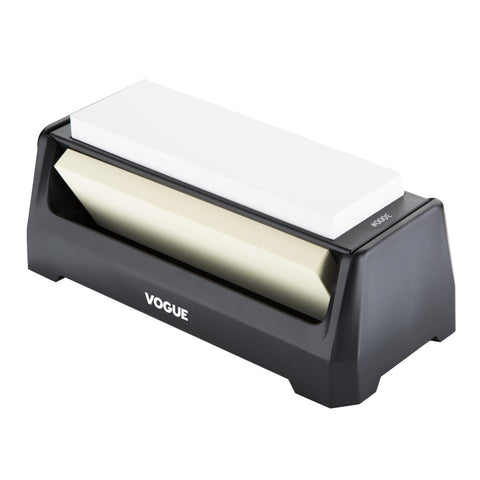
 Vogue Stone Knife Sharpening Kit - CX055
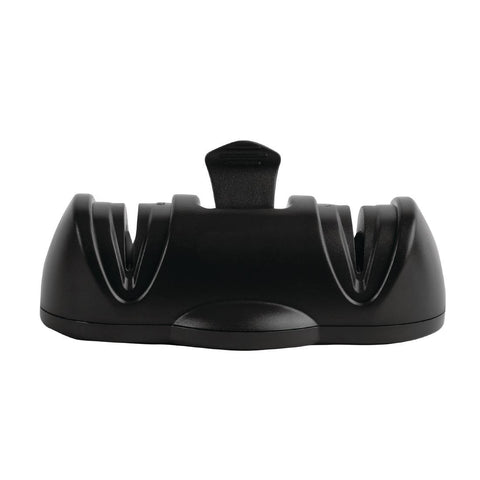
 Vogue Manual 2 Stage Knife Sharpener with Suction Base - GJ518
70(W) x 40(H) x 130(D)mm
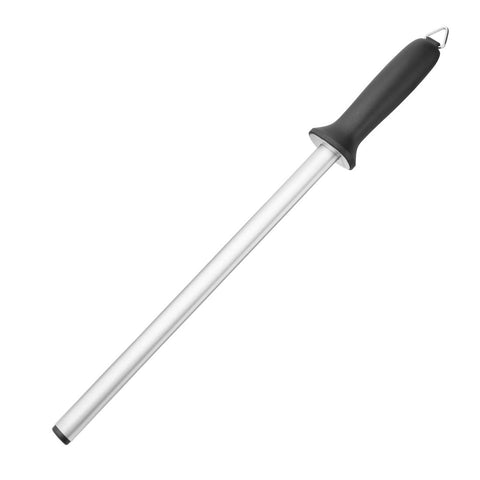
 Vogue Diamond Sharpening Steel 300mm - D161
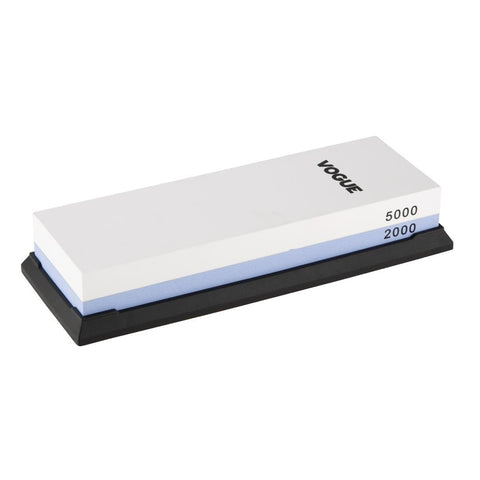

Knive sharpeners put a working edge back on a blade that has stopped cutting. A blunt knife is slower, gives a worse cut and causes more injuries than a sharp one, because it slips rather than bites.
There are two separate jobs. A steel hones — it realigns an edge that has rolled over — and that is a daily, thirty-second task. A knife sharpener removes steel and creates a new edge, and that happens far less often. Confusing the two is why knives wear out early.
Options run from a pocket pull-through to a bench stone to an electric commercial knife sharpener with powered wheels. Volume and who is using it decide: a stone gives the best result and needs skill, an electric unit gives a consistent result from anyone. A commercial kitchen knife sharpener on the bench means the job actually gets done.
After a knife sharpening machine commercial kitchens can run without training? The price guide puts steels, stones, pull-throughs and powered units on the one page with prices.
Both, and they are not alternatives. A steel is used every shift to straighten the edge; a sharpener is used when honing no longer brings the knife back.
If a kitchen owns only one, make it a steel. The commercial knives range covers the blades it keeps working.
Electric units give a repeatable angle, which is what you want when several people of varying skill share a kitchen. Manual stones give a better edge in trained hands and cost far less.
Pull-through sharpeners sit between the two: fast, consistent, and they remove more steel than a stone does, which shortens blade life. For a busy line that is usually an acceptable trade.
Honed at the start of every shift. Properly sharpened when the blade stops biting into a tomato skin under its own weight, which depends entirely on volume and what is being cut.
Cutting on a hard surface is the main cause of early blunting. Use the chopping board range rather than stainless or glass.
Not on a steel or a standard pull-through, which only touch the tooth tips. A serrated edge needs a tapered rod worked through each gullet, or a service.
Many kitchens treat a bread knife as a consumable for this reason. Check the sharpener is rated for serrations before buying for that job.
It follows the knife. German-style blades are typically ground at a wider angle for durability; Japanese-style blades at a narrower one for sharpness.
Sharpening a Japanese blade on a device set for a European angle removes the fine edge it was bought for. The angle a specific blade is ground to is on its product page, and specifications explains how we list it.
A powered wheel in careless hands will take a great deal of steel off and overheat the edge, and both are irreversible. A santoku or a thin fillet knife is easy to ruin this way.
Use a stone or a service for the good blades and the powered unit for the workhorses. One device for everything is the risk.
One person, trained, on a schedule — not whoever is free. Inconsistent sharpening produces an inconsistent edge and wastes steel.
Store the sharpener where that person works, near the knife storage, so it becomes part of putting knives away rather than a separate task.
For a kitchen with a lot of blades, or expensive ones, yes. A service re-grinds correctly and returns a consistent edge, and it costs less than replacing knives early.
Keep a steel and a spare set of kitchen knives so the section is not short while blades are out.

We have a special page just for stock that's warehoused in Perth.
Click Here to see all WA stockWhat our customers say about us on Google, and how Google scores our store for things like shipping and returns.
Store scores from Google