


 03 9070 5784
 Help & Support
 Track My Order



Recently Viewed

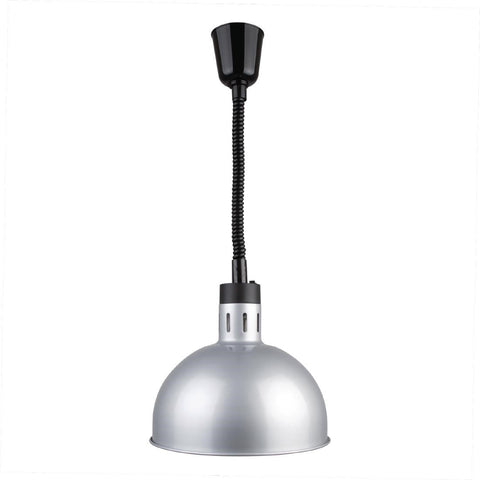

 Apuro Retractable Dome Heat Lamp Shade Silver Finish - DY461-A

 Apuro Heated Banquet Cabinet 16 x 2/1GN - CP829-A
807(W) x 1770(H) x 885(D)mm
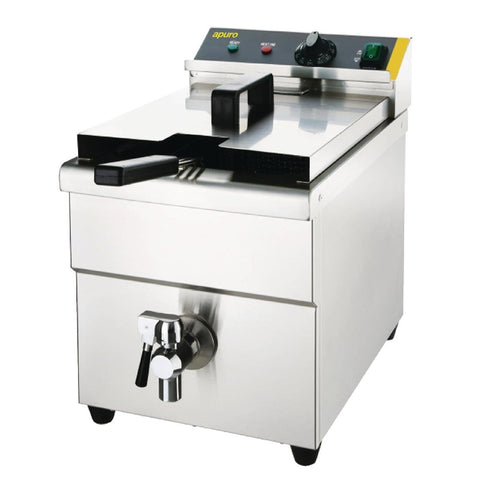
 Apuro Single Tank Single Basket Induction Fryer 8Ltr - CP793-A
290(W) x 415(H) x 440(D)mm
 Apuro Meat Slicer 220mm - CD277-A
445(W) x 457(H) x 445(D)mm

 Tecnodom 4X600X400 Tray Convection Oven TDE-4B
775(W) x 720(D) x 560(H)mm

 Benchstar Single Tank Electric Fryer 2.4Kw TEF-81KW
285(W) x 440(D) x 305(H)mm
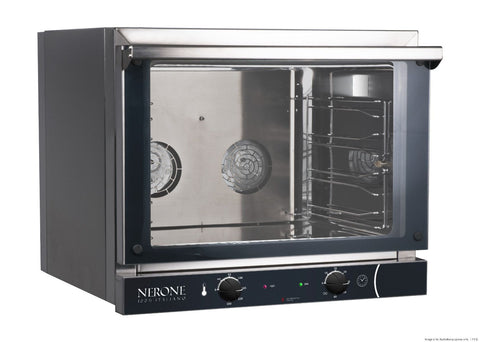
 Tecnodom By Fhe 4X1/1GN Tray Convection Oven TDE-4CGN
589(W) x 660(D) x 580(H)mm

 Matador Tank Lid - SV-TL
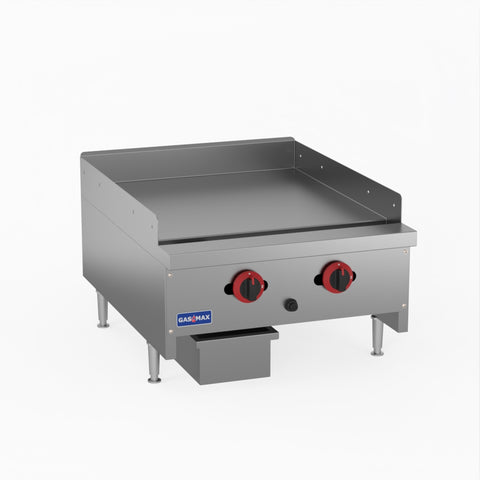

 GasMAX Two Burner Griddle Lpg RGT-24ELPG
610(W) x 850(D) x 420(H)mm
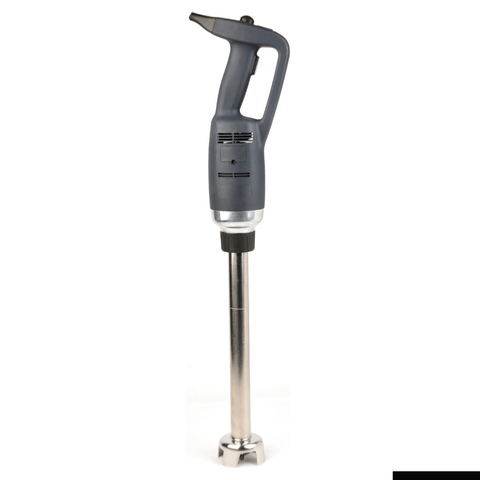

 Yasaki Variable Speed Stick Blender 450 Shaft ISB450V
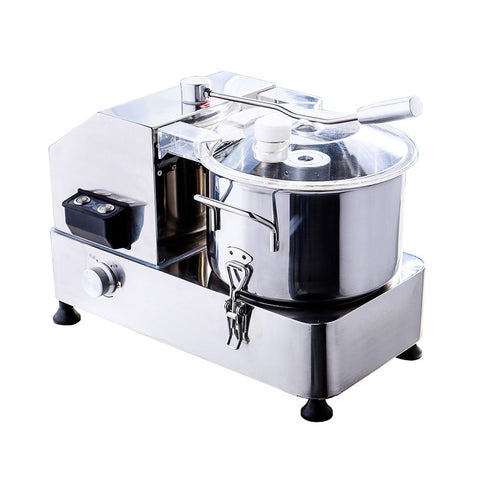
 VC Compact Food Process 6L HR-6
565(W) x 365(D) x 440(H)mm
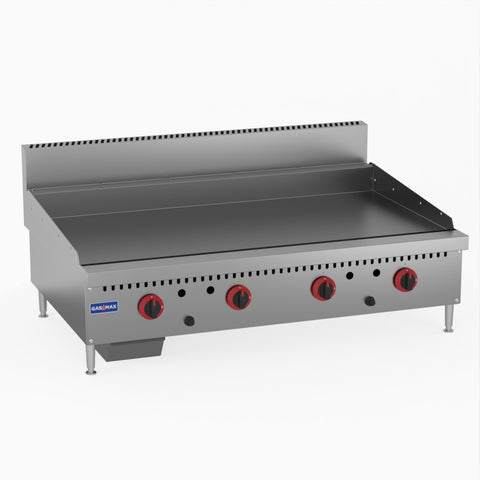
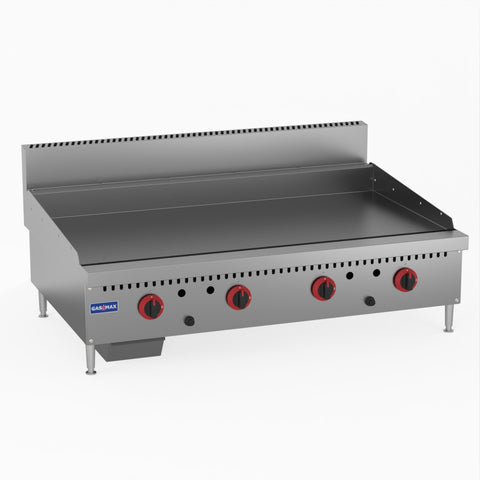 GasMax GG-48 Four Burner NG Griddle Top - Natural Gas/LPG
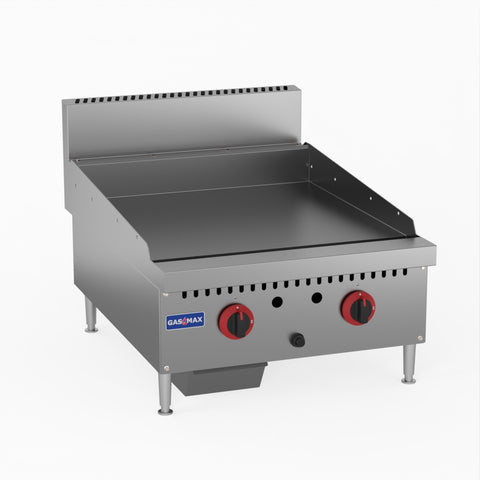
 GasMax GG-24 Two Burner Griddle Top - Natural Gas/LPG

 Anvil Panini Press Double Ribbed Top Flat Bottom - TSS3000
570(W) x 205(H) x 378(D)mm

 Nemco Easy Wedger 6 Section - NEW0006
200(W) x 480(H) x 200(D)mm
 Nemco Easy Chopper II 9mm - NEC0002
250(W) x 512(H) x 250(D)mm
 Anvil Deep Fryer Double Pan - FFA0002
577(W) x 288(H) x 470(D)mm
 Anvil Chip Warmer - CDA1003
346(W) x 596(H) x 681(D)mm

 Elementry Stainless Steel Double Cabinet Plate Warmer 120 Plates - PW-DE
750(W) x 476(D) x 850(H)mm
750(W) x 485(D) x 850(H)mm


 Robalec Rice Warmer - SW9600
430(W) X 430(D) X 425(H)mm


 Hallde Vegetable Preparation Machine RG-100 - RG-100
215(W) X 295(D) X 495(H)mm
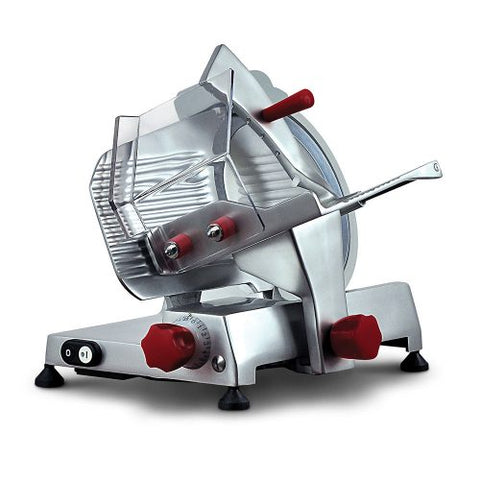

 Roband Noaw Manual Gravity Feed Slicers - Medium Duty, 220mm blade - NS220
590(W) X 430(D) X 370(H)mm


 Roband Double Pan Frypod 2 x 5lt - FR25
570(W) X 480(D) X 335(H)mm
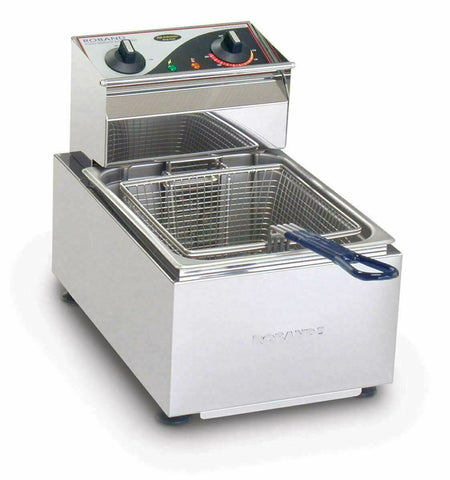
 Roband Single Pan Fryer 5lt - F15
275(W) X 425(D) X 340(H)mm

 Apuro 5L Single Electric Fryer - CU617-A
270(W) x 305(H) x 410(D)mm
 Apuro Bistro Double Contact Grill - CU605-A
570(W) x 200(H) x 310(D)mm


 Vogue Vacuum Smooth Bag Roll 280mm Twin Pack - CK323
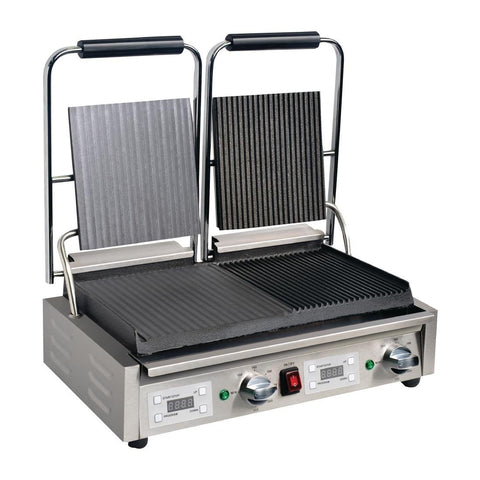
 Apuro Double Contact Grill Flat / Ribbed Plates with Timer - FC386-A
550(W) x 210(H) x 395(D)mm
 Apuro Retractable Conical Heat Lamp Shade Copper Finish - DY463-A

 Apuro Countertop Cast Iron Griddle - DC900-A
440(W) x 230(H) x 365(D)mm
 Tecnodom 4X1/1GN Tray Digital Convection Oven TDE-4CGND
686(W) x 663(D) x 580(H)mm
 Yasaki CoMMercial Bench Top Vacuum Packing Machine ZJ-VM400B2
560(W) x 500(D) x 460(H)mm
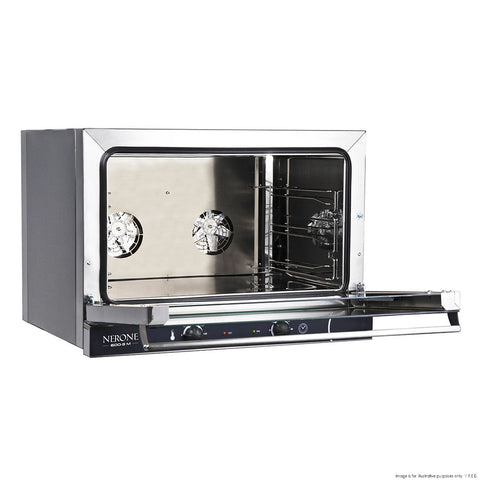
 Tecnodom By Fhe 3X600X400MM Tray Convection Oven TDE-3B
775(W) x 700(D) x 560(H)mm
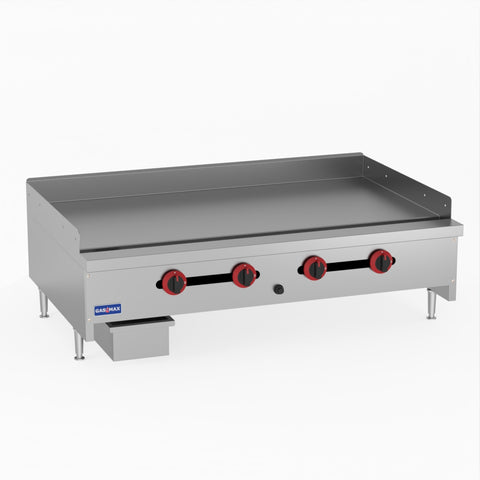
 GasMAX Four Burner Griddle RGT-48ELPG
1216(W) x 850(D) x 420(H)mm

 Benchstar Pull down heat lamp black 290mm Round HYWCL14
290(W) x 290(D) x 600 - 1500(H)mm
 GasMAX Four Burner Ng Griddle Top - GG-48
1200(W) x 824(D) x 546(H)mm

 Orved Vacuum Sealer Idea 30 - VMO0030
425(W) x 398(H) x 504(D)mm

 Tre Spade Electric Tomato Squeezer - TSE0004
330(W) x 300(H) x 580(D)mm
 Nemco Easy Scooper Tomato Corer - NTS55875
N/A(W) x N/A(H) x N/A(D)mm
 Nemco Easy Wedger 8 Section - NEW0008
200(W) x 480(H) x 200(D)mm
 Tre Spade 20mm Sausage Funnel - MNS0008
320(W) x 430(H) x 200(D)mm
 Tre Spade Meat Mincer Size 22 - MNS0022
240(W) x 430(H) x 505(D)mm
 Anvil 250mm Meat Slicer - Belt Driven - MSA3250
483(W) x 368(H) x 280(D)mm
 Anvil Heavy Duty Meat Mincer No 12 - MGT3012
600(W) x 310(H) x 260(D)mm
 Anvil Double Door Warming Cupboard - HCA0002
750(W) x 850(H) x 450(D)mm

 Tre Spade Atacama Cube Dehydrator - DCT1001
260(W) x 270(H) x 350(D)mm
 Anvil Convection Oven - Prima Pro With Grill - COA1004
602(W) x 596(H) x 652(D)mm
 Yasaki 2mm Slicer Poly Disc - Three Blade SP002
 Elementry Stainless Steel Single Cabinet Plate Warmer 60 Plates PW-SE
450(W) x 476(D) x 850(H)mm
450(W) x 485(D) x 850(H)mm
 GasMAX Benchtop Lpg Gas Combo 1/2 Char & Griddle - JUS-TRGH60LPG
600(W) x 650(D) x 475+60(H)mm

 Robalec Soup Kettle - SW1200
405(W) X 405(D) X 370(H)mm

 Robalec Rice Cooker & Warmer - SW6000
470(W) X 470(D) X 360(H)mm
When you’re setting up a new industrial kitchen, are refurbishing an out-dated one, or simply want to expand your menu and cooking capabilities, having the right commercial kitchen appliances is essential. No matter how you like to cook, what your menu looks like, whether you’re looking for smart storage solutions or need appliances that are portable for food trucks and catering companies, you’ll find what you need here. This is the parent collection for the lot, covering everything from spice grinders and sausage fillers to food processors, holding cabinets and even food delivery robots.
Explore the range here at Restaurant Equipment Online, with top brands from the commercial industry and reliable, Australia-wide shipping no matter where you’re located. From butchers and bakers to delis, retail spaces, and large scale venues, we have top quality appliances and tools to cater to you. Shop and order online today!
When you’re needing to get through anything from slicing vegetables for pizzas or soups to mixing or blending, there are a few essential options to add to your list. Vegetable prep machines and stick blenders or food processors are great for a myriad of tasks, no matter what your menu looks like. From chopping and slicing to getting the perfect consistency for everything from soups and sauces to gravies and jams, being able to quickly chop and slice before blending or cooking can save some serious labour hours.
Choosing the right appliance capacity should start with a little bit of calculation in terms of your average daily output and weighing that against how much stock you have or need to have during your peak hours. Ideally, choosing appliances that can help you create, cook, or prep an extra 20% to 30% of what you currently need is ideal. This gives you some flexibility in terms of when your business grows or for those especially busy days, but also means you’re not likely to overwhelm your equipment or need to upgrade again too quickly.
Make sure you have commercial kitchen appliances that can at minimum match your highest demand, meaning you won’t run short on stock. Equally, you may want to consider pre-prep and storing additional stock where possible, so if you’re lacking space for larger appliances, invest in good refrigeration to give you chilled storage for spare stock.
You may have a mix of appliances, some you use more frequently than others, which is where the light-duty vs heavy-duty distinction comes in. Light duty appliances are usually options you’d reach for when you’re making smaller batches, something with more delicate work, or you only need them for specific tasks. They’re common in compact cafes or more boutique catering businesses.
In contrast, heavy-duty commercial appliances are the ones you’ll be using for high-volumes and on a regular basis - whether that’s daily before you open or continuously throughout the work day. They’re made with larger volumes in mind, often have harder-wearing parts and give you some serious reliability even when you’re operating at peak rush hour.
Depending on the kitchen appliances you’re looking at, there are certain additional safety features you’ll want to consider. Things like meat slicers for example should have guards installed, along with emergency stop switches and foot grips to ensure they’re nice and sturdy on the table.
When it comes to benchtop cooking appliances like gas griddles or anything with a flame, having a flame failure device is important for staff safety during operation. This means if the flame is blown out, the gas supply will shut off automatically to prevent ambient gas leaking into your cooking space.
You’ll want to look at things like grease gutters, removable trays that catch stray cooking debris, and the materials the appliance you’re considering is made from. Cleaning stainless steel is simple, it’s easy to sanitise properly, and it’s corrosion resistant too. Some commercial food prep equipment will have removable parts that can go in the dishwasher, allowing you to get things cleaned efficiently with less labour hours. Look at where you currently spend the most time cleaning, consider what kind of appliances you’re upgrading, and if you need help with specific recommendations, please contact the team at REO for more support.
Power supply and requirements are important, so you’ll need to consider whether you want gas or electric, and if you do opt for electric appliances whether it’s single phase or three phase. If you don’t already have a gas supply in the areas you need it, having a professional come to set it up is key. Equally, for space considerations, making sure you’ve got adequate floor or bench space for any commercial kitchen appliances you’re looking at purchasing is important. Consider the flow of the kitchen and how it fits together in terms of your prep situation. If you need help, we can consult with you to find the right kind of appliances for your space, staff, and cooking preferences.
Deciding whether you need a single-purpose appliance or something that can get a lot of tasks done comes down to your menu, space availability, and the complexity of your everyday tasks. Certain appliances that only do one job can’t always be easily replaced or replicated by multi-purpose models, meaning if you need something prepared or cooked a specific way, you’ll likely need to invest in a single-purpose appliance. Some examples would include ice cream makers or sausage fillers. They’re also often the most reliable and when something is made for one job, they do it incredibly well.
Multi-purpose appliances are great when it comes to enabling your chef to experiment a little more. Whether it’s something that can be used in a few unique ways, can prep different ingredients faster and more consistently, or helps with kitchen efficiency, multi-purpose appliances are versatile enough for regular use for more than one job, reducing the volume of tools you need to maintain, clean, service and find space for in your commercial kitchen.
Consistent maintenance is always going to be important when it comes to getting the best performance but also ensuring you get the best return on investment. Check the manufacturer guidelines to see if there’s any specific instructions regarding cleaning or servicing that needs to be done. Depending on the appliance, things like filter changes, adding lubrication to moving parts, and blade sharpening may be more niche tasks you need to do. If it’s a more complex appliance, periodic checks and servicing might be required too.

We have a special page just for stock that's warehoused in Perth.
Click Here to see all WA stockWhat our customers say about us on Google, and how Google scores our store for things like shipping and returns.
Store scores from Google