


 03 9070 5784
 Help & Support
 Track My Order




Recently Viewed
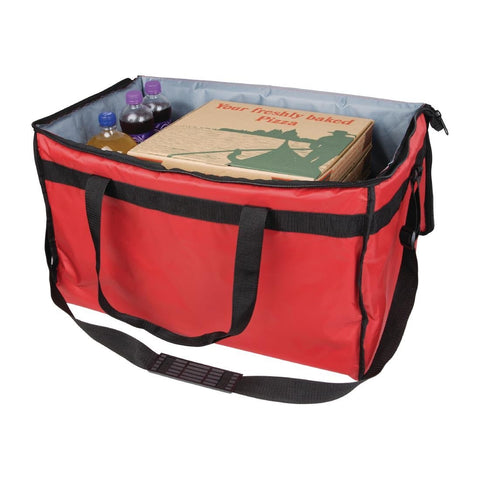

 Vogue Polyester Insulated Food Delivery Bag Large - GG141
580(W) x 355(H) x 380(D)mm
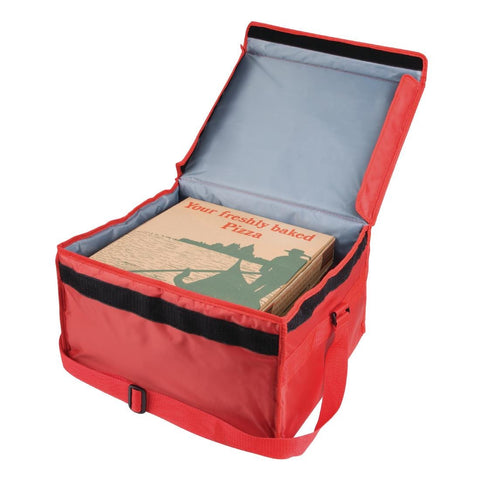
 Vogue Insulated Food Delivery Bag - S483
340(W) x 420(H) x 250(D)mm
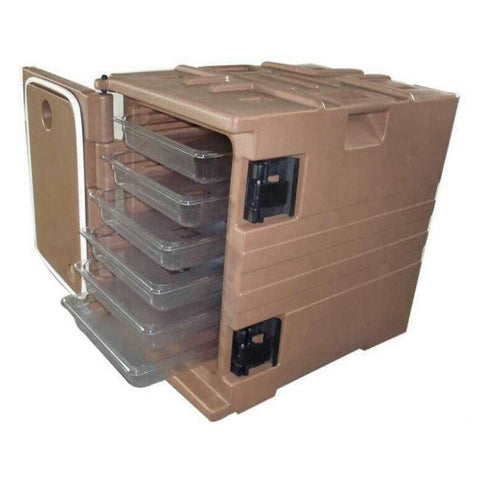

 Food Tek Insulated Front Loading Pan Carrier IPC90
460(W) x 660(D) x 630(H)mm
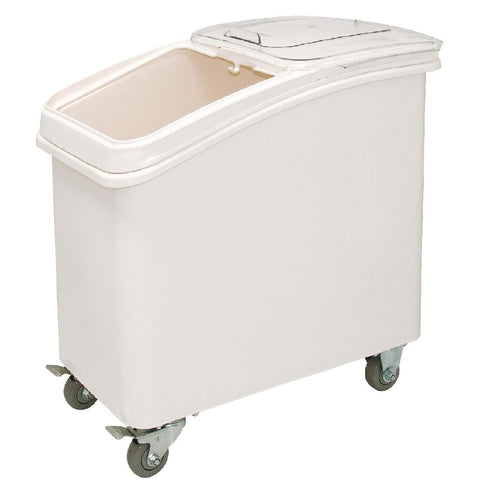
 Vogue Ingredient Bin with Scoop 81Ltr - GD026
328(W) x 740(H) x 745(D)mm
 Vogue Ingredient Bin 18Ltr - GJ498
305(W) x 420(H) x 600(D)mm
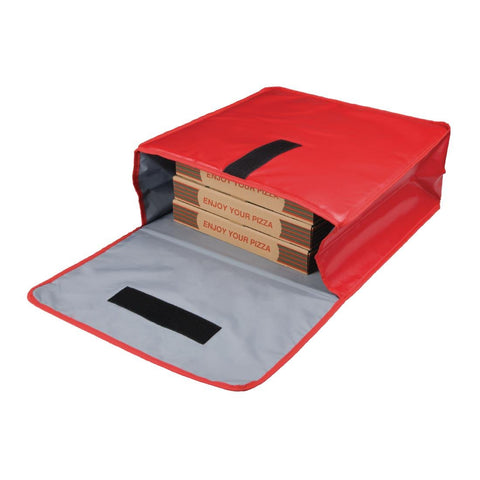
 Vogue Insulated Food Delivery Bag Large - S482
450(W) x 195(H) x 455(D)mm
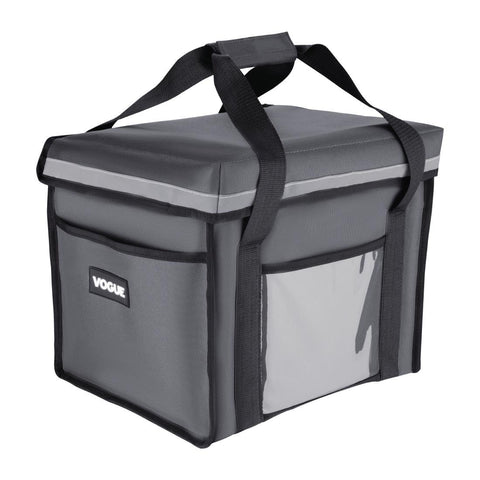
 Vogue Insulated Folding Delivery Bag Grey 380x305x380mm - FR225
380(W) x 380(H) x 305(D)mm
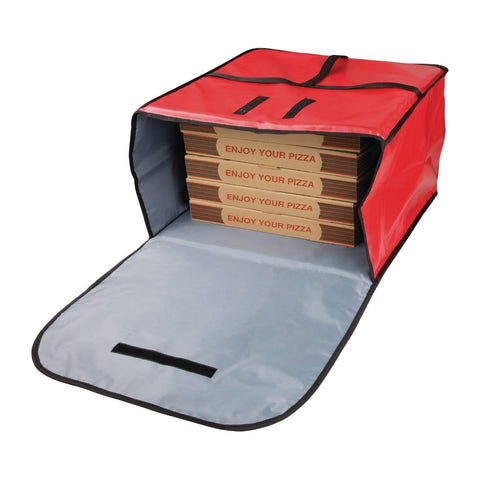
 Vogue Insulated Pizza Delivery Bag Large - GG140
510(W) x 305(H) x 510(D)mm
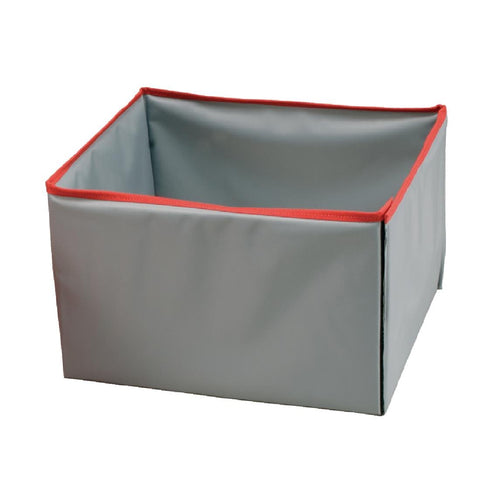
 Vogue Insert for Insulated Food Delivery Bag - S484
380(W) x 355(H) x 380(D)mm
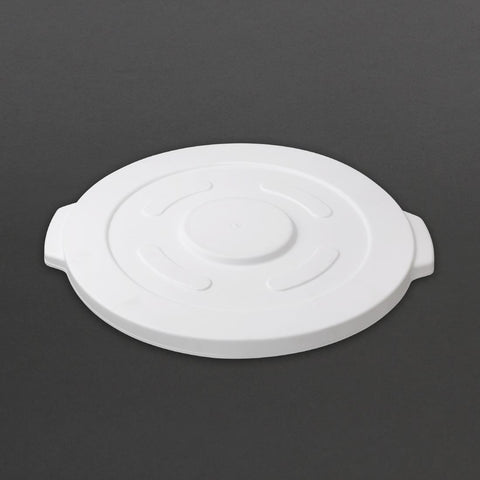
 Vogue Polypropylene Round Container Bin Lid - GG795
408(W) x 28(H) x 408(D)mm
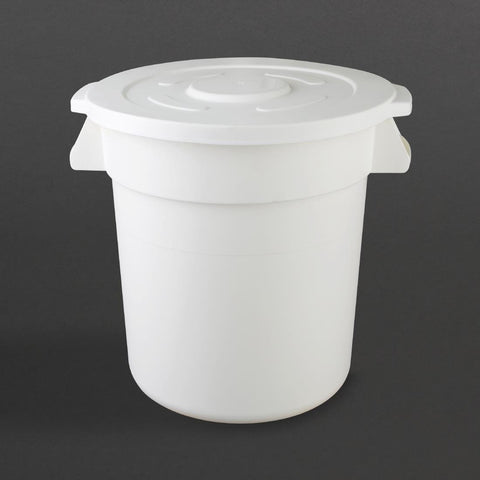
 Vogue Polypropylene Round Container Bin White 38Ltr - GG792
398(W) x 434(H) x 398(D)mm

 Vogue Perforated Plastic Storage Crate 542x360x290mm - DX998
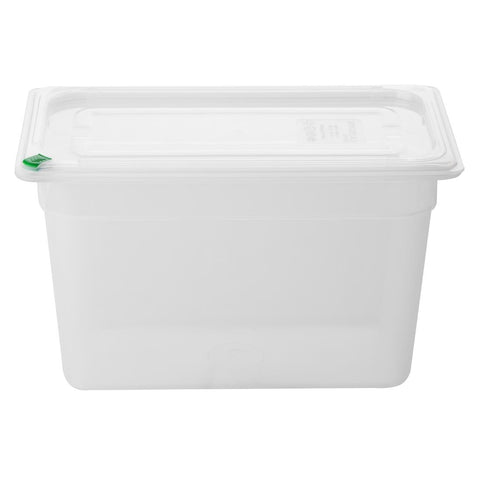

 Hygiplas Click PP 1/3 GN Container with Lid & 7 Colour Clips 200mm 6.9Ltr (4 Pack) - FZ094
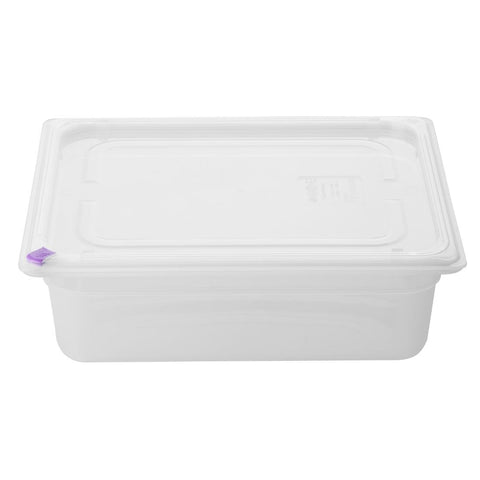
 Hygiplas Click PP 1/2 GN Container with Lid & 7 Colour Clips 100mm 5.9 Ltr (4 Pack) - FZ089
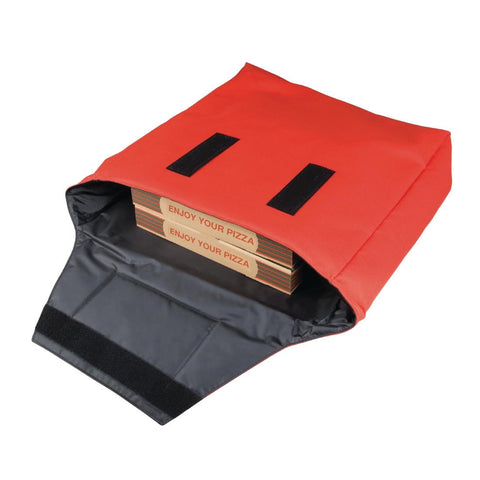
 Vogue Insulated Food Delivery Bag Small - S481
482.6(W) x 419.1(H) x 419(D)mm
 Vogue Ingredient Bin 38Ltr - GJ499
485(W) x 420(H) x 590(D)mm
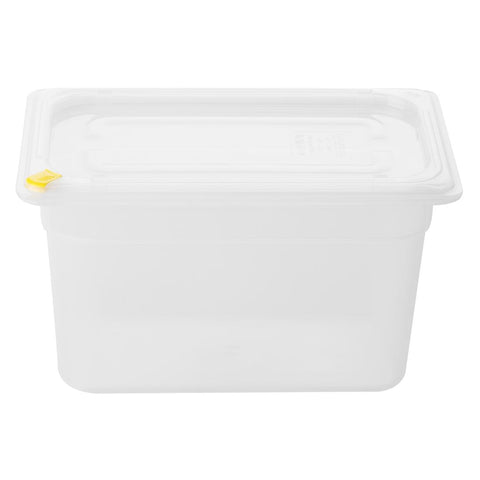
 Hygiplas Click PP 1/4 GN Container with Lid & 7 Colour Clips 150mm 3.7Ltr (4 Pack) - FZ096
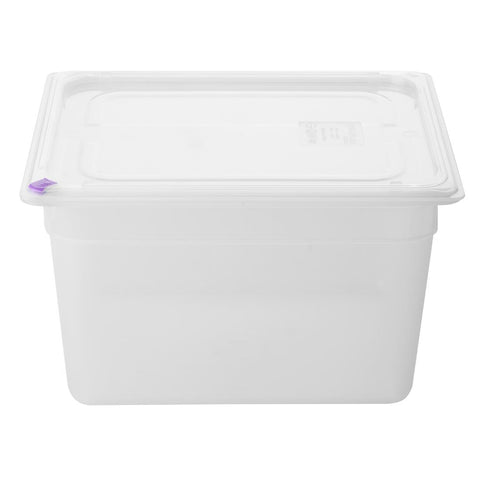
 Hygiplas Click PP 1/2 GN Container with Lid & 7 Colour Clips 200mm 11.7Ltr (4 Pack) - FZ091
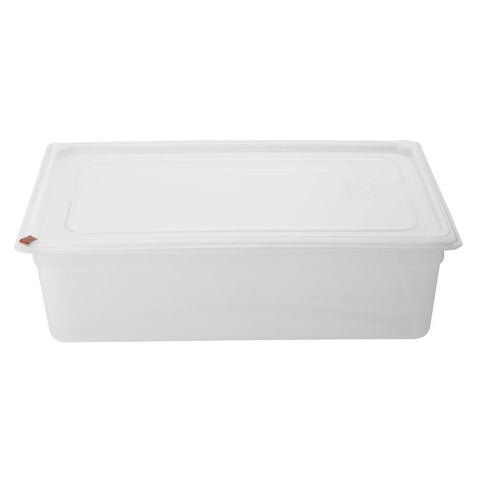
 Hygiplas Click PP 1/1 GN Container with Lid & 7 Colour Clips 150mm 19.5Ltr (2 Pack) - FZ087
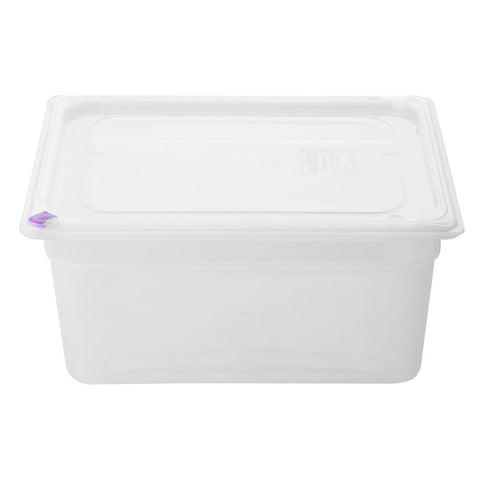
 Hygiplas Click PP 1/2 GN Container with Lid & 7 Colour Clips 150mm 8.9Ltr (4 Pack) - FZ090
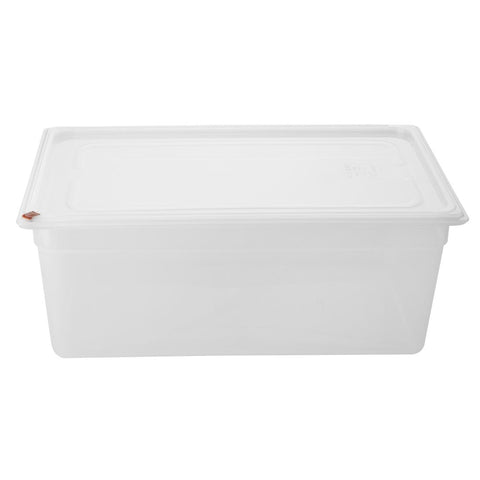
 Hygiplas Click PP 1/1 GN Container with Lid & 7 Colour Clips 200mm 25.6Ltr (2 Pack) - FZ088
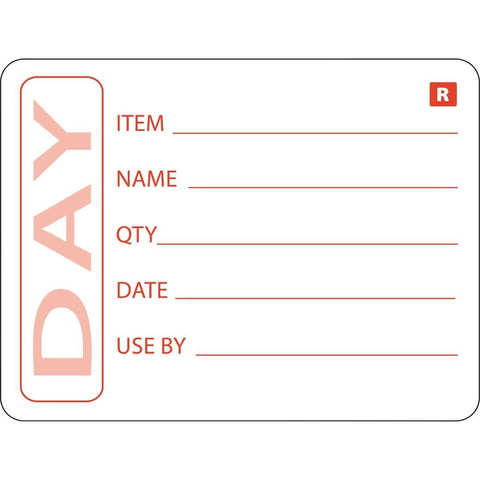
 Vogue Prepped Product Removable Labels - E148
65(W) x 49(H) x 65(D)mm
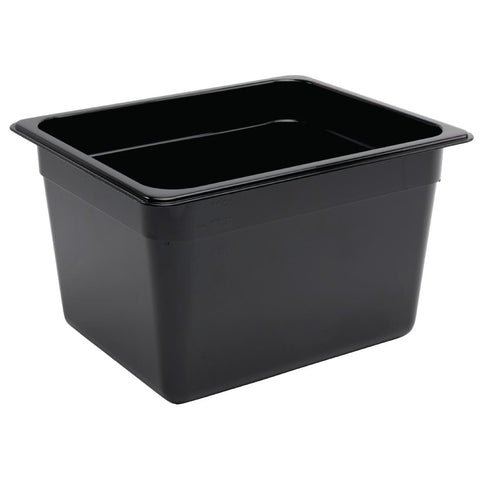
 Vogue Black Polycarbonate 1/2 Gastronorm Tray 200mm - U461
325(W) x 200(H) x 265(D)mm
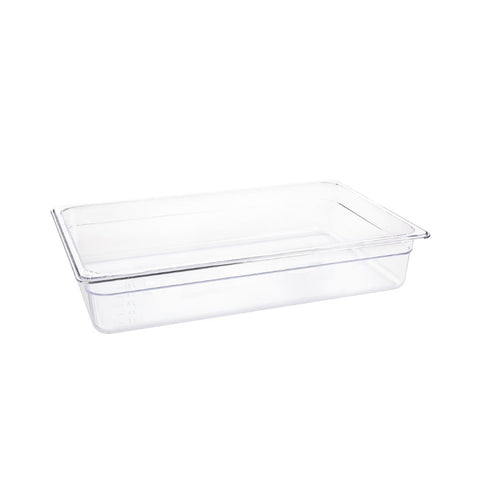
 Vogue Clear Polycarbonate 1/1 Gastronorm Tray 100mm - U225
530(W) x 100(H) x 325(D)mm
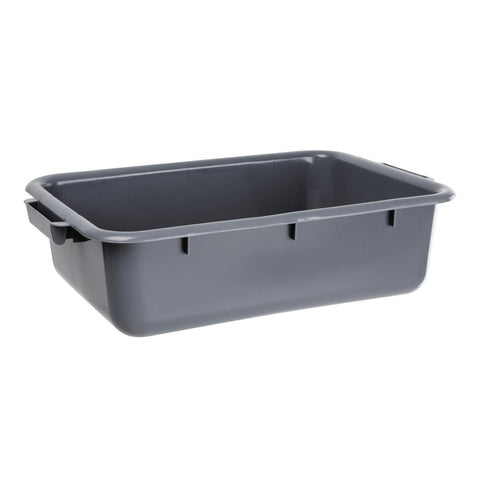
 Vogue Food Storage Box 380mm - J849
545(W) x 130(H) x 380(D)mm

 Vogue Ingredient Bin with Scoop 102Ltr - GD027
743(W) x 711(H) x 394(D)mm
 Food Tek and Ingredients Bin on Castors 81L - JW-S81
328(W) x 745(D) x 740(H)mm
 Food Tek and Ingredients Bin on Castors 102L - JW-S102
410(W) x 750(D) x 745(H)mm

 Hygiplas Polycarbonate Square Storage Container 10Ltr - HY404
312(W) x 206(H) x 312(D)mm
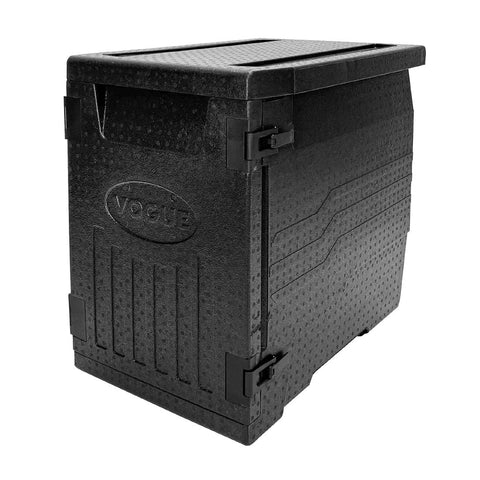
 Vogue Insulated EPP Food Transport Box 86Ltr GN Size - DX987
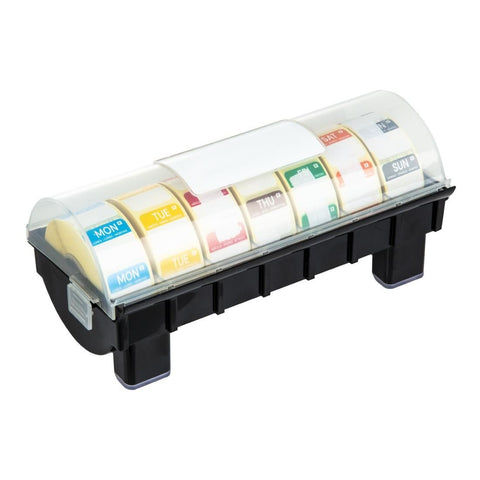
 Vogue Removable Colour Coded Food Labels with 1" Dispenser - GH473
330(W) x 64(H) x 133(D)mm
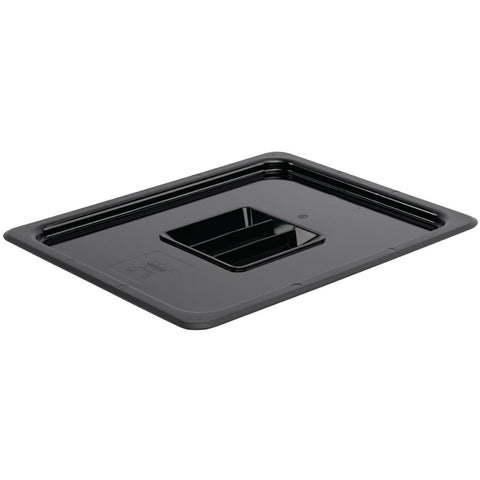
 Vogue Polycarbonate 1/2 Gastronorm Black Lid - U475
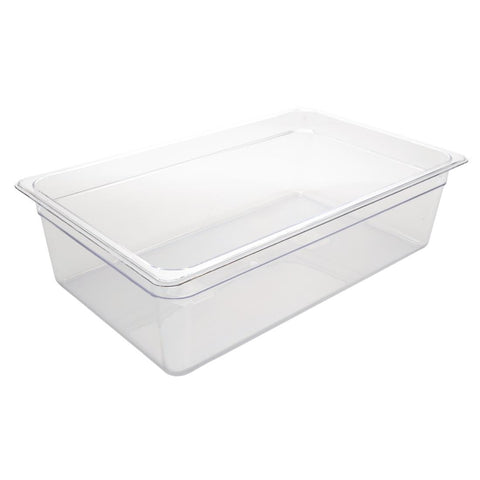
 Vogue Clear Polycarbonate 1/1 Gastronorm Tray 150mm - U226
530(W) x 150(H) x 325(D)mm
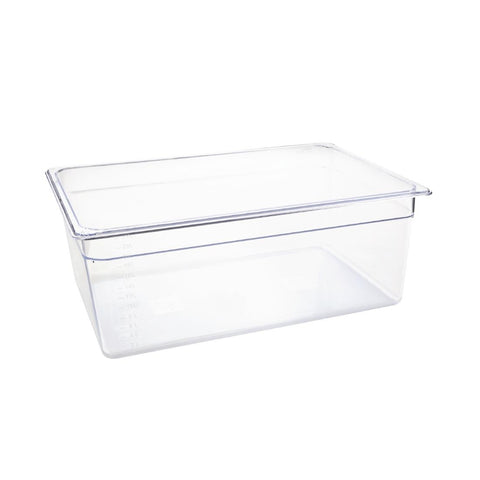
 Vogue Clear Polycarbonate 1/1 Gastronorm Tray 200mm - U227
530(W) x 200(H) x 325(D)mm
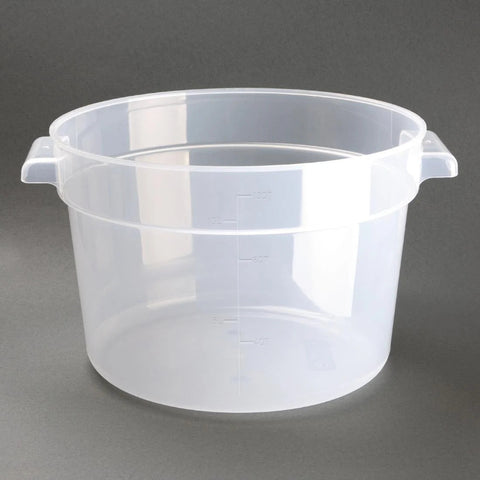
 Vogue Polypropylene Round Food Storage Container 10Ltr - DJ961
100(W) x 211.3(H) x 100(D)mm
 Food Tek Trolley Base For Top Loading Carrier CPWK-14
630(W) x 430(D) x 190(H)mm
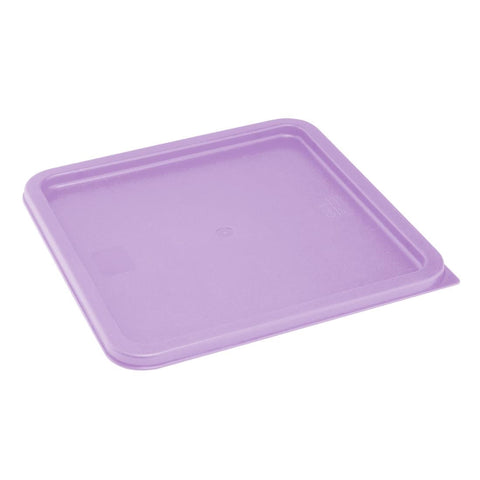
 Hygiplas Square Purple Lid to Fit 10/15/20Ltr Containers - HY427
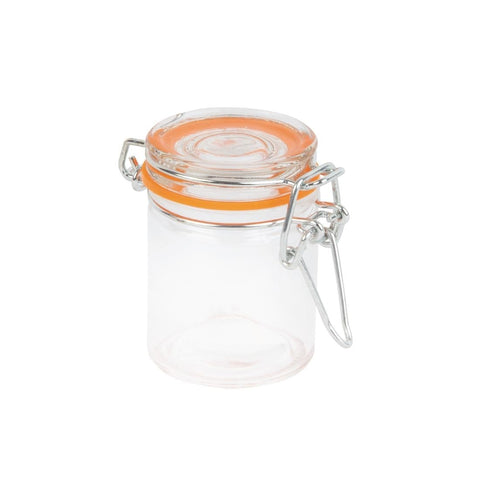
 Vogue Mini Glass Terrine Jar 50ml (12 Pack) - CG398
60(W) x 80(H) x 60(D)mm
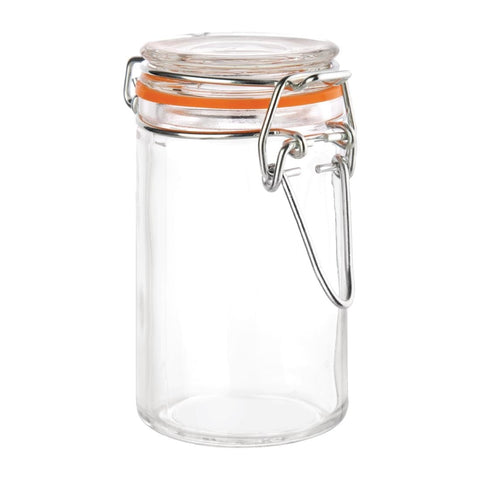
 Vogue Mini Glass Terrine Jar 70ml (12 Pack) - CG399
40(W) x 80(H) x 40(D)mm
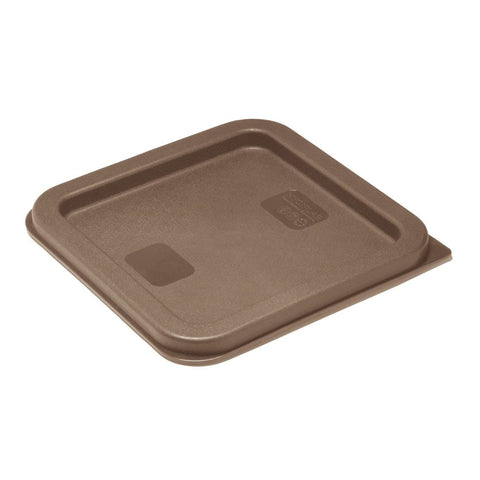
 Hygiplas Square Brown Lid to Fit 1.5/3.5Ltr Containers - HY422
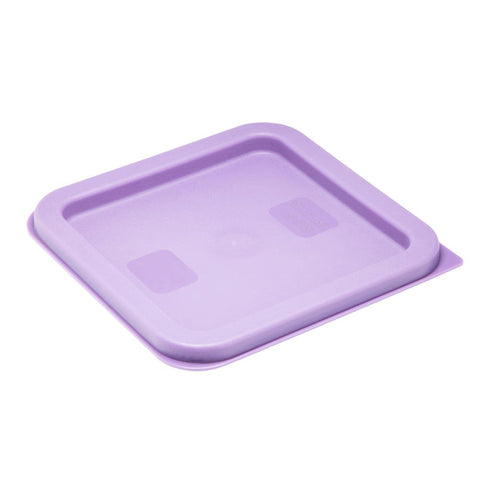
 Hygiplas Square Purple Lid to Fit 1.5/3.5Ltr Containers - HY425
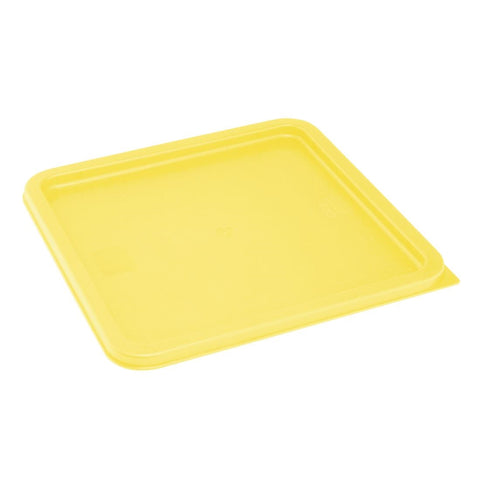
 Hygiplas Square Yellow Lid to Fit 10/15/20Ltr Containers - HY421
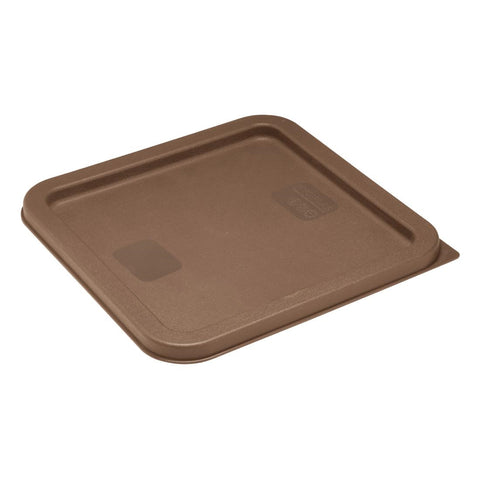
 Hygiplas Square Brown Lid to Fit 5.5/7Ltr Containers - HY423
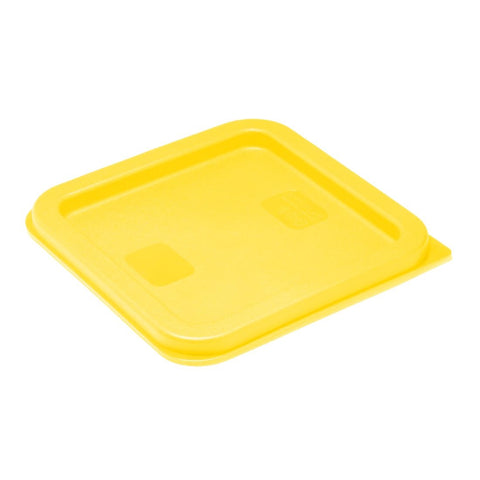
 Hygiplas Square Yellow Lid to Fit 1.5/3.5Ltr Container - HY419
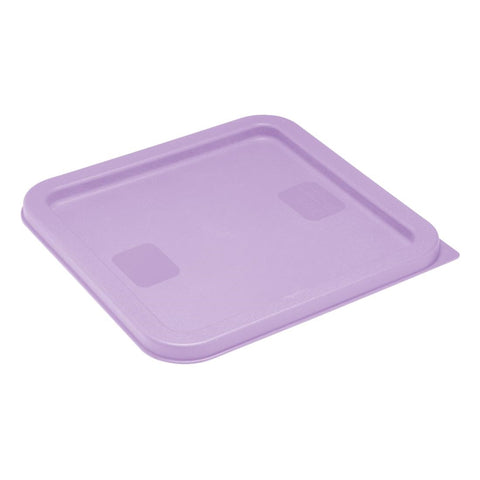
 Hygiplas Square Purple Lid to Fit 5.5/7Ltr Containers - HY426
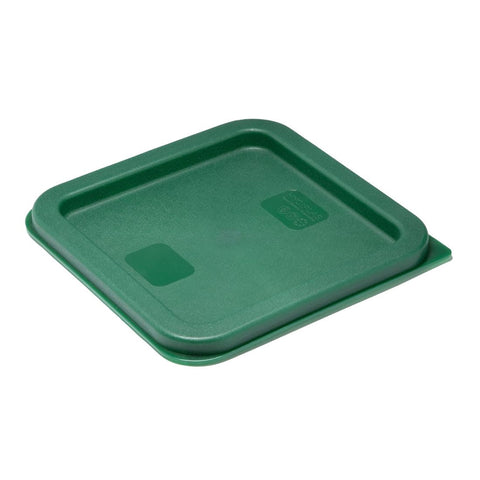
 Hygiplas Square Food Storage Container Lid Green Small - HY413
192(W) x 17(H) x 192(D)mm
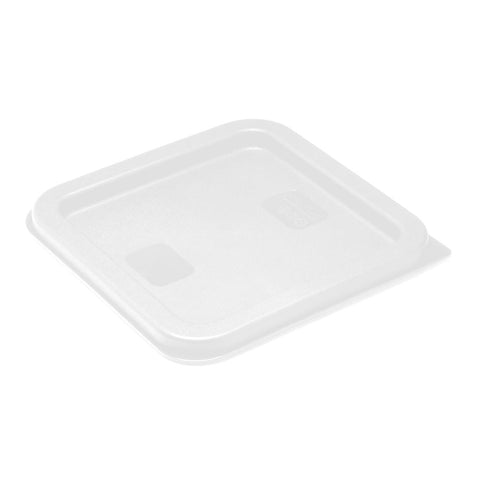
 Hygiplas Square Food Storage Container Lid White Small - HY416
192(W) x 17(H) x 192(D)mm

 Hygiplas Square Food Storage Container Lid Green Large - HY415
295(W) x 17(H) x 295(D)mm
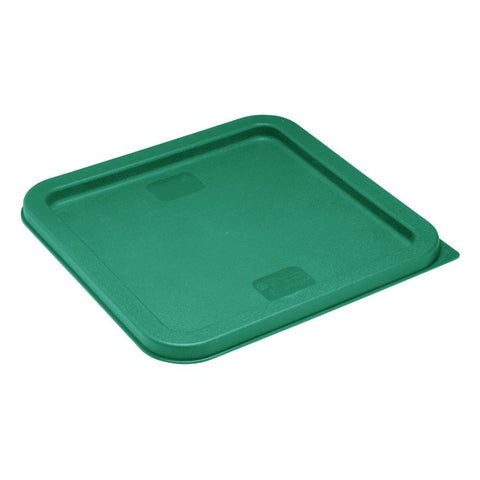
 Hygiplas Square Food Storage Container Lid Green Medium - HY414
231(W) x 17(H) x 231(D)mm
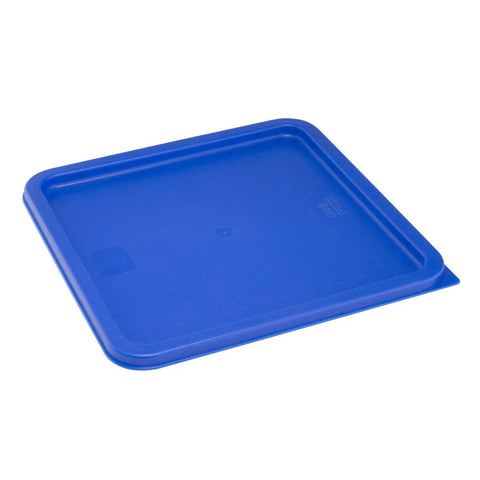
 Hygiplas Square Blue Lid to Fit 10-20Ltr Containers - HY412
295(W) x 17(H) x 295(D)mm
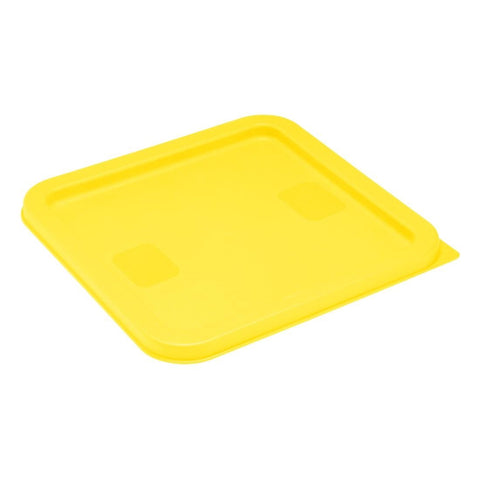
 Hygiplas Square Yellow Lid to Fit 5.5/7Ltr Containers - HY420
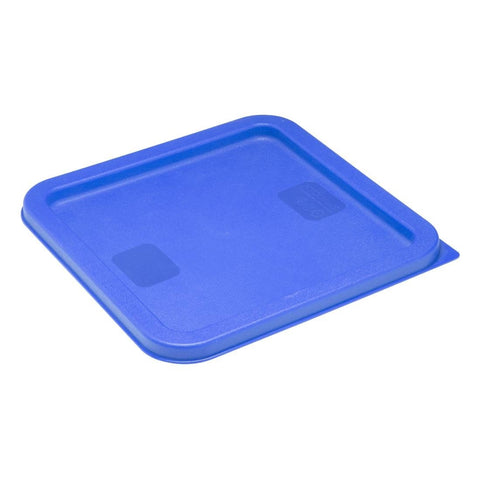
 Hygiplas Square Blue Lid to Fit 5.5/7Ltr Containers - HY411
231(W) x 17(H) x 231(D)mm
Commercial food storage containers, gastronorms, ingredient bins, insulated carriers and labels all do one job between them: keep prep identified, sealed and findable, so nothing is thrown out because nobody knew what it was.
The best decision in commercial kitchen storage is standardising on one dimensional family so lids interchange and containers stack. Mixed container families mean mismatched lids.
The range covers gastronorms and containers, kitchen storage boxes, ingredient bins, insulated food carriers, kitchen food labels and preserving jars.
Picking the container family to standardise on? The price guide lists the gastronorm sizes with prices, so you can see what a matched set costs before you commit to it. Standardising kitchen food storage across a whole site? get a quote and we will price the containers, lids and labels together.
Gastronorm sizes. Once your containers, inserts, lids and trays share one dimensional family, anything fits any shelf, any bain marie well and any coolroom rack, and you stop losing space to odd shapes.
Pick the family before you buy anything else. The gastronorms and containers range is the reference, and cool room shelving is sized around it.
Square for storage, round for anything poured or stirred. Square containers use shelf space efficiently and stack without gaps; round ones waste the corners but are easier to empty and scrape out completely.
Most kitchens run square in the coolroom and round for stock, sauces and anything decanted. Commercial food containers in both shapes are in the gastronorms and containers range.
Clear, nearly always. Being able to identify contents without lifting a lid saves time and stops the slow accumulation of unidentified tubs at the back of a shelf.
Opaque containers are cheaper and tougher, which suits bulk dry goods where the contents never change. Label both regardless.
With what it is, who made it and the date, every time, with no exceptions for things that are obvious. The tub that gets thrown out is always the one somebody did not label because they were going to use it that afternoon.
Dissolvable or removable labels save scrubbing adhesive off every container. See kitchen food labels.
Separated, with ready-to-eat above raw so nothing can drip down onto it, and in sealed containers rather than covered trays. That one piece of shelf discipline removes most of the cross-contamination risk in a coolroom.
Give raw protein its own shelf or its own unit where volume allows. The commercial fridges and cool rooms ranges cover the cold side.
Stainless or a container specifically rated for hot fill. Pouring hot stock into an unrated plastic container softens the wall and can deform the base, which is how a full container fails on a shelf.
Cool product down properly first, in shallow containers or a blast chiller, then decant. For transporting hot, use a rated insulated food carrier.
Enough commercial kitchen containers to hold a full day's prep with a working spare set in the wash, which is usually more than a first order allows for. A kitchen short on containers starts storing prep in whatever is free, and that is when labelling collapses.
Count your prep list, not your shelf space. Lids are the part that goes missing, so order spare lids separately.
Washed, rinsed and dried fully before being stacked, because water trapped between nested containers is where smells come from. Retire anything cracked, deeply scored or with unreadable markings.
Cracks and knife scores hold soil and cannot be cleaned properly. Most go through a commercial dishwasher; check the temperature rating for plastics.
Airtight seals and pest resistance more than temperature control. Flour, sugar and grains need to be off the floor, sealed and rotated, and a bin on castors is far easier to pull out and clean behind.
Scoops should live outside the bin, not buried in the product. See ingredient bins and kitchen scoops.

We have a special page just for stock that's warehoused in Perth.
Click Here to see all WA stockWhat our customers say about us on Google, and how Google scores our store for things like shipping and returns.
Store scores from Google