


 03 9070 5784
 Help & Support
 Track My Order




Recently Viewed

 Olympia Rectangular Presentation Fryer Basket - GG869
260(W) x 45(H) x 130(D)mm
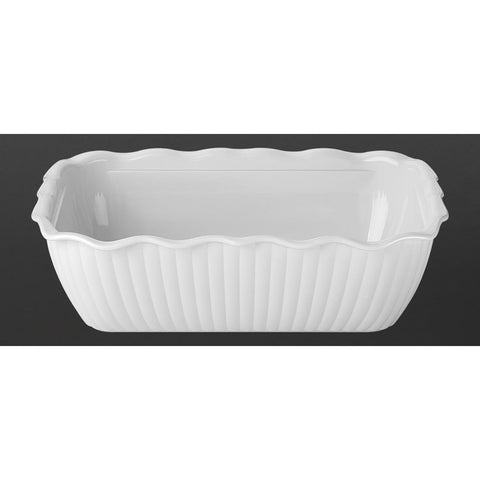
 Olympia Kristallon Medium Salad Crock - White - HY804
173(W) x 81(H) x 262(D)mm
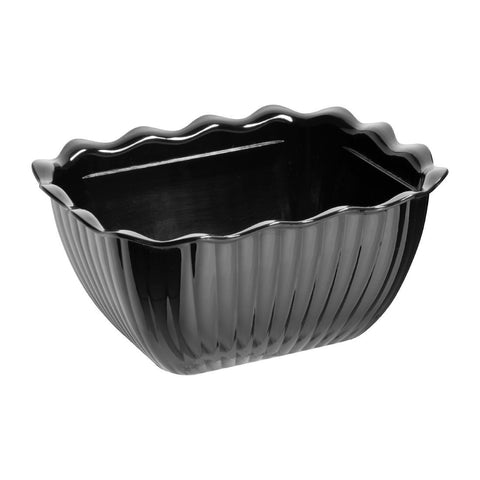
 Olympia Kristallon Small Salad Crock Black - HY806

 Olympia Kristallon Large Salad Crock - Black - HY800
265(W) x 82(H) x 333(D)mm
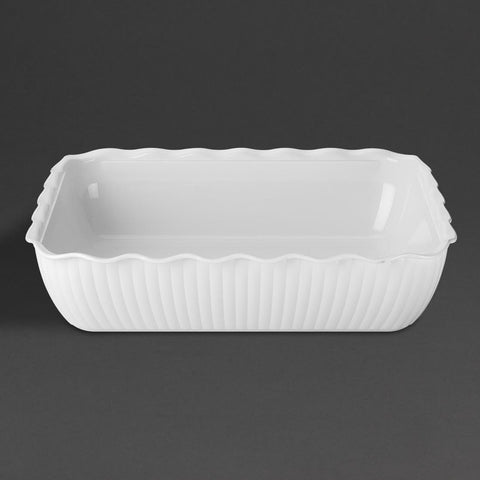
 Olympia Kristallon Large Salad Crock - White - HY801
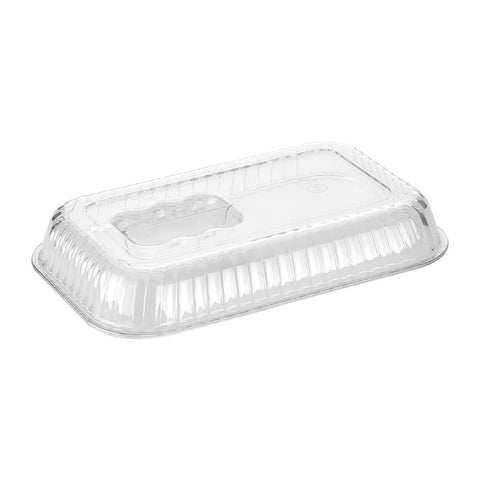
 Olympia Kristallon Raised Lid for Medium Salad Crock - HY805
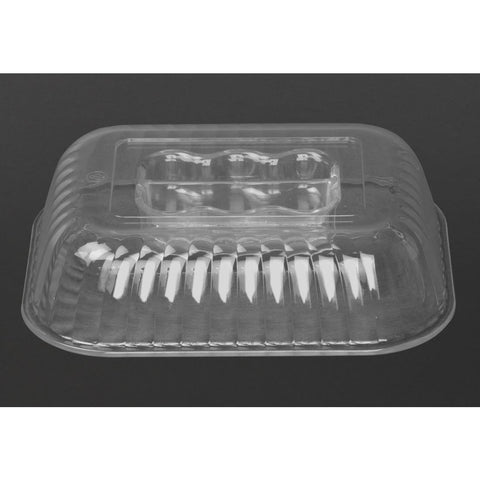
 Olympia Kristallon Raised Lid for Small Salad Crock - HY808
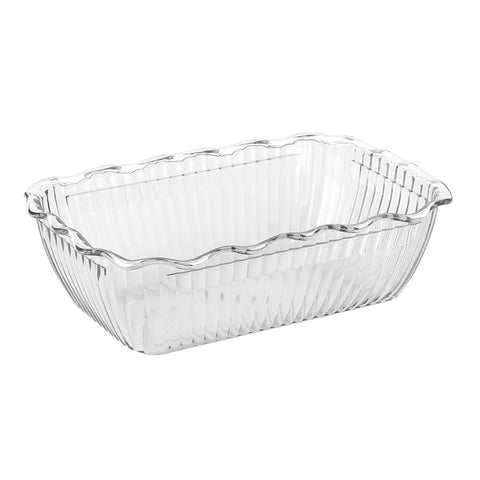
 Olympia Kristallon Medium Salad Crock - Clear - HY136
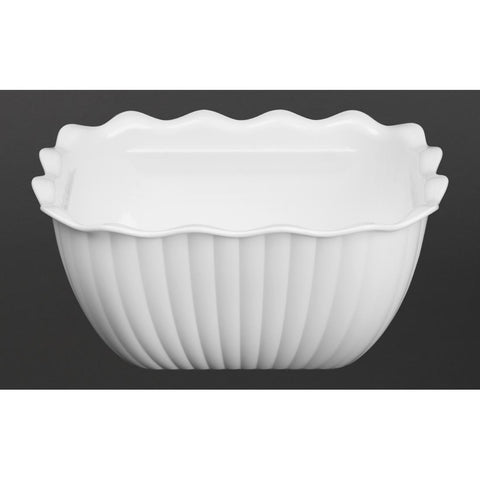
 Olympia Kristallon Small Salad Crock White - HY807
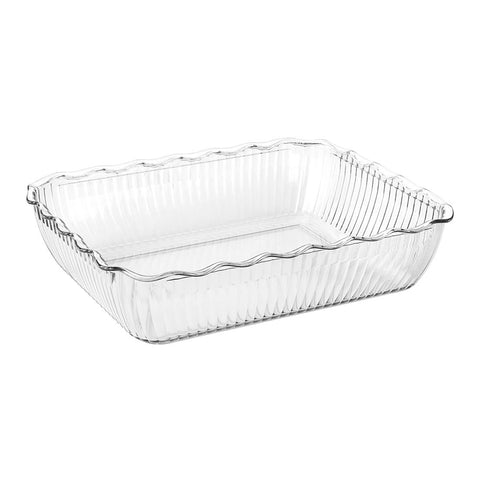
 Olympia Kristallon Large Salad Crock - Clear - HY135


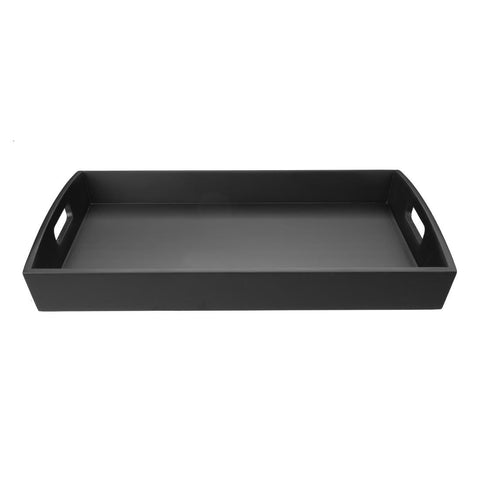
 Olympia Bamboo Black Large Serving Tray 510x350mm - DP883
350(W) x 70(H) x 510(D)mm

 Olympia Acacia Rectangular Tray 380x180mm - DP884
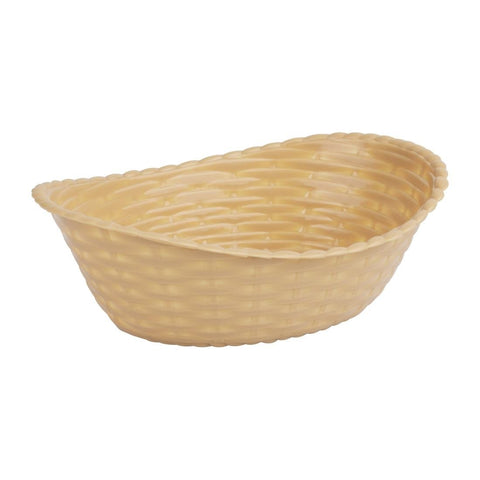
 Olympia Kristallon Oval Polypropylene Basket - P017
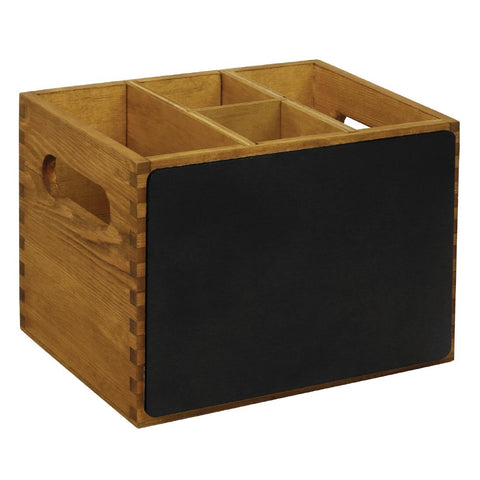
 Olympia Table Organiser with Blackboard - GM243
210(W) x 150(H) x 160(D)mm
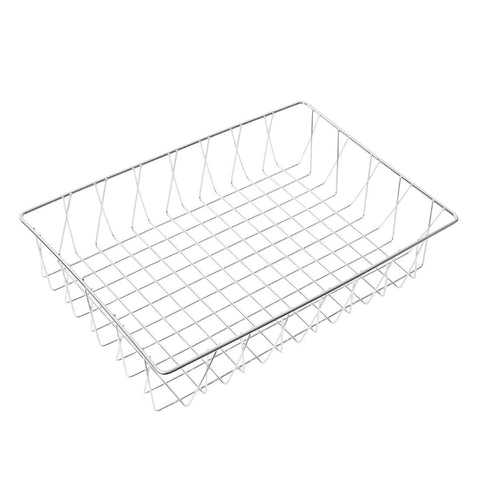
 Olympia St/St Wire Display Basket 450 x 300 x 100mm - GM223
300(W) x 100(H) x 450(D)mm
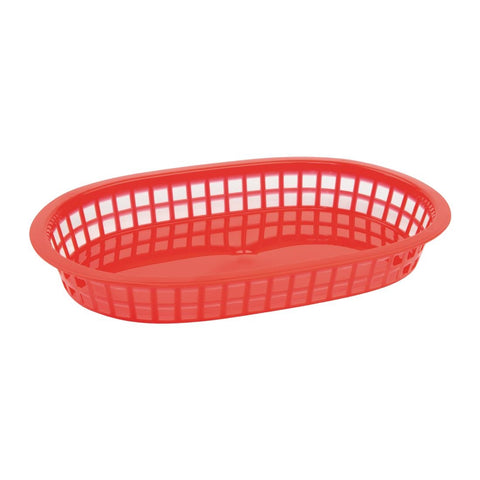
 Olympia Oval Polypropylene Food Basket Red (6 Pack) - GH967
275(W) x 40(H) x 175(D)mm
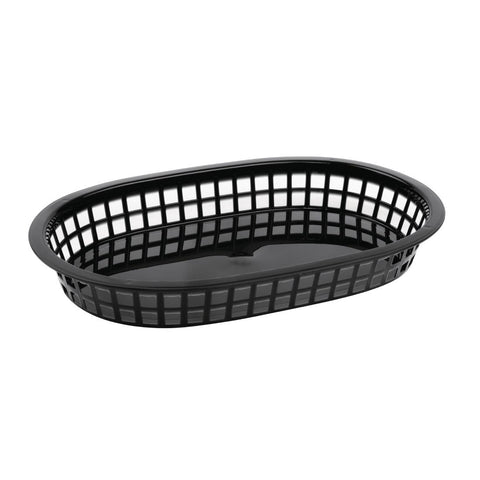
 Olympia Oval Polypropylene Food Basket Black (6 Pack) - GH969
275(W) x 40(H) x 175(D)mm
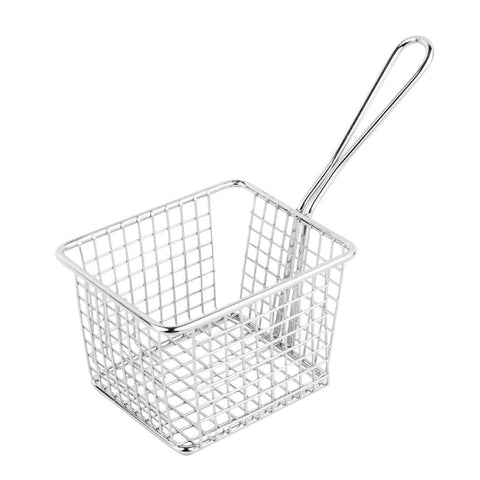
 Olympia Wire Fries Basket - GG867
120(W) x 80(H) x 100(D)mm
 Olympia Wire Square Presentation Basket Small - GG866
100(W) x 80(H) x 80(D)mm
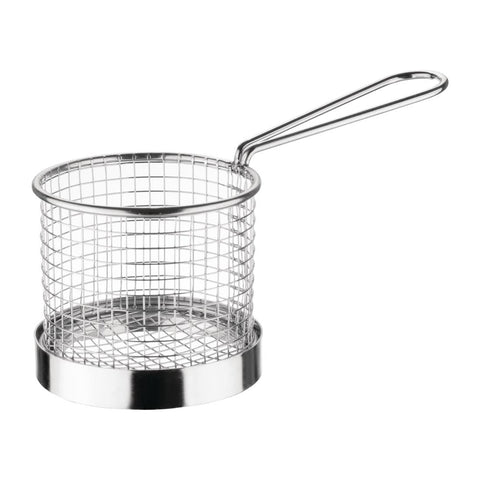
 Olympia Presentation Basket with Handle - GG875
95(W) x 80(H) x 95(D)mm
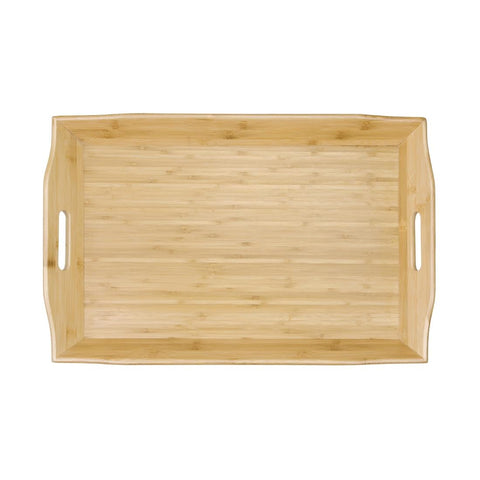
 Olympia Bamboo Butlers Tray - GF204
584(W) x 76(H) x 381(D)mm
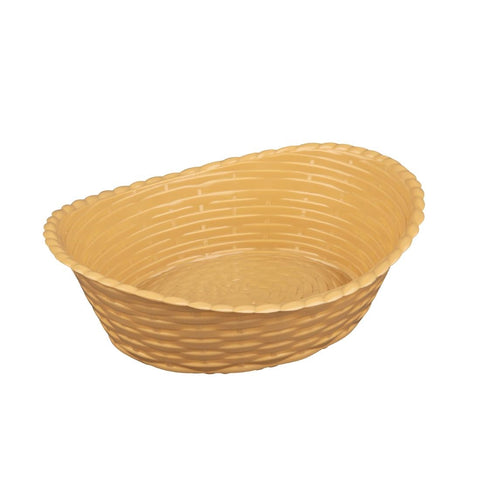
 Olympia Kristallon Polypropylene Bar Meal Basket - DP219
260(W) x 62(H) x 215(D)mm
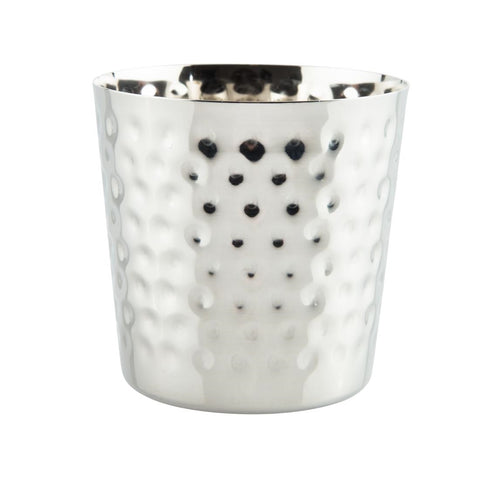
 Olympia Stainless Steel Chip Cup 85mm - DM210
85(W) x 85(H) x 85(D)mm
 Olympia Mini Chip Bucket with Handle 105mm - CT537
105(W) x 100(H) x 105(D)mm
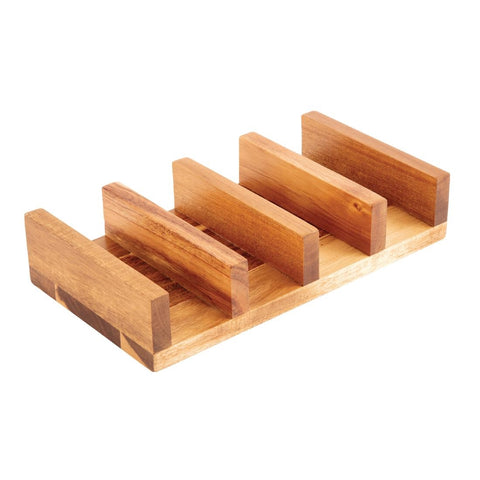
 Olympia Acacia Wood Taco Stand - CK970
275(W) x 55(H) x 150(D)mm
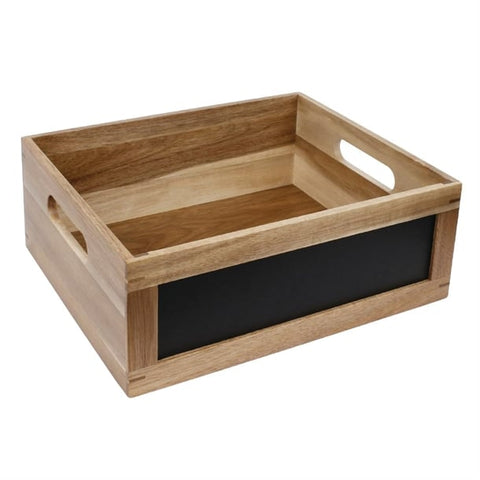
 Olympia Bread Crate with Chalkboard 1/2 GN - CL191
325(W) x 120(H) x 265(D)mm
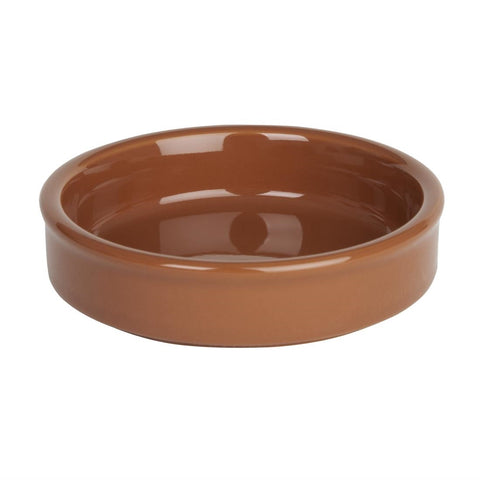
 Olympia Tapas Rustic Mediterranean Dishes (6 Pack) - CD740
102(W) x 20(H) x 102(D)mm
Food display baskets hold bread and pastries on a counter where a customer can see and choose them. Serving baskets do the other half of the job, carrying chips, fried food and bread rolls to a table, usually with a liner. Those are two different jobs and they want different baskets.
A display basket is chosen for how it presents a stack — depth, angle and whether it can be tilted towards the customer. A serving basket is chosen for how it washes, because it goes out with hot oily food and comes straight back to be cleaned.
Materials split the same way. Wicker and timber look right on a bakery counter but cannot be machine washed. Wire, stainless and polycarbonate baskets handle a dishwasher and are the correct choice for anything that carries fried food.
Baskets sit with buffet and table service alongside slate and wooden serving boards and commercial serving trays. Liners come from baking papers.
Working out a counter list and a service list? The price guide prices the wicker, wire and polycarbonate baskets separately, so display and service can be costed as the two jobs they are.
Wicker for display, wire for service. Wicker on a bakery counter looks like a bakery; wire baskets look like a pub, and that is exactly where they belong.
The deciding factor is washing. Anything that holds fried food needs to be machine washed, and wicker cannot be, so a venue that puts chips in a wicker basket is either hand-washing it or not cleaning it properly.
For anything greasy or crumbed, yes — a liner means the basket needs wiping rather than scrubbing, and it stops oil soaking into the weave. For plain bread rolls it is optional and mostly presentational.
Liners are a consumable, so factor the ongoing cost in. Cut paper from a roll in the commercial kitchen disposables range is cheaper than pre-cut liners if the volume is high.
In smaller quantities, replenished more often, and away from direct airflow. A deep basket piled high looks generous but the top layer is stale by mid-afternoon.
Anything that needs to stay genuinely fresh belongs in a covered display rather than an open basket. See ambient food displays for the enclosed option.
Wire, stainless and most polycarbonate baskets can and should. Natural fibre, timber and anything with a fabric lining cannot, and that is the practical limit on which basket goes where.
Check the individual product page. Repeated high-temperature cycles are hard on coated wire in particular, and a chipped coating is a replacement rather than a repair.
Sized to the portion rather than to the table. A basket that is too large makes a normal portion of chips look mean, which is a complaint you will hear about, and one that is too small overflows onto the table.
Hold two sizes if the menu has both a side and a share portion. It is cheaper than trying to make one size carry both.
Nested, dry, and off the floor. Wire baskets stored damp and stacked will mark each other, and wicker stored damp grows mould in the weave.
Shelving matters more than it sounds for bulky, light items like these. Modular shelving above the pass keeps them in reach without taking bench space.
When the coating chips, when the weave frays, or when it no longer looks clean after a proper wash. All three are food safety matters as much as presentation, because a frayed or chipped surface cannot be sanitised.
Treat them as a consumable line and hold spares. The rest of the presentation items in tableware works the same way.

We have a special page just for stock that's warehoused in Perth.
Click Here to see all WA stockWhat our customers say about us on Google, and how Google scores our store for things like shipping and returns.
Store scores from Google