


 03 9070 5784
 Help & Support
 Track My Order




Recently Viewed
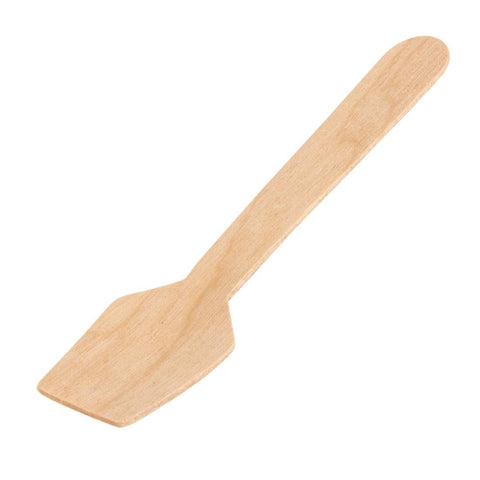

 Fiesta Compostable Wooden Ice Cream Spoons (Pack of 100) - DK399

 Fiesta Compostable Individually Wrapped Wooden Sporks (Pack of 500) - CH086
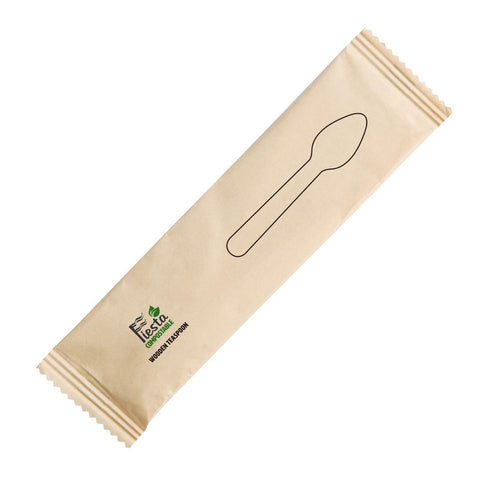
 Fiesta Compostable Individually Wrapped Wooden Teaspoons (Pack of 500) - CH085

 Fiesta Compostable Paper Forks 155mm (100 Pack) - HT483
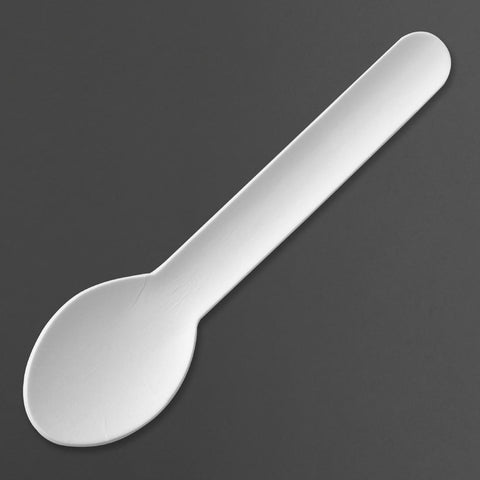
 Fiesta Compostable Paper Teaspoons 132mm (100 Pack) - HT486


 Olympia Kristallon Polycarbonate Spoons Blue (12 Pack) - DL125
40(W) x 18(H) x 171.5(D)mm
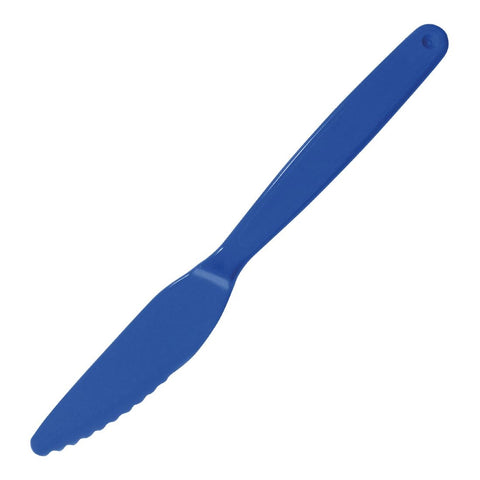
 Olympia Kristallon Polycarbonate Knives Blue (12 Pack) - DL117
21(W) x 7.4(H) x 179(D)mm
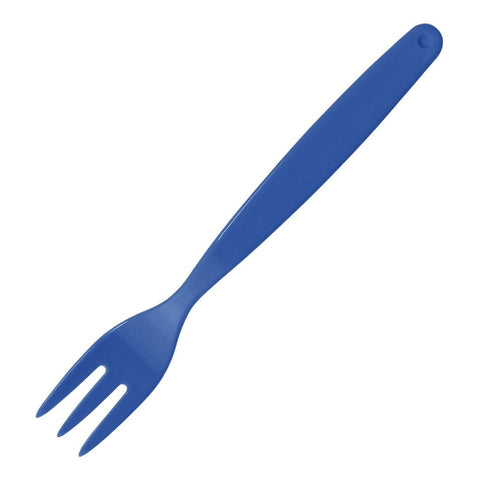
 Olympia Kristallon Polycarbonate Forks Blue (12 Pack) - DL121
24.5(W) x 14(H) x 174(D)mm
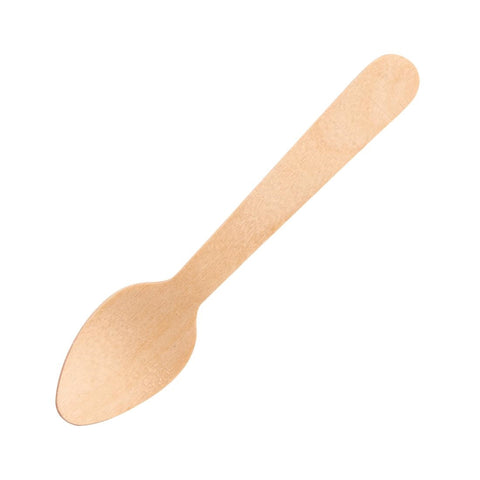
 Fiesta Compostable Biodegradable Wooden Teaspoons (Pack of 100) - DK398
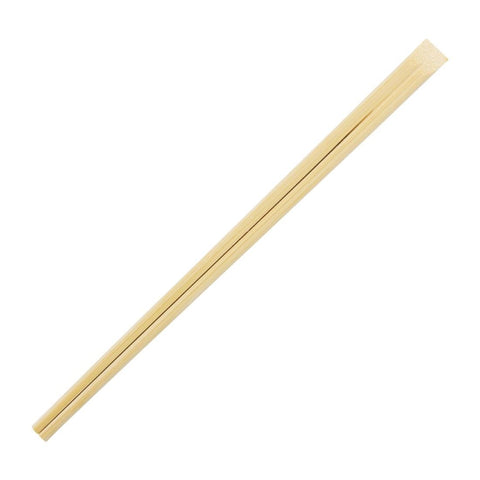
 Fiesta Compostable Bamboo Chopsticks (Pack of 100) - DK393
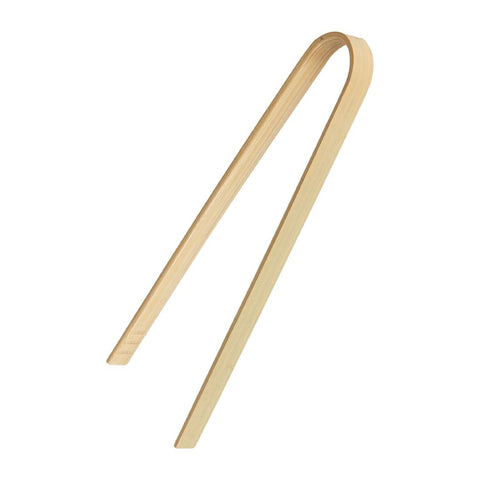
 Fiesta Compostable Mini Bamboo Tongs (Pack of 50) - DK391

 Fiesta Compostable Wooden Cutlery Meal Pack (Pack of 250) - DF422

 Fiesta Compostable Individually Wrapped Wooden Forks (Pack of 500) - CH083
 Fiesta Compostable Biodegradable Wooden Skewers 180mm (Pack of 200) - CD907

 Fiesta Compostable Disposable Wooden Knives (Pack of 100) - CD902
 Fiesta Compostable Biodegradable Wooden Skewers 250mm (Pack of 200) - CD908

 Fiesta Compostable Biodegradable Disposable Birch Wood Forks (Pack of 100) - CD903

 Fiesta Compostable Biodegradable Disposable Wooden Chip Forks (Pack of 1000) - CD901

 Fiesta Compostable Biodegradable Disposable Wooden Dessert Spoons (Pack of 100) - CD904
Disposable cutlery goes out with the takeaway and delivery orders, and it is the last piece of your kitchen the customer actually handles. A fork that snaps in a pasta dish, or a knife that will not cut through a schnitzel, undoes a good meal.
The choice is material. Wooden disposable cutlery looks and feels better than thin plastic and suits a food-forward menu. Compostable cutlery made from plant starch sits between the two on both feel and cost. Heavy-gauge plastic is still the strongest for anything that needs a real cut.
Think about it alongside the rest of what leaves the kitchen: takeaway containers, napkins and paper bags. The reusable equivalents are in commercial kitchen cutlery.
Comparing wooden, plant-starch and heavy plastic by the carton? The price guide lists the grades and pack quantities, so you can match the cutlery to the dishes that leave the kitchen.
Wooden disposable cutlery reads well and handles dry and warm food without trouble. Plant-starch cutlery is closer to plastic in feel and holds up better in sauce. Heavy plastic is the strongest and the least liked.
Match it to the dish rather than picking one for everything. A bowl eaten with a fork is a different problem from a steak sandwich that needs a knife.
Birch cutlery holds up in hot food for the length of a meal, which is what it is designed for. Left sitting in liquid it will soften at the edges, which is why it suits bowls eaten straight away rather than food held for an hour.
Where food sits — a buffet, a bain marie line — use reusable serving spoons for the service side and keep disposables for the guest.
Wrapped sets cost more per cover and save time at the pass, because one grab replaces three. They also read as more hygienic to a customer, which matters more for delivery than for dine-in.
Loose cutlery in a dispenser is cheaper and better for a counter where people take what they need. It does mean handling, so site the dispenser away from the till.
Compostable means it breaks down in a defined composting process within a defined period. Biodegradable, on its own, only means it will eventually break down somewhere — which is a much weaker statement.
If the claim is going on your packaging, buy from a range that states which standard it meets and keep the documentation. The eco friendly disposables range is where to start.
Not with every order, and asking the question at checkout cuts a surprising amount of waste. Most delivery platforms now support an opt-in.
Keep a stock of sets ready for the orders that need them and stop padding the bag by default. It saves money and nobody misses it.
In a dispenser or a divided holder, not loose in a box where every piece is handled to find a spoon. Keep it dry and off the floor, same as every other paper and board line — modular shelving is the usual answer.
On a self-serve counter, a dispenser next to the napkin dispenser and condiment set keeps everything in one trip.
For anything that needs to be cut, yes. A knife that flexes instead of cutting is the single most common disposables complaint, and the fix costs very little per cover.
For soft food — rice, noodles, dessert — the lighter grade is fine and the money is better spent on the takeaway container it travels in.

We have a special page just for stock that's warehoused in Perth.
Click Here to see all WA stockWhat our customers say about us on Google, and how Google scores our store for things like shipping and returns.
Store scores from Google