


 03 9070 5784
 Help & Support
 Track My Order




Recently Viewed


 Jantex Colour Coded Spray Bottles Blue 750ml - CD817

 Jantex Colour Coded Spray Bottles Red 750ml - CD815
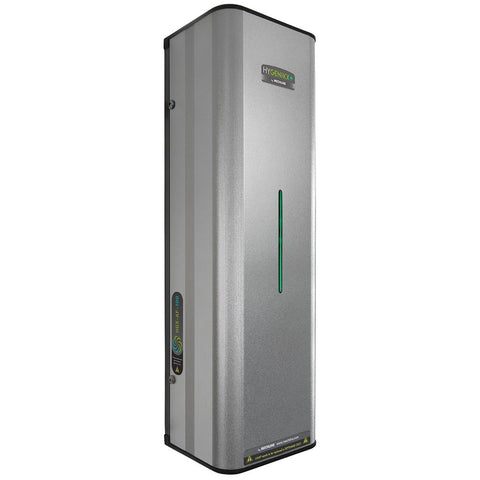

 HyGenikx Air & Surface Sanitiser 10m²-100m² Range Cover
135(W) x 400(D) x 110(H)mm
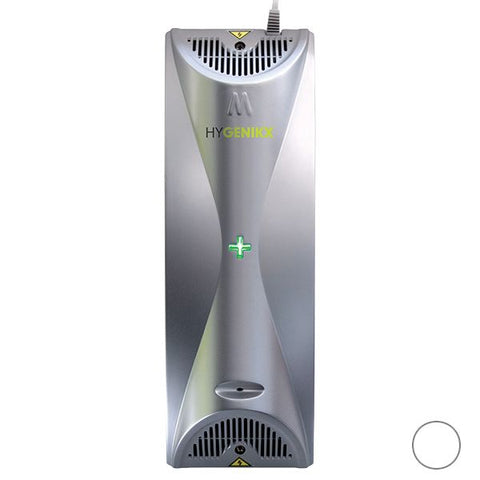
 HyGenikx HGX-T-25-O Small Area Air & Surface Sanitiser - Titanium
135(W) x 400(D) x 110(H)mm
 HyGenikx HGX-AF-100 Large Area Air & Surface Sanitiser 100m²
130(W) x 430(D) x 100(H)mm
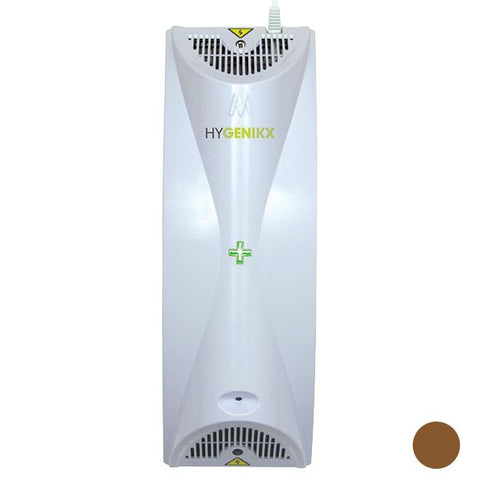
 HyGenikx HGX-W-05-O Small Area Air & Surface Sanitiser - White
135(W) x 400(D) x 110(H)mm
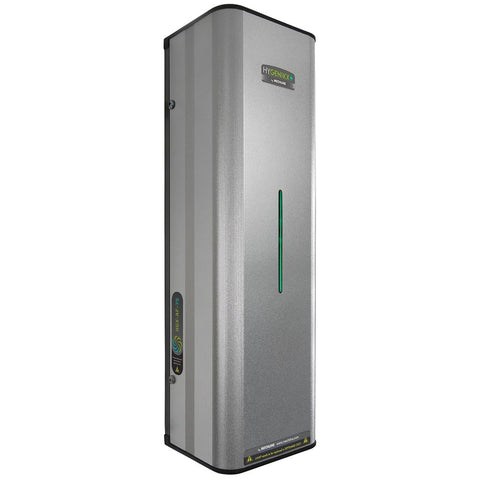
 HyGenikx HGX-AF-75 Large Area Air & Surface Sanitiser 75m²
130(W) x 430(D) x 100(H)mm
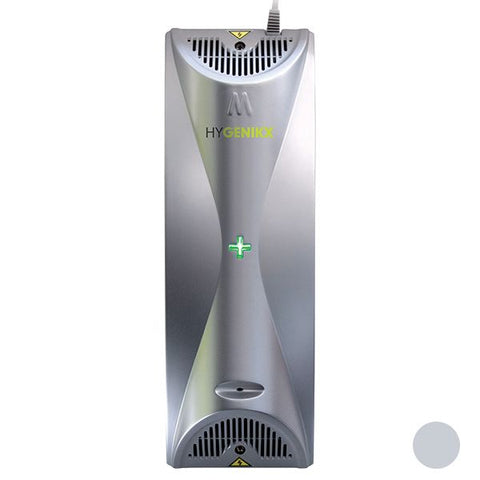
 HyGenikx HGX-T-15-R Refuse Area Air & Surface Sanitiser - Titanium
135(W) x 400(D) x 110(H)mm
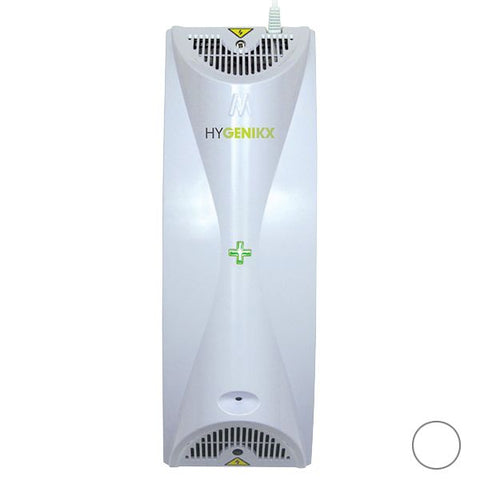
 HyGenikx HGX-W-25-O Small Area Air & Surface Sanitiser - White
135(W) x 400(D) x 110(H)mm
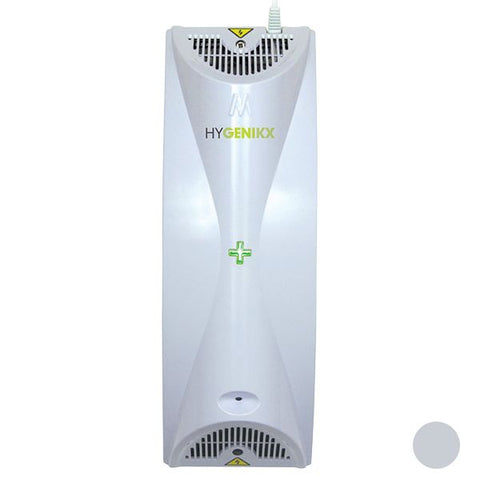
 HyGenikx HGX-W-15-R Refuse Area Air & Surface Sanitiser - White
135(W) x 400(D) x 110(H)mm
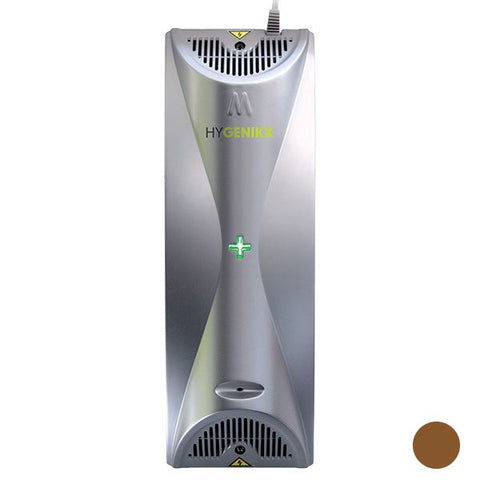
 HyGenikx HGX-T-05-O Small Area Air & Surface Sanitiser - Titanium
135(W) x 400(D) x 110(H)mm
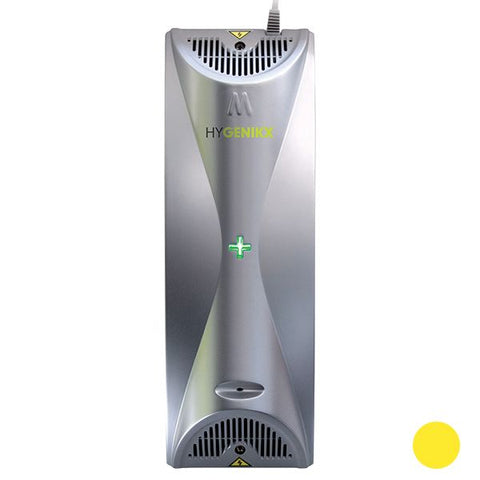
 HyGenikx HGX-T-10-S General Area Air & Surface Sanitiser 10m² - Titanium
135(W) x 400(D) x 110(H)mm
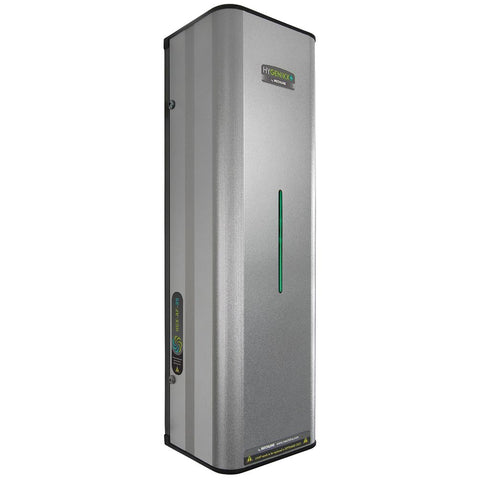
 HyGenikx HGX-AF-25 Large Area Air & Surface Sanitiser 25m²
130(W) x 430(D) x 100(H)mm
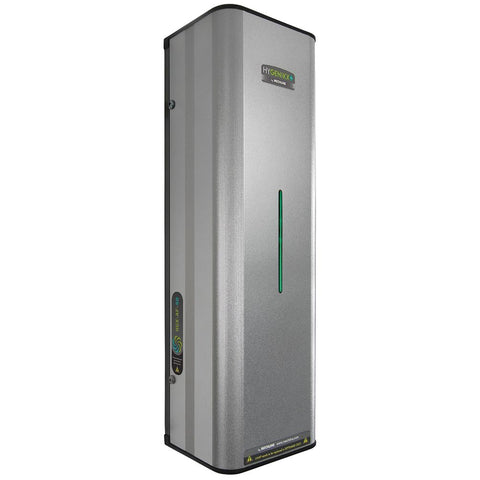
 HyGenikx HGX-AF-50 Large Area Air & Surface Sanitiser 50m²
130(W) x 430(D) x 100(H)mm
 HyGenikx HGX-T-30-F Food Storage Air & Surface Sanitiser 30m² - Titanium
135(W) x 400(D) x 110(H)mm
 HyGenikx HGX-T-20-F Food Storage Air & Surface Sanitiser 20m² - Titanium
135(W) x 400(D) x 110(H)mm
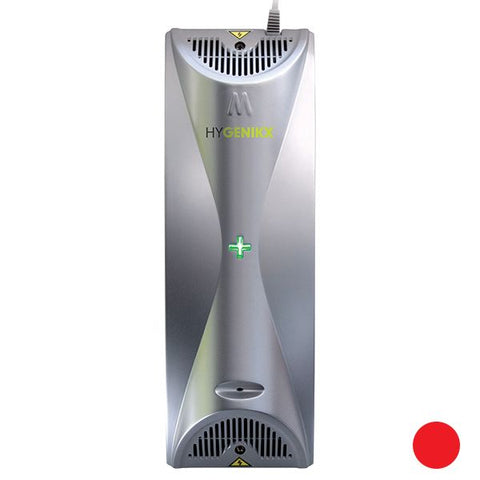
 HyGenikx HGX-T-30-S General Area Air & Surface Sanitiser 30m² - Titanium
135(W) x 400(D) x 110(H)mm
 HyGenikx HGX-W-20-F Food Storage Air & Surface Sanitiser 20m² - White
135(W) x 400(D) x 110(H)mm
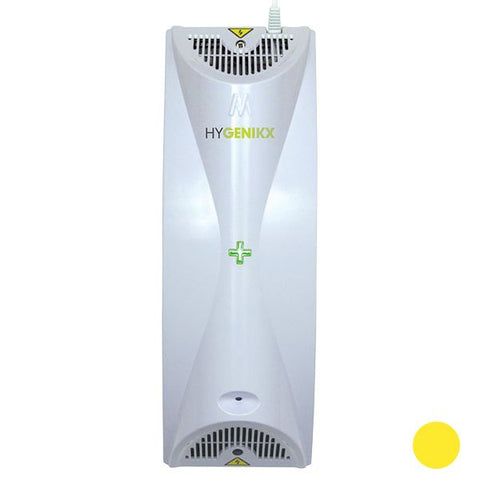
 HyGenikx HGX-W-10-S General Area Air & Surface Sanitiser 10m² - White
135(W) x 400(D) x 110(H)mm
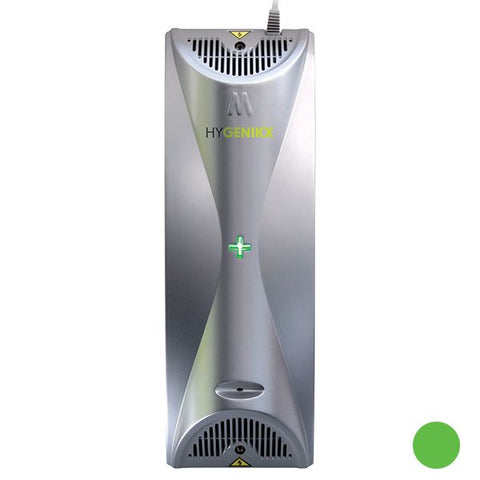
 HyGenikx HGX-T-20-S General Area Air & Surface Sanitiser 20m² - Titanium
135(W) x 400(D) x 110(H)mm
 HyGenikx HGX-W-30-F Food Storage Air & Surface Sanitiser 30m² - White
135(W) x 400(D) x 110(H)mm
HyGenikx HGX-W-10-F Food Storage Air & Surface Sanitiser 10m² - White
135(W) x 400(D) x 110(H)mm
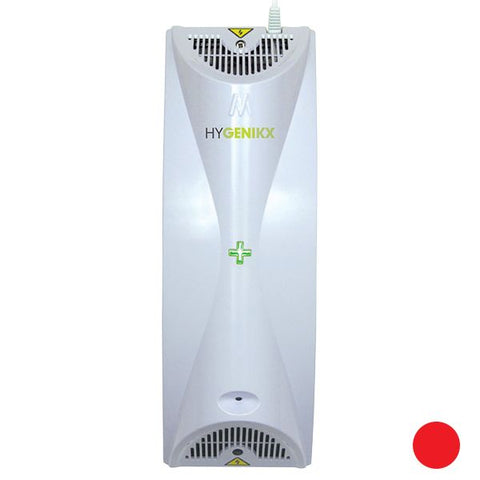
 HyGenikx HGX-W-30-S General Area Air & Surface Sanitiser 30m² - White
135(W) x 400(D) x 110(H)mm
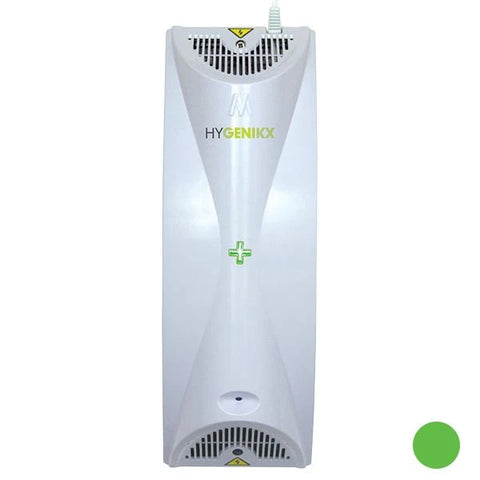
 HyGenikx HGX-W-20-S General Area Air & Surface Sanitiser 20m² - White
135(W) x 400(D) x 110(H)mm
 HyGenikx HGX-T-10-F Food Storage Air & Surface Sanitiser 10m² - Titanium
135(W) x 400(D) x 110(H)mm
 Jantex Heavy Duty Descale Concentrate - 5L - FL839
190(W) x 270(H) x 130(D)mm

 Jantex Colour Coded Spray Bottles Yellow 750ml - CD816

 Jantex Colour Coded Spray Bottles Green 750ml - CD818
 Jantex Neutral Cleaner Concentrate - 5Ltr - HU550
 Jantex Heavy Duty Descale Concentrate - 1Ltr - HU546
 Jantex Neutral Cleaner Ready To Use - 750ml - HU551
 Jantex Anti-Bacterial Spray and Wipe Ready To Use - 750ml - HU549
 Jantex Anti-Bacterial Spray and Wipe Concentrate - 5Ltr - HU548
 Jantex Heavy Machine Wash Concentrate - 15Ltr - HU547
Disinfectant and sanitisers go onto a surface that has already been cleaned, to knock back what is left on it. They are the second step, not the first, which is why spraying a commercial disinfectant over a greasy bench achieves very little beyond using up the bottle.
The order is clean, rinse, sanitise, air dry. The detergent comes from the surface and floor cleaners range; the sanitiser is what goes on afterwards, and the contact time on the label is not optional.
A food grade sanitiser is the one you want anywhere food touches — benches, chopping boards, gastronorm containers, the inside of a prep fridge. A surface sanitiser rated for general areas is a different product and is not interchangeable.
Comparing concentrates on what a made-up litre costs rather than what the bottle costs? The price guide lists pack sizes next to the stated dilution rates.
In everyday kitchen use the words get swapped, but they are not the same claim. A sanitiser reduces the microbial load on a clean surface; a disinfectant is the stronger category and is usually aimed at non-food-contact areas.
What matters for a kitchen is whether the product is rated for food-contact use and whether it needs rinsing. That is on the label and on the product page or specifications, and it is the one thing worth reading before buying.
Some do and some are formulated as no-rinse at the stated dilution. Using a rinse-required product as if it were no-rinse leaves residue where food is prepared.
This is per product, not per category. Decide once, write it into the cleaning schedule, and keep one product so staff are not guessing.
Longer than most people leave it. Nearly every sanitiser has a stated contact time, and wiping it off straight away means the surface was wet rather than sanitised.
Spray, leave it for the time on the label, then let it air dry or rinse as directed. Air drying is usually better than wiping with a cloth that has been round the kitchen.
You can, but it is an expensive way to clean a floor and floors want a detergent that handles grease and foot traffic. Keep mops and brushes and floor chemistry separate from bench chemistry.
Separating them also stops the one genuinely dangerous habit, which is a cloth that has done the floor then doing a bench.
They suit different jobs. Alcohol-based products flash off fast and suit small, frequent wipe-downs; chlorine-based products are cheap and effective but are harsher on stainless and on skin, and they degrade in storage.
Quaternary products sit in between and are the common choice for benches. Whichever you pick, rubber gloves should be part of it.
Left to pool, chlorine-based products will mark stainless over time, especially around welds and under equipment feet. The fix is dilution and not leaving it sitting.
304 stainless steel is the food-safety grade used in Australian commercial kitchens and it is tolerant, but it is not inert. Rinse down stainless steel benches rather than leaving a film.
Food-contact surfaces between tasks and at the end of each shift, plus the things nobody thinks of — tap handles, fridge door handles, tongs and the handle of the bin lid.
Put it in writing and put the schedule on the wall with the kitchen safety signs. A schedule nobody can see is a schedule nobody follows.

We have a special page just for stock that's warehoused in Perth.
Click Here to see all WA stockWhat our customers say about us on Google, and how Google scores our store for things like shipping and returns.
Store scores from Google