


 03 9070 5784
 Help & Support
 Track My Order




Recently Viewed
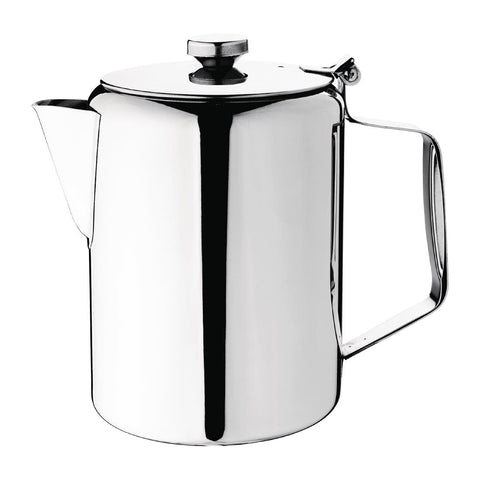

 Olympia Concorde Stainless Steel Coffee Pot 2Ltr - K749
210(W) x 190(H) x 125(D)mm
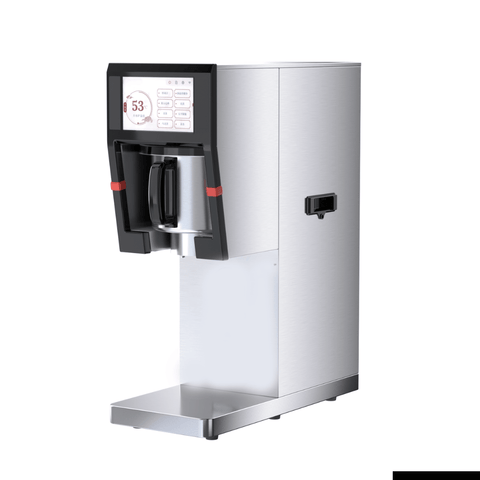

 TéVera Tea Brewer - CS-TB5S
262(W) x 590(D) x 767(H)mm

 Olympia Whiteware Deco Teapot 820ml (2 Pack) - HZ864
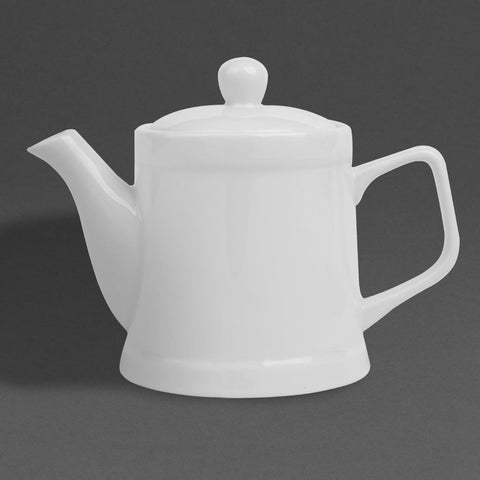
 Olympia Whiteware Pier Teapot 500ml (2 Pack) - HY548
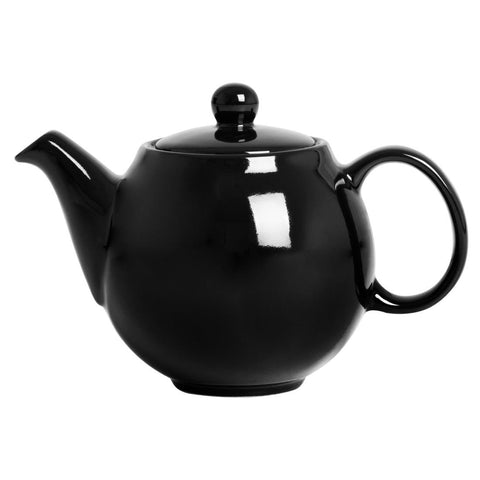
 Olympia Café Teapot Black 450ml (2 Pack) - HX799
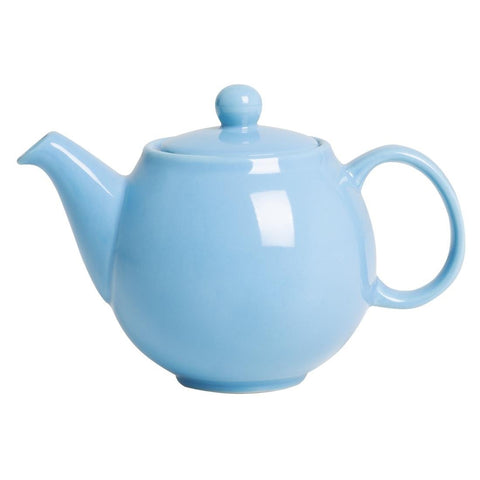
 Olympia Café Teapot Blue 450ml (2 Pack) - HX798

 Olympia Café Teapot Red 450ml (2 Pack) - HX795
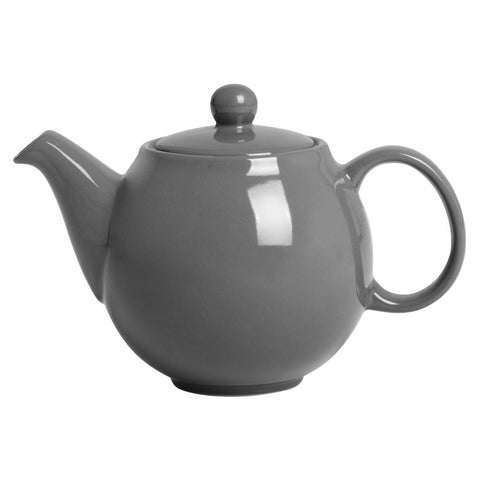
 Olympia Café Teapot Charcoal 450ml (2 Pack) - HX797
112(W) x 123(H) x 182(D)mm
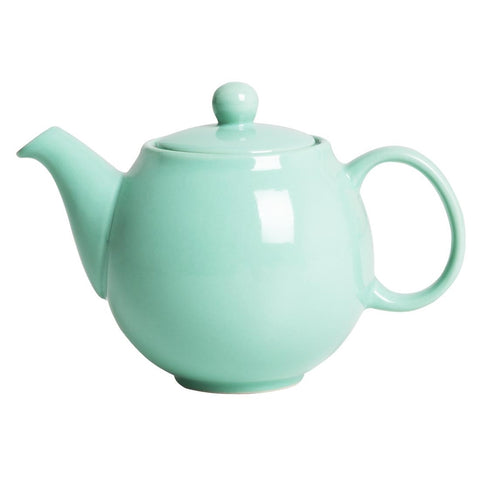
 Olympia Café Teapot Aqua 450ml (2 Pack) - HX796

 Olympia Whiteware Teapots 852ml (4 Pack) - CB474
220(W) x 100(H) x 140(D)mm
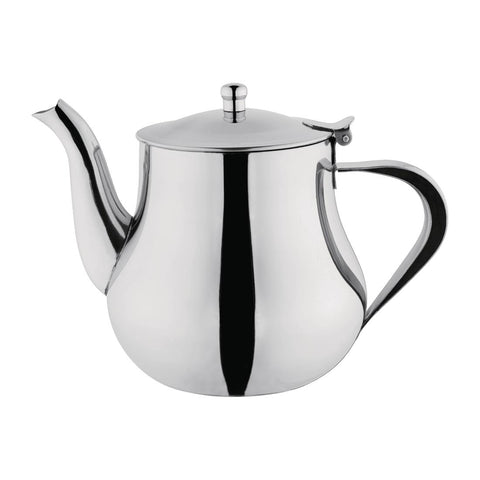
 Olympia Arabian Stainless Steel Teapot 1Ltr - M982

 Olympia Stainless Steel Coffee Plunger 6 Cup - U073
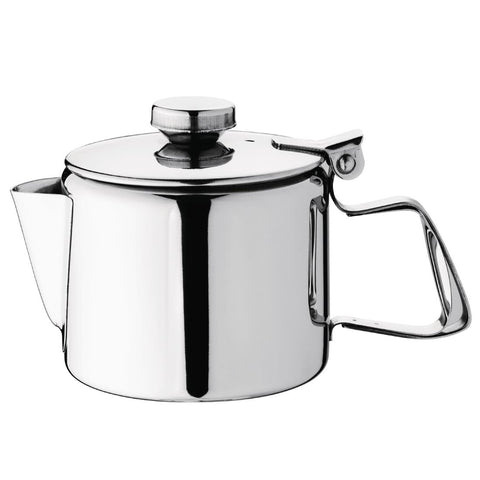
 Olympia Concorde Tea Pot Stainless Steel 290ml - P964
140(W) x 83(H) x 83(D)mm
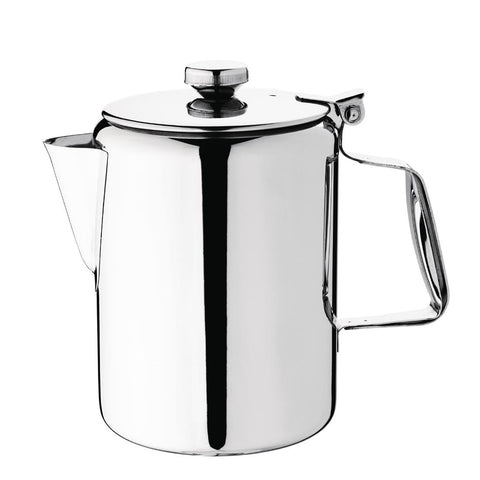
 Olympia Concorde Stainless Steel Coffee Pot 910ml - K747
165(W) x 140(H) x 100(D)mm
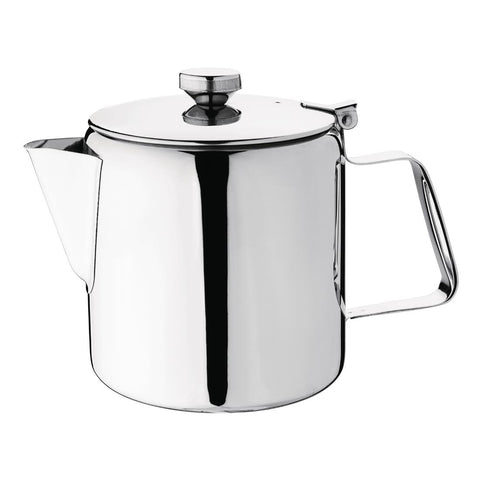
 Olympia Concorde Tea Pot Stainless Steel 1.35Ltr - K680
215(W) x 145(H) x 125(D)mm
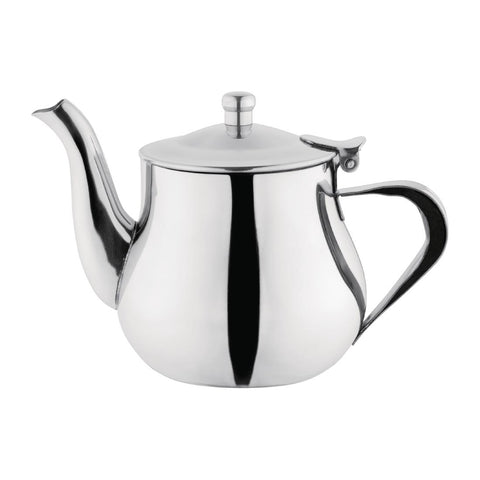
 Olympia Arabian Tea Pot Stainless Steel 500ml - M980
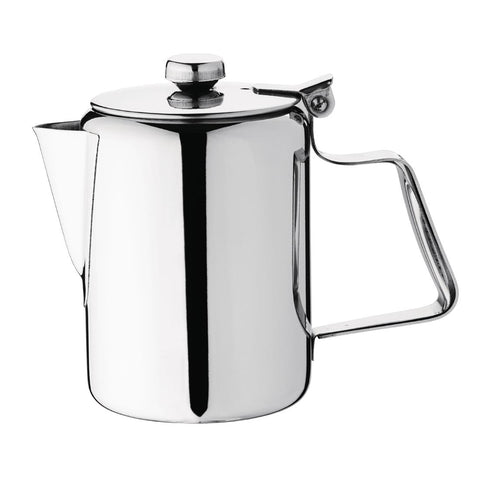
 Olympia Concorde Stainless Steel Coffee Pot 450ml - K745
150(W) x 120(H) x 80(D)mm
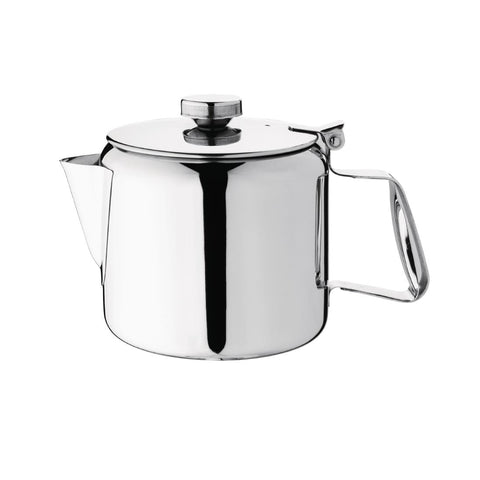
 Olympia Concorde Tea Pot Stainless Steel 850ml - K679
180(W) x 120(H) x 115(D)mm
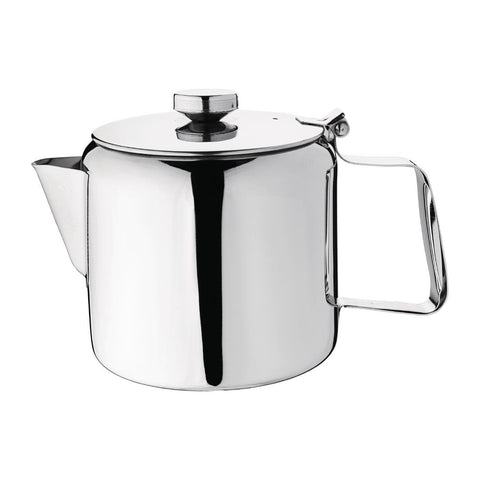
 Olympia Concorde Stainless Steel Tea Pot 1830ml - K681
230(W) x 155(H) x 145(D)mm
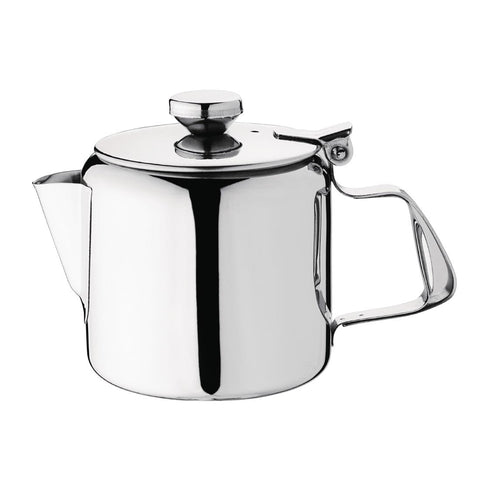
 Olympia Concorde Tea Pot Stainless Steel 410ml - K677
145(W) x 108(H) x 88(D)mm
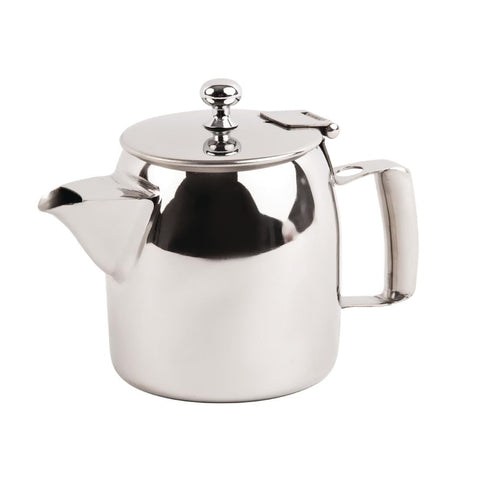
 Olympia Cosmos Tea Pot Stainless Steel 340ml - J321
140(W) x 105(H) x 81(D)mm
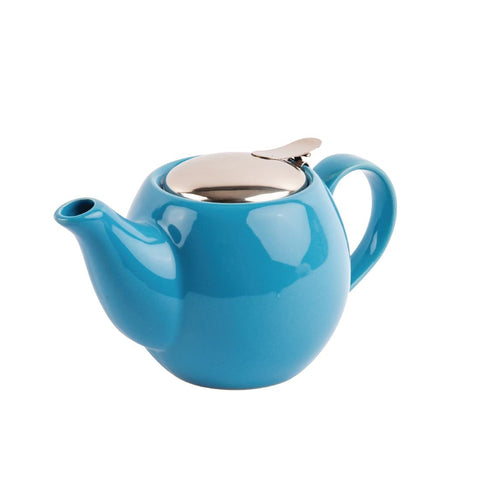
 Olympia Cafe Teapot Blue - 510ml (Box 1) - HC409
194(W) x 104(H) x 110(D)mm

 Olympia Cafe Teapot White - 510ml (1 Pack) - GM593
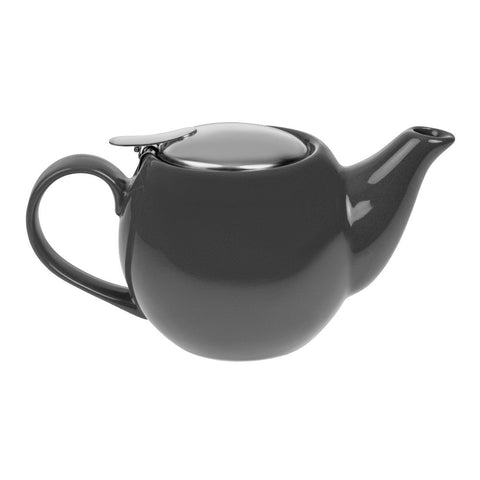
 Olympia Cafe Teapot Charcoal - 510ml (1 Pack) - GM596
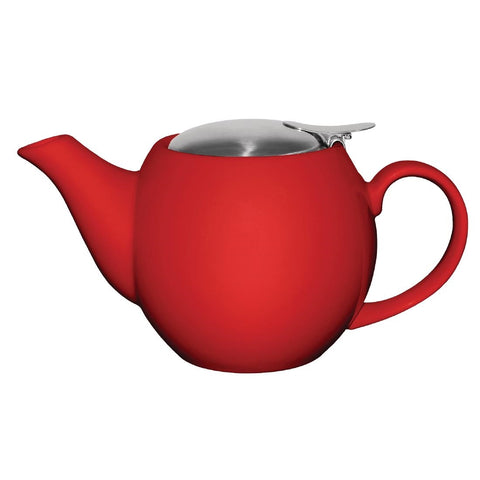
 Olympia Cafe Teapot Red - 510ml (1 Pack) - GM594
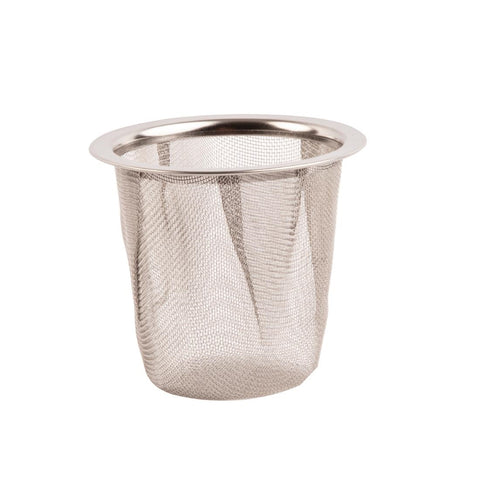
 Olympia Cafe Filter to Fit 500ml Teapot - CL116
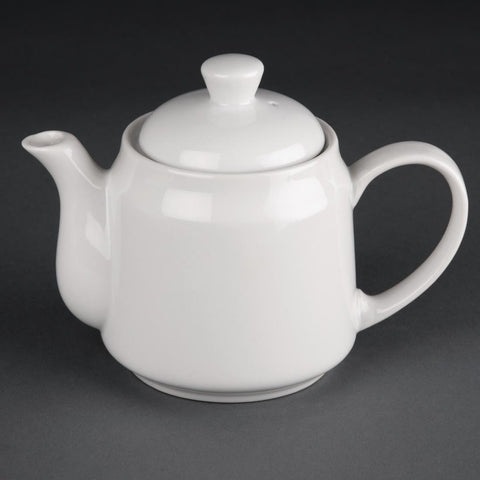
 Olympia Athena Beverage Teapot 430ml (Box 4) - CC204
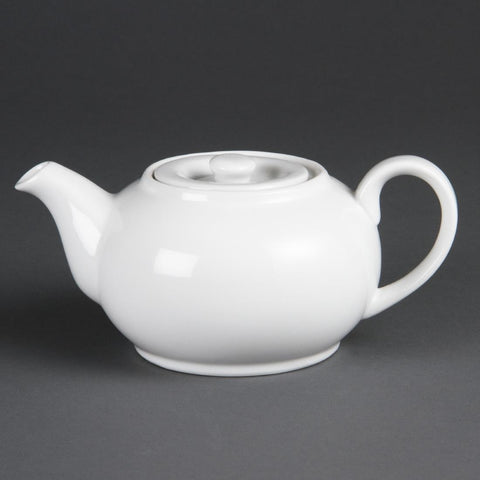
 Olympia Whiteware Teapots 426ml (4 Pack) - CB473
Teapots brew the tea and pour it at the table, so they get filled, carried and tipped right through service. The pour is the first thing to get right: commercial teapots that dribble down their own side mark a tablecloth on every order.
Heat is the second decision. Tea pots in stainless hold temperature and survive being dropped; porcelain looks right on a table and cools faster; a double-walled or insulated pot splits the difference. Capacity should match the cups you actually serve rather than a round number.
Teapots sit in the crockery range with commercial tea accessories and espresso cups, and are filled from hot water urns or coffee kettles.
Weighing stainless against porcelain, and in which capacities? The price guide lists the pots with their sizes, so you can match a capacity to the cups you actually pour.
Look at where the spout starts and where it ends. A spout that leaves the body high and finishes with a sharp lip breaks the stream cleanly; one that tapers to a rounded end lets the last of the pour run back down the outside.
Pour speed matters too. A spout that is too narrow has to be tipped steeply, which is when the lid slides.
Stainless survives a commercial environment far better: it does not chip, it holds heat longer and it can be dropped. It also looks utilitarian, which is why it stays in function catering and staff rooms.
Porcelain is the choice for table service where the pot is part of the presentation. Expect to replace it more often, mostly at the spout and the lid.
Hinged, for anything carried by staff. A loose lid on a tipped pot is the most common breakage in the category and it happens at the table, which makes it worse than a breakage in the wash-up.
If you buy loose-lid pots, buy spare lids at the same time. They are rarely available later and a pot without a lid is unusable.
Size it to the cup. A one-cup pot for single orders and a larger one for two sharing covers nearly all table service; buying only large pots means every single order arrives half full and cold by the second cup.
Stated capacity usually assumes filled to the brim, which no one does. Take the figure from the product page specifications and allow headroom.
For loose leaf, yes, and a removable basket is better than a fixed strainer at the spout. A basket lets you lift the leaf out at the right moment; a spout strainer keeps the tea brewing until the pot is empty.
Check whether the pot is sold with a basket or whether you need to buy one that fits. See commercial tea accessories.
Spout and lid seat first, because that is where tannin and leaf build up and where the smell comes from. A pot that looks clean inside and pours brown water has a blocked spout.
Most go through a commercial dishwasher with a brush through the spout beforehand. The mops and brushes range has bottle brushes that fit.
Insulated and stainless pots hold usefully for a while; porcelain does not, and a pot held on a hot surface will stew the tea rather than keep it fresh. Stewed tea is a worse outcome than a slightly cooler cup.
Brew to order and keep the water hot instead. A hot water urn that stays at temperature does more for tea service than any amount of pot insulation.
Teapots, tea pots, tea servers, tea serving pots and tea urns all appear, and a tea server is often a lidded jug with no infuser rather than a brewing pot.
Check whether the item brews or only serves. The jugs and commercial tea equipment ranges cover the serve-only end.

We have a special page just for stock that's warehoused in Perth.
Click Here to see all WA stockWhat our customers say about us on Google, and how Google scores our store for things like shipping and returns.
Store scores from Google