


 03 9070 5784
 Help & Support
 Track My Order



Recently Viewed
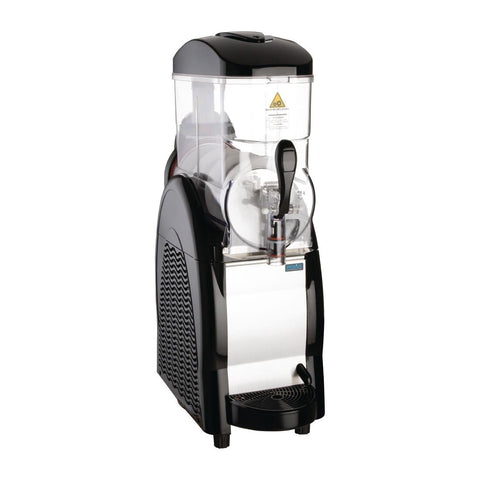

 Polar G-Series Slushie Machine 1x 12Ltr - DB331-A
270(W) x 810(H) x 515(D)mm
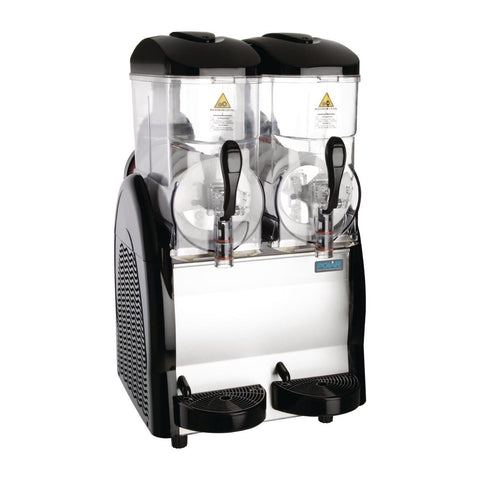
 Polar G-Series Slushie Machine 2x 12Ltr - DB332-A
470(W) x 810(H) x 515(D)mm

 Polar G-Series Slushie Machine 3x 12Ltr - DB843-A
670(W) x 810(H) x 515(D)mm
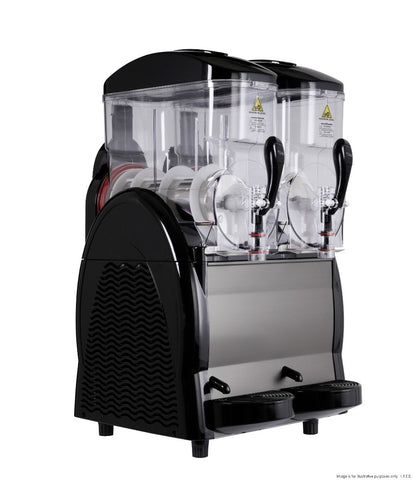

 Benchstar Double 12 Litre Granita Slushy Machine FABIGANI-2S
470(W) x 520(D) x 810(H)mm
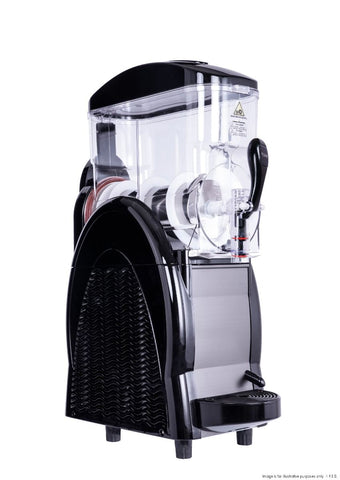
 Benchstar Single 12 Litre Granita Slushy Machine FABIGANI-1S
270(W) x 520(D) x 810(H)mm
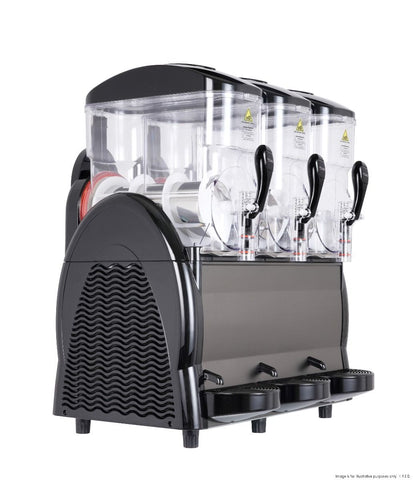
 Benchstar Triple 12 Litre Granita And Slushy Machine FABIGANI-3S
670(W) x 520(D) x 810(H)mm
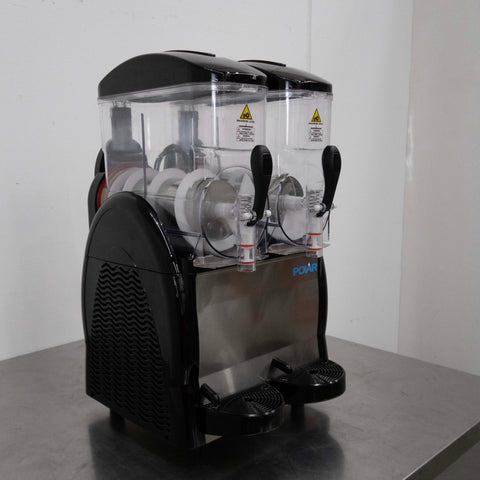
 Polar DB332-A Slushy Machine - 922664
460W x 540D x 810Hmm
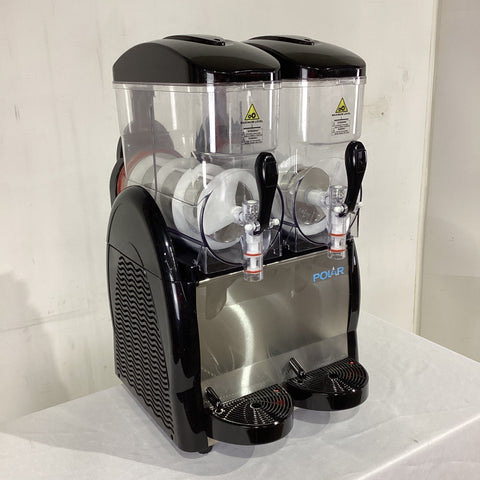
 Polar DB332-A-03 Granita Machine - 863063
470W x 515D x 810Hmm
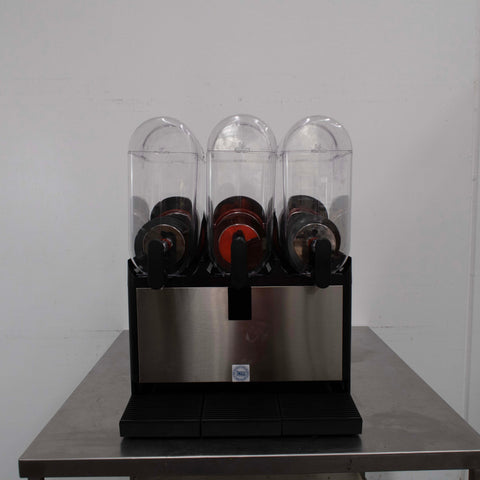

 V AIR Smart +3 Slushie Machine - 894090
645W x 560D x 800Hmm
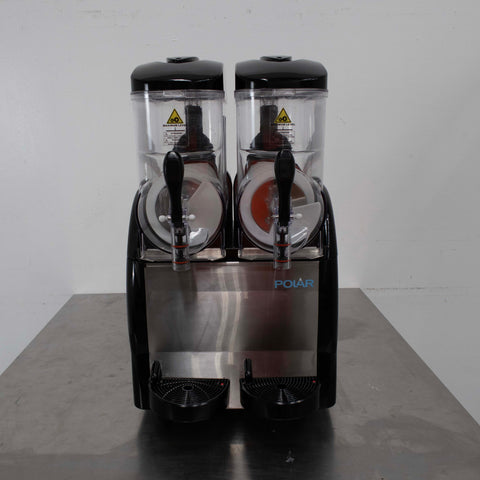
 Polar DB332-A-03 Slushie Machine - 838688
460W x 470D x 830Hmm


 Taylor 430-40 Frozen Beverage Machine - 920176
415W x 700D x 700Hmm
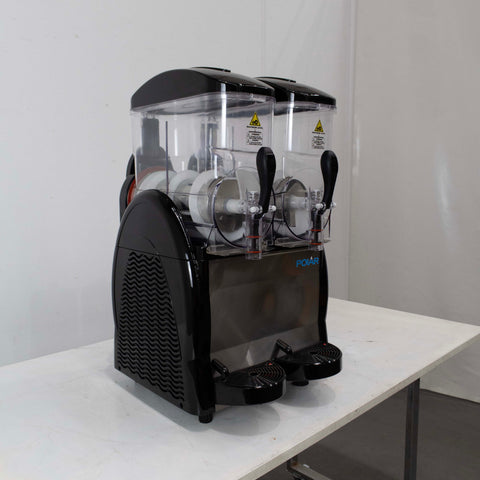
 Polar DB332-A Slushy Machine - 900401
460W x 535D x 780Hmm


 V AIR Smart +3 Slushie Machine - 894091
645W x 560D x 800Hmm


 SPM I-PRO IPRO2MHCR290 Granita Machine - 868712
395W x 585D x 870Hmm
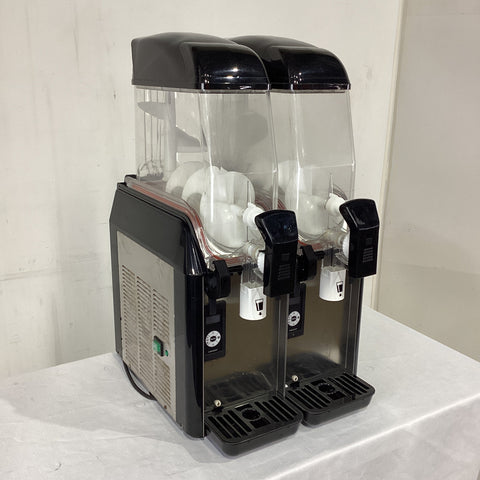

 Elmeco FC2 Green Granita Machine - 782666
430W x 550D x 770Hmm
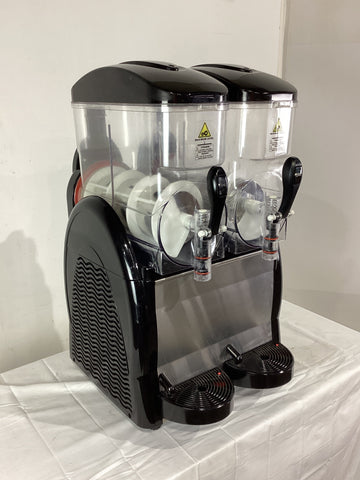

 Corolla Fabigani-2S Slushie Machine - 854532
460W x 500D x 810Hmm
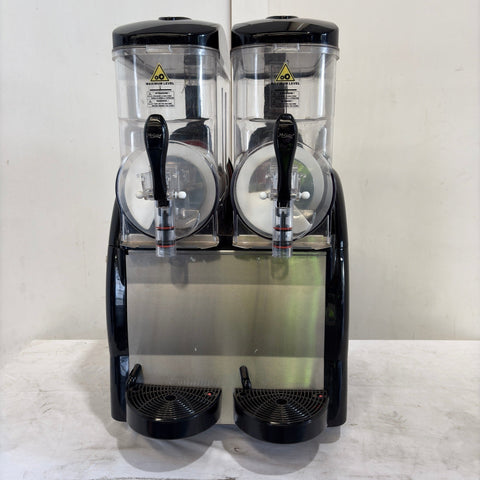
 Corolla FABIGANI-2S Slushie Machine - 767695
470W x 520D x 810Hmm
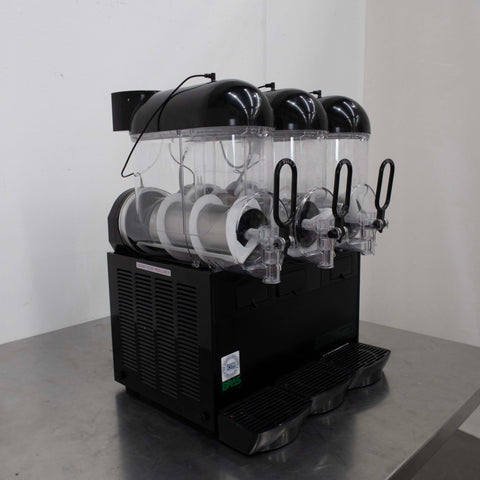

 BRAS FBM 3 Slushie Machine - 916396
550W x 480D x 690Hmm
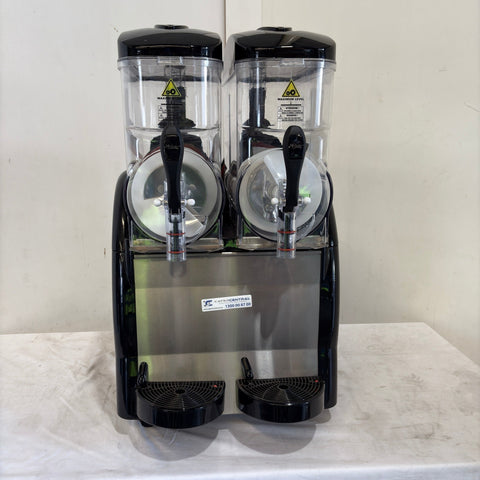
 Benchstar FABIGANI-2S Granita Slushie Machine - 899631
170W x 511D x 810Hmm


 GBG Granitime Granita Machine
200-400(W) x 480(D) x 820(H)mm
 GBG V-AIR, 650 x 600 x 850, 70kg
650(W) x 600(D) x 850(H)mm
 V-AIR, 215 x 600 x 850, 25kg - GBG
215(W) x 600(D) x 850(H)mm

 GBG Granitime Granita Machine 2 x 12L bowl 400mm x 480mm x 820mm - Granitime 2
400(W) x 480(D) x 820(H)mm
 GBG Granitime Granita Machine 1 x 12L bowl 200mm x 480mm x 820mm - Granitime 1
200(W) x 480(D) x 820(H)mm
 GBG V-AIR, 430 x 600 x 850, 50kg
430(W) x 600(D) x 850(H)mm
 Granitime Granita Machine 3 x 12L bowl 600mm x 480mm x 820mm - Granitime 3 GBG
600(W) x 480(D) x 820(H)mm
A slushy machine holds a sweetened mix in a bowl, chills it below freezing point and keeps it moving so it sets as soft ice crystals instead of a solid lump. Polar, Benchstar, GBG, Bras, Elmeco, SPM and Carpigiani are among the brands available online. Bowls are 12 litres on most of the machines here, and they come as one, two or three bowls on a bench-top frame.
There are two builds. A gravity machine has a clear bowl on top with a spiral turning through it, and the drink runs out of a tap at the bottom under its own weight, so the bowl is the display and customers can see what they are buying. An auger machine freezes the mix inside a sealed insulated cylinder, where a horizontal auger scrapes the frozen layer off the cylinder wall and pushes it to the tap. The auger type pours a firmer, smoother drink and keeps the mix out of the light and the warm air, but there is nothing on show, so a counter selling on impulse usually wants the bowls.
Refurbished slushy machines at REO come off showroom floors, out of demonstration kitchens and off supplier clearance lines. A machine may have scratches or dents from transit or from the venue it worked in, and a mark on a panel doesn't impact the refrigeration system. Every product is inspected, tested and verified in working condition before it is relisted for sale. Warranty terms are shown on each product page and depend on that unit's condition, history and age.
REO prices are sharp on both new and refurbished machines. New stock includes the Polar G-Series in one, two and three bowl builds, the Benchstar Fabigani single, double and triple, and the GBG Granitime and V-AIR. The refurbished units include Bras, Elmeco, Carpigiani, SPM and GBG machines alongside more Polar and Benchstar.
Count the bowls by flavours first and speed second. A single 12 litre bowl suits a small shop trying the drink for the first time or a venue selling one flavour. Two bowls is the usual choice, because two colours side by side sell more than one does on its own. Three bowls suits a service station, a cinema or a canteen where the whole queue arrives at once.
A 12 litre bowl doesn't pour 12 litres before it needs topping up. The spiral has to have mix to work against, so refill while there are still a few litres in the bowl. Each extra bowl adds width on the counter and a fair bit of weight when it's full, so measure the space and check the bench can carry it before you order.
A gravity machine holds the mix in a clear bowl with a spiral turning through it, and the drink falls to the tap under its own weight. The bowl is the display, which is why these sit on counters in takeaway shops and service stations, and it's the easier of the two to strip down and wash.
An auger machine freezes in a sealed cylinder and a horizontal auger scrapes the ice off the cylinder wall. The drink comes out firmer and smoother, the mix is protected from sunlight and warm air, and the texture holds up better in a hot room. Nobody can see the product, so it works best where the drink is already on the menu board.
Nine times out of ten it's the mix. Slush syrup is diluted to a set ratio and the sugar in the finished mix is what lets it freeze soft. Too much water and it sets into a block that strains the motor and the gearbox. Too much syrup and it never firms up past a cold liquid. Mix to the ratio printed on the bottle and don't judge it by eye.
The other causes are heat and airflow. A machine in a shop window in summer, or pushed hard against a wall with no gap behind it, can't shed heat through the condenser and the bowl never pulls down. Leave clear air around it, keep it out of direct sun and brush the dust off the condenser and filter regularly. A machine that ran fine in winter and struggles in summer usually has a blocked condenser.
Slush syrup comes as a concentrate and is diluted with water to the ratio printed on the bottle, which changes from one brand to the next. The sugar isn't only flavour, it's what stops the mix freezing into one lump, so the ratio isn't a matter of taste. Make it up in a jug and pour the finished mix into the bowl. Syrup and water tipped in separately take a long time to even out.
Fruit juice, cordial and soft drink run fine in a bowl machine as long as the sugar level is high enough. Plain water and sugar-free mixes freeze solid and can damage the drive. Milk-based mixes for frozen thickshakes are also sold, and any machine running dairy has to be stripped and cleaned every day without exception.
Yes, and frozen cocktails are where a lot of pub, club and event money is. Alcohol lowers the freezing point, so an alcoholic mix comes out softer and wetter than a fruit slush at the same setting, and past a certain strength it won't freeze at all. Keep the alcohol content modest and make the volume up with the mixer.
Give the cocktail its own bowl and leave it there. Colour and flavour carry over between mixes even after a rinse, and a machine that swaps between a kids' flavour and a cocktail through the day is a service problem as well as a licensing one.
Every day. The mix is sugar and often dairy, it sits just above freezing all day and the bowl is warm and wet by the time the machine goes off. Bacteria grow in the tap, in the bowl seal and around the auger bearing, and none of that is visible from the outside.
The daily job is to drain the bowl, strip the tap, lift the bowl and auger off, wash everything in warm detergent, sanitise, rinse and let it dry before it goes back together. Grease the bowl seal with food-grade lubricant on reassembly, because a dry seal is the most common cause of a leak and of a bowl that squeals. Don't put the bowl through a dishwasher — the heat clouds and crazes the plastic, and a cloudy bowl no longer shows the drink.
Check the plug before you order. Most bench machines run off a standard 10 amp socket, but a bigger three bowl machine can draw more, and a 15 amp plug will not fit a standard outlet.
Then look at the spot it will live in. The condenser needs air, so leave a gap behind and above the machine and keep it away from the fryer, the oven and the coffee machine. Three full bowls are heavy, so the bench has to take the weight, and staff need to reach the tap and lift the bowls off for cleaning without dragging the machine forward every night.
The bowl seal and the tap seals go first. They're rubber, they sit in sugar all day and they get taken apart and put back together every night. Keep a spare set on the shelf and grease them at every reassembly, because a dry seal tears. Tap handles and bowl lids are next, usually from being dropped.
After that it's the drive. Running the spiral in an empty bowl, or trying to freeze a mix that is too weak, is what breaks a gearbox, and that is not a warranty claim. Switch the machine to its night or refrigeration-only setting at the end of service so the mix is held cold overnight without the drive fighting a frozen bowl.
The margin is high — syrup, water, a cup and a lid — and the drink sells hardest exactly when a shop is busiest, in summer and after school. Takeaway shops, service stations, cinemas, pools and event caterers get the most out of one, because the foot traffic is already there and a full bowl on the counter gets noticed.
If you're not sure the drink will sell in your venue, rent one first. Through Silverchef Rent-Try-Buy a venue can rent the machine, keep its cash for the rest of the fit-out, claim the rental payments as an operating expense, and then buy it out or move up to a bigger machine once the numbers are there.
Cups, lids and straws, plus enough syrup to cover a hot week. Slush cups take a wide straw or a spoon straw, and a dome lid suits them better than a flat one. Disposable cups and dispensers covers the cups, lids and the counter dispensers that hold them.
Then a jug for mixing, a bucket for draining the bowls at night, a soft brush for the tap and food-grade lubricant for the seals. Most venues selling frozen drinks need ice as well, and commercial ice machines covers the ice makers, bins and caddies. A shop building out a frozen menu often adds soft serve at the same time, which is in commercial ice cream machines.

We have a special page just for stock that's warehoused in Perth.
Click Here to see all WA stockWhat our customers say about us on Google, and how Google scores our store for things like shipping and returns.
Store scores from Google