


 03 9070 5784
 Help & Support
 Track My Order




Recently Viewed

 Yasaki Cordless Electric Kebab knife - CKS100


 Vogue Bistro Santoku Knife 130mm - FS684

 Vogue Bistro Santoku Knife 180mm - FS686
305(W) x 50(H) x 5(D)mm

 Vogue Tsuki 3 Piece Series 7 Knife Gift Set - CR403
163(W) x 465(H) x 35(D)mm


 Hygiplas Slicer Serrated Blue 255mm - FX120

 Vogue Tsuki Black Wooden Knife Block - FS662
155(W) x 235(H) x 132(D)mm

 Yasaki Heavy Duty Stainless Steel Electric Kebab KniFE KS80AS


 Hygiplas Slicer Serrated Red 300mm - FX117

 Vogue Bistro Bread Knife 200mm - FS681
334(W) x 50(H) x 5(D)mm

 Hygiplas Paring Knife Purple 90mm - FP732
 Hygiplas Plastic Knife Wall Rack - D718

 Hygiplas Bread Knife Black 205mm - D734

 Hygiplas Straight Blade Palette Knife Black 255mm - D406

 Vogue Wood Acrylic Magnetic Knife Block - FS663
270(W) x 290(H) x 120(D)mm
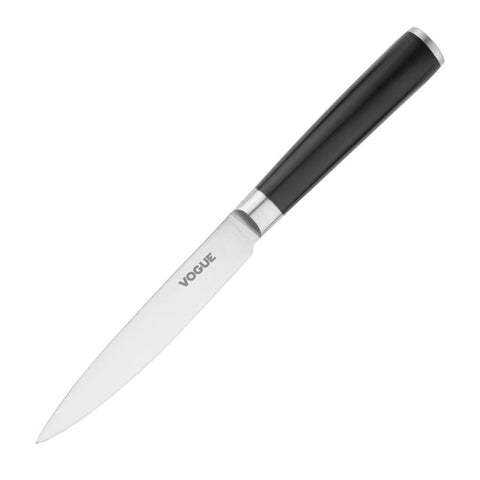
 Vogue Bistro Utility Knife 130mm - FS680
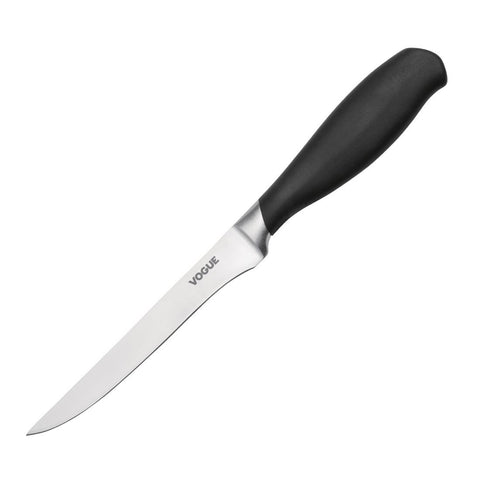
 Vogue Soft Grip Boning Knife 130mm - GD754
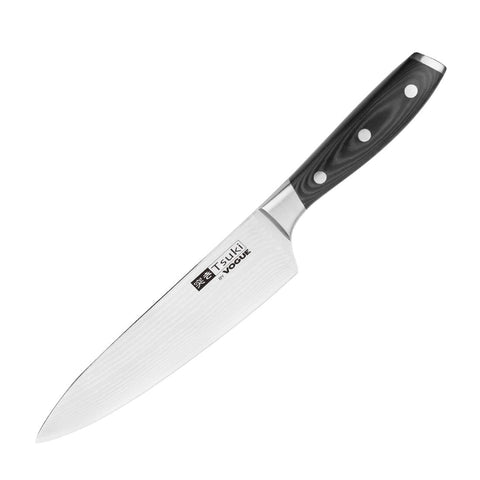
 Vogue Tsuki Series 7 Chefs Knife Black 198mm - CF841


 Olympia Steak Knife Black Handle (12 Pack) - C134
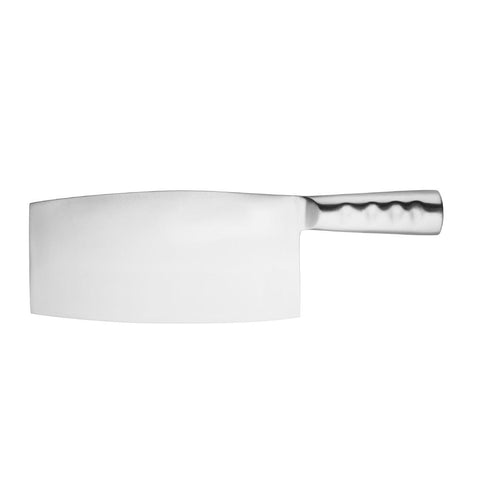
 Vogue Stainless Steel Cleaver 20.5cm - L259


 Vogue Dual Grit Whetstone 400 1000 - GD036

 Vogue Two Stage Manual Knife Sharpener - GD035


 Vogue Magnetic Large Knife Rack 61cm - D722

 Vogue Knife Sharpening Stone - D139
203.2(W) x 51(H) x 25(D)mm

 Vogue Stainless Steel Magnetic Knife Rack 450mm - CP118

 Vogue Stainless Steel Magnetic Knife Rack 360mm - CP119


 Hygiplas Palette Knife Black 190mm - D410

 Hygiplas Palette Knife Angled Blade Black 100mm - D420

 Hygiplas Serrated Vegetable Knife Green 100mm - C862

 Hygiplas Chefs Knife Green 255mm - C868

 Hygiplas Paring Knife Black 75mm - C268

 Hygiplas Slicer Serrated Brown 300mm - FX118

 Hygiplas Slicer Serrated Green 255mm - FX121

 Hygiplas Slicer Serrated Purple 300mm - FX119

 Vogue Bistro Serrated Knife 115mm - FS683

 Vogue Prep Like a Pro 3-Piece Knife Set with Knife Block - SA645

 Vogue Soft Grip Utility Knife 140mm - GD755

 Hygiplas Cooks Knife Purple 215mm - FP730

 Hygiplas Bread Knife Purple 203mm - FP731
 Vogue Knife Sharpening Steel 300mm - D121


 Tormek T-2 Pro Kitchen Knife Sharpener - T-2PRO
240(W) X 210(D) X 285(H)mm
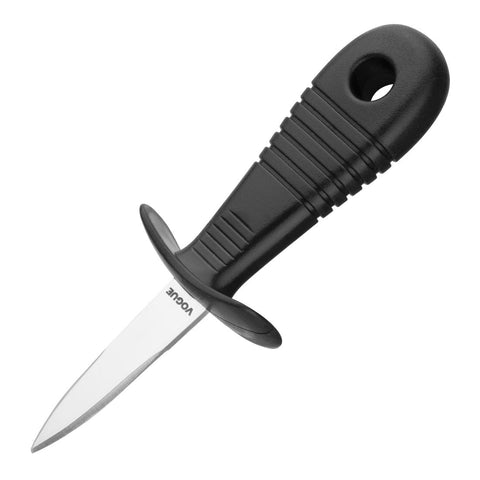


 Vogue Tsuki Series 7 Santoku Knife Black 175mm - CF844

 Vogue Tsuki Series 7 Bread Knife 196mm - CF842

 Vogue Tsuki Series 7 Carving Knife 198mm - CF843

 Vogue Tsuki Series 7 Utility Knife 128mm - CF892

 Vogue Diamond Sharpening Steel 250mm - CC199

 Olympia Steak Forks Wood Effect Handle (12 Pack) - HZ971

 Olympia Steak Knives Wood Effect Handle (12 Pack) - HZ970
Professional knives do the prep in a commercial kitchen: breaking down meat and seafood, portioning, and the hours of vegetable work that happen before service. The working set for most kitchens is a chef's knife, a paring knife, a bread knife and one specialist blade for whatever the menu actually does — a fillet knife for seafood, a kebab knife for a charcoal grill, a cleaver for bone work.
Commercial knives spend their life being used hard, sharpened often and washed hot. Professional kitchen knives in Australia are overwhelmingly stainless, because a carbon blade left wet in a commercial kitchen will rust by morning. 304 stainless steel is the food-safety grade used here, and harder blade alloys hold an edge longer but chip more readily if they are used on bone.
Commercial kitchen knives also need a sharpening routine and somewhere to live. A blunt knife is slower and more dangerous than a sharp one, and a loose drawer is where edges die — see knife storage and knive sharpeners.
Pricing a working set rather than one blade? The price guide lists the chef, paring, bread and specialist knives together with the steels and storage.
The tang is the part of the blade that runs into the handle. A full tang runs the whole length, so force applied at the tip is carried by steel rather than by the handle join.
Partial-tang knives are cheaper and are the ones that snap or work loose at the ferrule. In a kitchen where a knife gets used to lever things apart, full tang is worth the money.
German-style blades are heavier, softer and more forgiving: they take a beating, sharpen easily and roll rather than chip. Japanese-style blades are harder and thinner, hold a finer edge and cut more precisely, but they are less tolerant of bone and of being thrown in a sink.
Most commercial kitchens run German-style as the workhorse and keep one or two Japanese blades — a santoku is the usual choice — for fine work.
Honed on a steel at the start of every shift and whenever the blade starts pushing instead of cutting. Properly re-ground far less often, when honing stops bringing the edge back.
Honing realigns an edge; sharpening removes steel. Confusing the two is why knives wear out early. The sharpeners range covers both jobs.
A moulded composite handle with some texture. It grips when wet, it has no gap at the join, and it survives a machine wash better than timber.
Timber handles are more comfortable and need hand washing and drying. If the kitchen is not going to do that, buy composite.
They should not, whatever a listing says is possible. Detergent dulls the edge, the blade knocks against racks, and handles loosen. A commercial dishwasher is the fastest way to ruin a good knife.
Wash by hand, dry immediately, store on a rack or in a block. It takes less time than the dishwasher does.
Three or four. A chef's knife does eighty per cent of the work, a paring knife does the small jobs, a serrated knife does bread and tomatoes, and one specialist blade covers the menu.
A twenty-piece block is mostly decoration. If you want them all in one purchase, the knife sets range is the sensible version of that.
On a magnetic wall rack or in a block, edge protected, where a hand can take one without feeling around. Loose in a drawer is both the worst for the edge and the cause of most kitchen cuts.
For chefs who travel between sites, a knife case is the answer. It also stops knives walking.
In a kitchen handling raw protein and ready-to-eat food on the same bench, yes. Colour-coded handles make a cross-contamination mistake visible rather than invisible.
Match the colours to your chopping boards so it is one system. Two different colour schemes is worse than none.
A steel, a board and somewhere to store it. A knife bought without those three will be blunt within a fortnight.
After that, kitchen scissors and a peeler cover the jobs a knife is wrong for. The rest of the kitchen cutlery range fills out a bench.

We have a special page just for stock that's warehoused in Perth.
Click Here to see all WA stockWhat our customers say about us on Google, and how Google scores our store for things like shipping and returns.
Store scores from Google