


 03 9070 5784
 Help & Support
 Track My Order



Recently Viewed
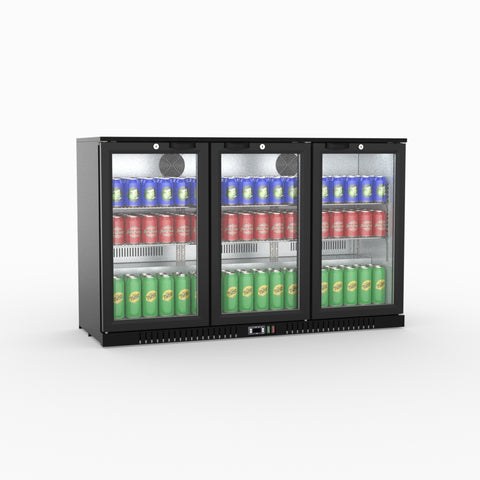

 Thermaster Under Bench Three Door Bar Cooler LG-330HC
1350(W) x 530(D) x 835(H)mm
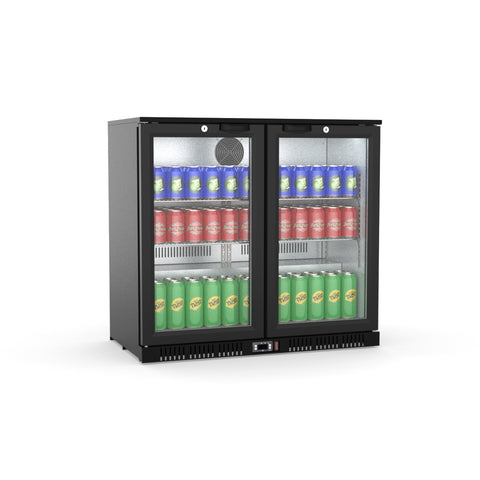
 Thermaster Under Bench Two Door Bar Cooler LG-208HC
900(W) x 530(D) x 835(H)mm
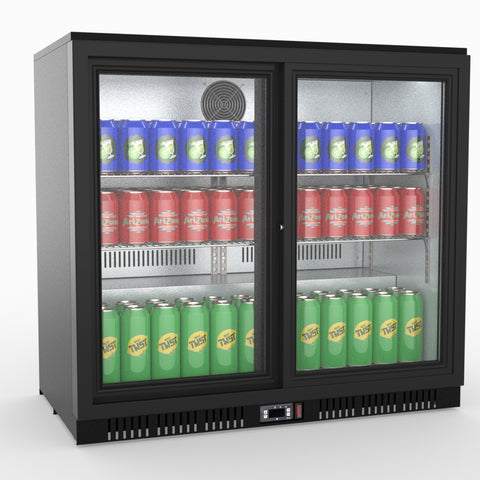
 Thermaster Under Bench Two Sliding Door Bar Cooler LG-208SC
900(W) x 530(D) x 835(H)mm
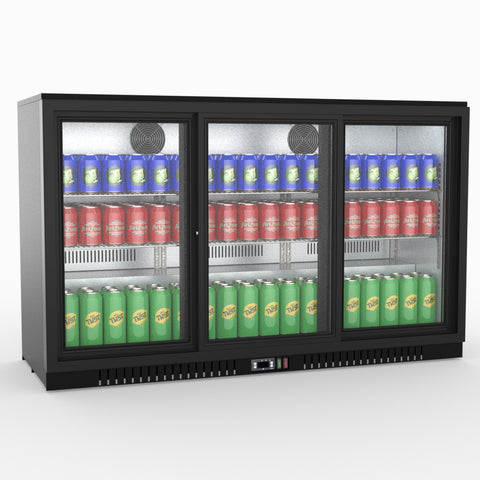
 Thermaster Under Bench Three Sliding Door Bar Cooler LG-330SC
1350(W) x 530(D) x 835(H)mm
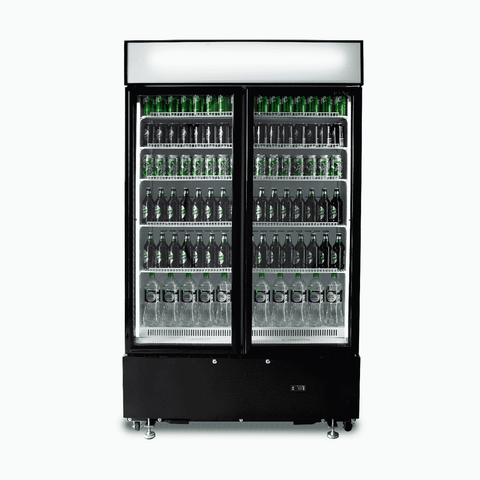

 Bromic Upright Display Fridge - 960L - 2 Doors - Flat Glass - Cassette - Black GM1000LBCAS
1200(W) x 690(D) x 2080(H)mm
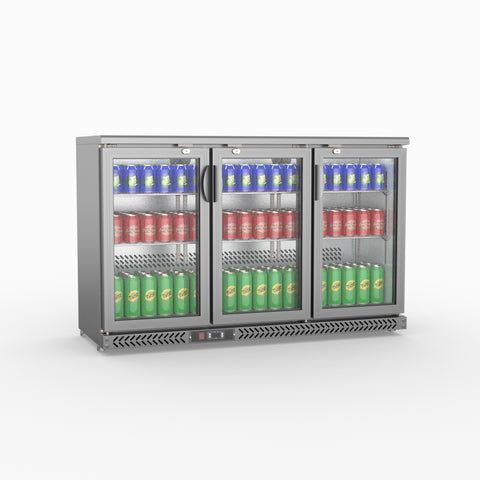
 Thermaster Three Door Stainless Steel Bar Cooler SC316SG
1350(W) x 535(D) x 900(H)mm
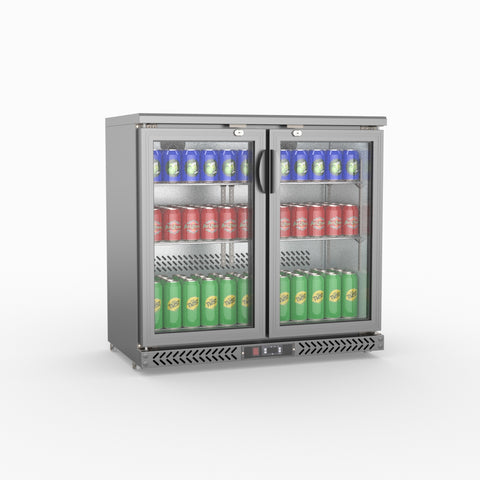
 Thermaster Two Door Stainless Steel Bar Cooler SC248SG
900(W) x 535(D) x 900(H)mm
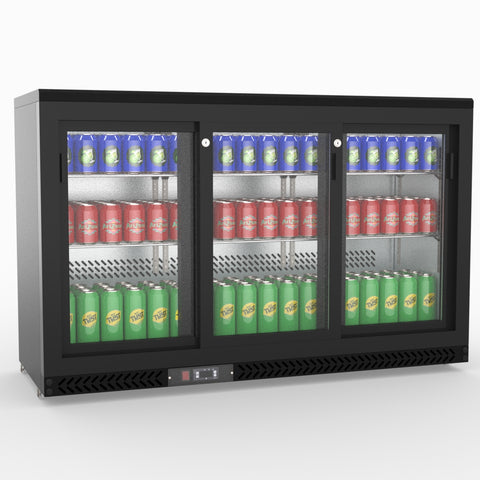
 Thermaster Three Sliding Door Bar Cooler SC316SD
1350(W) x 535(D) x 900(H)mm
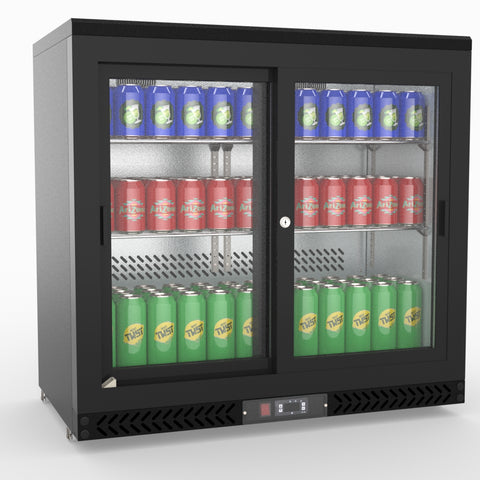
 Thermaster Double Sliding Door Drink Cooler SC248SD
900(W) x 535(D) x 900(H)mm
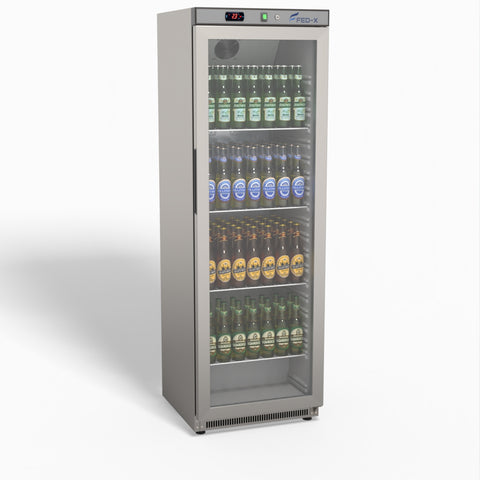

 FED-X Thermaster Stainless Steel Upright Static Display Fridge XR400SG
600(W) x 585(D) x 1850(H)mm
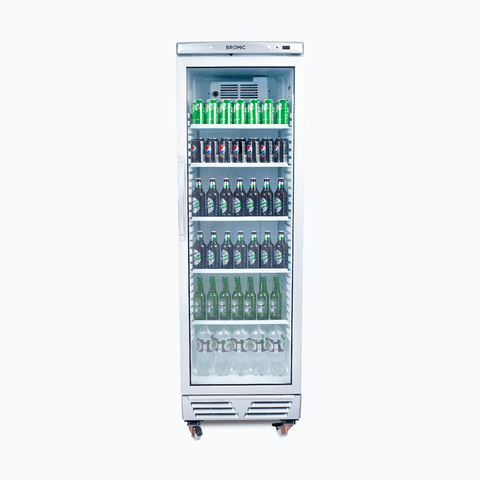
 Bromic Upright Display Fridge - 372L - 1 Door - Flat Glass - White with Silver Trim GM0374-NR
595(W) x 640(D) x 1950(H)mm
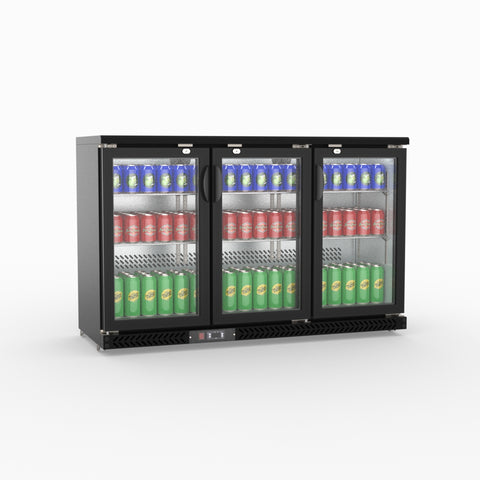
 Thermaster Three Door Drink Cooler SC316G
1350(W) x 535(D) x 900(H)mm
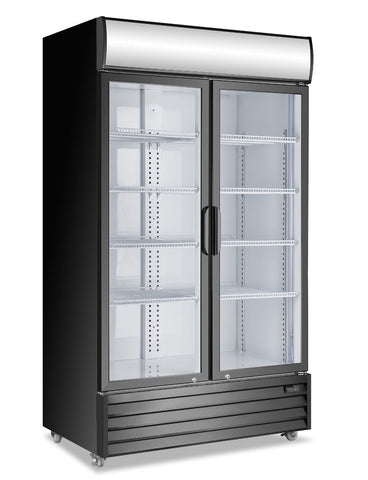

 2 Door Drink Fridges Double Glass Door | Atosa | P1000WB-A
1130(W) x 720(D) x 2023(H)mm
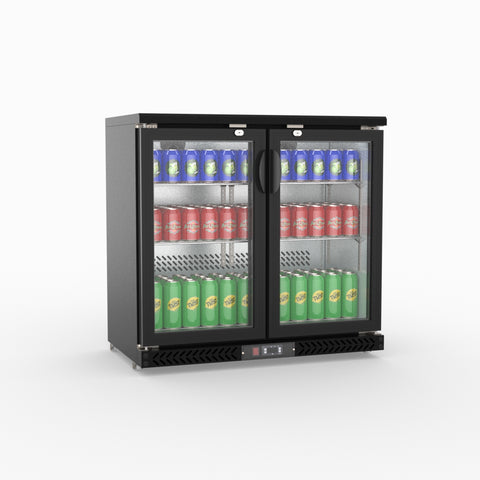
 Thermaster Two Door Drink Cooler SC248G
900(W) x 535(D) x 900(H)mm
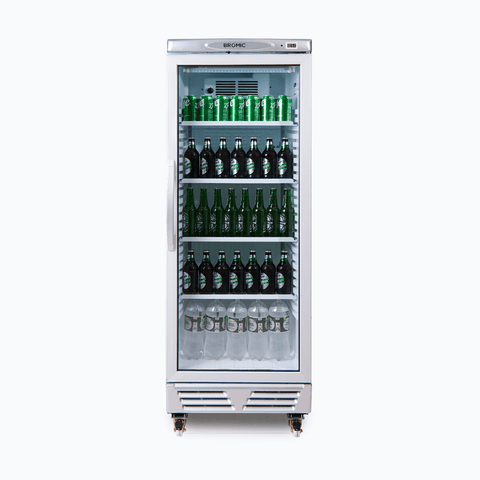
 Bromic Upright Display Fridge - 290L - 1 Door - Flat Glass GM0300-NR
595(W) x 640(D) x 1725(H)mm
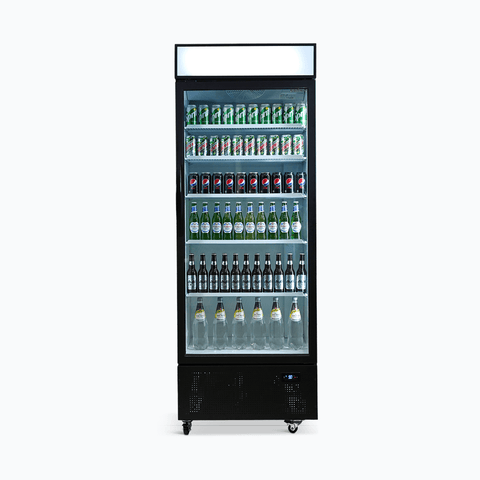
 Bromic Upright Display Fridge - 659L - 1 Door - Flat Glass - Lightbox GM0690LB
780(W) x 705(D) x 2185(H)mm
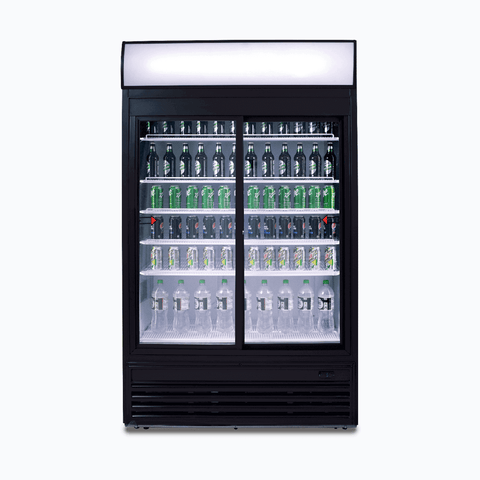
 Bromic Upright Display Fridge - 945L - 2 Doors - Sliding - Flat Glass - Lightbox GM0980LS-NR
1200(W) x 742(D) x 2000(H)mm
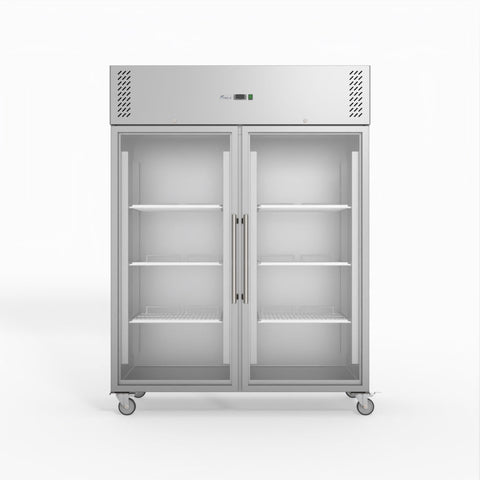
 FED-X S/S Two Full Glass Door Upright Fridge XURC1410G2V
1480(W) x 810+50(D) x 2000(H)mm
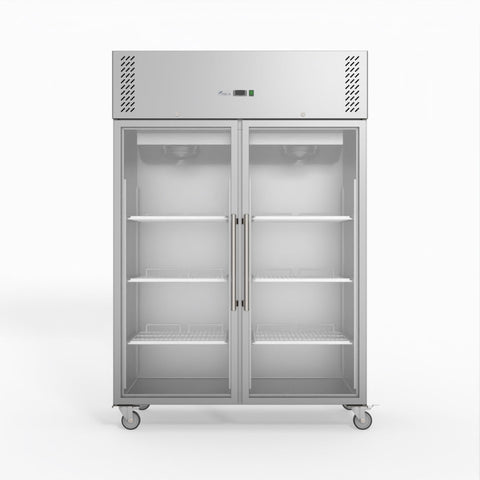
 FED-X S/S Two Full Glass Door Upright Fridge XURC1200G2V
1340(W) x 810+30(D) x 2000(H)mm
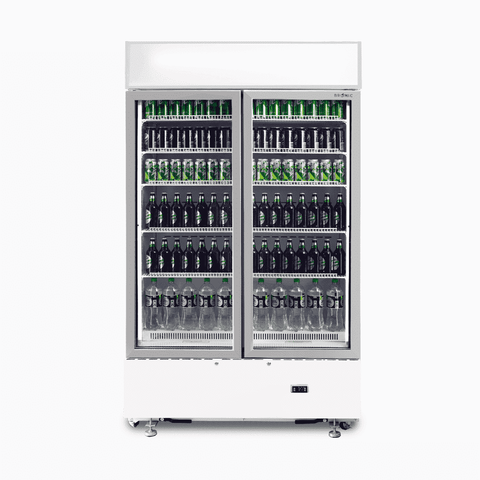
 Bromic Upright Display Fridge - 960L - 2 Doors - Flat Glass - Cassette - White GM1000LWCAS
1200(W) x 690(D) x 2080(H)mm
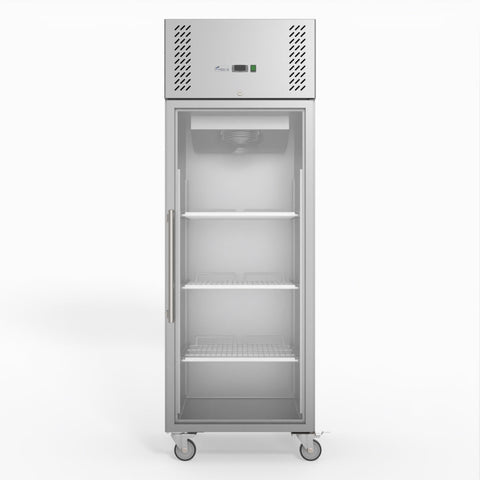
 FED-X S/S Full Glass Door Upright Fridge XURC600G1V
680(W) x 810+30(D) x 2000(H)mm
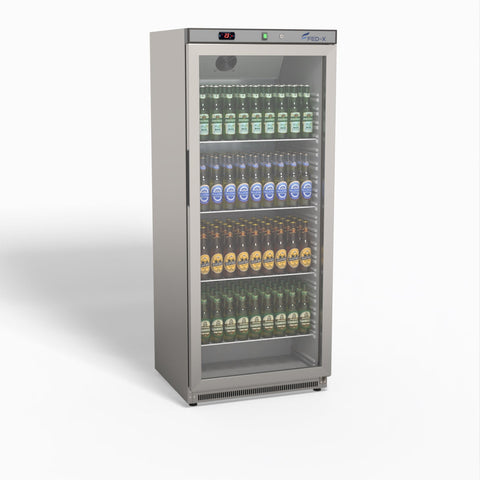
 FED-X Thermaster Stainless Steel Upright Static Display Fridge XR600SG
777(W) x 695(D) x 1890(H)mm
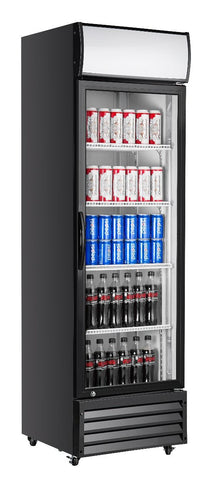
 1 Door Drink Fridges Single Glass Door | Atosa | P380WA
606(W) x 620(D) x 1940(H)mm
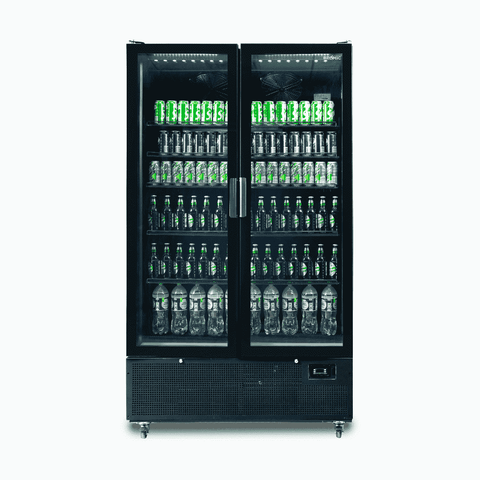
 Bromic Upright Display Fridge - 1126L - 2 Door - Flat Glass - Black GM1100B-NR
1200(W) x 775(D) x 2095(H)mm
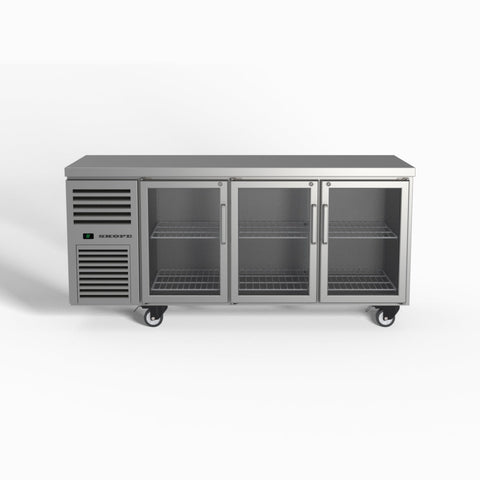

 Skope ReFlex 3 Glass Door Underbench GN 1/1 Compatible Fridge 387L - RF7.UBR.3.GD
1750(W) x 850(H) x 730(D)mm
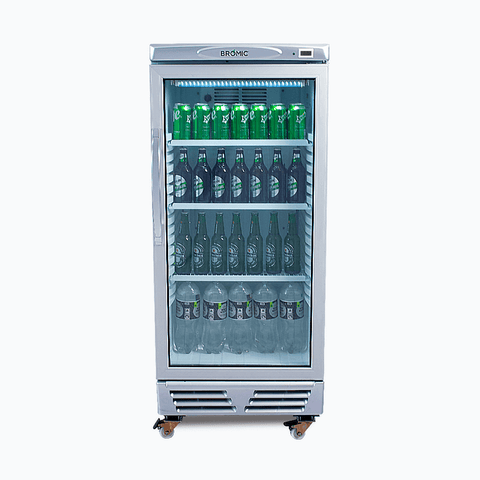
 Bromic Upright Display Fridge - 215L - 1 Door - Flat Glass GM0220-NR
595(W) x 640(D) x 1400(H)mm
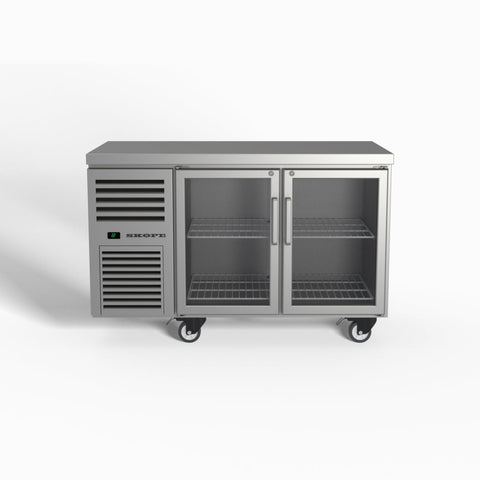
 Skope ReFlex 2 Glass Door Underbench GN 1/1 Compatible Fridge 248L - RF7.UBR.2.GD
1290(W) x 850(H) x 730(D)mm
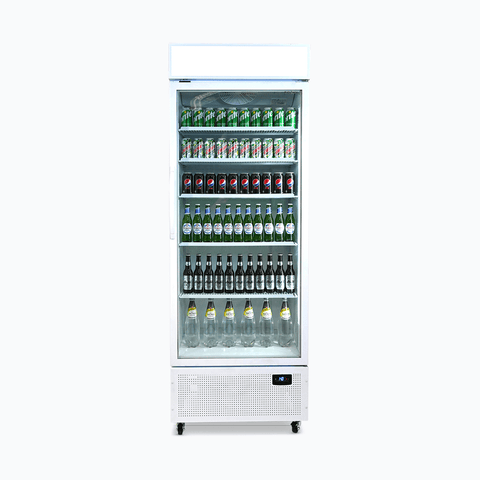
 Bromic Upright Display Fridge - 659L - 1 Door - Flat Glass - Lighbox GM0690LW
780(W) x 705(D) x 2185(H)mm
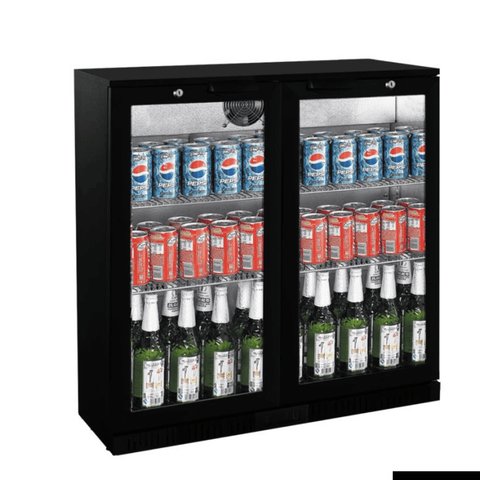
 Thermaster Under Bench Double Tropicalised Heated Glass Doors Bar Cooler with Heater Switch - LG-208TD
900(W) x 530(D) x 835(H)mm
 Skope Three Glass Door Bar Cooler 203L - BC.3.GSW
1350(W) x 825(H) x 593(D)mm

 Turbo Air Undercounter 2 Glass Door Fridge 1500mm Width x 700mm Depth KGR15-2-N
1500(W) x 700(D) x 850(H)mm
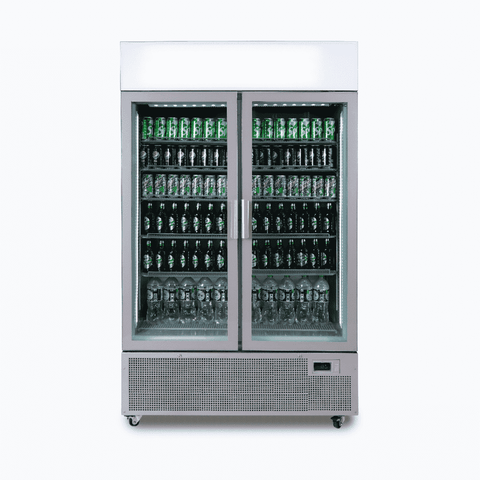
 Bromic Upright Display Fridge - 1082L - 2 Door - Flat Glass - Lightbox - Silver GM1100LS-NR
1200(W) x 775(D) x 2054(H)mm

 Bromic Upright Display Fridge - 372L - 1 Door - Flat Glass - Lightbox GM0374L-NR
595(W) x 640(D) x 2100(H)mm
 Atosa Refrigerated Back Bar Cooler with Glass Door MBB90
2268(W) x 713(D) x 1055(H)mm
 Atosa Refrigerated Back Bar Cooler with Glass Door MBB90
2268(W) x 713(D) x 1055(H)mm

 TRUE Pass-Thru Single Zone 2 Glass Swing Door Undercounter Refrigerator - Stainless - TBR60-PTSZ1-L-S-GG-GG-2
1524(W) x 631(D) x 881(H)mm
 TRUE Pass-Thru Single Zone 2 Glass Swing Door Undercounter Refrigerator - Black - TBR60-PTSZ1-L-B-GG-GG-2
1524(W) x 684(D) x 881(H)mm
 TRUE Pass-Thru Single Zone 1 Glass Swing Door Undercounter Refrigerator - Black - TBR36-PTSZ1-L-B-G-G-2
914(W) x 684(D) x 881(H)mm
 TRUE Pass-Thru Single Zone 1 Glass Swing Door Undercounter Refrigerator - Stainless - TBR36-PTSZ1-L-S-G-G-2
914(W) x 684(D) x 881(H)mm
 TRUE Reach-In Single Zone 3 Glass Swing Door Undercounter Refrigerator - Stainless - TBR72-RISZ1-L-S-GGG-2
1829(W) x 631(D) x 881(H)mm
 TRUE Reach-In Single Zone 3 Glass Swing Door Undercounter Refrigerator - Black - TBR72-RISZ1-L-B-GGG-2
1829(W) x 631(D) x 881(H)mm
 TRUE Reach-In Single Zone 2 Glass Swing Door Undercounter Refrigerator 1500mm Width - Stainless - TBR60-RISZ1-L-S-GG-2
1524(W) x 631(D) x 881(H)mm
 TRUE Reach-In Single Zone 2 Glass Swing Door Undercounter Refrigerator 1500mm Width - Black - TBR60-RISZ1-L-B-GG-2
1524(W) x 631(D) x 881(H)mm
 TRUE Reach-In Single Zone 2 Glass Swing Door Undercounter Refrigerator 1300mm Width - Stainless - TBR52-RISZ1-L-S-GG-2
1321(W) x 631(D) x 881(H)mm
 TRUE Reach-In Single Zone 2 Glass Swing Door Undercounter Refrigerator 1300mm Width - Black - TBR52-RISZ1-L-B-GG-2
1321(W) x 631(D) x 881(H)mm
 TRUE Reach-In Single Zone 2 Glass Swing Door Undercounter Refrigerator 1200mm Width - Stainless - TBR48-RISZ1-L-S-GG-2
1219(W) x 631(D) x 881(H)mm
 TRUE Reach-In Single Zone 2 Glass Swing Door Undercounter Refrigerator 1200mm Width - Black - TBR48-RISZ1-L-B-GG-2
1219(W) x 631(D) x 881(H)mm
 TRUE Reach-In Single Zone 1 Glass Swing Door Undercounter Refrigerator - Black - TBR32-RISZ1-L-B-G-2
813(W) x 631(D) x 881(H)mm
 TRUE Reach-In Single Zone 1 Glass Swing Door Undercounter Refrigerator - Stainless - TBR32-RISZ1-L-S-G-2
813(W) x 631(D) x 881(H)mm
 TRUE Swing Door Curved Edge Refrigerator Edge Glass Curved 1990mm Height - CVM-20-HC
686(W) x 750(D) x 1994(H)mm
 TRUE Swing Door Curved Edge Refrigerator Edge Glass Curved 1990mm Height - CVM-24-HC
686(W) x 750(D) x 1994(H)mm
 TRUE Swing Door Curved Edge Refrigerator Edge Glass Curved 1619mm Height - CVM-13-HC
630(W) x 581(D) x 1619(H)mm
A commercial glass door fridge holds drinks and packaged food behind a clear door, so customers can see what is on the shelf and staff can check a level without opening anything. Almost all of it is upright display cabinets — full height, one, two or three glass doors, from around 215L up to 1980L. Suppliers also sell the same cabinet as a commercial glass refrigerator or a commercial glass front refrigerator, and glass is one of the door types REO offers across commercial fridges, next to solid and sliding.
The glass is always double glazed, so a commercial glass door fridge costs about the same to run as a solid door cabinet of the same size. Any small difference is more than covered by the extra sales, because customers order what they can see. Out the back, where nobody walks past the fridge, the window earns you nothing and a solid door fridge is cheaper to buy in the same size.
An upright cabinet stands close to 2 metres high and holds the most in the smallest floor space, which is why it ends up in bottle shops, cafes, takeaway counters and staff rooms. Doors are swing or sliding, in flat glass or curved edge glass, and finishes include stainless steel, black, white and white with silver trim.
Some models carry a lightbox across the top for branding. Some use a cassette refrigeration system, a self-contained module that slides out in one piece for service or swap. Some have heated tropicalised glass with a heater switch, so you can turn the heating off in the cooler months.
Bromic offers the widest run of upright display fridges, from a 215L single door up to a 1980L three door, and True Refrigeration, Williams, Skope, Turbo Air and Skipio offer glass doors at the premium end. REO has an answer at every price point. Thermaster and FED-X sit lower on the price list and are worth a serious look, because their warranty and after-sales support are unbeatable for that price point, and FED-X offers stainless steel upright glass door fridges in one and two door.
Our recommendation is to buy on value for money rather than the sticker price — the longest warranty and the lowest total cost of ownership over the life of the fridge. REO prices refrigeration sharply, and once you have picked the right unit Silverchef Rent-Try-Buy makes it easier to pay for: you rent the fridge, keep your cash for the rest of the fit-out, claim the rental payments as an operating expense, and buy it out or move up to a bigger model as the business grows.
Buy glass wherever a customer can see the fridge, or where staff need to check a shelf without opening the door. Drinks behind a bar, bottles in a bottle shop, sandwiches and cut fruit at a cafe counter — all of it sells better when people can see it, and a look through the glass saves opening the door every time somebody checks how much is left.
Buy solid for back of house. A solid door cabinet is cheaper to buy in the same size, and nobody is looking through it, so the glass and the lighting do nothing for you. REO offers commercial solid door fridges in the same sizes for storage and prep.
Not meaningfully. The glass in these doors is always double glazed, with a sealed gap between the two panes doing the insulating, so far less heat comes through it than people assume. The internal lights add a little, and a heated door element adds a little more, but the gap against a solid door cabinet of the same size is small.
It is also the wrong thing to buy on. A display fridge pays for itself in what customers buy after seeing it, and that is worth much more than the small difference in power. If you want to control what a fridge costs you, keep the condenser clear of dust and grease, leave the clearance the manufacturer asks for, load cold product instead of warm, and do not leave the door hanging open while somebody decides.
Size it on how much you sell between restocks and on how often somebody can top it up. A single door upright around 215L to 372L suits a cafe counter or a small takeaway. Two door cabinets from 885L to 1266L cover a normal bar or bottle shop service. The 1980L three door is worth looking at if you restock once a day rather than twice a service.
Then measure twice. Measure the space, and measure the doorways, corridors and lifts the fridge has to travel through to get there, because a cabinet close to 2 metres high will not go through some back doors standing up. Allow for the door swing as well, because a swing door needs clear space in front of it along the whole width of the cabinet.
They can, in a humid venue. Warm moist air meets cold glass, condensation forms on the outside, and customers cannot see the drinks. It is worst in summer, in kitchens with a lot of steam, and anywhere near an open doorway.
Heated glass doors fix it. A small element in the door holds the glass a touch above the dew point so moisture never settles on it. REO offers models with tropicalised heated glass doors and a heater switch, which means you can turn the heating off in cooler months and stop paying for it when you do not need it.
Swing doors seal better, because the gasket pulls up flat against the frame all the way round, and they open the full width so you can load a whole shelf at once. The catch is the space they need in front. In a narrow aisle, or behind a bar with staff moving past, a swing door that has to open 90 degrees gets in the way.
Sliding doors need no clearance at all, which is why they suit tight walkways. You only get at half the cabinet at a time, and the tracks collect crumbs, bottle caps and spilled drink, so they need a wipe out regularly or the doors start to drag. REO offers commercial sliding door fridges if space in front of the unit is the problem.
A single door upright will usually plug straight into a standard 10 amp socket, because it is single phase and draws under 10 amps. Larger two and three door cabinets, especially ones carrying a lot of lighting and heated glass, can need a 15 amp outlet. A 15 amp plug has a wider earth pin and will not fit a standard socket until an electrician installs one, so check the power requirement on the product page before you book a delivery date.
Give the fridge its own circuit if the switchboard allows it. The compressor pulls a surge of current every time it starts, and sharing a circuit with a toaster, a microwave and a coffee machine will trip a breaker overnight sooner or later and leave you with warm food in the morning.
Somewhere the condenser can breathe. Every fridge sheds heat through its condenser and that heat has to go somewhere, so leave the clearance the manufacturer specifies and keep the vents clear. Do not stand a cabinet beside an oven, a chargrill or a dishwasher exhaust if you can avoid it.
Keep it out of direct sun. A display cabinet parked in a shopfront window with afternoon sun on it will run far harder than the same unit two metres further in, and the drinks inside can warm through the glass even while the cabinet holds its set point. If the fridge is going somewhere a technician would struggle to reach, ask about the cassette models, because the whole refrigeration module comes out in one piece.
Door gaskets are the usual one. Close the door on a sheet of paper and pull it out — if it slides free with no resistance, the gasket has gone flat and warm air is leaking in around it. Gaskets are a wear and tear component on any fridge and need replacing periodically.
After that it is the condenser, which packs up with dust and kitchen grease and needs a proper clean, and the hinges or door closers, which take a beating in a busy venue and eventually stop pulling the door shut on their own. Replace the internal lights as they fail, since customers will not buy out of a cabinet they cannot see into. Clean the glass with a non-abrasive cleaner so the panels do not scratch or haze, and check the seal around the edge of the glass while you are there.
Check the unit for transit damage as soon as it arrives and tell us within 24 hours. Not two days, not two weeks. REO offers a 24-hour replacement guarantee on transit damage, and it only applies if you tell us inside that window.
Glass doors and the panels around them are the parts most likely to be marked on the truck, so look over the glass, the frame and the corners of the cabinet before the driver leaves if you can. Photograph anything you find and send the photos through with the report.
Order spare shelves with the fridge. Most venues fill the shelves they were given long before the cabinet itself is full, and extra shelving is cheap next to buying a bigger unit. A separate thermometer is worth having too, so you are checking the actual air temperature inside and not only the controller display.
A non-abrasive glass cleaner, a condenser brush and a spare door gasket are worth keeping on hand as well. If the fridge is going into a line-up with other cabinets, match the widths and the finishes before you order so the fronts line up instead of stepping in and out.

We have a special page just for stock that's warehoused in Perth.
Click Here to see all WA stock