


 03 9070 5784
 Help & Support
 Track My Order



Recently Viewed
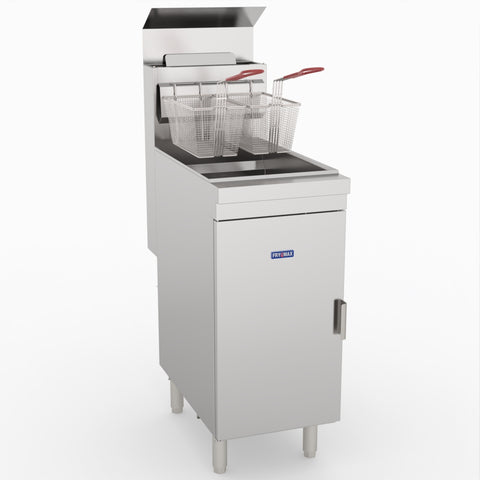

 Gasmax Superfast LPG Gas Tube Fryer - RC300ELPG
394(W) x 759(D) x 1195(H)mm
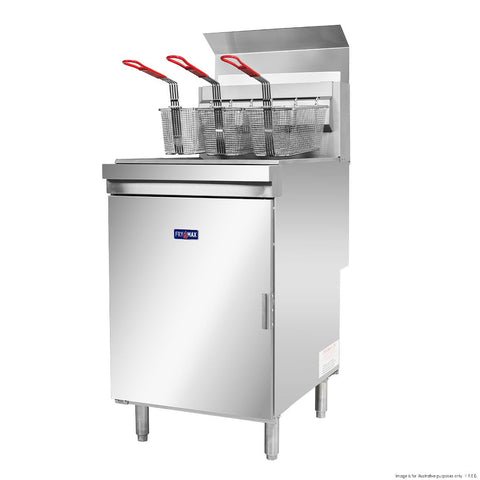
 Gasmax Superfast LPG Gas Tube Fryer - RC500ELPG
534(W) x 759(D) x 1195(H)mm
 Gasmax Superfast Natural Gas Tube - RC300E
394(W) x 759(D) x 1195(H)mm
Gasmax Superfast Natural Gas Tube Fryer - RC500E
534(W) x 759(D) x 1195(H)mm
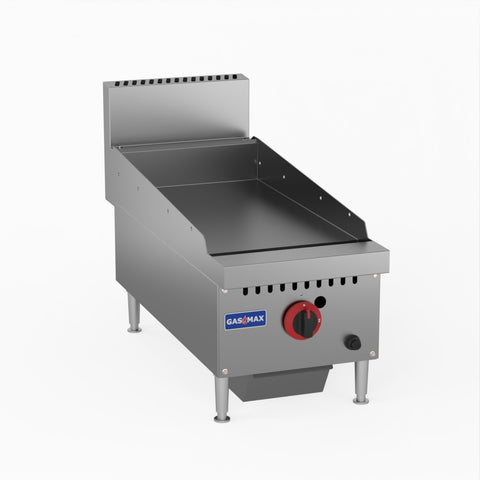
 GasMAX One Burner Lpg Griddle Top - GG-12LPG
336(W) x 824(D) x 546(H)mm
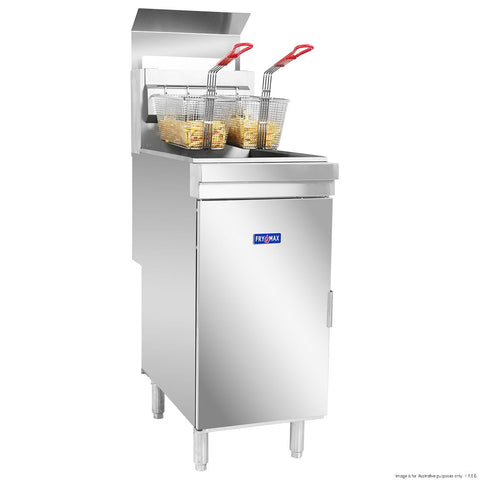
 Gasmax Superfast Natural Gas Tube Fryer - RC400E
394(W) x 759(D) x 1195(H)mm

 FryMAX RC300E Superfast Tube Fryer - Natural Gas/LPG
Gasmax Superfast LPG Gas Tube Fryer - RC400ELPG
FryMAX RC300E Superfast Tube Fryer - Natural Gas/LPG
Gasmax Superfast LPG Gas Tube Fryer - RC400ELPG
394(W) x 759(D) x 1195(H)mm
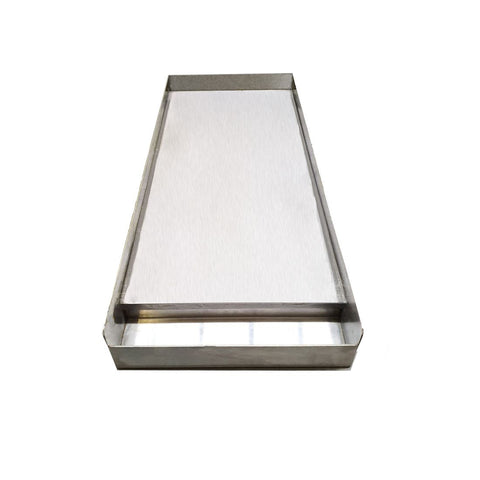
 GasMAX Handy Add-on For Cooktops S-GRDE
300(W) x 730(D) x 80(H)mm
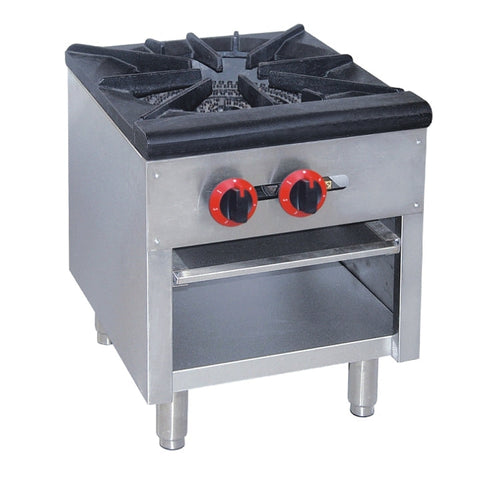
 GasMAX Gas Dual Ring Single Burner Hob RB-1E
463(W) x 676(D) x 497(H)mm
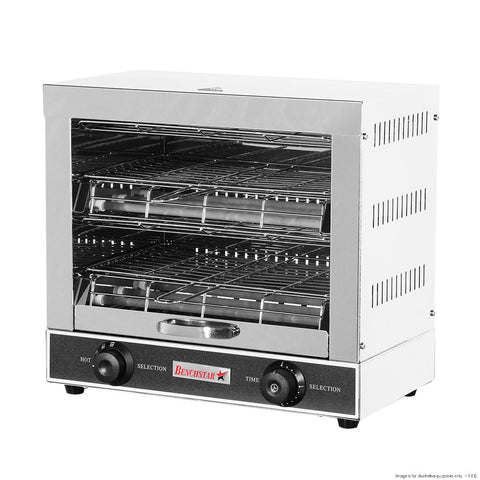

 Benchstar Toaster / Griller Salamander AT-360BE
440(W) x 345(D) x 402(H)mm
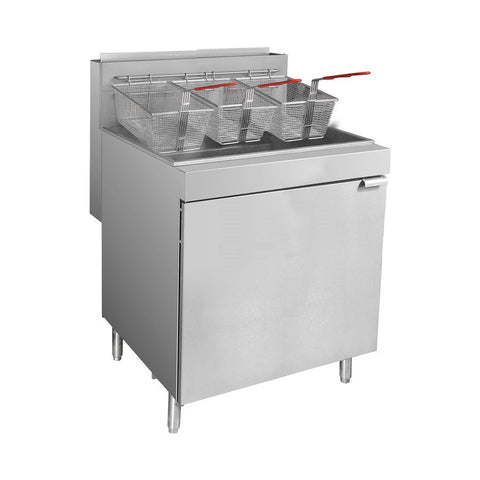 FryMAX RC500E Superfast Tube Fryer - Natural Gas/LPG
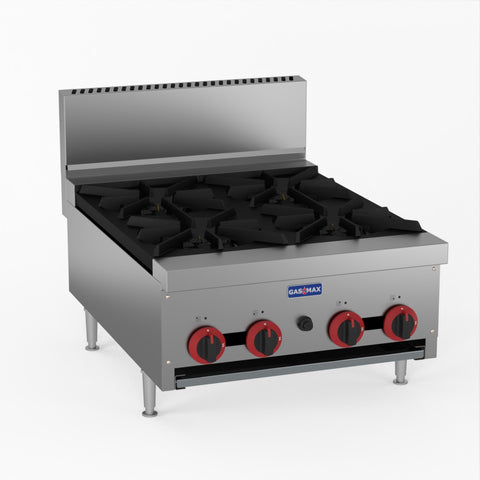
 GasMAX Gas 4 Burner Cook Top - RB-4ELPG
602(W) x 824(D) x 574(H)mm
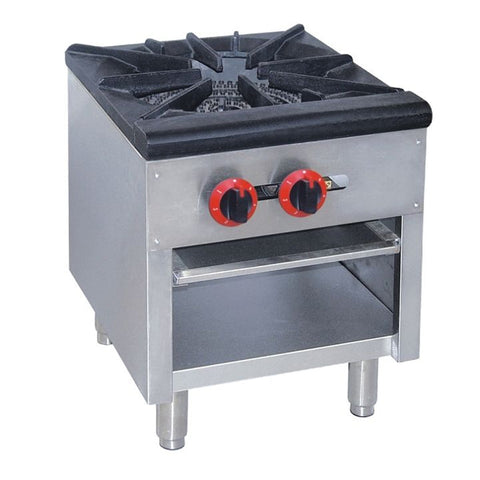
 GasMAX Gas Dual Ring Single Burner Hob RB-1ELPG
463(W) x 676(D) x 497(H)mm
 GasMAX Gas 4 Burner Cook Top RB-4E
602(W) x 824(D) x 574(H)mm
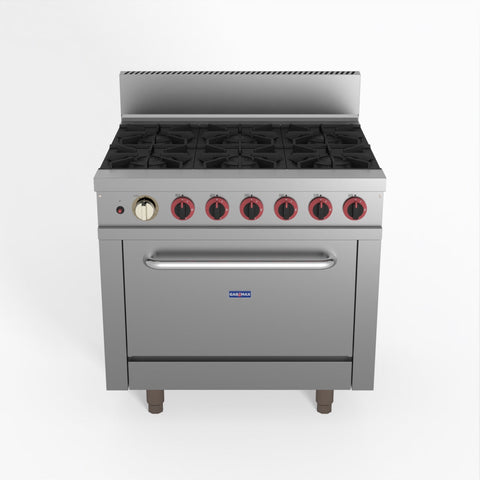
 GasMAX 6 Burner With Oven Flame Failure GBS6TS
914(W) x 855(D) x 1128(H)mm
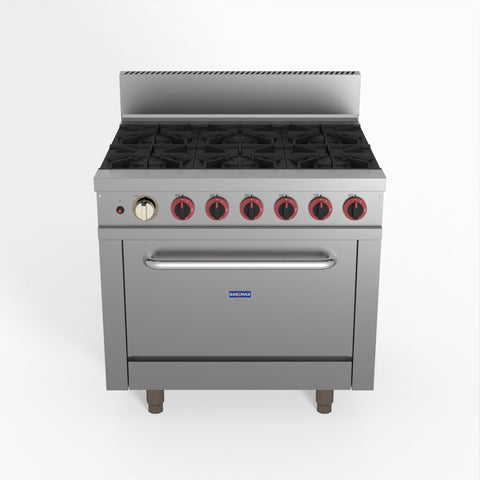
 GasMAX 6 Burner With Oven Flame Failure GBS6TSLPG
914(W) x 855(D) x 1128(H)mm
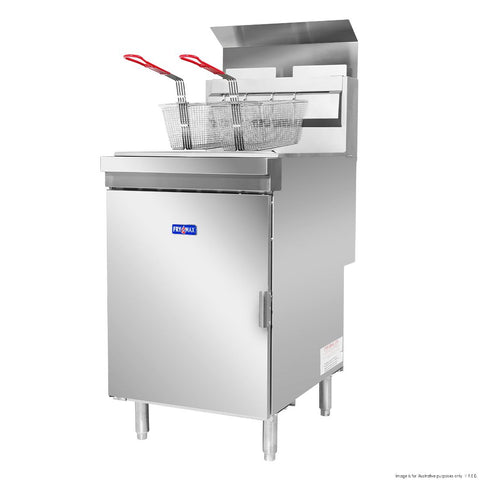
 Gasmax Superfast Natural Gas Tube Twin Vat Fryer - RC400TE
534(W) x 769(D) x 1195(H)mm
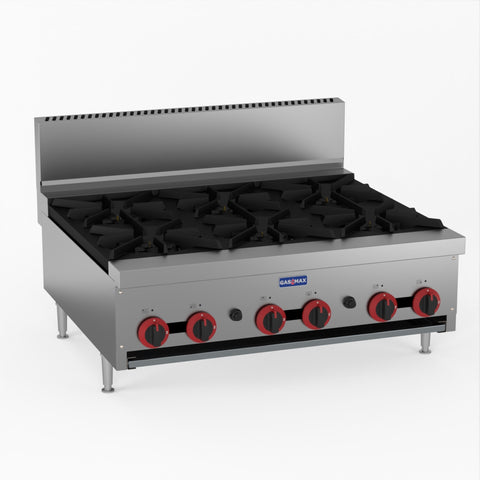
 GasMAX Gas 6 Burner Cook Top RB-6E
902(W) x 824(D) x 575(H)mm
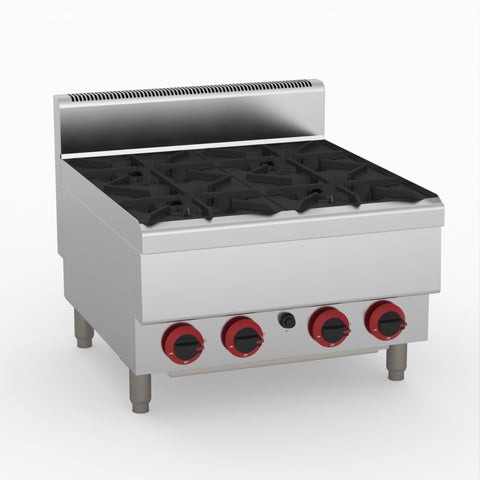
 GasMAX Benchtop Lpg 4 Burner Cooktop W/ Splashback - JUS-TR-4BLPG
605(W) x 652(D) x 538(H)mm
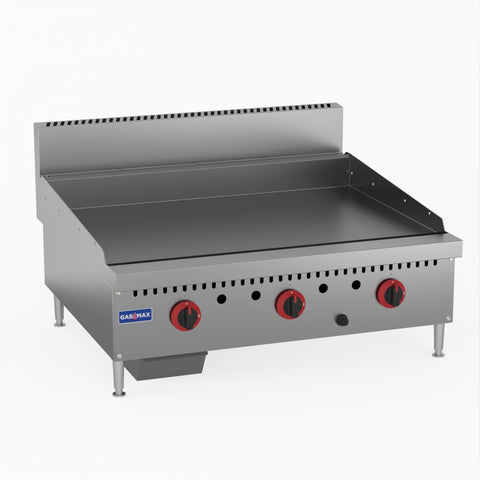
 GasMAX Three Burner Lpg Griddle Top - GG-36LPG
900(W) x 824(D) x 546(H)mm
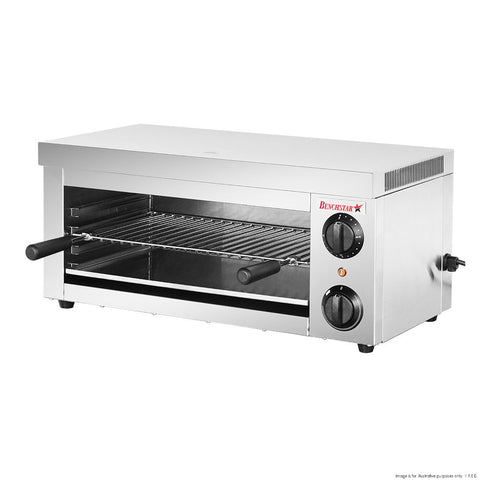
 Benchstar Toaster / Griller Salamander AT-936E
630(W) x 320(D) x 280(H)mm
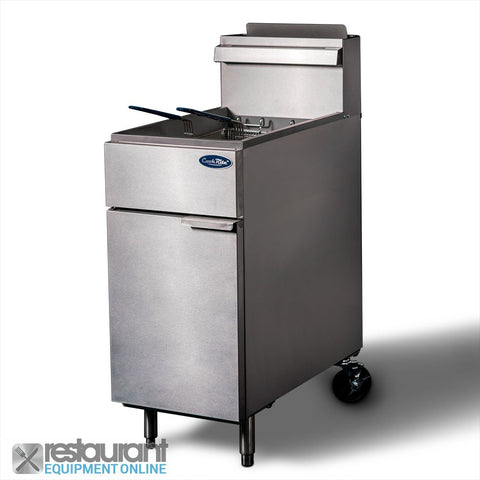

 Cookrite ATFS-40 3 Tubes Gas Deep Fryer - Natural Gas/LPG
395(W) x 765(D) x 1128(H)mm
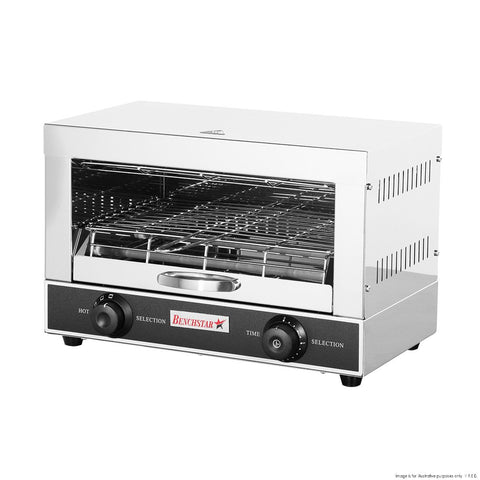
 Benchstar Single Infrared Quartz Element Salamander Griller Toaster And Timer QT-1
440(W) x 245(D) x 287(H)mm
 Cookrite 84Mj/h 3 Tubes Gas Deep Fryer LPG ATFS-40-LPG
395(W) x 765(D) x 1128(H)mm
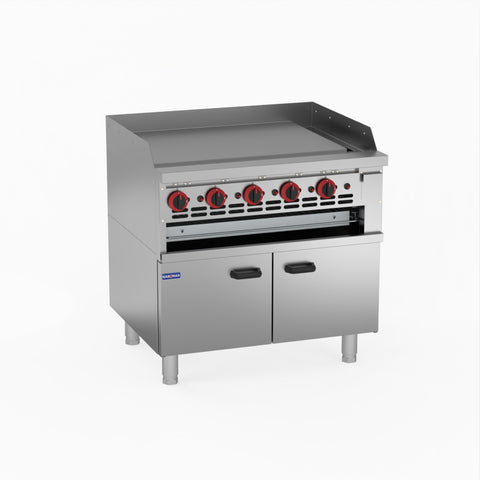
 GasMAX Gas Griddle And Toaster With Cabinet GGS-36LPG
915(W) x 815(D) x 970(H)mm
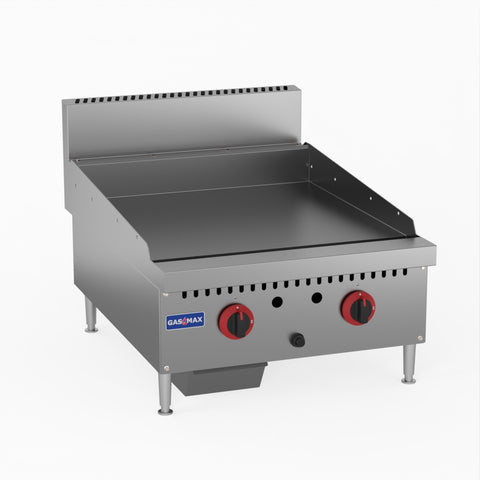
 GasMAX Two Burner Lpg Griddle Top - GG-24LPG
610(W) x 824(D) x 546(H)mm
Cookrite 84Mj/h 3 Tubes Gas Deep Fryer NG ATFS-40-NG
395(W) x 765(D) x 1128(H)mm
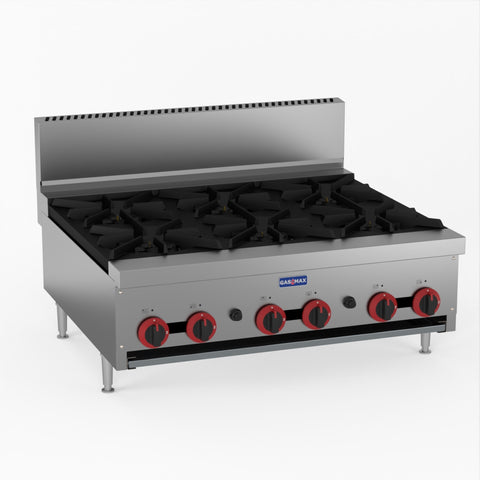
 GasMAX Gas 6 Burner Cook Top RB-6ELPG
902(W) x 824(D) x 575(H)mm
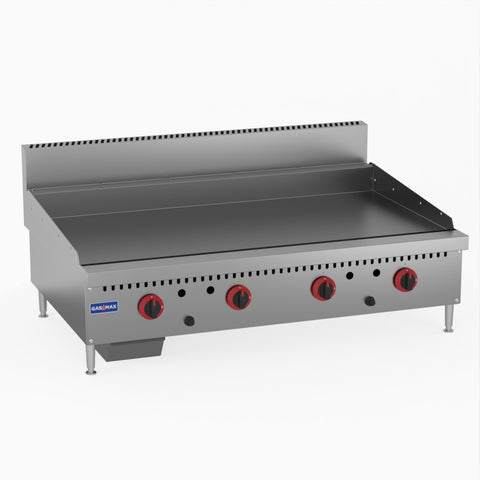
 GasMAX Four Burner Lpg Griddle Top - GG-48LPG
1200(W) x 824(D) x 546(H)mm
 GasMax JUS-TR-4B Benchtop 4 Burner Cooktop w/ Splashback - Natural Gas/LPG
GasMax GBS6TS 6 Burner With Oven Flame Failure - Natural Gas/LPG
GasMax JUS-TR-4B Benchtop 4 Burner Cooktop w/ Splashback - Natural Gas/LPG
GasMax GBS6TS 6 Burner With Oven Flame Failure - Natural Gas/LPG
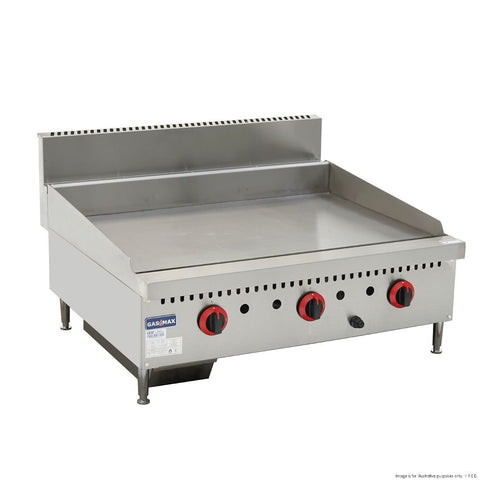
 GasMAX Three Burner Ng Griddle Top - GG-36
900(W) x 824(D) x 546(H)mm
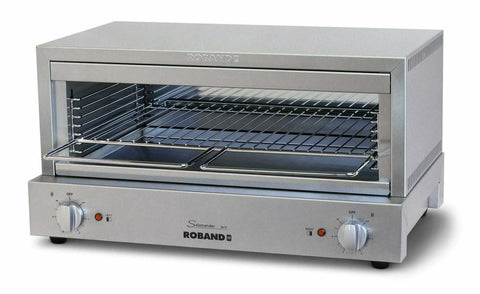

 Roband Salamander, 15 slice - SA15
690(W) X 455(D) X 355(H)mm
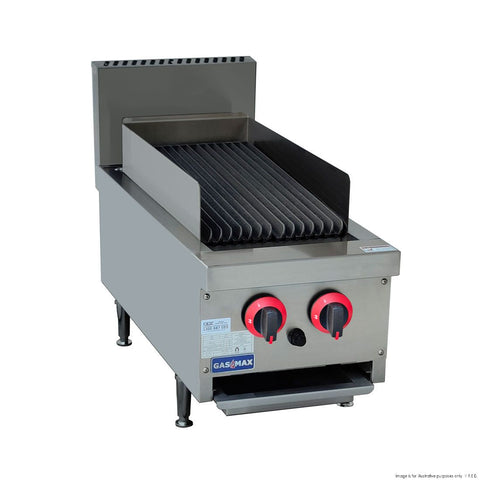 GasMAX Natural Gas 2 Burner Char Grill Top - QR-14E
354(W) x 773(D) x 475(H)mm
GasMax RB-6E Cook Top 6 Burner With Flame Failure - Natural Gas/LPG
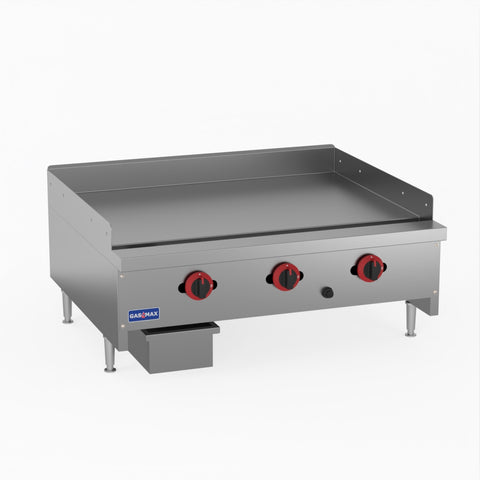
 GasMAX Three Burner Griddle RGT-36E
910(W) x 840(D) x 420(H)mm
 GasMAX Two Burner Ng Griddle Top - GG-24
610(W) x 824(D) x 546(H)mm
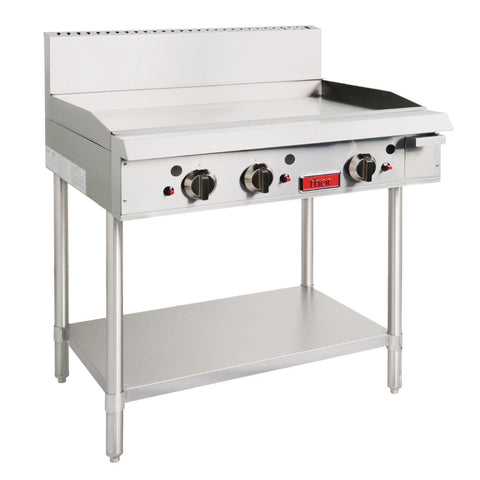

 Thor Freestanding Natural Gas 3 Burner Griddle - GH106-N
915(W) x 942(H) x 835(D)mm
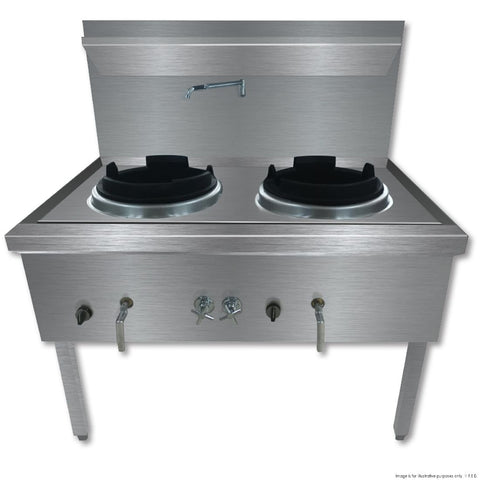
 GasMAX Stainless Steel Waterless Nature Gas Double Wok Chimney Burner - WW-2NC
1200(W) x 850(D) x 1300(H)mm
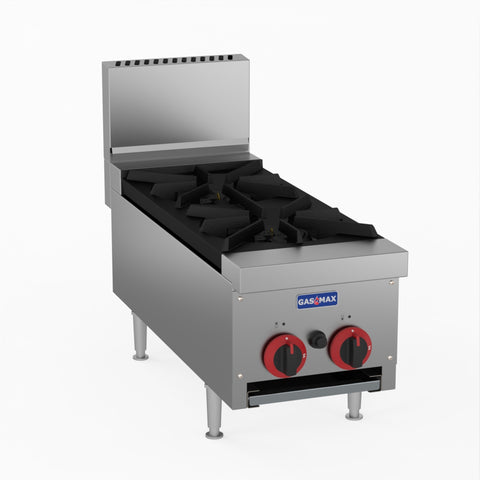
 GasMAX Gas 2 Burner Cook Top - RB-2E
302(W) x 824(D) x 575(H)mm
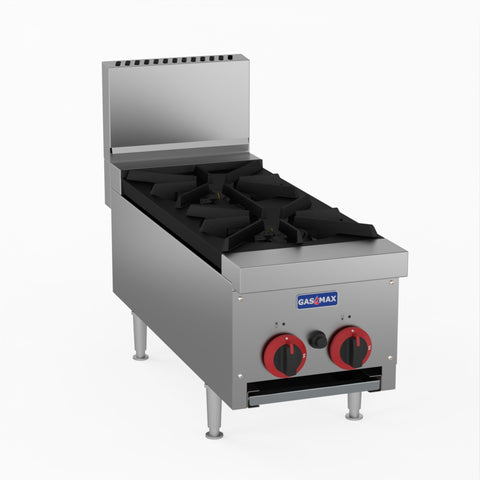
 GasMAX Gas 2 Burner Cook Top RB-2ELPG
302(W) x 824(D) x 575(H)mm
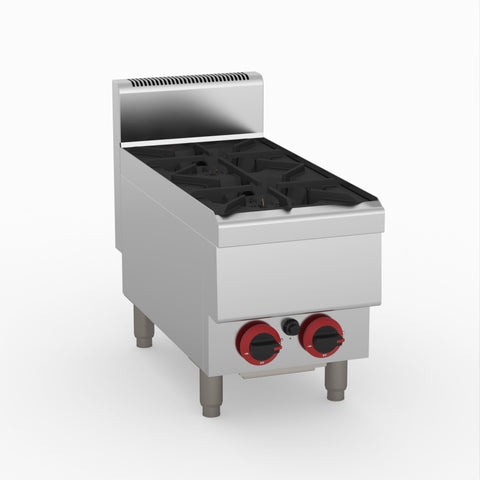
 GasMAX Benchtop Lpg 2 Burner Cooktop W/ Splashback - JUS-TR-2BLPG
305(W) x 652(D) x 538(H)mm
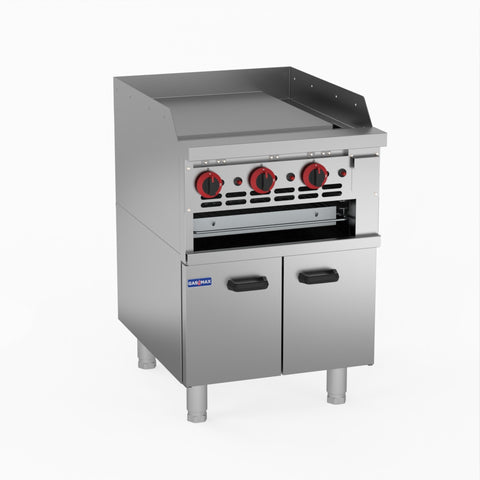
 GasMAX Gas Griddle And Toaster With Cabinet GGS-24LPG
610(W) x 815(D) x 970(H)mm
 GasMax RB-4E Cook Top 4 Burner With Flame Failure - Natural Gas/LPG
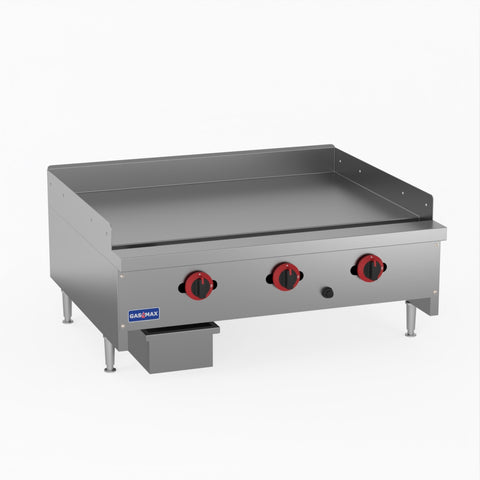 GasMAX Three Burner Griddle Lpg - RGT-36ELPG
910(W) x 850(D) x 420(H)mm
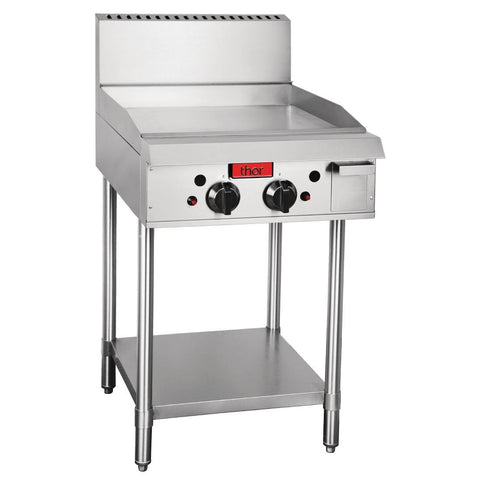
 Thor Freestanding Natural Gas 2 Burner Griddle - GH105-N
610(W) x 942(H) x 835(D)mm
Gasmax Superfast LPG Gas Tube Twin Vat Fryer - RC400TELPG
534(W) x 769(D) x 1195(H)mm
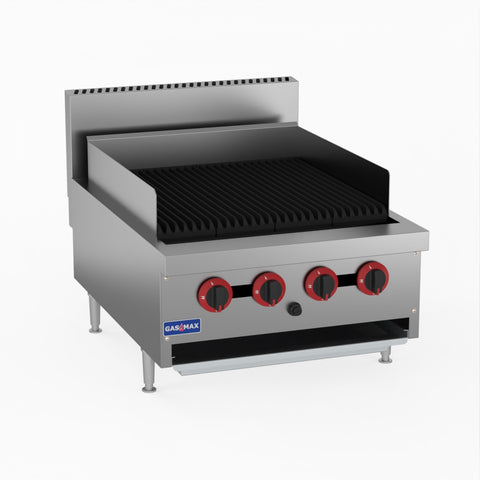
 GasMAX Natural Gas 4 Burner Char Grill Top QR-24E
609(W) x 824(D) x 460(H)mm
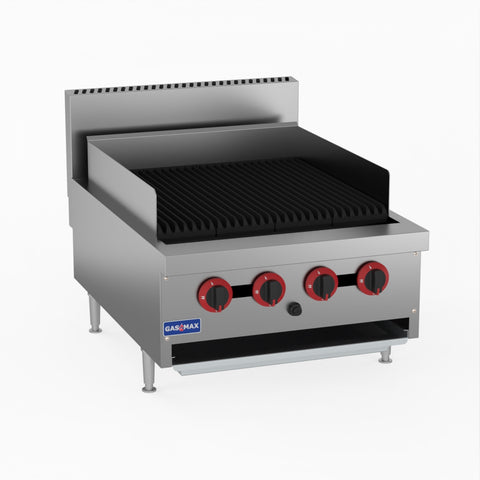
 GasMAX Lpg Gas 4 Burner Char Grill Top QR-24ELPG
609(W) x 770(D) x 460(H)mm
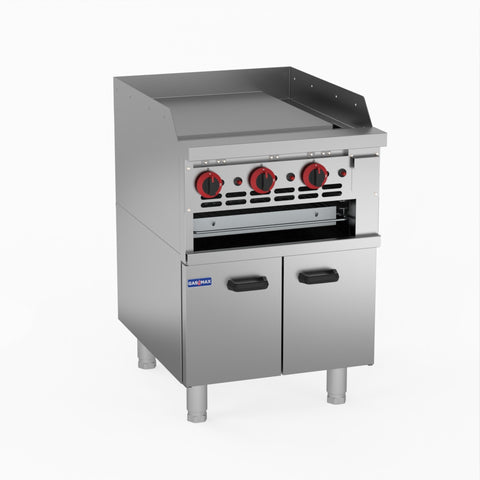
 GasMAX Gas Griddle And Toaster With Cabinet - GGS-24
610(W) x 815(D) x 970(H)mm
 FryMAX RC400E Superfast Tube Fryer - Natural Gas/LPG
Gas is still what most Australian kitchens cook on, because you can see what the heat is doing and change it by hand the moment you need to. Gas griddles are a solid flat plate for eggs, onions and burgers, and gas cooktops are open burners you put pots and pans straight onto.
If you want bar marks on a steak you're after a gas chargrill, which runs grates over radiant heat, and if you're cooking Asian you'll want a gas wok burner, shaped around a round wok base. REO also offers gas oven ranges, gas deep fryers, salamanders, pasta cookers, stock pot burners, kebab grills, bratt pans and griddle toasters.
A gas oven range puts burners over an oven so one footprint cooks and bakes, which is usually the first thing a small kitchen buys. Fryers get picked mostly on how quickly the oil recovers between baskets. A salamander mounts above the bench and grills from overhead, which is what you want for melting and glazing.
A pasta cooker is a water bath with baskets in it, and stock pot burners are low to the floor so a full pot isn't a two-person lift. Bratt pans tilt so you can pour straight out of them, kebab grills turn meat against a vertical burner, and a griddle toaster is a plate with a hinged lid that closes down over a bun.
You can. REO's prices are already sharp, and Silverchef Rent-Try-Buy makes it easier again, because you rent the equipment instead of paying for it up front and your cash stays free for the rest of the fit-out, which is where most new venues run short. The rental payments go through as an operating expense.
You're not locked in at the end of it either. You can buy the unit out, or move up to a bigger model as the business grows, and on gas that second option gets used a lot, because the four burner range that's right for a new venue is often too small by the second year. It covers everything from a single benchtop griddle up to a full hot line.
They're really two different appliances, because each burner is jetted for the gas it's going to run on. LPG comes out of bottles or a tank at higher pressure and carries more energy per litre, so an LPG burner uses a smaller jet. Natural gas is piped in from the street at lower pressure, so its jets are bigger.
A burner fed with the wrong gas won't cook properly. Natural gas jets running on LPG give a roaring, sooty flame, and LPG jets on natural gas barely make any heat at all.
Check what's actually connected at the site before you order. Most of what REO offers comes in both versions, and the right one costs no more than the wrong one.
Usually, yes. The manufacturer supplies a conversion kit for that model, and a licensed gasfitter fits the new jets, resets the regulator and the air shutters, adjusts the pilot, leak tests the unit and changes the data plate so it reads for the gas it's now burning. It isn't a setting you can change yourself.
There are two things to check first. Not every model has a kit available, and where one does, the kit plus the labour will usually cost more than buying the correct version in the first place. Converting makes sense when you already own the unit and the gas supply at the site has changed, but if you're buying now, order it built for the gas you've got.
It's a safety cut-out on the gas valve. A small sensor sits in the flame, and while it stays hot it holds the valve open. If the flame goes out, and that can be a pot boiling over, a door letting a draught through or an LPG bottle running dry, the sensor cools within a few seconds and the valve shuts, so the gas stops instead of filling the room.
Ovens and enclosed burners have had them for years, and plenty of open burners carry them now as well, with some models saying so in the name. The sensor is a wear part. If a burner lights while you hold the knob in but dies the second you let go, that's almost always the sensor, and it's a cheap part to replace.
Nearly always. Anything putting out 8 kW or more needs a mechanical exhaust hood over it, and that catches most gas cooking equipment, because a single four burner cooktop is past 8 kW on its own. The rule covers heat, moisture and combustion fumes as well as smoke, which is why a commercial dishwasher counts towards the total too.
What matters is the total for everything under the one canopy, so add it all up before the canopy gets sized, and order the canopy on the same job as the cooking equipment. Putting one in later, once the line is built and the ducting has to work its way around what's already there, costs a lot more than doing it at the same time.
A licensed gasfitter, and that's the law in every state, because a plumbing or electrical ticket doesn't cover gas work. The fitter issues a compliance certificate when it's done. Gas is a licensed trade, so book the installer in before the equipment is delivered, because a range standing in the middle of the kitchen waiting on a gasfitter holds up everything else on the fit-out.
The site needs a few things ready as well. You want a gas point with an isolation valve, and if the unit is going to roll out for cleaning you'll need a bayonet fitting and a commercial hose. Leave clearance at the sides and the back from anything that can burn, and get the floor level so the doors line up properly. The canopy goes in above it all.
Gas gives you heat you can see and adjust by hand, and the flame wraps around a round pan or a wok in a way a flat element can't, which is why grill sections, wok tables and stock pot burners nearly always stay on gas. It also keeps load off the switchboard, and that matters on a site where three phase power is limited.
Electric and induction hold a set temperature more accurately, run cooler and cleaner, and don't put combustion fumes into the room, with induction in particular putting the heat into the pan rather than the kitchen. Most kitchens end up with a bit of both: gas where a cook is working to the flame, electric where something has to hold the same temperature all service.
Benchtop units stand on a bench or a stand, and they suit small kitchens, food trucks and any section you think you might move later, though it's worth checking the bench is rated for the weight before you order. Freestanding units stand on their own legs or castors and come in set widths, so they line up with the rest of the bank.
Freestanding equipment is generally built heavier and holds its heat better through a long service, which shows up on a busy line. Measure the gap you're filling and then measure the path the unit has to travel to get there, because a wide range that won't fit through the back door only becomes obvious on delivery day.
Most of the faults we hear about come down to air and dirt, not the appliance itself. A lazy yellow flame usually means blocked burner ports, a partly blocked jet or an air shutter that's drifted, and that's grease and food debris more often than not. A burner that won't stay alight is normally the flame failure sensor. On LPG, heavy draw in cold weather can ice up the regulator until the bottle catches up.
Throwing cold water onto a hot griddle plate warps it permanently, and that isn't a warranty claim. Letting grease build up in a chargrill until it catches alight is a cleaning problem, not a fault with the unit.
Pull the burners, radiants and grease trays out and clean them weekly, and clear the jets and air shutters whenever the flame goes yellow.
GasMAX is one of many brands REO offers, with griddles, chargrills, cooktops, griddle toasters, waterless wok burners, salamanders, kebab machines and pasta cookers, plus four and six burner gas oven ranges with flame failure. Cookrite offers benchtop and freestanding units including multi-tube gas deep fryers. Thor offers griddles, chargrills, hobs and oven ranges, and Luus makes wok burners, V-pan fryers, griddle toasters and cooktops.
Baron and Fagor are the heavier end, with target tops, lava rock chargrills, tilting bratt pans and pasta cookers, and Jasper makes chimney and duckbill wok burners. Sizes start at a single burner benchtop griddle and go up to an eight burner range with two ovens underneath it.

We have a special page just for stock that's warehoused in Perth.
Click Here to see all WA stockWhat our customers say about us on Google, and how Google scores our store for things like shipping and returns.
Store scores from Google