


 03 9070 5784
 Help & Support
 Track My Order




Recently Viewed


 Cool Room 1500-4000(w) x 1500-2600(d) x 2400-2600(h)mm Coolrooms Plus CRP-C
1500-4000(W) X 1500-2600(D) X 2400-2600(H)Mm
 Cool Room 2000(w) x 2000(d) x 2400(h)mm Coolrooms Plus CRP-C2
2000(W) X 2000(D) X 2400(H)Mm

 Cool Room 2400(w) x 2400(d) x 2400(h)mm Coolrooms Plus CRP-C4
2400(W) X 2400(D) X 2400(H)Mm

 Cool Room 1800 (W) × 2400 (D) × 2400 (H)mm Coolrooms Plus CRP-C3
2400(W) X 1800(D) X 2400(H)Mm

 Cool Room 4000(w) x 3000(d) x 2400(h)mm Coolrooms Plus CRP-C9
4000(w) x 3000(d) x 2400(h)mm
Cool Room 3000(w) x 2000(d) x 2400(h)mm Coolrooms Plus CRP-C5
3000(W) X 2000(D) X 2400(H)Mm
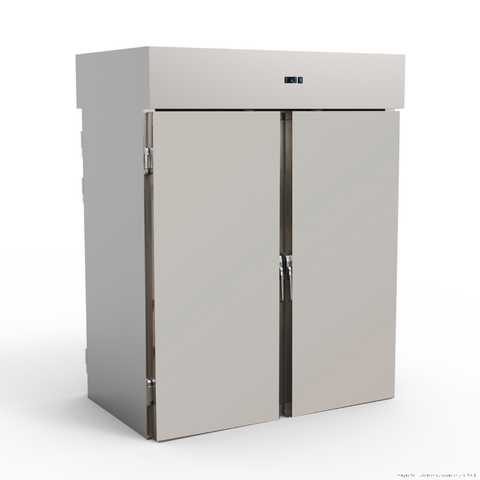

 Thermaster 1006L Trolley Friendly,Pass-Through Mini Cool Room - PTRTC-2
1760(W) x 1234(D) x 2200(H)mm
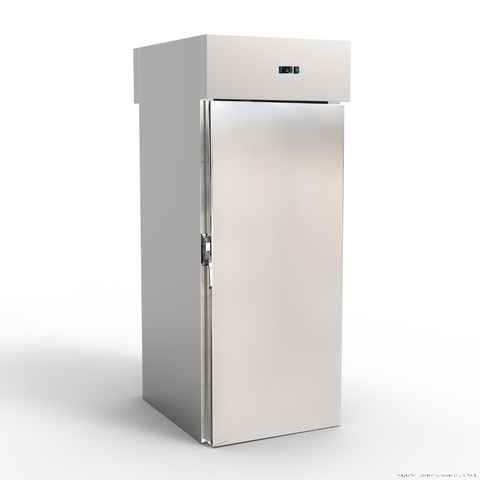
 Thermaster 580L Trolley Friendly, Pass-Through Mini Cool Room - PTRTC-1
880(W) x 1234(D) x 2200(H)mm
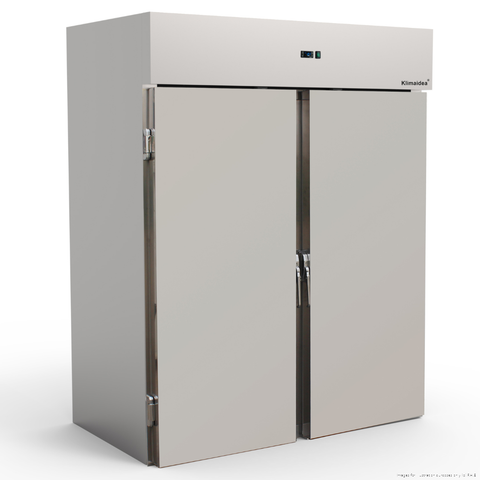
 Thermaster 1450L Trolley Friendly, Single Access Mini Cool Room - RTC-2
1760(W) x 1070(D) x 2200(H)mm
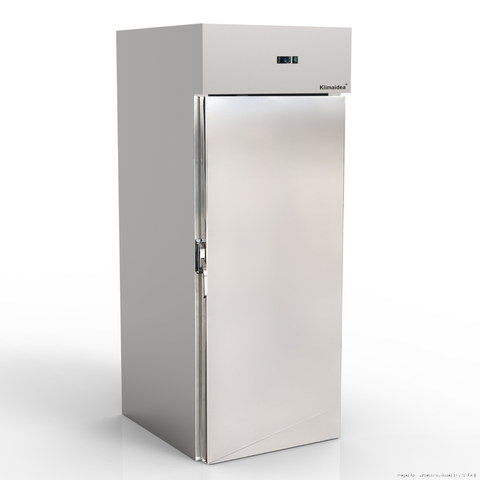
 Thermaster 930L Trolley Friendly, Single Access Mini Cool Room - RTC-1
880(W) x 1070(D) x 2200(H)mm

 Polaris 1480L Capacity One Steel Door Roll In Refrigerated Cabinet | Self Contained | -15°C To -20°C PRI 70BT
1000(W) x 2325(H) x 1270(D)mm
 Polaris 1480L Capacity One Steel Door Roll In Refrigerated Cabinet | Self Contained | +2°C To +10°C PRI 70TN
1000(W) x 2285(H) x 1270(D)mm
Cool Room 4000(w) x 2400(d) x 2400(h)mm Coolrooms Plus CRP-C6
4000(w) x 2400(d) x 2400(h)mm
 Cool Room 1500(w) x 1500(d) x 2400(h)mm Coolrooms Plus CRP-C1
1500(W) X 1500(D) X 2400(H)Mm
A commercial cool room is a room you walk into to hold stock cold: meat, dairy, fruit and vegetables, pre-prepared food, and drinks including wine and beer. One room does the work of a row of cabinets, so a delivery gets broken down once and put away in one place instead of being shuffled between fridges all week.
A commercial cool room is insulated and sealed so it holds a steady temperature, which is what keeps your stock in good condition and cuts the amount you throw out. That insulation is also what keeps the running cost down, because less heat gets in for the cooling to take back out.
Our commercial cool rooms include small modular rooms for a cafe or a bottle shop up to large walk-in rooms for a production kitchen, and freestanding builds that go on a trailer, so you can buy the size that suits your business at its current size, then size up as your business grows. We can arrange installation.
Buying several or fitting out a whole site? Get a quote and we will price the commercial cool rooms you need together. Related ranges: commercial under counter fridges.
Large-scale commercial refrigeration for restaurants and food service sites. It holds everything from pre-prepared food to fresh meat, dairy, fruit and vegetables, and it holds drinks including wine and beer at a steady serving temperature.
A dedicated room with refrigeration built into it, so perishable and temperature-sensitive stock stays cool. Restaurants, cafes, grocery stores and supermarkets all use them, for the capacity and because stock is easy to get at.
Walk-in commercial cool rooms come in a range of sizes and setups.
Walk-in rooms are the largest and hold the most. Modular rooms are smaller, are easier to configure to the space, and suit a site with less room or less stock to hold. Freestanding builds can be moved on a trailer where you need cold storage that travels.
A cold room can also be built to your own measurements if none of the standard sizes fits the space you have.
A cool room is installed by an electrician or a refrigeration contractor, and we can arrange installation for you. The first decision is where it goes, which comes down to ventilation and getting power to it.
You may also need floor panels, which can be bought with the room, unless it is going on a concrete floor. Once the location is settled, the installer builds the room and checks the insulation and shelving are right before it is handed over.
The optimal temperature for your cool room can vary depending on what you’re using it for. However, a temperature between 1℃ and 4℃ keeps food cold enough to avoid spoiling and wastage.
The length of time your food will last depends on the temperature of your cold room and the nature of the food you’re storing. Highly perishable foods that carry a greater food safety risk, like raw meat and fish, generally keep for a much shorter time than other stock — approximately two to four days is a common guide. Treat that as a starting point only, and follow your own food safety plan and the current advice from your local health authority rather than a general figure. Dairy, including everything from milk to cheese, can last for up to a week. Vegetables and fruits can vary depending on how you store them.
Follow the guidelines on the packaging of your ingredients, and ask us if you are unsure about a specific one. For longer-term storage, add a commercial freezer.
A cold room is a temperature-controlled space for ingredients, drinks and pre-prepared food. It also holds a steady level of humidity, which matters for food quality: too dry and produce wilts, too wet and it sweats. Seals around the doors and insulation in the panels are what keep the inside of the room steady.
Where meat needs to be aged rather than just held cold, that is a different job — see dry-age fridges.
A cool room needs the same upkeep as a standard upright refrigerator, and there are four things worth doing:
Clean your cool room regularly, ensuring you wipe down all shelving and flooring to remove any dirt, mould or food spillages. We recommend using a mild detergent in warm water and wiping it down with a microfibre cloth after to soak up any excess moisture.
Along with cleaning the internals, you should also check the condenser and make sure there isn’t a build-up of dust on the ventilation. This can impact the consistency of your internal temperature, so cleaning with a brush or vacuum is important.
Long-term maintenance should also include checking the seals and the temperature. If your seals start to wear down, they won’t hold temperature as well as they should. Check the thermostat as well, so you know the room is still at the temperature you set. Depending on what you’re storing, you may also need to adjust it slightly to maintain your fresh ingredients.
Finally, periodically defrosting your cool room will help prevent ice build-up. When you order a cool room from us, you'll receive manufacturer guidelines, meaning you’ll have access to the information you need to maintain and defrost your model properly.
A cool room runs in the same band as a smaller commercial fridge, typically 0℃ to 5℃. That suits meat, dairy, fruit and vegetables. For frozen storage, see freezer rooms.
Capacity is the first reason. One room holds what several cabinets hold, and you can walk in with a trolley rather than reaching into a cabinet.
Temperature is the second. A big insulated room with the door shut sits steadier than several small cabinets being opened all day, which means less spoilage and less stock written off.
Running cost is the third. The insulation in the panels is what stops heat getting in, so the refrigeration is not working against the room.
It depends on the brand, the size and whether it is a standard room or built to your measurements. As a general guide, basic rooms start at around $5,000 to $10,000, while a custom build or a large room runs from $20,000 up.
Send us the space and what you need to hold and we will price it properly.
Ventilation is important for maintaining the humidity and temperature of your cool room. Depending on the model you have, you may have either mechanical ventilation, natural ventilation or a combination of both.
Mechanical ventilation uses fans, the way air conditioning does, to keep the temperature even across the room. Natural ventilation lets air move between the inside and the outside of the room. A dual system uses both.
Your cool room comes set up to ventilate itself once it is installed. All you have to do is check it regularly for blockages.
Start with internal shelving that suits what you are holding. Shelving comes in a range of formats, usually stainless steel so it takes heavier loads. Rubber-coated shelves keep moisture off the metal, which is worth having in a room that runs damp.
You will see commercial cold rooms and commercial kitchen cold room used for the same kind of equipment. The name changes with the supplier and the region, not the job it does. Compare models on capacity, construction and the specification on each product page, and check the full commercial cool rooms range to see every option side by side.

We have a special page just for stock that's warehoused in Perth.
Click Here to see all WA stockWhat our customers say about us on Google, and how Google scores our store for things like shipping and returns.
Store scores from Google