


 03 9070 5784
 Help & Support
 Track My Order




Recently Viewed
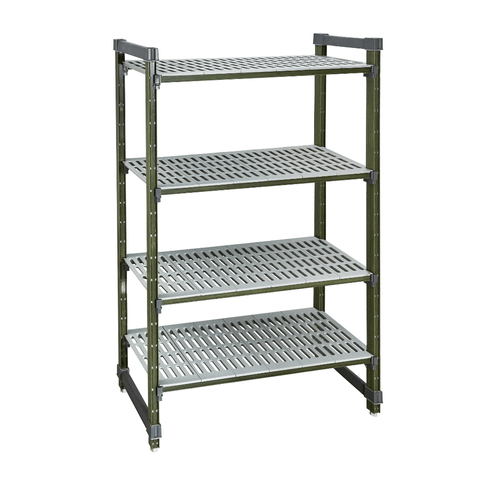
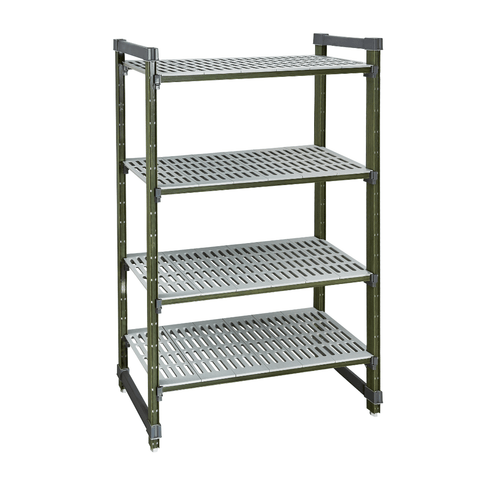
 Modular Systems PCU Poly Coolroom Shelving Starter Kit - 760-1825mm Width
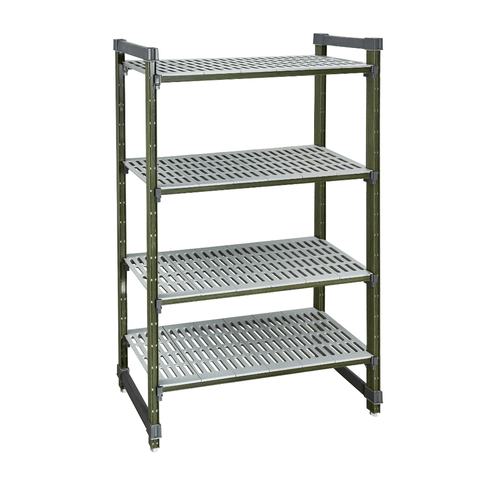
 Modular Systems Poly Coolroom Shelving Starter Kit – PCU18/72
1825(W) x 455(D) x 1800(H)mm
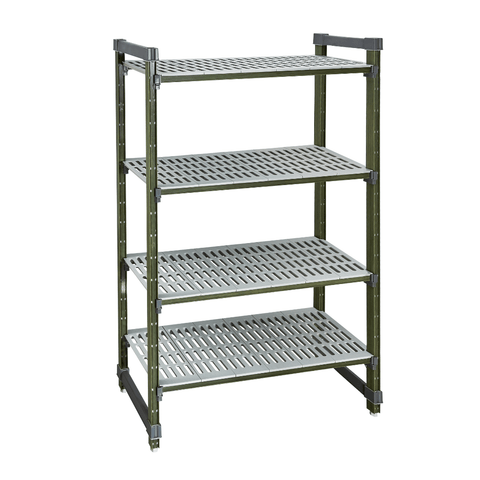
 Modular Systems Poly Coolroom Shelving Starter Kit – PCU18/60
1525(W) x 455(D) x 1800(H)mm
 Modular Systems Poly Coolroom Shelving Starter Kit – PCU18/48
1220(W) x 455(D) x 1800(H)mm
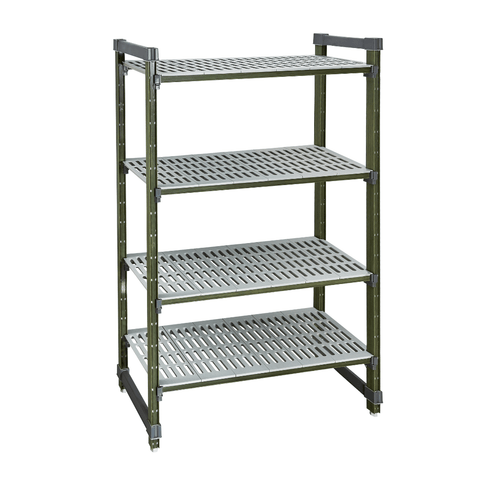
 Modular Systems Poly Coolroom Shelving Starter Kit – PCU24/60
1525(W) x 610(D) x 1800(H)mm
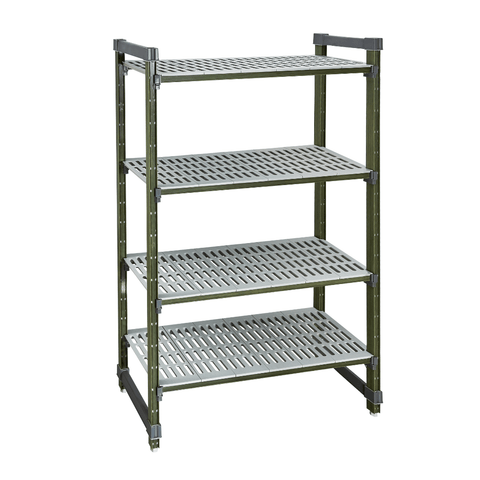
 Modular Systems Poly Coolroom Shelving Starter Kit – PCU24/54
1370(W) x 610(D) x 1800(H)mm
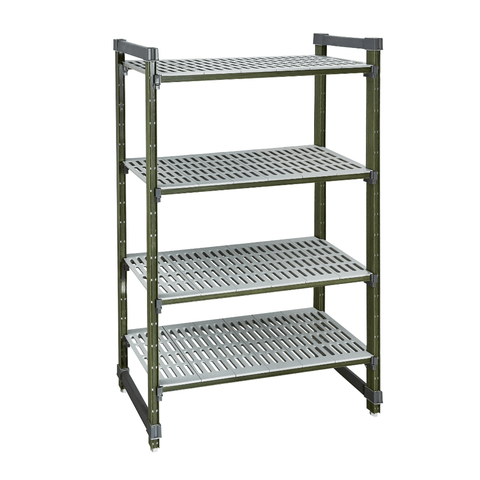
 Modular Systems Poly Coolroom Shelving Starter Kit – PCU24/48
1220(W) x 610(D) x 1800(H)mm
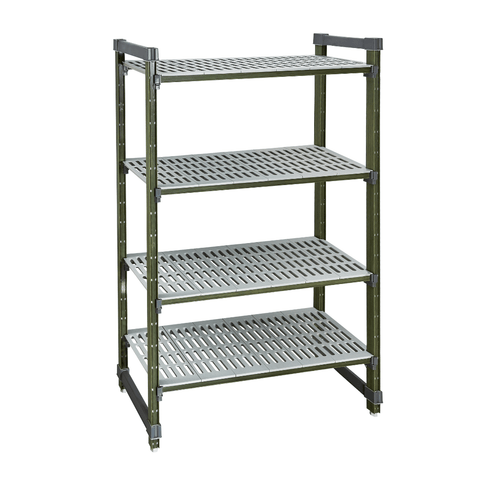
 Modular Systems Poly Coolroom Shelving Starter Kit – PCU24/36
910(W) x 610(D) x 1800(H)mm
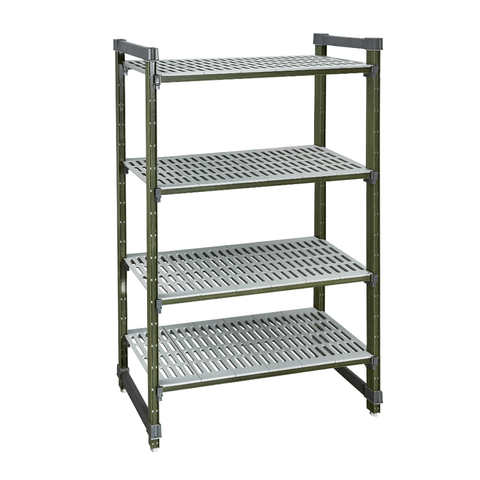
 Modular Systems Poly Coolroom Shelving Starter Kit – PCU24/72
1825(W) x 610(D) x 1800(H)mm
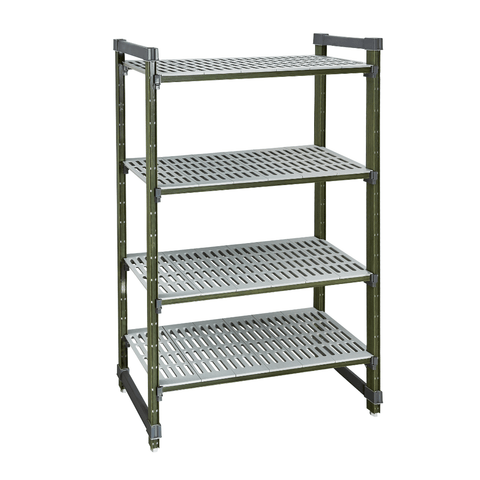
 Modular Systems Poly Coolroom Shelving Starter Kit – PCU24/30
760(W) x 610(D) x 1800(H)mm
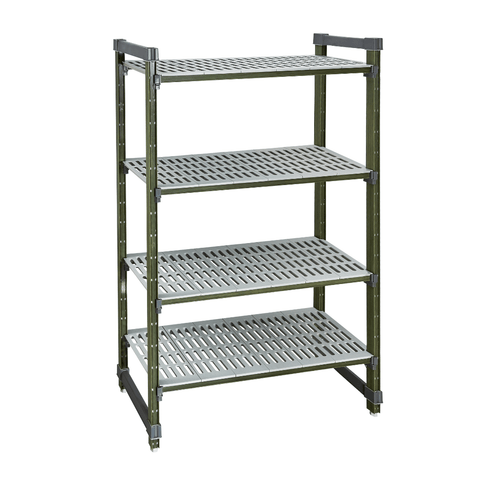
 Modular Systems Poly Coolroom Shelving Starter Kit PCU18/36
910(W) x 455(D) x 1800(H)mm
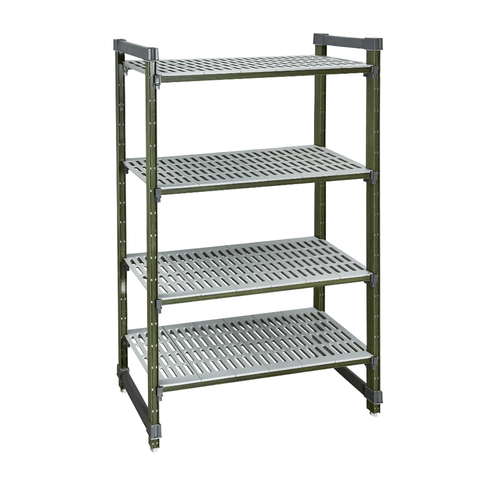
 Modular Systems Poly Coolroom Shelving Starter Kit PCU18/42
1060(W) x 455(D) x 1800(H)mm
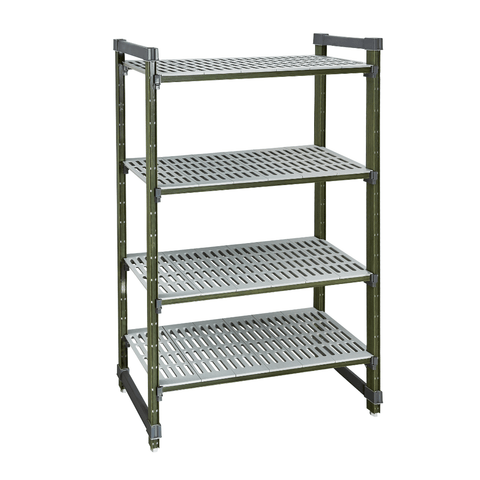
 Modular Systems Poly Coolroom Shelving Starter Kit – PCU24/42
1060(W) x 610(D) x 1800(H)mm
 Modular Systems Poly Coolroom Shelving Starter Kit – PCU18/30
760(W) x 455(D) x 1800(H)mm
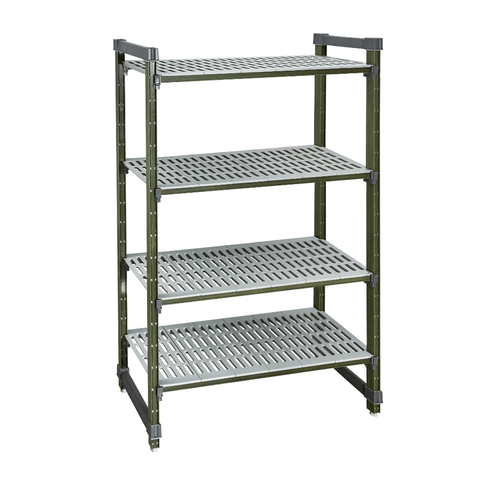
 Modular Systems Poly Coolroom Shelving Starter Kit – PCU18/54
1370(W) x 455(D) x 1800(H)mm
Cool room shelving holds the stock in a cool room up off the floor, in cold, damp air, and takes a washdown without rusting. Coolroom shelving is built for that, which is why a steel rack from a hardware store fails inside a year in the same spot.
The other difference is airflow. A cool room cools by moving air, and shelving that blocks that movement creates warm pockets where product sits above temperature even though the display on the wall reads correctly.
Commercial cool room shelving usually goes in at the same time as the room, and bays can be added later, so you can start with the areas that need covering now and add more as your business grows. See commercial cool rooms for the rooms themselves, and commercial kitchen shelving for the dry side of the kitchen.
A room and its shelving together is a big buy. Silverchef Rent-Try-Buy lets you rent it now and buy it later, and we can price the room and the fit-out as one job.
Because of the moisture. A cool room runs cold and damp, condensation forms on everything, and painted or plated steel starts to lift and rust from the edges. Once that begins you are storing food on a surface you cannot properly clean.
304 stainless steel is the food-safety grade used in Australian commercial kitchens, and coated wire or polymer systems made for refrigerated storage are the other normal answer. Both are designed to be washed down rather than wiped over.
Enough that air can get behind, above and under every bay. Shelving pushed hard against a wall, or loaded to the ceiling, stops the air circuit the room depends on and you end up with a cold aisle and warm corners.
The clearance the room needs comes from the refrigeration design, not from the shelving. Check it against the room documentation on the product documents page, and keep the area in front of the evaporator clear whatever the shelving layout.
High enough to mop and squeegee underneath without moving the bay. A bottom shelf sitting almost on the floor is the single most common reason a cool room cannot be properly cleaned, and it is where spills and packaging collect.
The actual height comes from the system you choose and is on the product page. If the floor is uneven, adjustable feet matter more than they do anywhere else, because a bay that rocks in a wet room will eventually shift.
Wire for most things, because air moves through it and it drains. Solid shelves hold spills, which is useful for liquid containers and awkward for everything else, and they block vertical airflow unless the bay is laid out to allow for it.
Many rooms run both: wire for the general stock and one solid or lined shelf for containers that leak. The modular shelving range covers both styles in the one system.
Heaviest low, most-used at waist height, and nothing on the floor. Raw and ready-to-eat product kept apart, with ready-to-eat above raw, is the standard arrangement and your own food safety plan will set the detail.
Keep the layout stable so staff do not have to search in the cold. Clear containers help: see gastronorms and containers and ingredient bins for the storage that goes on the shelves.
Usually, as long as you measure the room properly, including the door swing, the evaporator position and anything already mounted on the walls. Retrofitting is mostly an exercise in bay widths rather than a structural job.
Send us the internal dimensions and a note of where the evaporator sits, and we will work out a bay layout with you. Cool room refrigeration systems and cool room floors cover the parts of the room itself.
A way to move stock in and out, somewhere to land it, and a cleaning routine. A platform trolley or a racking trolley saves carrying cartons through a cold doorway one at a time.
On the warm side of the door, stainless steel benching gives you a place to break stock down, and cleaning supplies suitable for cold rooms keep the shelves serviceable.

We have a special page just for stock that's warehoused in Perth.
Click Here to see all WA stockWhat our customers say about us on Google, and how Google scores our store for things like shipping and returns.
Store scores from Google