


 03 9070 5784
 Help & Support
 Track My Order




Recently Viewed


 Vogue Aluminium Baking Sheet 425mm - K444
311(W) x 20(H) x 425(D)mm

 Vogue Non-Stick Baking Tray Small - GD014
370(W) x 16(H) x 257(D)mm
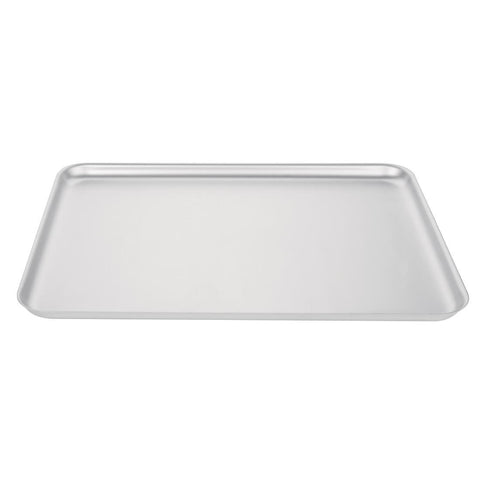
 Vogue Aluminium Baking Sheet 476mm - K445
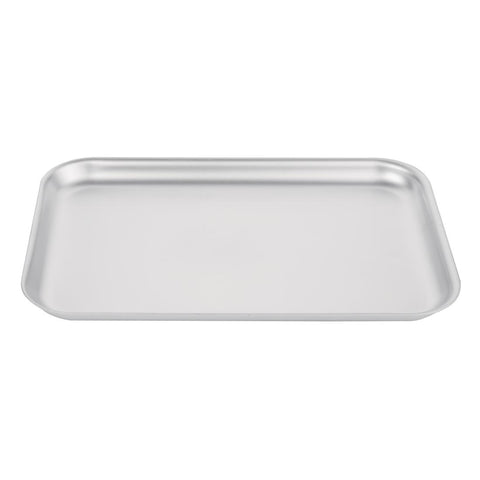
 Vogue Aluminium Baking Sheet 324mm - K442
324(W) x 20(H) x 222(D)mm
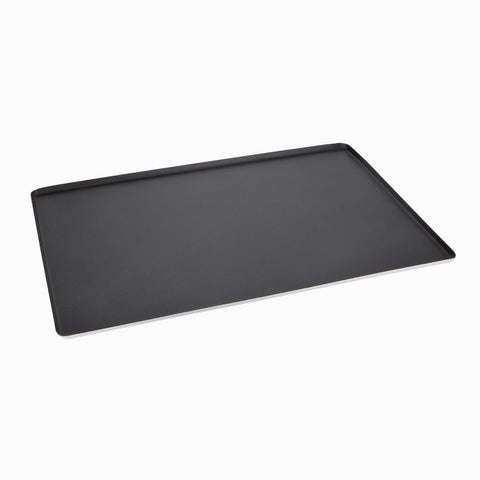
 Vogue Non-Stick Patisserie Tray - K339
600(W) x 11(H) x 400(D)mm
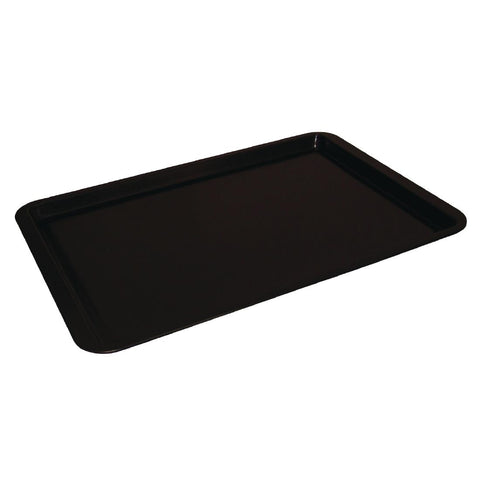
 Vogue Non-Stick Baking Tray Large - GD016
482(W) x 25(H) x 305(D)mm

 Vogue Anodised Aluminium Baking Tray 320mm - C062
320(W) x 20(H) x 215(D)mm
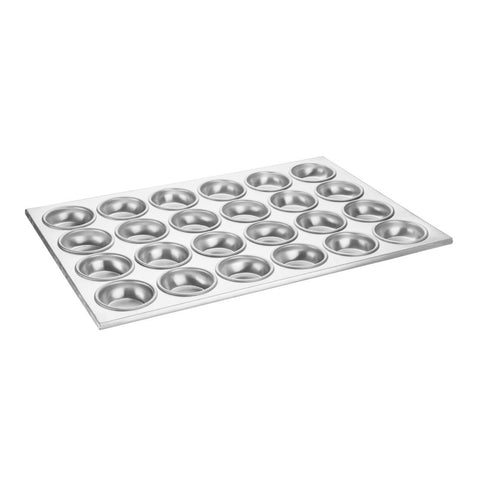
 Vogue Aluminium 24 Cup Muffin Tray - C563
520(W) x 35(H) x 360(D)mm
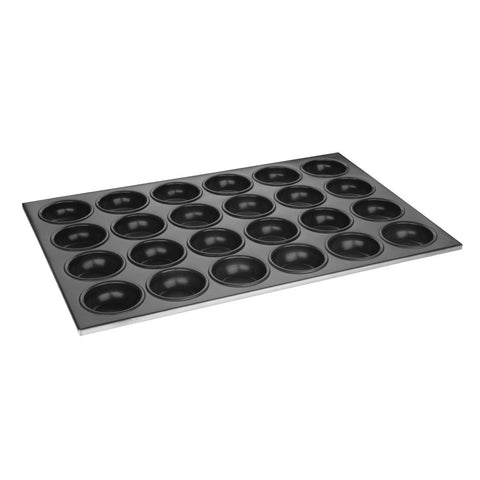
 Vogue Aluminium Non Stick 24 Cup Muffin Tray - C564
360(W) x 35(H) x 525(D)mm

 Vogue Anodised Baking Sheet Large - C064
420(W) x 20(H) x 305(D)mm

 Vogue Ridged Non-Stick Baking Sheet - S372
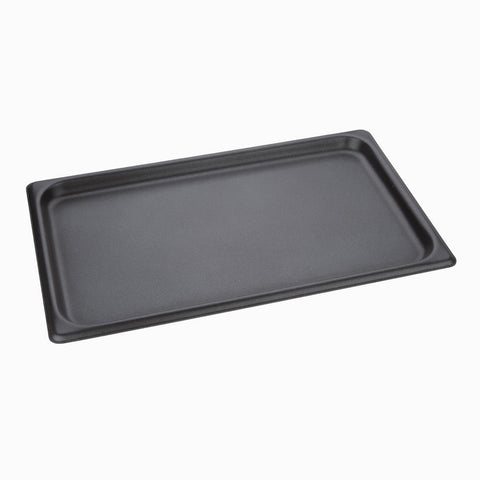
 Vogue Gastronorm Non-Stick Baking Sheet - S373
325(W) x 26(H) x 530(D)mm
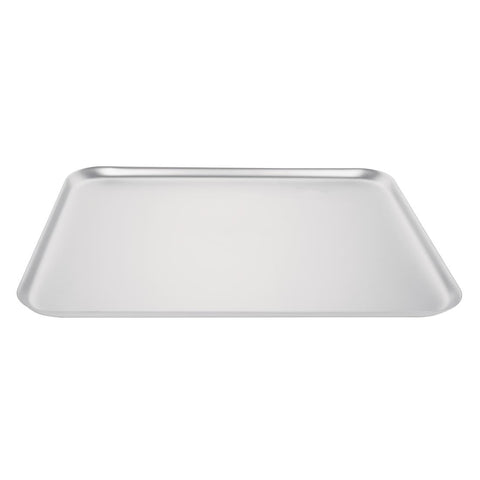
 Vogue Aluminium Baking Sheet 527mm - K446
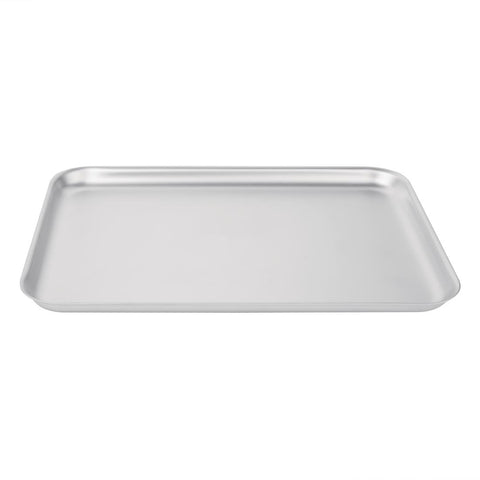
 Vogue Aluminium Baking Sheet 374mm - K443
273(W) x 20(H) x 374(D)mm

 Vogue Non-Stick Baking Tray Medium - GD015
430(W) x 15(H) x 280(D)mm

 Vogue Anodised Aluminium Baking Tray 370mm - C063
370(W) x 20(H) x 265(D)mm

 Fagor 400 Wide Work Top To Integrate 700 Kore Series EN-705
400(W) x 730(D) x 290(H)mm

 Modular Systems Non-Stick Baking Tray 10MM Depth CBKT4060-10
 Modular Systems Aluminium Baking Tray 10MM Depth BKT4060-10
 Modular Systems Aluminium Baking Tray 20MM Depth BKT4060-20
 Modular Systems Non-Stick Baking Tray 20MM Depth CBKT4060-20
A commercial baking tray carries product from the bench to the prover to the oven to the cooling rack, and commercial oven trays in a matched size let you do that without transferring anything between trays. So the tray has to fit the oven, the racks, the trolley and the fridge, which is why the size you standardise on sets the rest of the kitchen. It is also the most-handled item in a bakery, and the one most often bought in the wrong size.
The range covers flat sheets, edged trays, perforated trays for bread and rolls, and non-stick finishes, so you can start with the areas that need covering now and add more as your business grows.
Trays sit in the bakery accessories range alongside baking mats and gastronorm trays.
Standardising a whole bakery on one tray size is a bulk order. get a quote and we will price it properly.
Whatever your oven takes, and then everything else follows. Check the oven first, then the racks and trolleys, then the fridge, because a tray that fits the oven but not the trolley costs you a transfer every time.
Two families of sizes dominate: bakery sheet sizes and the gastronorm system used for service equipment. Pick one as your default, and see oven racks and racking trolleys to confirm the match.
Flat sheets are for biscuits, pastry and anything you slide off. Edged trays hold anything that spreads or releases liquid, and they are easier to carry when full. Commercial sheet trays with a rolled edge are also noticeably more rigid.
Perforated trays let air reach the base, which gives a better crust on bread, rolls and choux. They are no use for anything wet, so most bakeries hold a mix.
Aluminium conducts heat faster and more evenly, which is why most dedicated bake trays are aluminium or aluminised steel. It is also lighter to handle all day, which matters more than people expect.
Stainless steel is tougher and more corrosion resistant, and 304 stainless is the food-safety grade used in Australian commercial kitchens. It is the usual choice where trays double as service or storage.
They reduce sticking and make cleaning quicker, but every coating is a wear item and an abrasive pad or a metal scraper will take it off. If your crew is hard on equipment, plain trays plus baking mats often last longer.
Where coated trays do earn their place is sticky, sugary products that would otherwise need greasing and lining every time. Treat them gently and keep them for that work.
More than will fit in the oven, because trays are also sitting in the prover, cooling on a rack and waiting to be washed. A full rotation usually means two to three times oven capacity.
Count your oven's tray capacity, multiply it out, and add a margin for the ones that get bent or borrowed. Racking trolleys are what hold the extras without taking bench space.
Washed before anything bakes on hard, and dried properly so they do not pit. Most go through a commercial dishwasher; check the manufacturer's instructions for coated and aluminium trays, which can discolour.
Store them flat and supported, not leaning against a wall. A bent tray does not sit flat in the oven, which gives you an uneven bake, and it will not slide cleanly into a rack either.
The terminology is inconsistent. The same item is sold as commercial baking sheets, a commercial baking sheet pan, commercial sheet pans, professional sheet pans, commercial baking pans, professional baking pans, commercial cooking trays, professional oven trays or industrial baking trays.
Ignore the label and compare the dimensions, the material and the edge profile, which are on each product page. For deeper vessels see commercial roasting pans and loaf pans.

We have a special page just for stock that's warehoused in Perth.
Click Here to see all WA stockWhat our customers say about us on Google, and how Google scores our store for things like shipping and returns.
Store scores from Google