


 03 9070 5784
 Help & Support
 Track My Order



Recently Viewed

 Mixrite Stainless Steel Tray GN for Oven 325x265x10 mm R12010
 Mixrite Silicone Cover 325x176 mm SC13000A
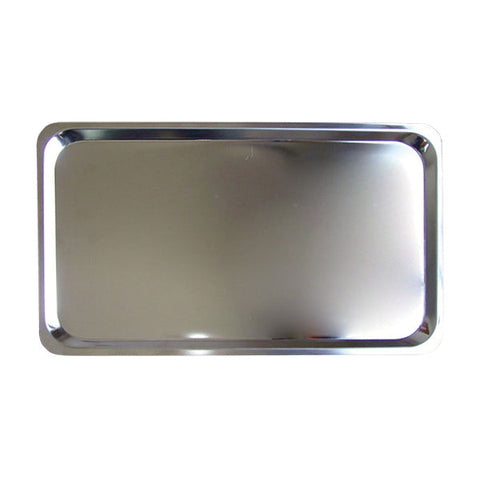 Mixrite Stainless Steel Tray GN for Oven 530x325x10 mm R11010
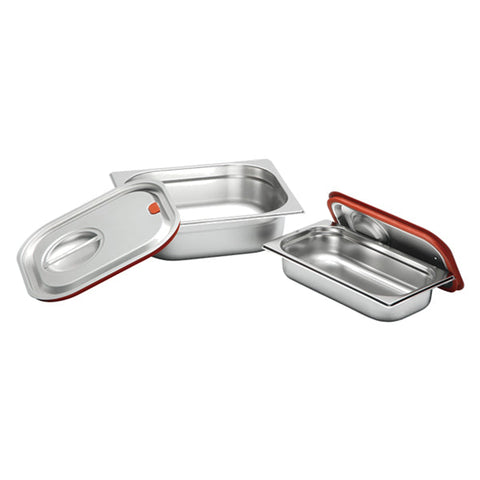 Mixrite Silicone Cover 530x325 mm SC11000A
 Mixrite Stainless Steel Lids with Cut for Spoon 176x108 mm P19000
 Mixrite Stainless Steel Lids with Cut for Spoon 530x162 mm P24000
 Mixrite Perforated GN Pan 353x325x200 mm P23200
353(W) x 325(D) x 200(H)mm
 Mixrite Stainless Steel Lids with Cut for Spoon 265x162 mm P14000
 Mixrite Stainless Steel Lids with Cut for Spoon 176x162 mm P16000
 Mixrite Perforated GN Pan 353x325x100 mm P23100
353(W) x 325(D) x 100(H)mm
 Mixrite Stainless Steel Lids with Cut for Spoon 353x325 mm P23000
 Mixrite Stainless Steel Lids with Cut for Spoon 325x265 mm P12000
 Mixrite Perforated GN Pan 353x325x150 mm P23150
353(W) x 325(D) x 150(H)mm
 Mixrite Stainless Steel Lids with Cut for Spoon 650x530 mm P21000
 Mixrite Perforated GN Pan 353x325x65 mm P23065
353(W) x 325(D) x 65(H)mm
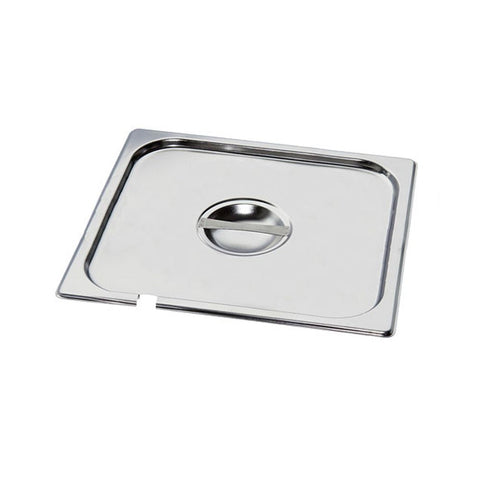 Mixrite Stainless Steel Lids with Cut for Spoon 530x325 mm P11000
 Mixrite Perforated GN Pan 650x530x200 mm P21200
650(W) x 530(D) x 200(H)mm
 Mixrite Stainless Steel Lids with Cut for Spoon 325x176 mm P13000
 Mixrite Perforated GN Pan 353x325x20 mm P23020
353(W) x 325(D) x 20(H)mm
 Mixrite Perforated GN Pan 650x530x20 mm P21020
650(W) x 530(D) x 20(H)mm
 Mixrite Perforated GN Pan 650x530x100 mm P21100
650(W) x 530(D) x 100(H)mm
 Mixrite Perforated GN Pan 650x530x40 mm P21040
650(W) x 530(D) x 40(H)mm
 Mixrite Perforated GN Pan 325x176x65 mm P13065
325(W) x 176(D) x 65(H)mm
 Mixrite Perforated GN Pan 325x176x150 mm P13150
325(W) x 176(D) x 150(H)mm
 Mixrite Perforated GN Pan 353x325x40 mm P23040
353(W) x 325(D) x 40(H)mm
 Mixrite Perforated GN Pan 650x530x65 mm P21065
650(W) x 530(D) x 65(H)mm
 Mixrite Perforated GN Pan 650x530x150 mm P21150
650(W) x 530(D) x 150(H)mm
 Mixrite Perforated GN Pan 325x176x200 mm P13200
325(W) x 176(D) x 200(H)mm
 Mixrite Perforated GN Pan 325x176x100 mm P13100
325(W) x 176(D) x 100(H)mm
 Mixrite Perforated GN Pan 325x265x20 mm P12020
325(W) x 265(D) x 20(H)mm
 Mixrite Perforated GN Pan 325x176x20 mm P13020
325(W) x 176(D) x 20(H)mm
 Mixrite Perforated GN Pan 325x176x40 mm P13040
325(W) x 176(D) x 40(H)mm
 Mixrite Perforated GN Pan 530x325x200 mm P11200
530(W) x 325(D) x 200(H)mm
 Mixrite Perforated GN Pan 325x265x200 mm P12200
325(W) x 265(D) x 150(H)mm
 Mixrite Perforated GN Pan 325x265x65 mm P12065
325(W) x 265(D) x 65(H)mm
 Mixrite Perforated GN Pan 325x265x150 mm P12150
325(W) x 265(D) x 150(H)mm
 Mixrite Perforated GN Pan 325x265x100 mm P12100
325(W) x 265(D) x 100(H)mm
 Mixrite Perforated GN Pan 325x265x40 mm P12040
325(W) x 265(D) x 40(H)mm
 Mixrite GN Pans (201 Stainless Steel) 530x162x40 mm 24040
530(W) x 162(D) x 40(H)mm
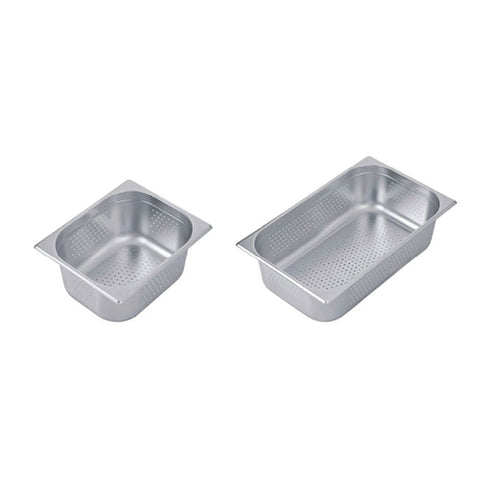 Mixrite Perforated GN Pan 530x325x20 mm P11020
530(W) x 325(D) x 20(H)mm
 Mixrite GN Pans (201 Stainless Steel) 530x162x150 mm 24150
530(W) x 162(D) x 150(H)mm
 Mixrite GN Pans (201 Stainless Steel) 530x162x65 mm 24065
530(W) x 162(D) x 65(H)mm
 Mixrite GN Pans (201 Stainless Steel) 650x530xl50 mm 21150
650(W) x 530(D) x 150(H)mm
 Mixrite GN Pans (201 Stainless Steel) 530x162x100 mm 24100
530(W) x 162(D) x 100(H)mm
 Mixrite GN Pans (201 Stainless Steel) 353x325x20 mm 23020
353(W) x 325(D) x 20(H)mm
 Mixrite GN Pans (201 Stainless Steel) 353x325x150 mm 23150
353(W) x 325(D) x 150(H)mm
 Mixrite GN Pans (201 Stainless Steel) 650x530xl00 mm 21100
650(W) x 530(D) x 100(H)mm
 Mixrite GN Pans (201 Stainless Steel) 353x325x65 mm 23065
353(W) x 325(D) x 65(H)mm
 Mixrite GN Pans (201 Stainless Steel) 353x325x100 mm 23100
353(W) x 325(D) x 100(H)mm
 Mixrite GN Pans (201 Stainless Steel) 353x325x200 mm 23200
353(W) x 325(D) x 200(H)mm
 Mixrite GN Pans (201 Stainless Steel) 176x108x100 mm 19100
176(W) x 108(D) x 100(H)mm
 Mixrite GN Pans (201 Stainless Steel) 353x325x40 mm 23040
353(W) x 325(D) x 40(H)mm
Bakery accessories include baking trays in plain aluminium and non-stick, gastronorm trays in every fraction and depth, roasting pans in aluminium and cast iron, cake tins including springform tins and mousse rings, and baking mats.
Cooling racks and oven grids, dough scrapers, pastry brushes, measuring jugs, cast iron skillets, cake stands and stock pots fill in the rest. Almost all of these are built to a standard size. A baker's tray is 600 x 400mm, a full gastronorm is 530 x 325mm, and the racks, grids and trolleys are made to those same footprints, so a tray drops onto a rack and the rack slides into a trolley.
Plain aluminium handles oven heat, cleans up hard and lasts for years, and it will dull and stain along the way, which is only cosmetic. A non-stick coating saves you greasing and gives clean release, and the coating is also the part that wears out: metal scrapers, wire brushes, caustic oven cleaner and a hot commercial dishwasher all take it off, and once a coating goes patchy the food sticks to the bare spots.
Stainless gastronorm is the all-rounder, since the same pan copes with the prover, the oven, the bain marie and the fridge. Silicone mats have a temperature rating and go brittle if you cook past it.
Deck ovens, rack ovens and bakery ovens are built around the 600 x 400mm baker's tray. Combi ovens and most holding equipment are built around gastronorm, where a full 1/1 pan is 530 x 325mm and the fractions divide down from there to 1/2, 1/3, 1/4, 1/6 and 1/9.
Measure the runners inside the oven yourself, and measure the gap between runners as well, because that's what limits how deep a pan you can slide in. Gastronorm is a standard, but we still suggest buying pans from the same supplier as the appliance they're going into, since small differences between brands mean a cross-brand fit can't be guaranteed.
Aluminium and stainless will do both without complaint. A proving cabinet runs warm and very humid for hours at a time, which is harder on metal than the oven is, and bare mild steel or tinplate will show rust in that environment surprisingly quickly.
So for anything that lives in the prover, use anodised aluminium, stainless or a good non-stick, and dry the trays properly before they go back on the rack. Timber and wooden-handled tools should stay out of the prover altogether. If you're proving in the same trolley you bake from, check the trolley and the wheels are rated for the oven temperature as well.
Metal tools scratch a coating off, and so does cutting on the tray, heat above what the coating is rated for, and harsh chemistry — caustic oven cleaner and commercial dishwasher detergent. Once the surface is patchy, food catches on the bare spots and the tray is worse than a plain one.
Industrial recoating exists but for a standard tray it costs more than a replacement, so most kitchens just replace them. The way to make them last is to keep metal off the surface, use a plastic or silicone scraper, and wash them by hand in warm water. If a tray is going to take a beating, buy plain aluminium and put a silicone mat or baking paper on top of it.
You need the air underneath. Bread and pastry give off steam as they cool, and on a solid bench that steam has nowhere to go, so it condenses and the base goes soft and soggy. A wire rack lets it away and the base sets properly.
A tray straight out of the oven will also mark a bench and is a burn risk where staff walk past. Cooling racks come in the same 600 x 400mm footprint as the trays, so they stack and store with everything else. Oven grids are a different item, built to sit on the oven runners and take direct heat, and it's worth having both.
A curved plastic scraper, sometimes called a Scottish scraper, is shaped to follow the inside of a mixing bowl and get the dough out in one go without tearing it. A flat plastic scraper is for the bench, for dividing dough and for lifting it off the surface as you work.
A silicone scraper is soft and flexible, for getting the last of a batter or a cream out of a mixer bowl, and it takes more heat than plain plastic so it doubles as a stirrer. None of them scratch a non-stick tray, which is why they belong on the bakery bench instead of a metal spatula. Buy a couple of each, since they go missing.
A natural bristle brush holds more egg wash and lays a thinner, more even coat, so it's still what most pastry chefs use for glazing. The trade-off is that bristles eventually shed, and a bristle in the glaze on a finished danish is a problem. Check them regularly and retire them before they start dropping.
Silicone brushes don't shed, they survive a commercial dishwasher and they wipe clean of oil and marinade, which makes them the better choice for anything savoury, for basting and for grill work. They lay a heavier coat than bristle. Most bakeries end up with both, bristle for the glaze and silicone for everything else.
A springform tin has a clamp on the side and a removable base, so you can release a cake you'd never turn out upside down, which is why it's the cheesecake tin. The base seal isn't watertight, so if you're baking in a water bath, wrap the outside of the tin in foil before it goes in.
A solid deep tin is stronger and better for sponge, fruit cake and anything you're happy to turn out, and it wants the base lined. A mousse ring has no base at all: you set it on a tray or a silicone mat and build in it, then lift the ring off the finished dessert. Sizes run from small individual rings up to large deep tins.
Stainless gastronorm, glass and polycarbonate measuring jugs and silicone tools are all fine. Plain aluminium will go grey and dull in a commercial machine, because the caustic detergent attacks it, and while that doesn't stop it working it does look tired fast. Non-stick loses its coating quicker in a dishwasher than it ever will by hand.
Cast iron will lose its seasoning and start to rust within a wash or two. Timber and mango wood cake stands and boards will split and lift, and wooden-handled pastry brushes will loosen and eventually come apart. Wash all three by hand and dry them straight away.
A rack trolley or a wall rack to hold them, because trays stacked on a bench get bent and bent trays don't sit flat on oven runners. Then baking paper or silicone mats to spare the tray surface, a cooling rack in the matching footprint, and lids for any gastronorm that's going into the fridge or a bain marie.
Beyond that it's the small items that stop production when they go missing: scrapers, brushes, measuring jugs, and a couple of spare pans in your most-used depth so the wash-up never holds up the next bake. Prices on all of that are sharp, so buy the spares at the same time as the trays.
Vogue is one of many brands here and offers gastronorm trays and lids from 1/1 down to 1/9 and depths from 20mm to 200mm in standard and heavy duty, perforated pans, anodised and plain aluminium baking trays, non-stick trays in three sizes, deep and springform cake tins, mousse rings, roasting pans, cast iron skillets and gratin dishes, oven grids, cooling racks, scrapers, pastry brushes, measuring jugs and stock pots.
Olympia offers the front-of-house side with cake stands in glass, acacia, mango wood and melamine, revolving stands and three tier high tea stands. Hygiplas offer non-stick baking mats including an allergens line for kitchens keeping gluten-free work separate, Modular Systems make 600 x 400mm aluminium and non-stick trays in 10mm and 20mm depths, and Food Tek and Mixrite offer gastronorm in stainless and poly.
Prices on all of it are sharp, and if you stay with one brand across a size the lids, racks and trolleys all interchange.

We have a special page just for stock that's warehoused in Perth.
Click Here to see all WA stock