


 03 9070 5784
 Help & Support
 Track My Order



Recently Viewed


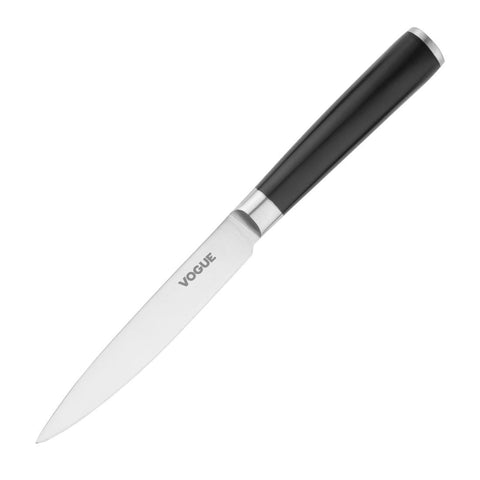

 Vogue Bistro Utility Knife 130mm - FS680
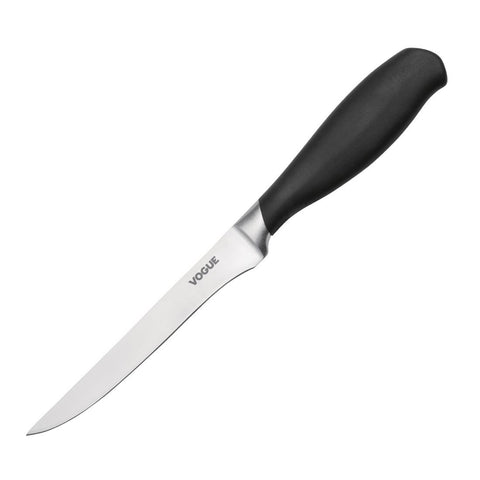
 Vogue Soft Grip Boning Knife 130mm - GD754
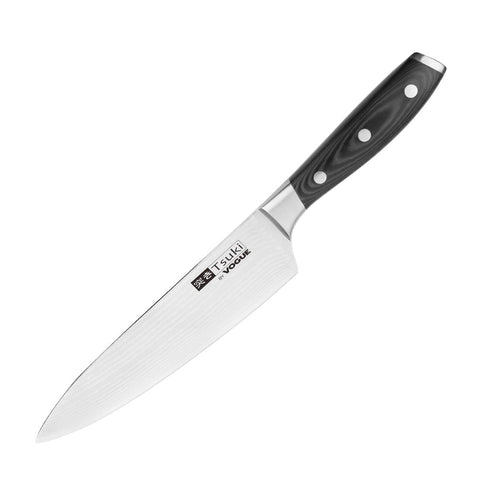
 Vogue Tsuki Series 7 Chefs Knife Black 198mm - CF841
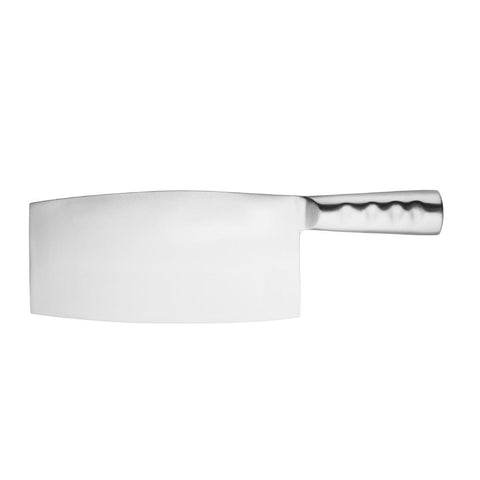
 Vogue Stainless Steel Cleaver 20.5cm - L259


 Hygiplas Serrated Vegetable Knife Green 100mm - C862

 Hygiplas Chefs Knife Green 255mm - C868

 Vogue Soft Grip Utility Knife 140mm - GD755

 Hygiplas Cooks Knife Purple 215mm - FP730
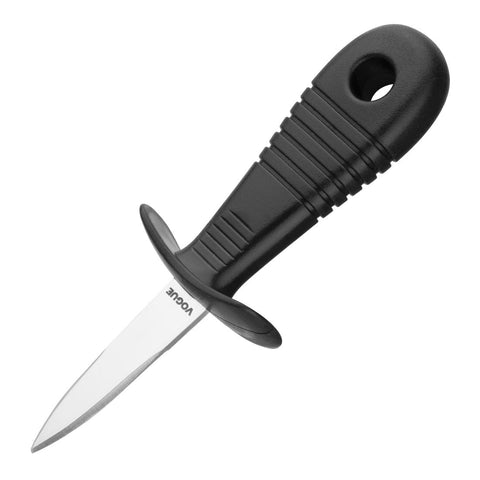


 Vogue Tsuki Series 7 Carving Knife 198mm - CF843
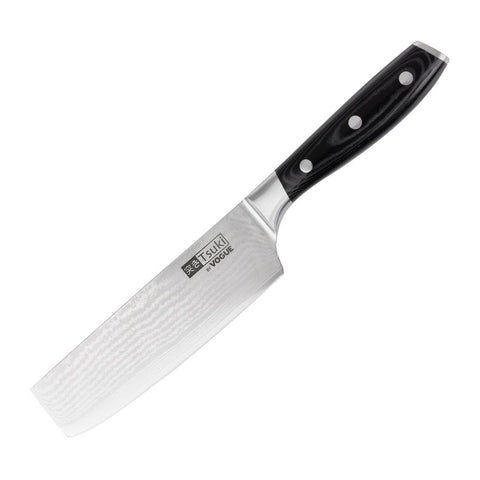
 Vogue Tsuki Series 7 Vegetable Chopper 172mm - CF840
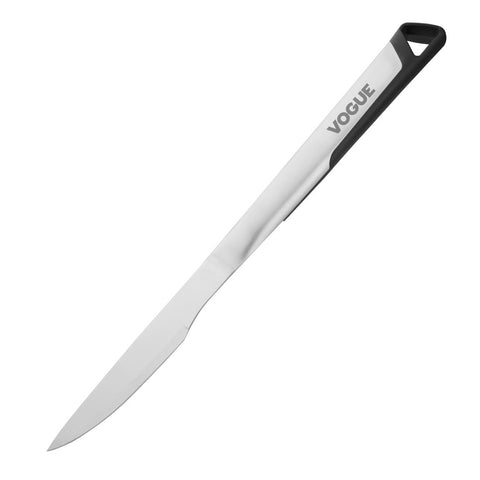

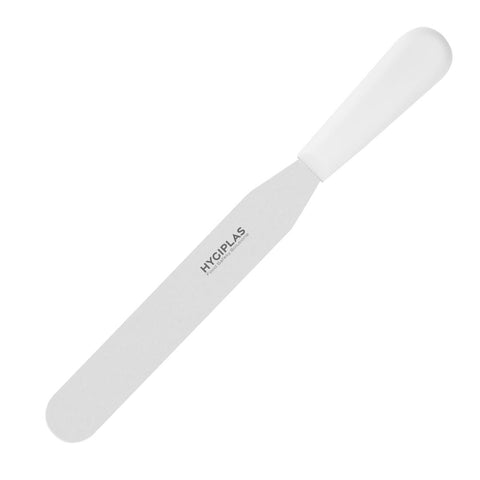
 Hygiplas White Palette Knife 200mm - C870
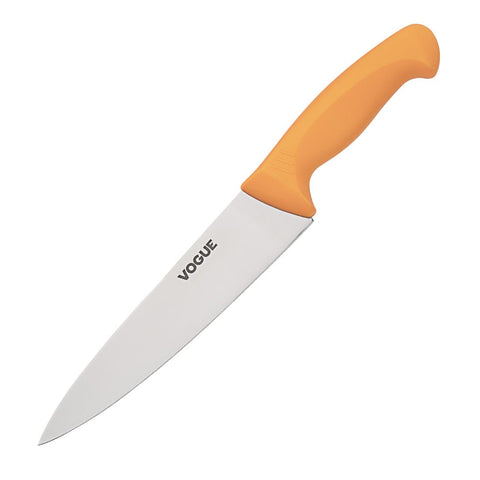


 Vogue Soft Grip Carving Knife 205mm - GD758

 Vogue Soft Grip Chefs Knife 200mm - GD750
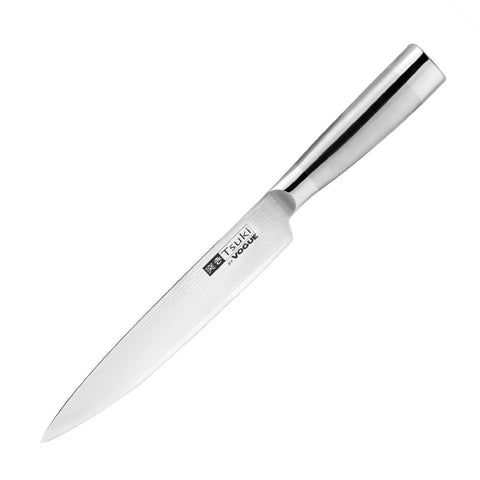
 Vogue Tsuki Series 8 Carving Knife 200mm - DA445
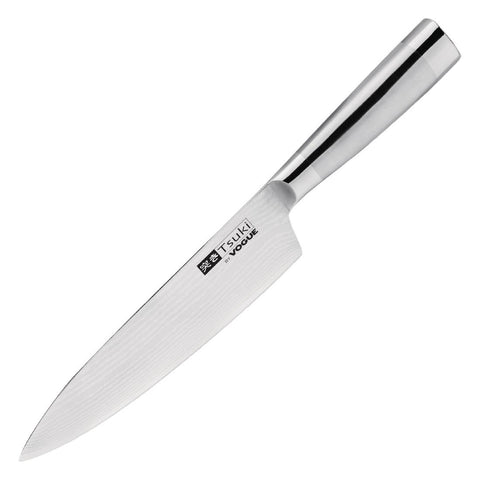
 Vogue Tsuki Series 8 Chef Knife 200mm - DA440
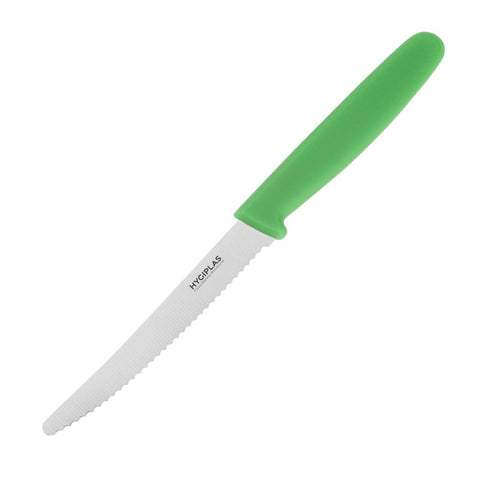
 Hygiplas Serrated Tomato Knife Green 100mm - CF898
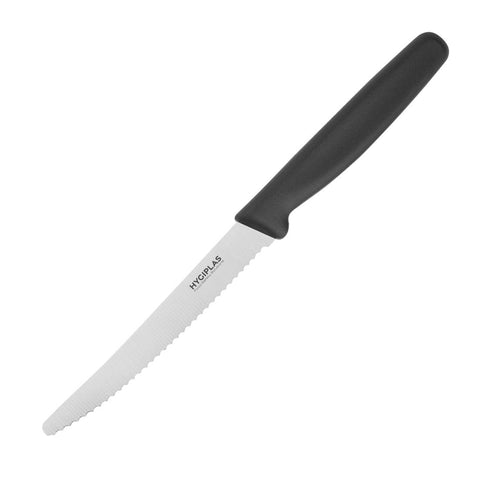
 Hygiplas Serrated Tomato Knife Black 100mm - CF897
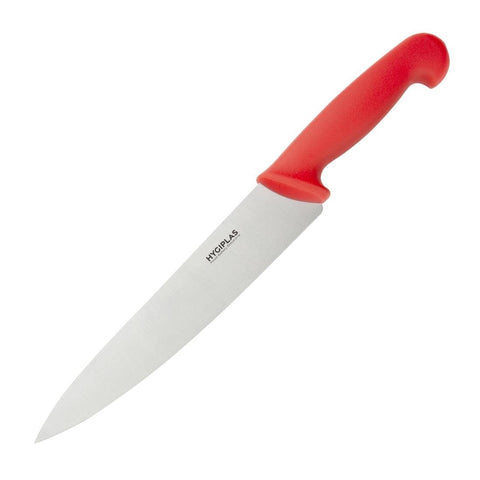
 Hygiplas Chefs Knife Red 216mm - C895
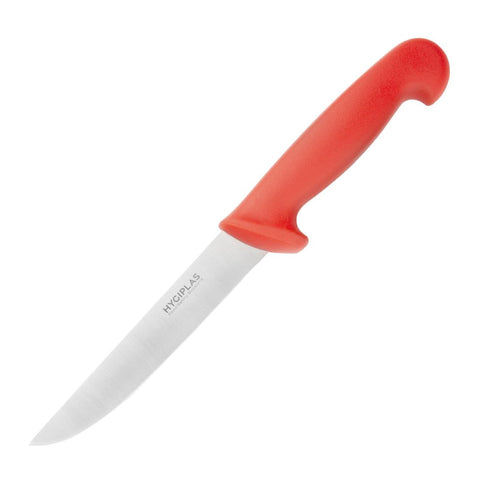
 Hygiplas Stiff Blade Boning Knife Red 150mm - C890

 Hygiplas Chefs Knife Red 160mm - C887


 Hygiplas Chefs Knife Red 255mm - C886

 Hygiplas Vegetable Knife Green 100mm - C860
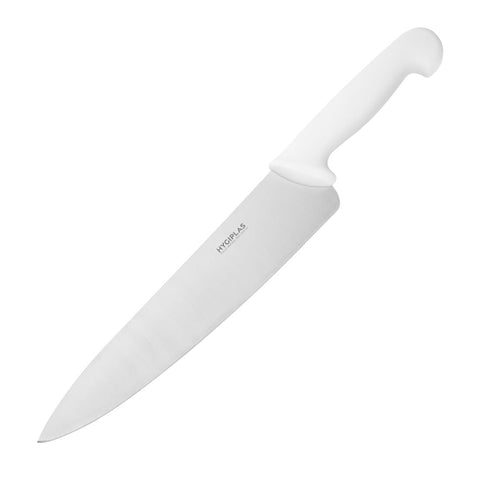
 Hygiplas Chefs Knife White 255mm - C879
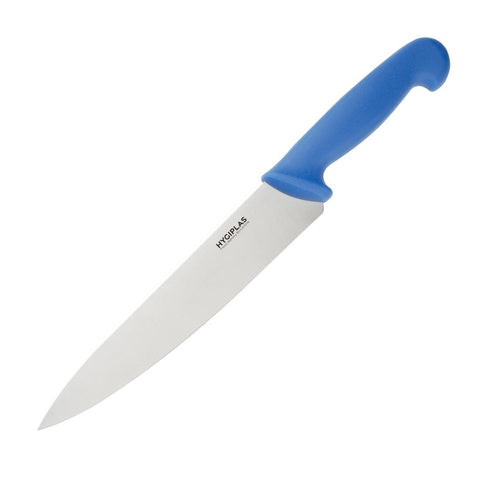
 Hygiplas Chefs Knife Blue 216mm - C851

 Hygiplas Chefs Knife Green 160mm - C864
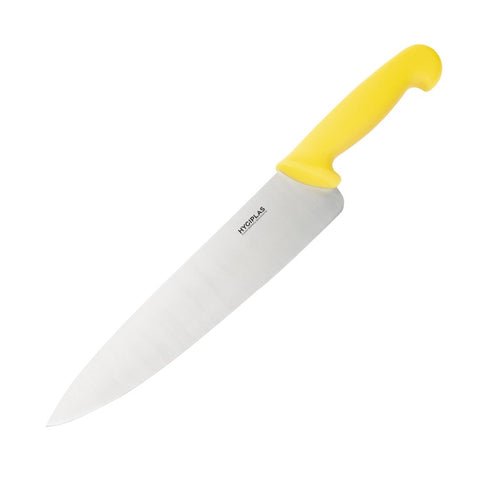
 Hygiplas Chefs Knife Yellow 255mm - C816
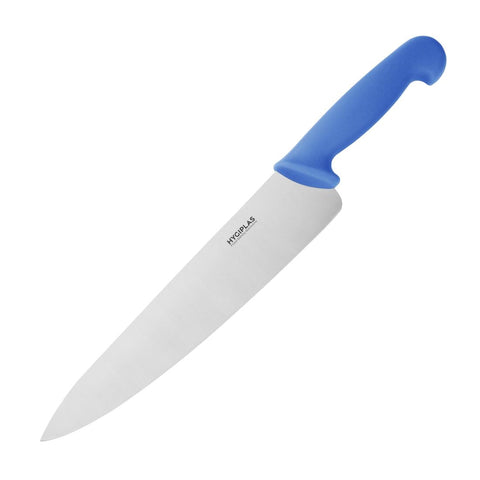
 Hygiplas Chefs Knife Blue 255mm - C850

 Hygiplas Chefs Knife Green 216mm - C861
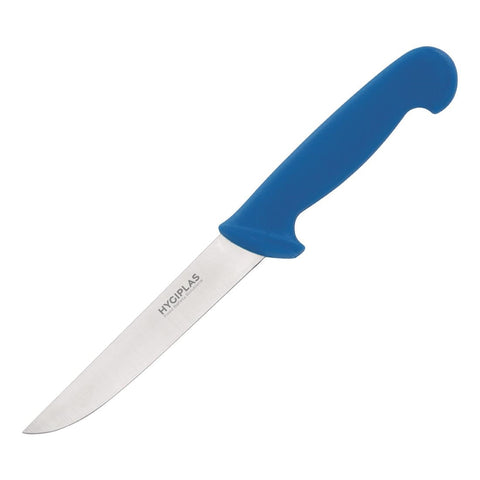
 Hygiplas Boning Knife Blue 150mm - C854
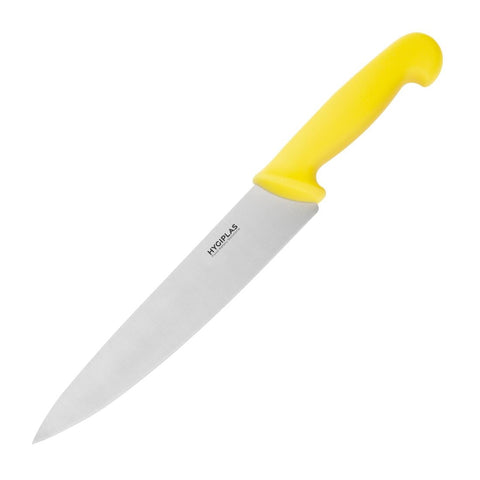
 Hygiplas Chefs Knife Yellow 216mm - C803
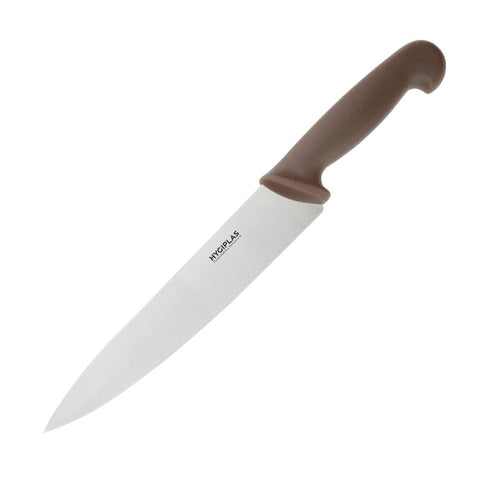
 Hygiplas Chefs Knife Brown 216mm - C842

 Hygiplas Chefs Knife Black 160mm - C554

 Hygiplas Chefs Knife Yellow 160mm - C815

 Hygiplas Scalloped Utility Knife Black 125mm - C420
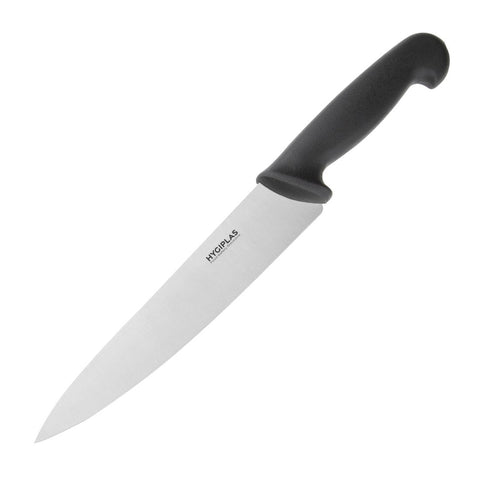
 Hygiplas Chefs Knife Black 215mm - C265
 Hygiplas Carving Fork Prongs Black 150mm - C423
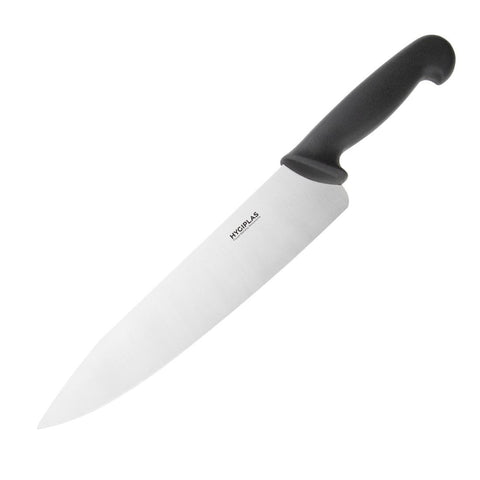
 Hygiplas Cooks Knife Black 255mm - C264
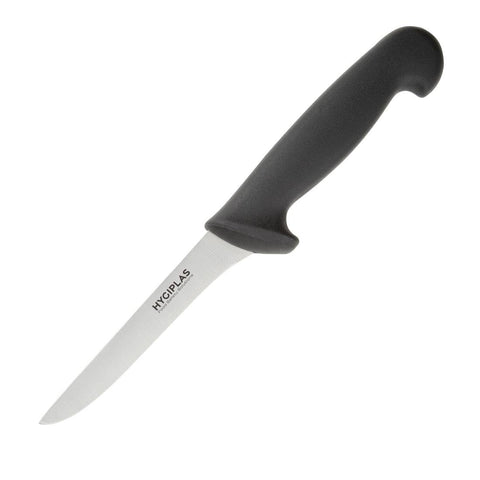
 Hygiplas Boning Knife Black 125mm - C267
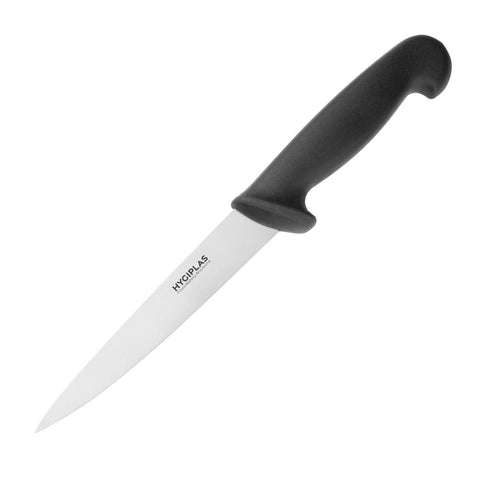
 Hygiplas Filleting Knife Black 150mm - C266
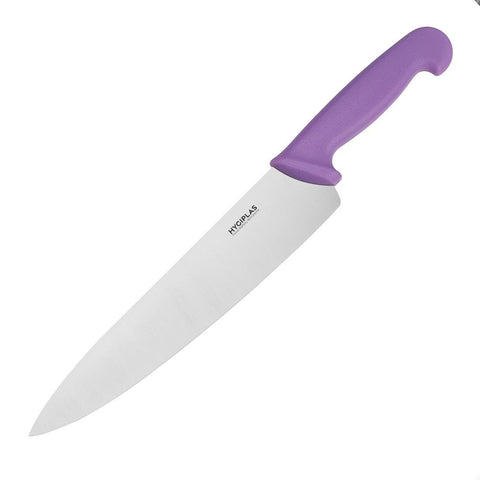
 Hygiplas Cooks Knife Purple 254mm - FX112
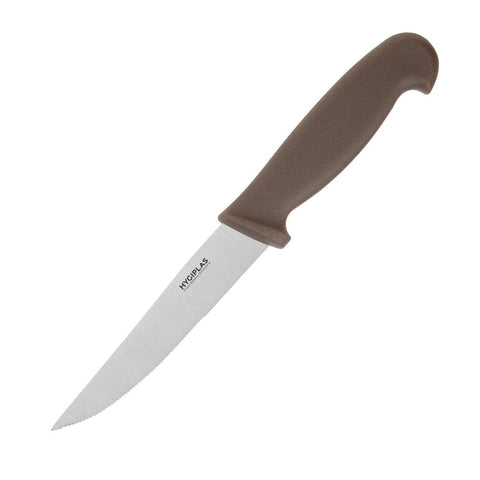
 Hygiplas Vegetable Knife Serrated Brown 102mm - FX125
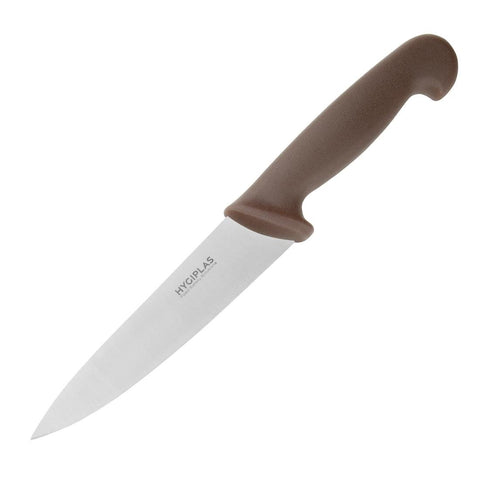
 Hygiplas Cooks Knife Brown 160mm - FX115
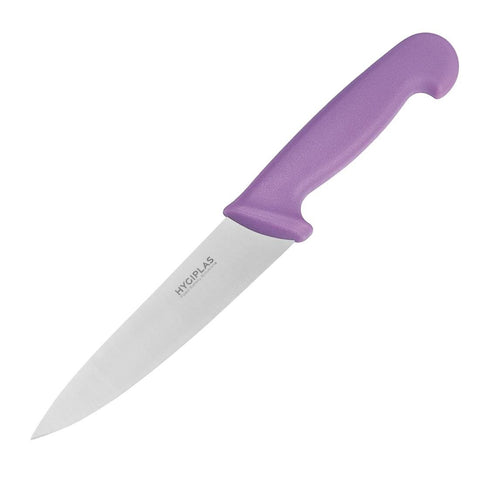
 Hygiplas Cooks Knife Purple 160mm - FX116
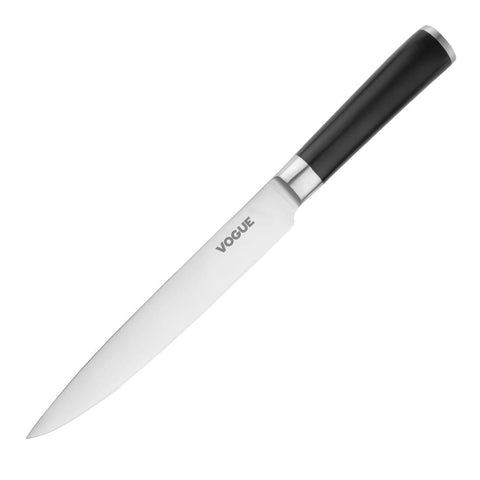
 Vogue Bistro Carving Knife 200mm - FS682
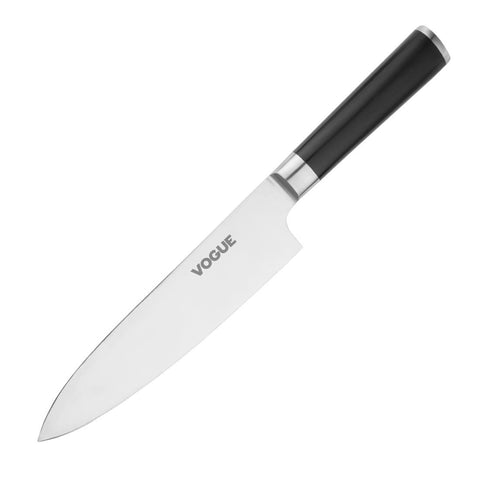
 Vogue Bistro Chefs Knife 205mm - FS685
Chef knives are the general purpose blades a kitchen cuts with all day, in blade lengths from about 100mm for small work up to 255mm for breaking down big vegetables and joints. Vogue and Hygiplas are two of the brands available online, and between them they offer the Vogue Pro, Soft Grip, Bistro and Tsuki Series 7 and 8 lines, and the Hygiplas colour coded cooks knives.
Blade length is the first decision. A 160mm blade suits smaller hands, tight work and anyone not comfortable holding a big knife. Around 200 to 216mm is what most chefs use for most of the shift and it fits a standard board. A 255mm or 260mm blade cuts more in one pass but needs a big board and clearance around it, and in a small hand it's harder to control and more likely to slip.
Steel is the second decision. The Vogue Tsuki knives are made in the Japanese style, with a harder steel that takes a finer edge and holds it much longer. Harder steel also chips, so keep those knives off bone, off frozen food and off any job that twists the blade. The European style knives, including the Vogue Pro and Soft Grip lines and the Hygiplas cooks knives, use a softer stainless that rolls instead of chipping, which is why a few passes on a steel brings the edge straight back.
A full tang means the steel runs the whole length of the handle, usually with rivets through it, and it's why a knife stays balanced and the handle doesn't work loose after a couple of years. Hygiplas offers one-piece moulded handles in white, red, blue, green, yellow, brown, purple and black to match the colour coded boards, and Vogue offers riveted and soft grip handles. Alongside the cooks knives there are boning, filleting, carving, utility and palette knives, serrated tomato and vegetable knives, a cleaver, an oyster knife and a carving fork. REO prices are sharp, and a kitchen buying a working set in one order pays less per knife than it will replacing them one at a time.
Buy the length that matches the hand and the work. A 160mm blade is the one for smaller hands, for detail work and for anyone still building confidence with a knife. A 200 to 216mm blade is the general kitchen size and does almost everything on a section. A 255mm or 260mm blade is for breaking down pumpkins, cabbages and large cuts of meat, and it needs a full size board underneath it.
Hold one before you commit to a set if you get the chance, because handle shape and weight matter as much as the length. A knife that's too big for the hand gets used with a stiff wrist and a bad grip, which is where most kitchen cuts come from.
Neither is better across the board, because they fail in different ways. Japanese style knives like the Vogue Tsuki are ground thinner and hardened further, so they cut more cleanly and go a long time between sharpenings. The trade is brittleness — twist one in a pumpkin, hit a bone or drop it on a tiled floor and it chips.
European style knives are softer and tougher. The edge rolls over rather than chipping, and a steel puts it back in seconds, which is why they suit a busy line and staff who aren't precious about a blade. A lot of kitchens run both: European knives on the section for everyone to use, and a Japanese blade the chef keeps for their own work.
Steel a knife at the start of every shift and again halfway through if it's cutting all day. A steel doesn't sharpen, it straightens an edge that has rolled over, and it takes about ten seconds. That alone keeps a knife working for weeks.
Actual sharpening removes metal and is needed every few weeks in a busy kitchen, or the moment steeling stops bringing the edge back. That's done on a whetstone, on a pull-through or on a machine, and knife sharpeners covers the sharpening steels and units. A blunt knife causes more injuries than a sharp one, because it slides off the food instead of biting into it and the hand goes with it.
A full tang is a single piece of steel running from the tip all the way to the end of the handle, with the handle scales riveted to either side of it. It matters for balance and for how long the knife survives. A partial tang stops somewhere inside the handle, and that join is where a knife eventually loosens and rattles.
One-piece moulded handles solve the same problem a different way, with the plastic formed around the tang so there is no seam and no rivet head for food to sit behind. That's why the colour coded knives are built that way — a smooth handle with nothing to trap food is easier to keep clean and easier to pass an inspection with.
No. Commercial dishwasher detergent is harsh enough to dull and pit a blade, the heat is hard on handles and glue lines, and knives knock against everything else in the rack, which chips the edge. A knife that's been through the machine a dozen times cuts noticeably worse.
Wash by hand in hot soapy water, rinse and dry straight away. Wet knives left on a drainer or in a sink spot and eventually corrode, even in stainless, and a knife hidden under water in a sink is how people get cut at the wash-up.
If the colours are doing a food safety job, then yes, because the blade touches the same food the board does. Hygiplas cooks knives come in the same colours as the boards — red for raw meat, blue for raw fish, green for salad and fruit, yellow for cooked meat, brown for vegetables and white for dairy and bakery.
The reason it works is that it's simple enough for casual staff to follow and quick for an inspector to check. It also settles arguments about which knife was used on what. A small kitchen with one chef can get by without it; anywhere with a roster of casuals is better off with the colours.
Start with a cooks knife around 200mm for each person on the line, a small vegetable or paring knife, a serrated knife for tomatoes and bread, and a boning knife if meat or fish is broken down in house. That covers most of what a section does.
After that it's the specific jobs. A filleting knife for fish, a carving knife and fork for a roast, a cleaver for bone and hard vegetables, a palette knife for pastry and plating, and an oyster knife if oysters are on the menu. Paring knives covers the small blades, and the serrated tomato and bread knives sit alongside the cooks knives here.
Both, and it's worth understanding the difference before you buy. Professional chef knives are a personal tool — grip, weight and balance are a matter of the individual hand, and most chefs own their roll and take it with them from job to job. Nobody wants their own blade used to open boxes.
The kitchen still has to supply knives, because casuals, apprentices and kitchenhands turn up without any, and the colour coded knives have to belong to the kitchen for the system to work. The usual arrangement is a kitchen set on each section plus whatever the chefs bring, and a rule that the two don't mix.
Usually it's the surface being cut on. A knife in a commercial kitchen cuts more in a week than a home knife does in a year, and a stainless bench, a glass board or a ceramic plate takes the edge off in a few strokes. Cut on polyethylene or wooden boards and nothing else.
The other causes are scraping food off the board with the edge instead of the spine, dropping knives into a sink or a drawer where they knock together, and skipping the steel. Twisting the blade to lever something apart rolls an edge instantly and can chip a hard one.
Off the bench and apart from each other. A magnetic rack, a knife block, a rail or a roll all work, and all of them beat a drawer, where the blades slide into each other and the edges chip. Loose knives in a drawer are also how hands get cut reaching in.
For transport and for chefs who bring their own, a knife roll or case keeps the blades separated and covered. Cutlery storage covers cases, boxes and trays. Always store knives dry, and never leave one sitting in a sink of water where nobody can see it.

We have a special page just for stock that's warehoused in Perth.
Click Here to see all WA stockWhat our customers say about us on Google, and how Google scores our store for things like shipping and returns.
Store scores from Google