


 03 9070 5784
 Help & Support
 Track My Order



Recently Viewed

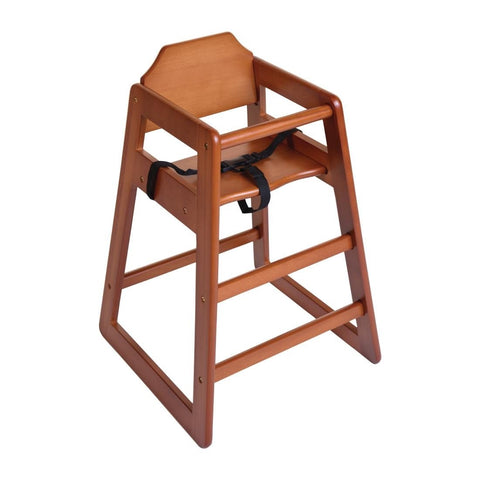

 Bolero Wooden High Chair Dark Wood Finish - DL901
510(W) x 750(H) x 510(D)mm
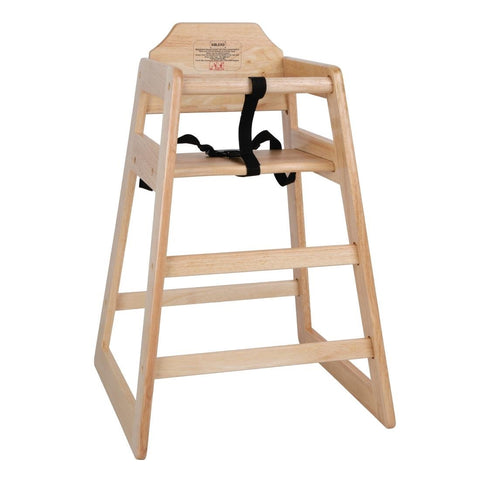
 Bolero Wooden High Chair Natural Finish - DL900
510(W) x 750(H) x 510(D)mm
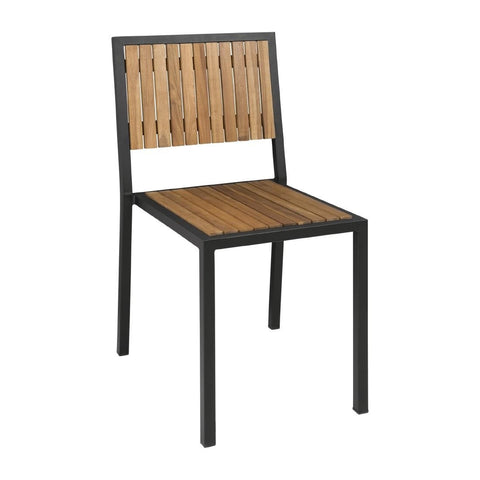
 Bolero Steel & Acacia Side Chairs (Pack of 4) - DS150
450(W) x 860(H) x 530(D)mm
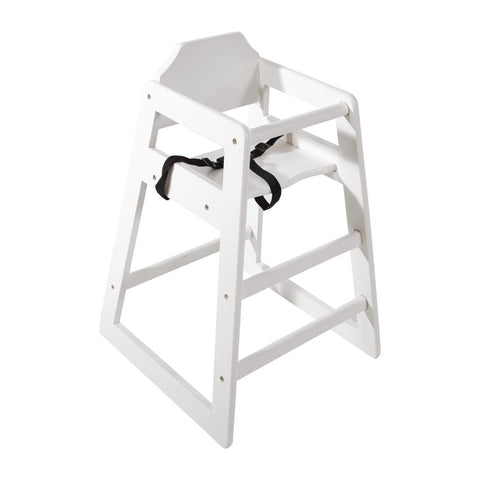
 Bolero Wooden High Chair Antique White Finish - DL833
510(W) x 750(H) x 510(D)mm
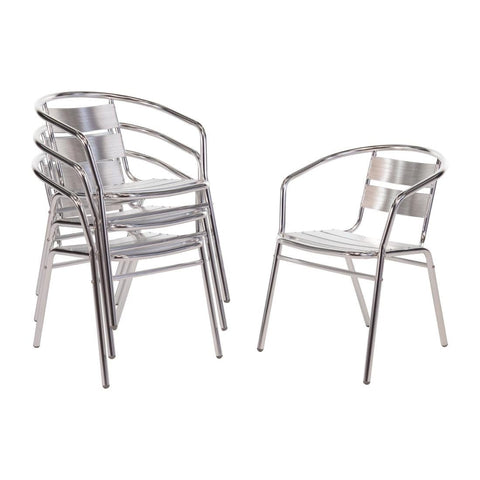
 Bolero Aluminium Stacking Chairs 735mm - U419
530(W) x 735(H) x 580(D)mm
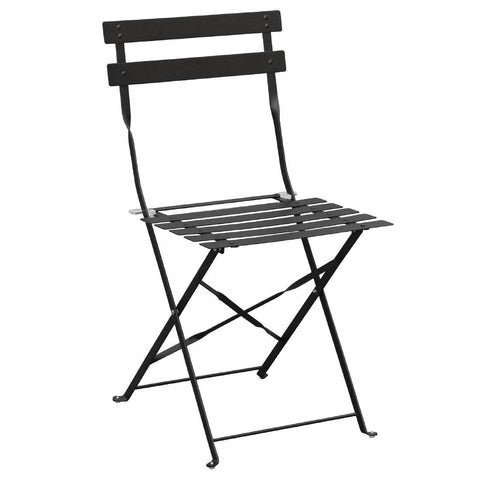
 Bolero Black Pavement Style Steel Folding Chairs (Pack of 2) - GH553
387(W) x 800(H) x 471(D)mm
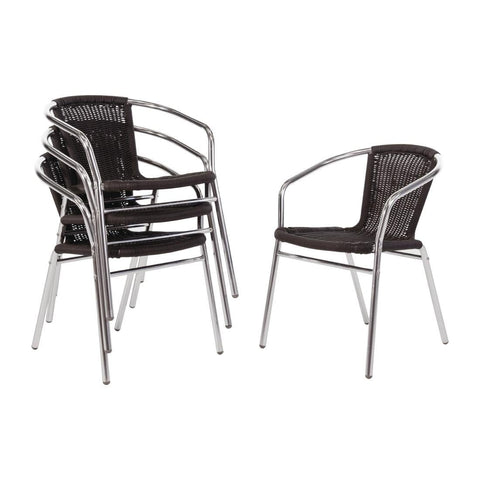
 Bolero Black Wicker Chair with Aluminium Frame (Pack 4) - U507
530(W) x 735(H) x 580(D)mm
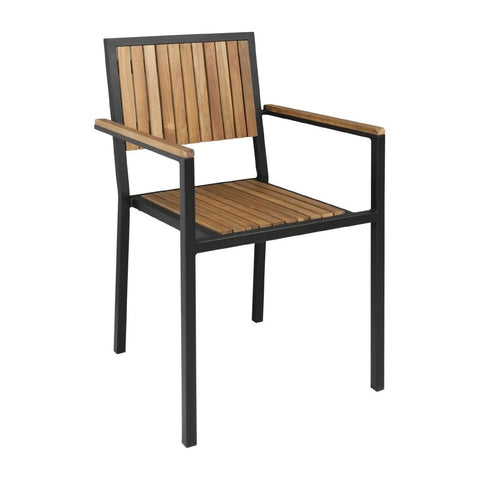
 Bolero Steel & Acacia Armchair (Pack of 4) - DS151
550(W) x 860(H) x 530(D)mm
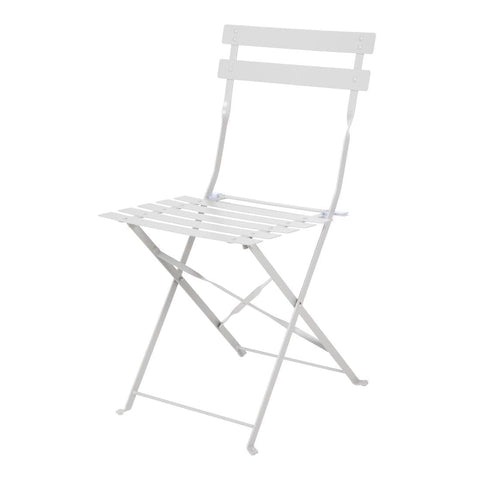
 Bolero Grey Pavement Style Steel Folding Chairs (Pack of 2) - GH551
387(W) x 800(H) x 471(D)mm
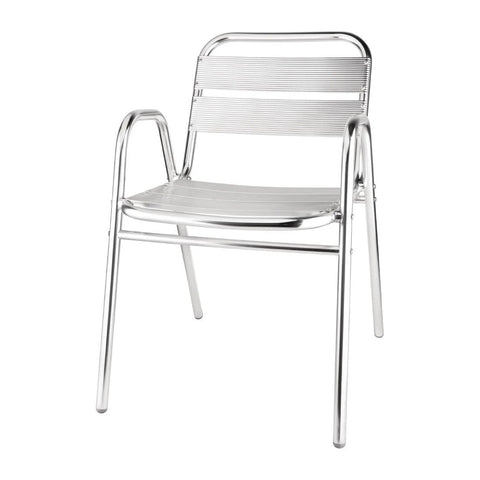
 Bolero Aluminium Stacking Chairs Arched Arms (Pack of 4) - U501
600(W) x 780(H) x 495(D)mm
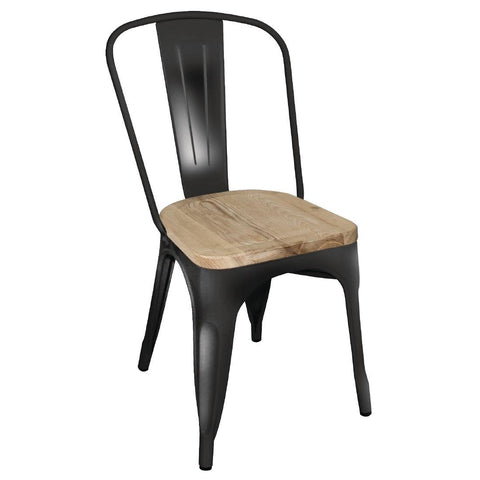
 Bolero Steel Dining Side Chairs with Wooden Seat pads Black (Pack of 4) - GG707
445(W) x 855(H) x 520(D)mm
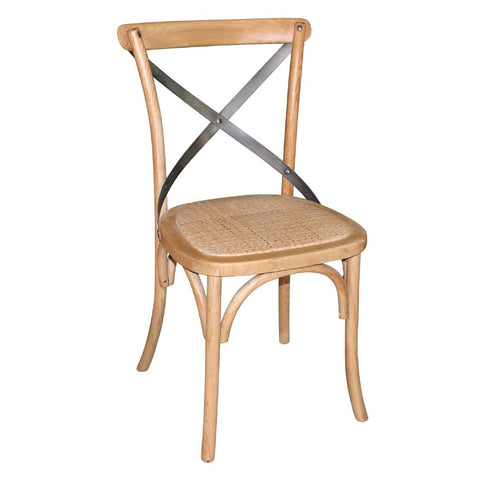
 Bolero Natural Wooden Dining Chairs with Backrest (Pack of 2) - GG656
460(W) x 880(H) x 540(D)mm
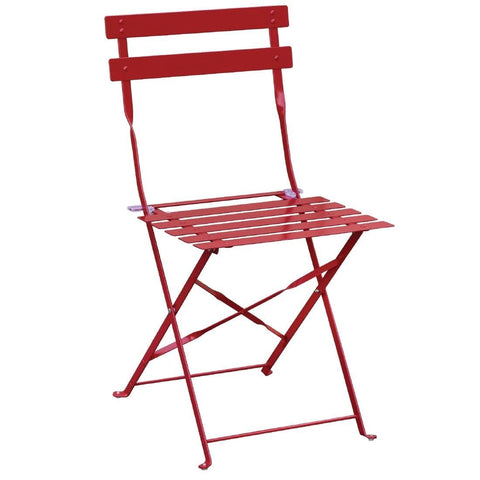
 Bolero Red Pavement Style Steel Folding Chairs (Pack of 2) - GH555
387(W) x 800(H) x 471(D)mm
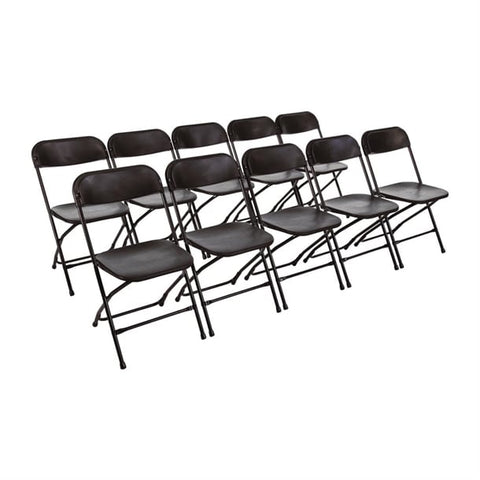
 Bolero PP Folding Chairs Black (10 Pack) - GD386
440(W) x 800(H) x 480(D)mm
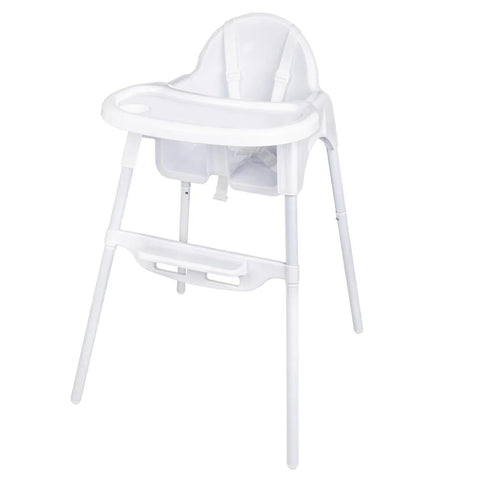
 Bolero Highchair Bright White Single - CY599
650(W) x 1010(H) x 770(D)mm
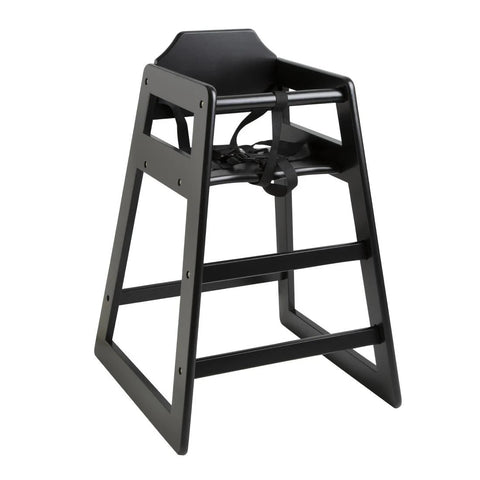
 Bolero Wooden High Chair - CJ588
510(W) x 750(H) x 510(D)mm
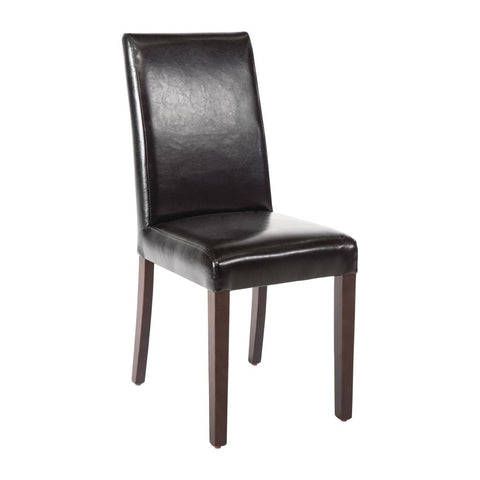
 Bolero Faux Leather Dining Chairs Black (Pack of 2) - GF954
405(W) x 940(H) x 500(D)mm
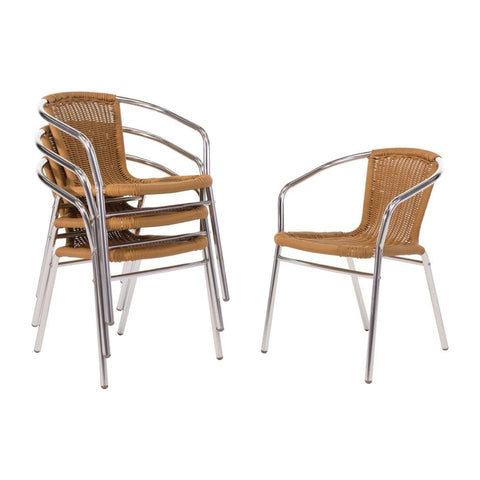
 Bolero Natural Wicker Chair with Aluminium Frame (Pack 4) - U422
530(W) x 735(H) x 580(D)mm
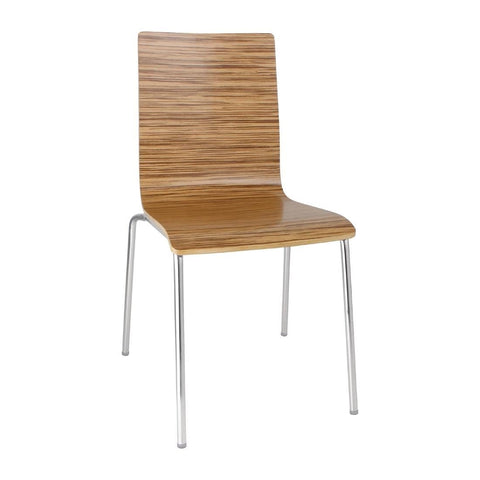
 Bolero Square Back Side Chair Zebrano (Pack of 4) - GR344
505(W) x 855(H) x 520(D)mm
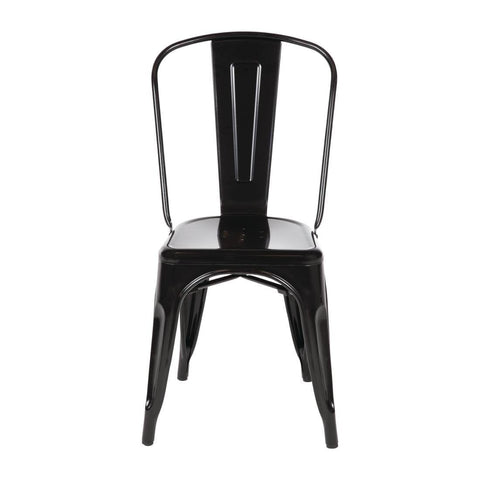
 Bolero Black Steel Bistro Side Chair (Pack of 4) - GL331
445(W) x 855(H) x 520(D)mm
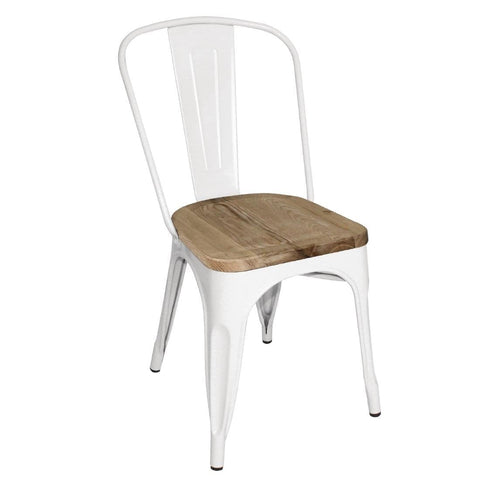
 Bolero White Steel Dining Sidechairs with Wood Seatpad (Pack of 4) - GM644
445(W) x 855(H) x 520(D)mm
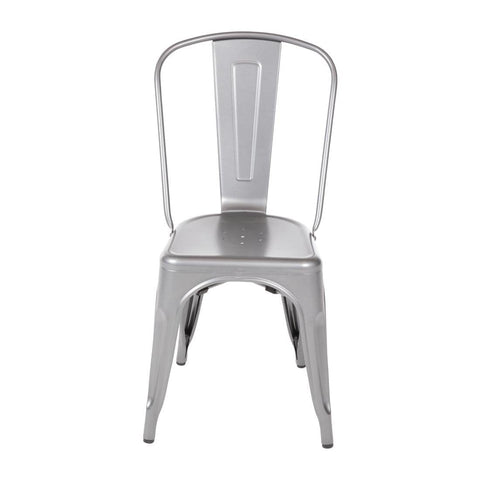
 Bolero Gun Metal Grey Steel Bistro Side Chair (Pack of 4) - GL329
445(W) x 855(H) x 520(D)mm
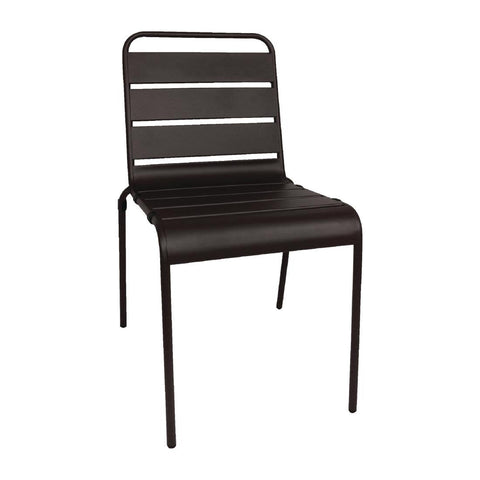
 Bolero Black Slatted Steel Side Chairs (Pack of 4) - CS728
470(W) x 830(H) x 570(D)mm
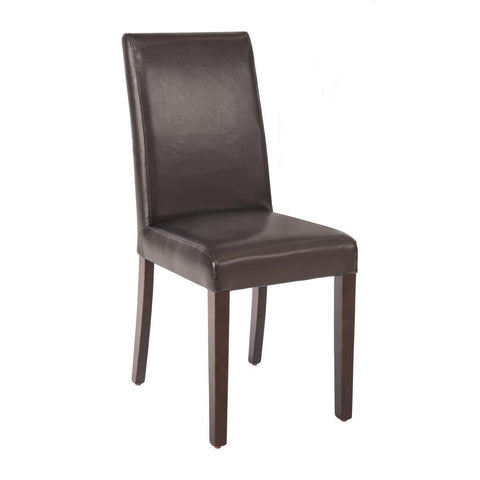
 Bolero Faux Leather Dining Chairs Brown (Pack of 2) - GF955
405(W) x 940(H) x 500(D)mm
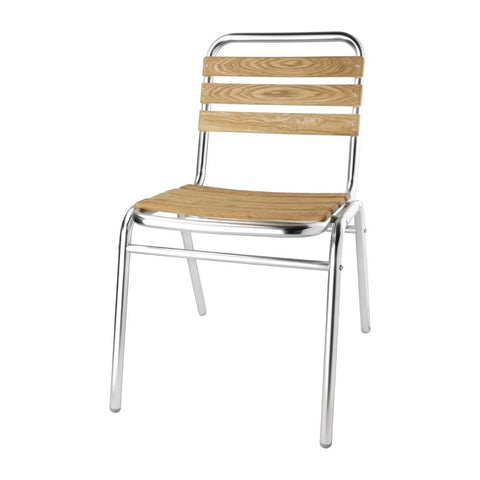
 Bolero Ash Bistro Side Chair (Pack of 4) - GK997
485(W) x 773(H) x 565(D)mm
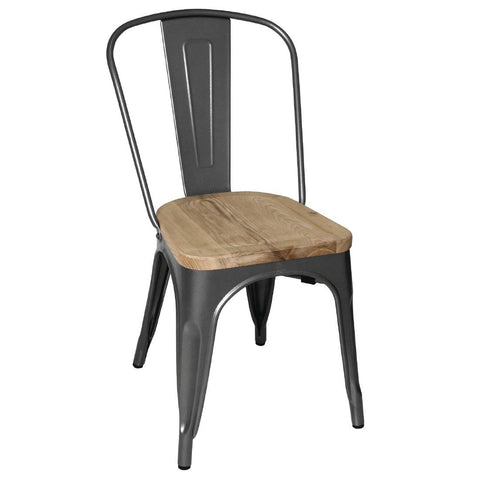
 Bolero Steel Dining Side Chairs with Wooden Seat pads Grey (Pack of 4) - GG708
445(W) x 855(H) x 520(D)mm
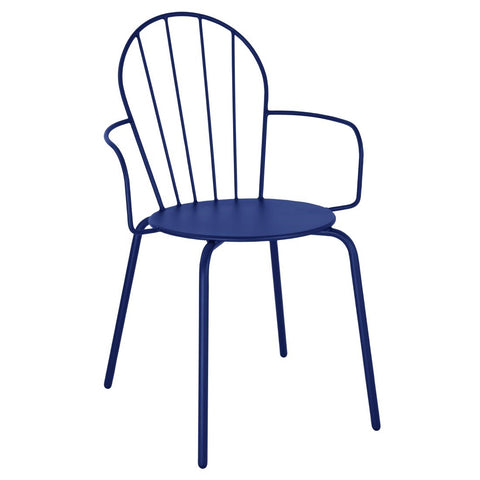
 Bolero Adeline Arm Chairs Dark Navy (4 Pack) - HZ359
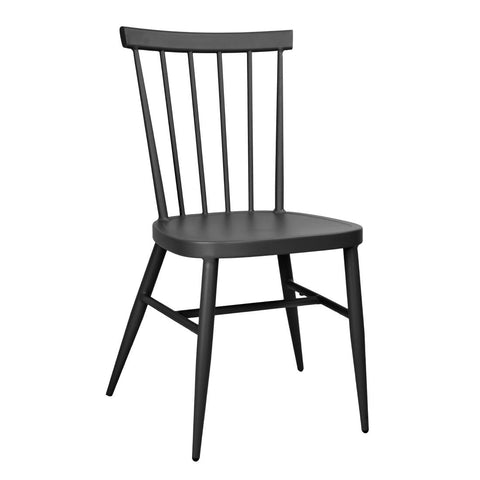
 Bolero Windsor Aluminium Black Chairs (4 Pack) - DX686
510(W) x 880(H) x 510(D)mm
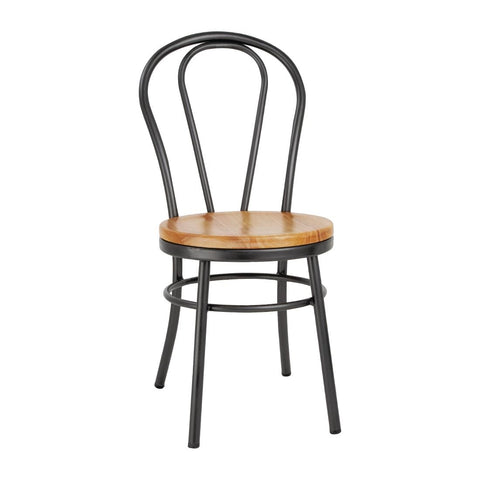
 Bolero Clarisse Side Chairs Metallic Grey (2 Pack) - DC178
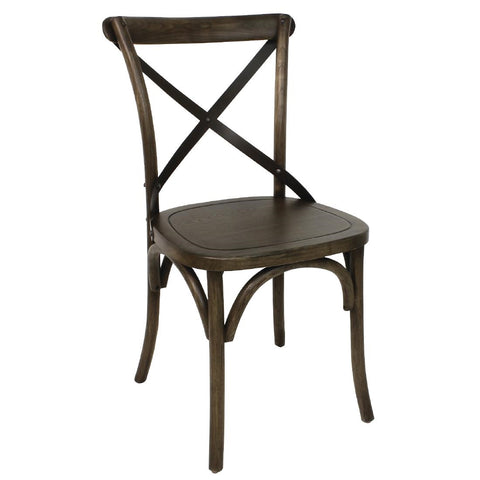
 Bolero Wooden Dining Chair with Metal Cross Backrest Walnut Finish (2 Pack) - GG658
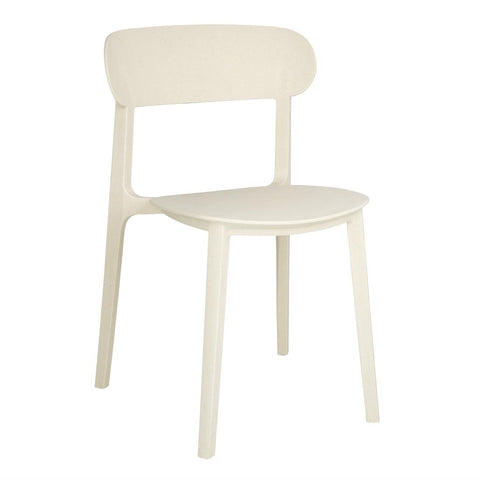
 Bolero Eden Side Chair Cream (2 Pack) - CH940
480(W) x 775(H) x 480(D)mm
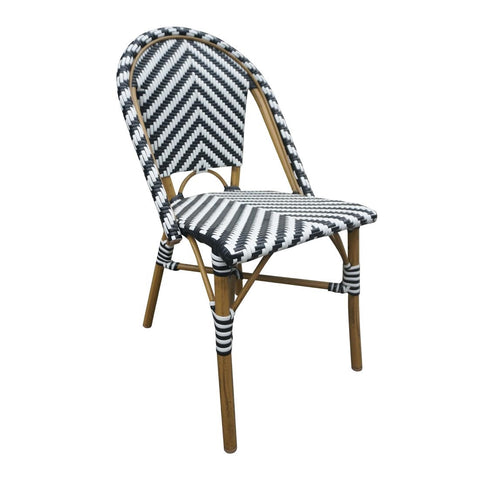
 Bolero Parisian Style Rattan Side Chair Black (2 Pack) - CH111
564(W) x 890(H) x 564(D)mm
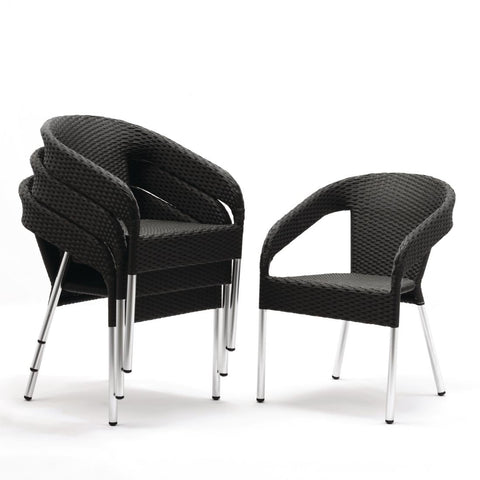
 Bolero Wicker Wraparound Bistro Chairs Charcoal (Pack of 4) - CG223
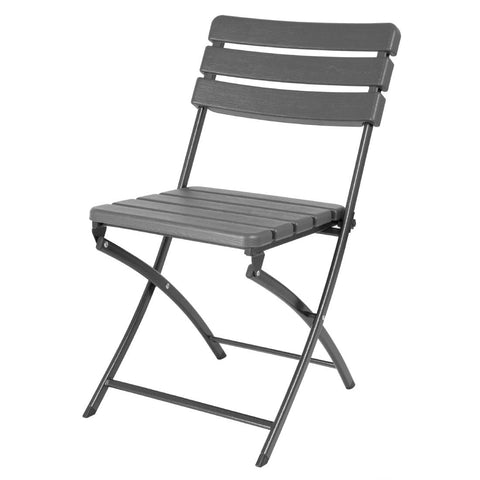
 Bolero Folding Chairs Grey Wood Effect (2 Pack) - HZ891
460(W) x 814(H) x 565(D)mm
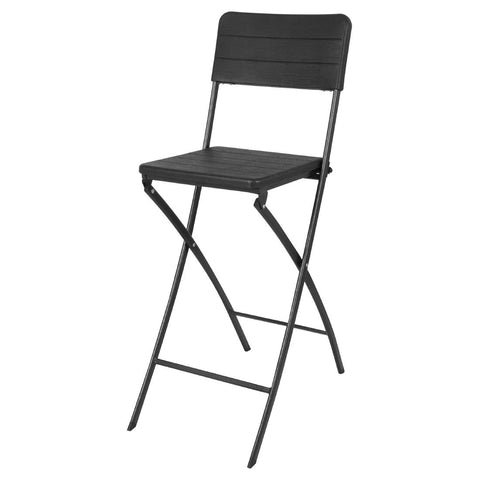
 Bolero Folding Bar Chairs Black Wood Effect (2 Pack) - HZ893
650(W) x 1147(H) x 435(D)mm
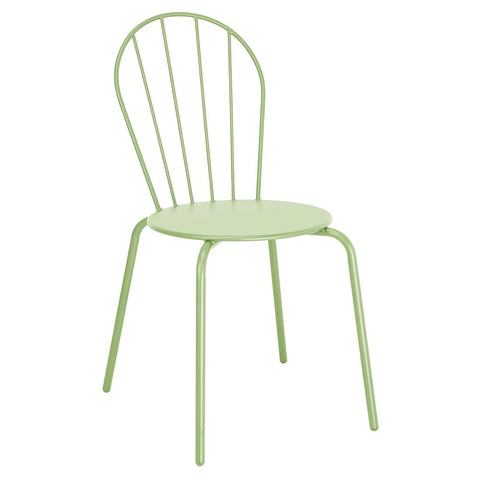
 Bolero Adeline Side Chair Light Green (4 Pack) - HZ363
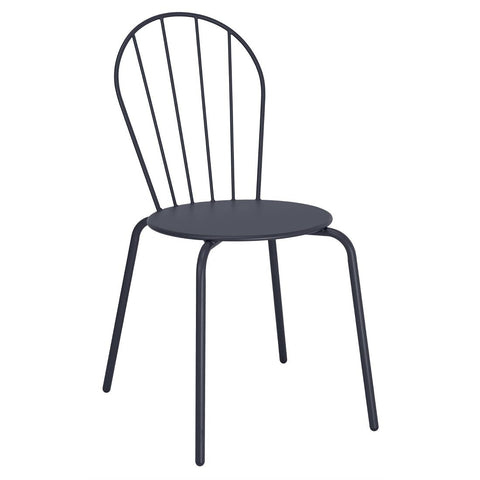
 Bolero Adeline Side Chairs Slate Blue (4 Pack) - HZ361
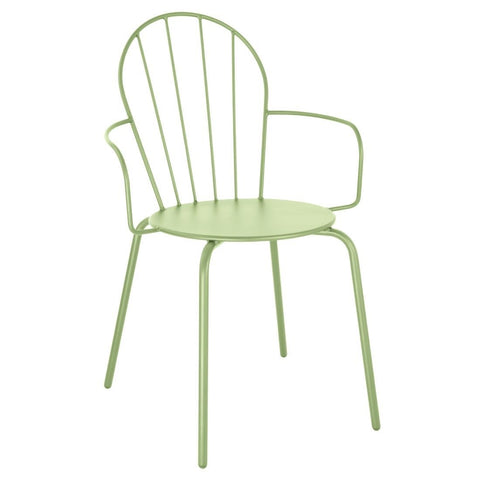
 Bolero Adeline Arm Chair Light Green (4 Pack) - HZ360
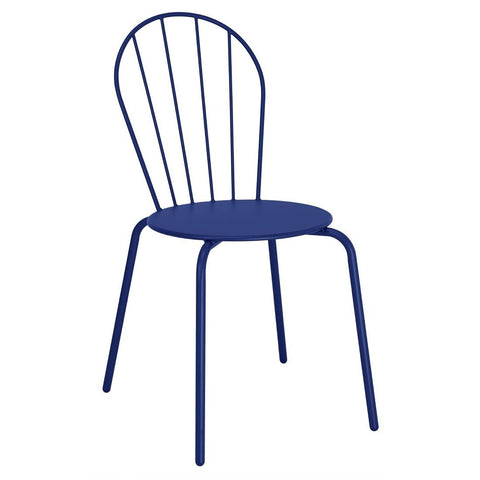
 Bolero Adeline Side Chair Dark Navy (4 Pack) - HZ362
480(W) x 855(H) x 558(D)mm
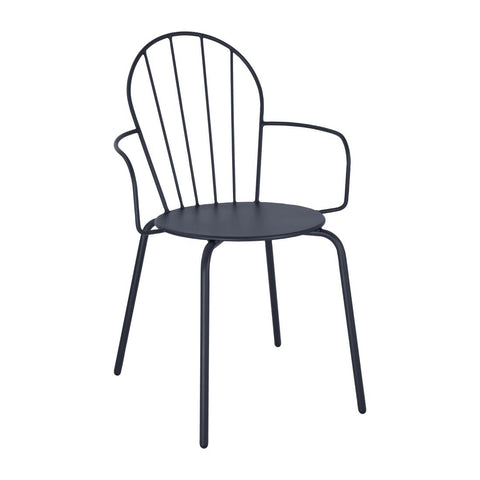
 Bolero Adeline Arm Chairs Slate Blue (4 Pack) - HZ358
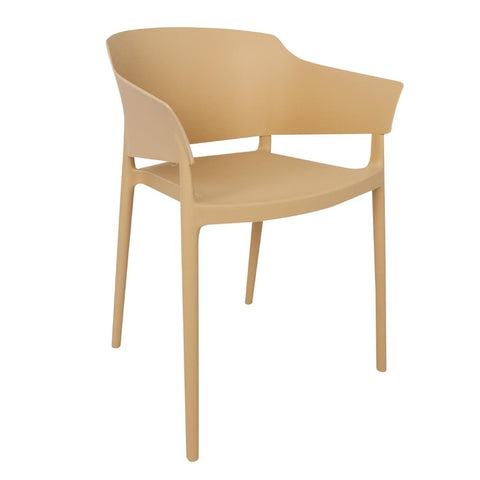
 Bolero Lorenzo Cafe Chairs Warm Cream (2 Pack) - DX972
530(W) x 775(H) x 565(D)mm
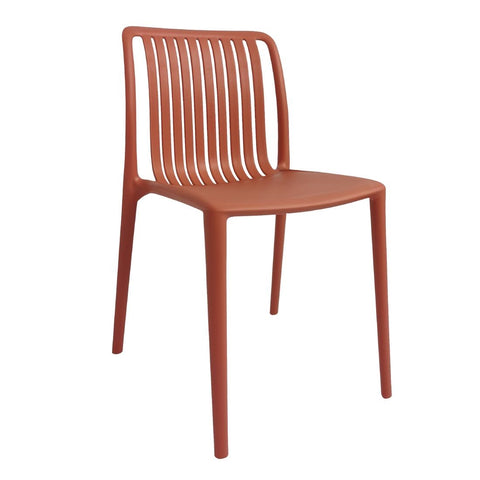
 Bolero Verona Café Chairs Mild Orange (2 Pack) - DX977
525(W) x 770(H) x 480(D)mm
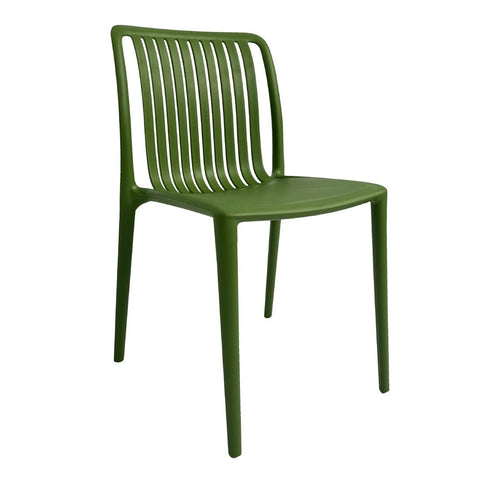
 Bolero Verona Café Chairs Forest Green (2 Pack) - DX978
525(W) x 770(H) x 480(D)mm
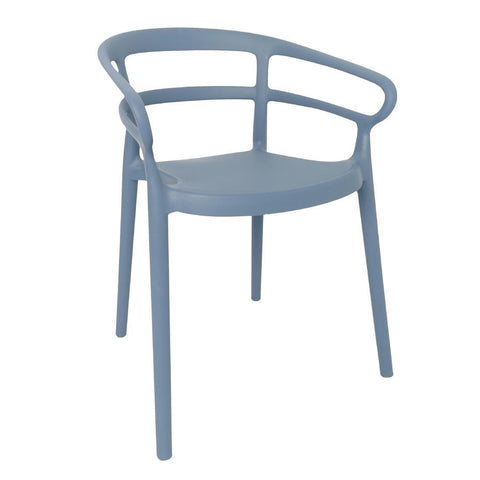
 Bolero Mateo Café Chairs Slate Blue (2 Pack) - DX980
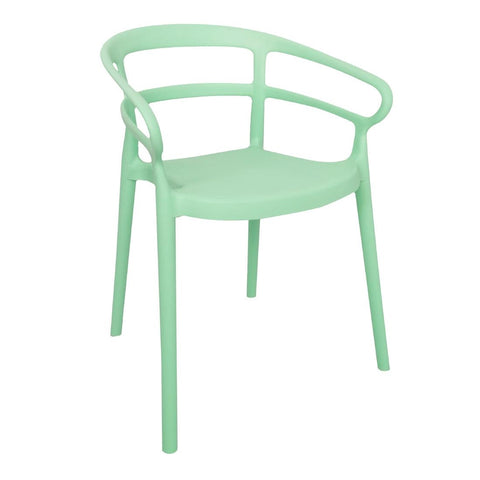
 Bolero Mateo Café Chairs Mint Green (2 Pack) - DX981
525(W) x 760(H) x 525(D)mm
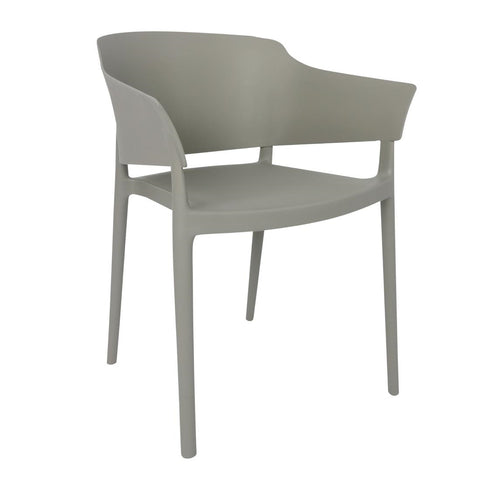
 Bolero Lorenzo Cafe Chairs Medium Grey (2 Pack) - DX970
530(W) x 775(H) x 565(D)mm
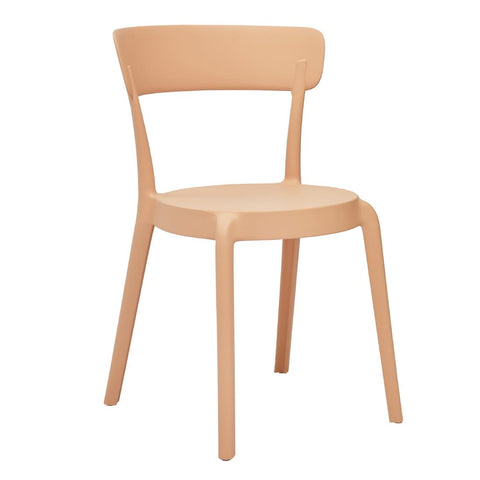
 Bolero Mila Café Chairs Light Salmon (2 Pack) - DX975
490(W) x 794(H) x 505(D)mm
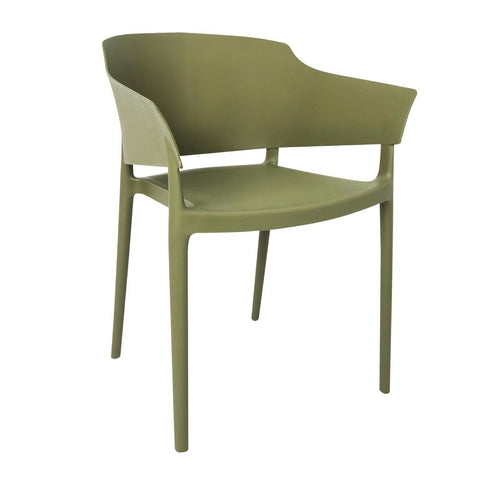
 Bolero Lorenzo Cafe Chairs Green Tea (2 Pack) - DX971
530(W) x 775(H) x 565(D)mm
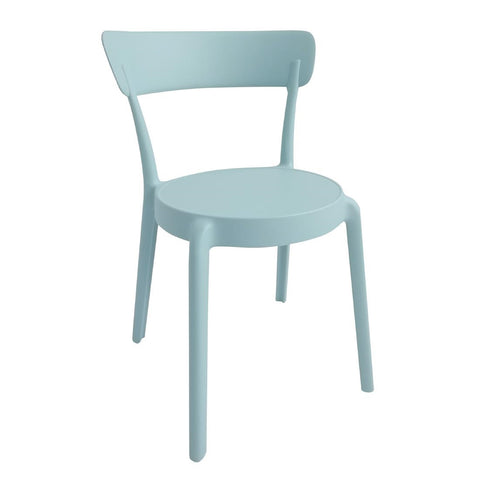
 Bolero Mila Café Chairs Icy Blue (2 Pack) - DX973
490(W) x 794(H) x 505(D)mm
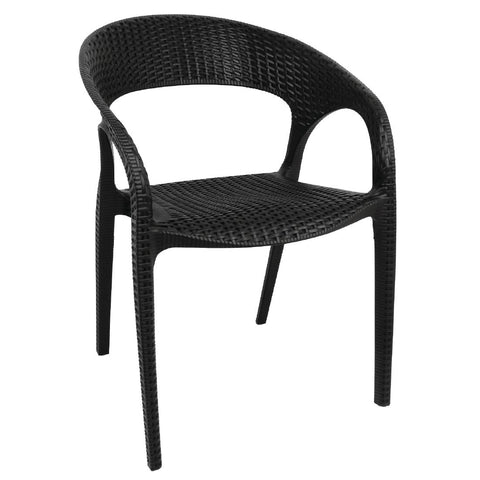
 Bolero PP Rattan Wraparound Armchairs (Pack of 4) - GR363
550(W) x 820(H) x 595(D)mm
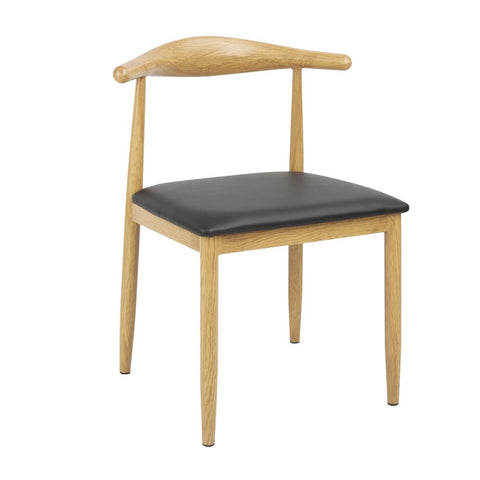
 Bolero Camden Padded Interior Chairs (2 Pack) - FU529
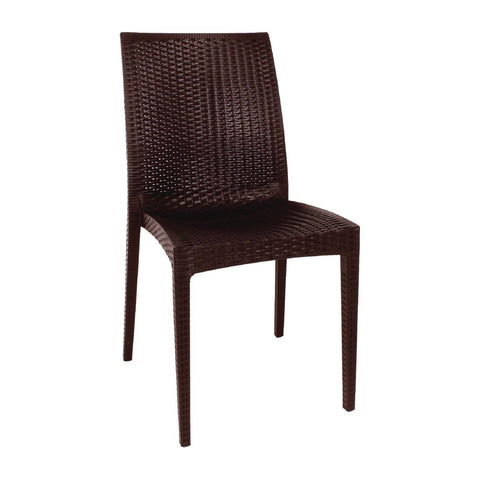
 Bolero PP Rattan Bistro Side Chairs Brown (4 Pack) - GR361
480(W) x 875(H) x 525(D)mm
Cafe chairs come in stacking, folding, wicker, bentwood, padded and high chair styles, and Bolero is one of many brands that offer many options and designs to choose from. Most are sold in packs of two or four rather than singly.
The frames are aluminium, powder coated steel or timber, and that decides where the chair can be used. Aluminium stacking chairs and the PE wicker and PP rattan chairs built on aluminium frames are made for outside, because aluminium doesn't rust. Powder coated steel is fine under an awning. Bentwood, ash, acacia and the faux leather dining chairs are indoor furniture, and sun and rain will lift the finish and open the joints.
Stacking chairs are what you want if footpath seating has to be packed away every night, and the folding chairs in steel, PP and HDPE fold flatter again for functions and overflow. A light aluminium chair is an easier lift for staff setting out eighty of them in the morning, while a heavier steel or timber chair sits more solidly and won't skate across the floor when someone leans back.
There are plenty of colours to work with. The Adeline, Mateo, Verona, Mila and Lorenzo designs come in greens, blues, cream and salmon, and there are plain black, grey and galvanised steel chairs with wooden seat pads, wicker and rattan in charcoal and brown, and wooden high chairs for children. Cafe tables go with them, and the main furniture page covers banquet tables, umbrellas and the rest of a fit-out.
It depends on the model, and the stacking limit is shown on the product page. The aluminium stacking chairs, the wicker wraparound chairs and the banquet chairs are all built to nest, with the frames shaped so one chair sits into the next without pressing on the seat below. Bentwood, padded and faux leather chairs generally don't stack at all, and forcing them scuffs the seat pads and marks the frames.
Stack no higher than a person can lift down safely, and put the stacks against a wall or on a chair trolley so they can't topple. If the seats are timber or upholstered, a cloth between each chair stops the feet scoring the seat underneath over a few hundred nights.
Aluminium, and the PE wicker and PP rattan chairs built on aluminium frames. Aluminium doesn't rust, so it takes rain and salt air without the frame going. The HDPE and PP folding chairs are also fine wet.
Powder coated steel is a different case. The coating keeps water off the steel and does that well until it gets chipped by a stacked chair or a dragged leg. Once bare metal is showing, rust starts at the chip and works its way under the coating, usually at a weld or a foot, so touch up chips as soon as you see them. Timber chairs left outdoors grey off, and the joints loosen as the wood swells and dries through a few seasons.
It matters most at open and close. Staff stack the chairs at the end of service and set them out again in the morning, and an aluminium chair is a far easier lift than a solid timber or heavy steel one across eighty covers.
Weight works the other way outdoors. A light chair blows over on a windy footpath and slides when a customer pushes back from the table, so a heavier steel or timber frame stays put. Venues with both usually put the light stacking chairs outside where they get packed away nightly, and keep the heavier chairs on the fixed indoor seating.
At the joints. A commercial cafe chair is built heavier than a domestic dining chair, but the bolts holding the seat to the frame still work loose under constant use, and a loose joint puts the whole load onto one screw until something splits or snaps.
Go round the chairs with a spanner or an allen key every few months and re-tighten every bolt. Bentwood chairs are glued as well as bolted, and a glue joint that has started to move needs re-gluing before it opens further. Check the feet at the same time, because once a plastic glide wears through, the bare metal leg scores the floor and the chair starts to rock.
Side chairs seat more people in the same floor space and push right under the table, which is why they're the usual choice where turnover is fast. Armchairs take more width per cover and often won't push under a table with a deep apron, but they're more comfortable for the longer sittings in a wine bar or a lounge.
Several of the designs, including the Adeline and the steel and acacia chairs, come in both, so you can put armchairs at the window and side chairs on the tighter tables and keep one look through the room.
On the steel dining chairs with bolt-through wooden seat pads, yes. The pad comes off with a few screws and a new one goes on, which costs a fraction of a new chair. Chairs with a fixed upholstered seat have to be reupholstered instead, and on the cheaper models that costs more than replacing the chair.
If the room needs soft seating, loose cushions and seat pads that can be washed or swapped will keep a set of chairs going years longer than fixed padding does.
Standard dining height chairs go with standard dining height tables, and you need enough clearance between the seat and the underside of the table for a customer's legs. Measure from the floor to the underside of the table apron before you order, because a thick top or a wide base plate eats into that gap.
Poseur and bar height tables need cafe bar stools instead of dining chairs. Ordering dining chairs for bar height tables is the most common mistake on a furniture order, and it usually shows up when both arrive on the same pallet.
Count the covers you want to seat, then add a few spares. Chairs get damaged, and a set bought in one order matches, because colours and finishes get changed or discontinued between production runs and the same model bought a year later can be a shade off.
Ordering the whole quantity at once is also where the money is. REO prices are sharp, the chairs are sold in packs of two and four, and buying the seating for the whole venue from one supplier means one delivery, one invoice and one point of contact if something arrives damaged. Chairs for cafes, bars and function rooms can all go on the same order and be delivered anywhere in Australia.
Some do, and some come flat with the legs or the frame to bolt on, which keeps the freight cost down on a large order. Assembly is a few bolts and an allen key, and the fixings come in the box.
Keep one allen key with the maintenance kit, because you'll want it again in a few months when the first bolts need re-tightening. Check your doorway and passage widths before a delivery of assembled chairs, since a stack on a pallet is wider than it looks.
Warm water and a mild detergent on a cloth, then dry them. Powder coated steel and aluminium don't take abrasive pads or chlorine based cleaners, which dull the coating and pit the metal. Faux leather needs a damp wipe and nothing solvent based, or the surface cracks.
Wicker and rattan collect crumbs in the weave, so a brush or a vacuum nozzle does more than a cloth. Timber wants a wipe rather than a wash, because water sitting in a joint is what loosens it.

We have a special page just for stock that's warehoused in Perth.
Click Here to see all WA stock