


 03 9070 5784
 Help & Support
 Track My Order




Recently Viewed
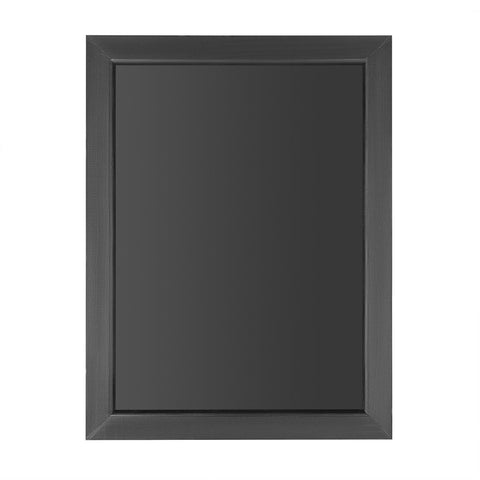

 Olympia Wallboard Black Wooden Frame 450x600mm - CU990

 Olympia Metal Framed Pavement Board with Carry Handle 500x850mm - HS805

 Olympia Black Magnetic Board - 600x900mm - HS807
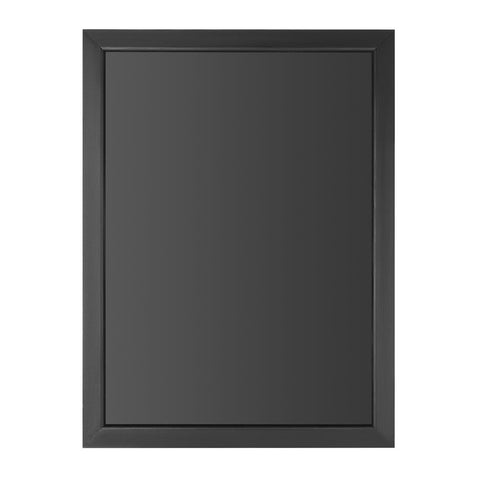
 Olympia Wallboard Black Wooden Frame 600x800mm - CU991

 Olympia Wall-Mounted Chalkboard 450 x 600mm - GH879
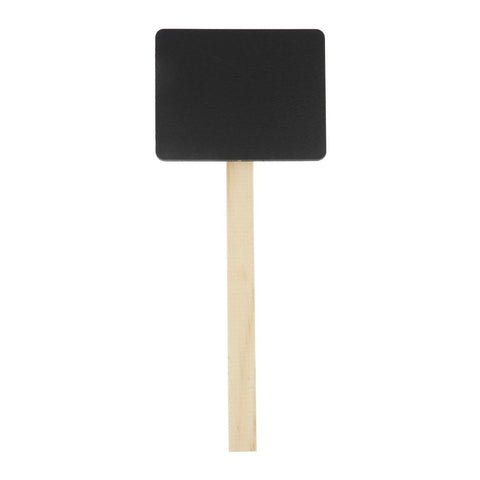
 Olympia Mini Blackboard Display Sign - GL086
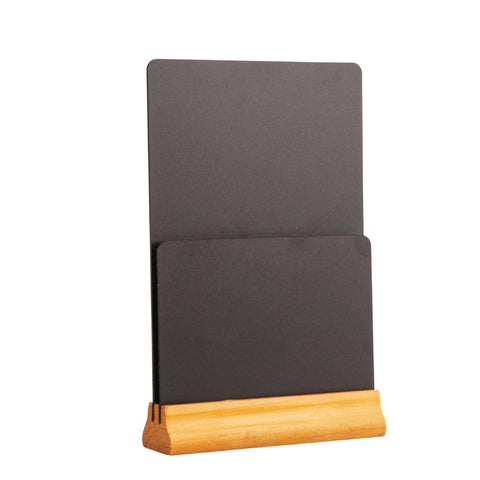
 Olympia Tabletop Double Chalkboard Menu Holder - GJ096
210(W) x 325(H) x 55(D)mm
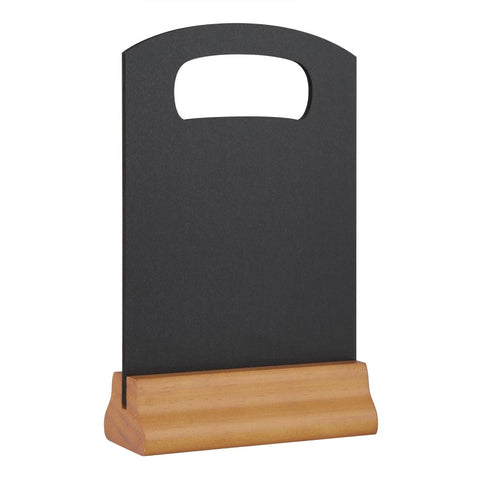
 Olympia Freestanding Chalkboard 150 x 225mm - GG110
150(W) x 225(H) x 54(D)mm
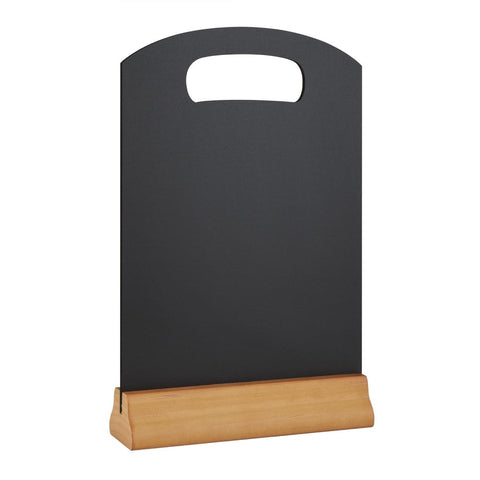
 Olympia Freestanding Chalkboard 210 x 320mm - GG111
212(W) x 320(H) x 52(D)mm
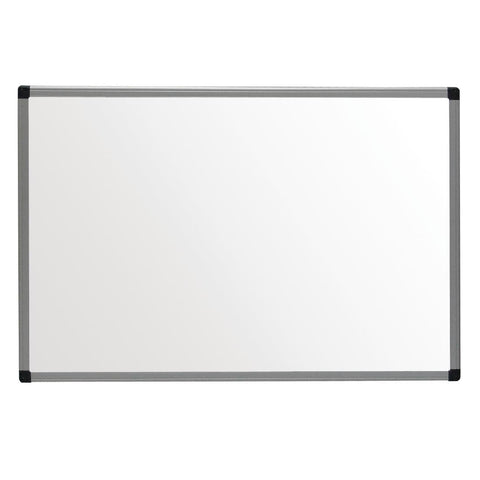
 Olympia Magnetic Whiteboard 900mm - GG046

 Olympia Pavement Board 700 x 1200mm - GG109
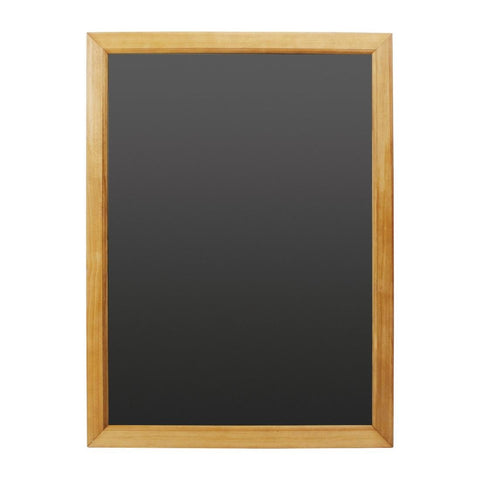
 Olympia Wood Frame Chalkboard 600 x 800mm - GG107
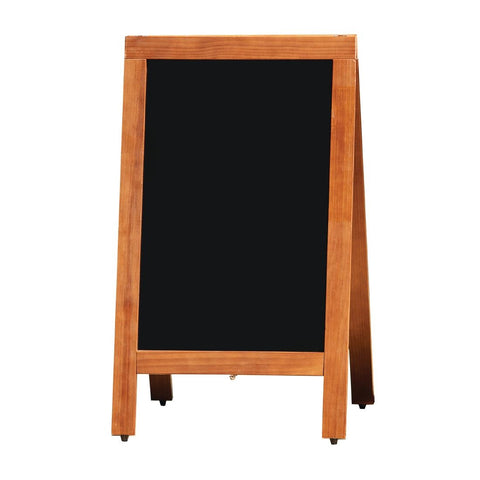
 Olympia Pavement Board 500 x 850mm - GG108

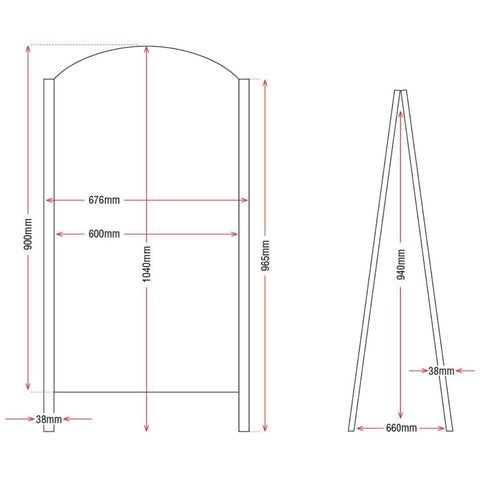
 Olympia Metal Framed Footpath Board 1025 x 675mm - CL009
A board tells the people walking past what you are selling today, and lets you change a price or a special without reprinting anything. A cafe blackboard goes out on the footpath to bring the lunch trade in; a menu blackboard behind the counter carries the standing menu.
Blackboards and signs come in three formats and they do different jobs. A-frames go outside and have to survive wind and rain. Wall-mounted boards sit behind the counter and carry the standing menu. Small table or counter boards carry a single message, usually a special or a price.
Chalkboard signs come as traditional chalk surfaces or as a smooth surface for liquid chalk markers. Liquid chalk is brighter and photographs better; traditional chalk is more forgiving to write with and easier to partially rub out when one price changes.
Signage sits alongside menu and bill holders for table-level information and kitchen safety signs for the back of house. Front-of-house items are grouped under buffet and table service.
Deciding between an A-frame out front and a board behind the counter? The price guide lists the three formats together, so you can price one of each rather than buying twice.
A-frames are for the footpath and the entry. They are the ones that bring people in, and they need enough weight or a fillable base to stay upright, because a board that blows over twice a week gets left inside.
Wall-mounted boards are for the menu itself. They free up counter space and cannot be knocked over, but you lose the ability to move the message to where the traffic is.
Liquid chalk markers give sharper lines and stronger colour, which is why most new cafe boards use them. They need a non-porous surface and they are removed with a damp cloth rather than a duster.
Traditional chalk suits a classic timber-framed board and is easier for staff who write the specials quickly. It smudges, which is either charm or untidiness depending on the venue.
Most are built for daily outdoor use and come in each night. Leaving one out through a wet night will shorten the life of the frame, particularly where the board meets the timber, and the writing will not survive rain either way.
Where the board sits under an awning or beside outdoor seating it fares better; see commercial outdoor umbrellas for the shade side of a footpath setup. Check footpath trading rules with your council before buying a size. Many local areas set a maximum footprint and require the board to sit within a defined zone, and that decides the size you can buy.
Big enough to read from across the footpath, which usually means fewer words than people want to fit. A board with four lines gets read; a board with the whole menu on it gets walked past.
Keep the standing menu on the wall board inside and use the outside board for one offer. That split works better than trying to make one board do both.
Damp cloth for liquid chalk, a dry duster or board rubber for traditional chalk, then a proper wash with mild detergent when the surface starts to grey. A board that is never fully cleaned builds a haze that makes new writing look faded.
Timber frames want wiping rather than soaking. Anything with a cleaning product in the kitchen area belongs with the surface cleaners rather than being improvised.
Pick one person with legible handwriting and let them own it. Boards written by whoever is on shift drift in style within a fortnight and start to look neglected.
If nobody on the team can write well, a printed insert in a holder is more honest than a badly written board. Menu and bill holders cover that option.
Allergen information, anything self-service on a buffet line, and the back-of-house notices staff need. For a buffet, labelling each dish alongside the chafing dishes answers most customer questions before they are asked.
Behind the kitchen door, use proper safety signs rather than a handwritten board. A chalk warning next to a deep fryer is not signage.

We have a special page just for stock that's warehoused in Perth.
Click Here to see all WA stockWhat our customers say about us on Google, and how Google scores our store for things like shipping and returns.
Store scores from Google