


 03 9070 5784
 Help & Support
 Track My Order




Recently Viewed
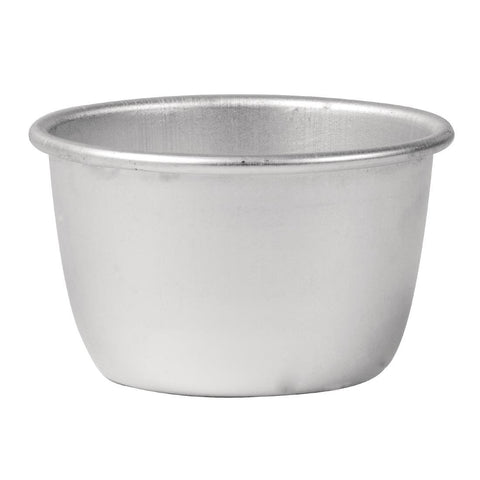

 Vogue Aluminium Mini Dariole Mould 170ml - E047
85(W) x 50(H) x 85(D)mm
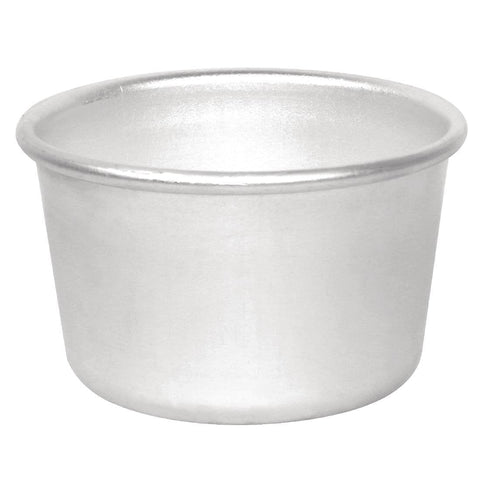
 Vogue Aluminium Mini Dariole Moulds 100ml (Pack of 6) - K514
65(W) x 40(H) x 65(D)mm
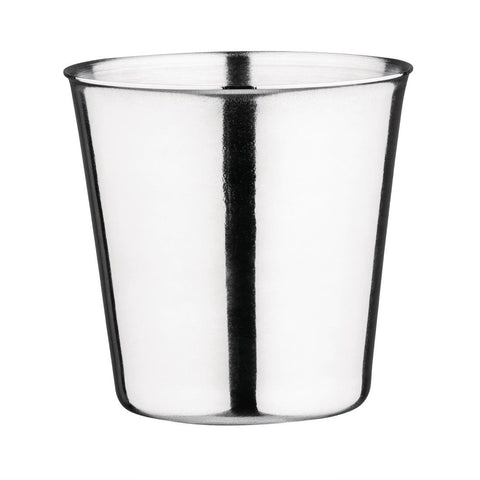
 Vogue Stainless Steel Dariole Mould 60 x 55mm - K519
55(W) x 60(H) x 55(D)mm
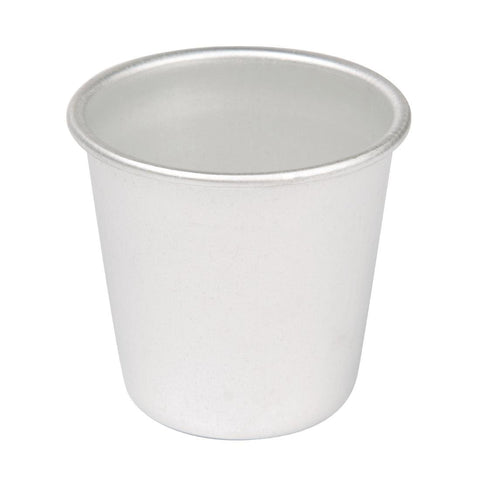
 Vogue Aluminium Extra Deep Mini Dariole Mould 128ml - K516
65(W) x 60(H) x 65(D)mm
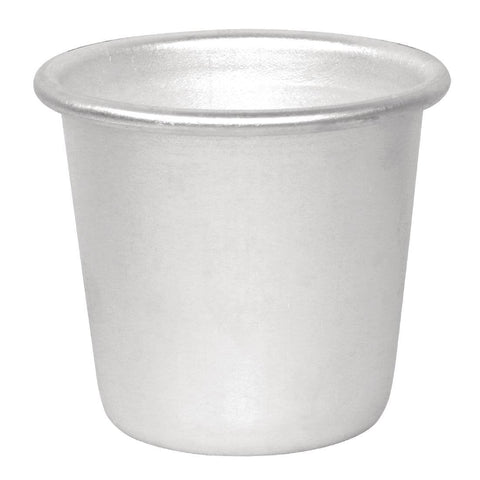
 Vogue Aluminium Extra Deep Mini Dariole Mould 114ml - K517
55(W) x 50(H) x 55(D)mm
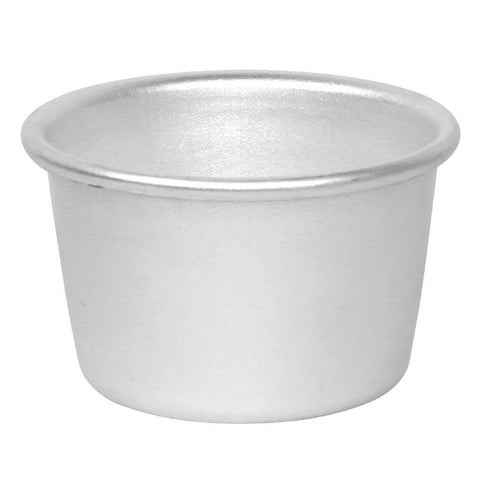
 Vogue Aluminium Mini Dariole Moulds 85ml (Pack of 6) - K513
60(W) x 35(H) x 60(D)mm
Aluminium food moulds shape individual portions — small puddings, timbales, savoury moulded rice and set desserts — which are baked or set in the mould and then turned out onto the plate. The classic shape in this material is the dariole: small, straight-sided or slightly tapered. Aluminium dariole moulds are the most common item in the category and they are usually bought by the dozen rather than individually.
Aluminium is light to handle in quantity and it heats and cools faster than steel, which is what a pastry section turning out dozens of small items wants.
The trade-off against stainless is surface and reactivity. Aluminium is softer, so it marks, and it reacts with strongly acidic preparations. Where either of those is a problem, stainless steel food moulds are the answer, and silicone food moulds where release is the hard part. The parent range is kitchen moulds.
Buying darioles by the dozen rather than one at a time? The price guide puts the aluminium moulds next to the stainless and silicone ones, so you can compare the three materials before you settle on a size.
Speed and weight. Aluminium conducts heat faster, so a small mould comes up and comes down quickly, and a tray of them is noticeably lighter to carry.
Stainless wins on durability and on acidic preparations. See stainless steel food moulds for that comparison.
Individual portions that are set or baked and then turned out: small puddings, timbales, savoury moulded rice, panna cotta and similar. The straight or slightly tapered side is what lets it release.
The same shape is used for savoury and sweet work, so hold enough that they are not shared mid-service. See pastry and baking supplies for the rest of the section's equipment.
Bare aluminium does react with strongly acidic preparations — tomato, citrus, wine reductions — and that can affect colour and taste. It is a real limitation rather than a theoretical one.
For those preparations use stainless or line the mould. Baking papers or a thin film solves most of it.
It depends on the product and the detergent, and the product page states it. Strong commercial detergents can dull or darken bare aluminium over repeated cycles.
Many kitchens hand wash aluminium and reserve the commercial dishwasher for stainless. See dishwashing liquids for the gentler options.
Butter or a release spray then a dusting, or a cut disc of paper in the base for anything that will stick. Aluminium is not non-stick, so some preparation is always needed.
A paper disc in the base plus greased sides is the reliable combination. See commercial baking mats for the tray underneath.
Thin aluminium can distort if it goes from hot to cold water, and a distorted mould no longer sits flat or releases evenly. Let them cool before washing.
Heavier-gauge moulds hold their shape much better. Gauge is on the product page where the supplier provides it — our specifications page explains how we list it.
A full service's worth of the size used most, because each mould is occupied until the item is turned out. That is usually a couple of dozen rather than a handful.
Store them nested on a tray rather than loose, so the rims do not get knocked out of round. See commercial baking trays and racking trolleys.

We have a special page just for stock that's warehoused in Perth.
Click Here to see all WA stockWhat our customers say about us on Google, and how Google scores our store for things like shipping and returns.
Store scores from Google